
Francis Drake Sails Around the World
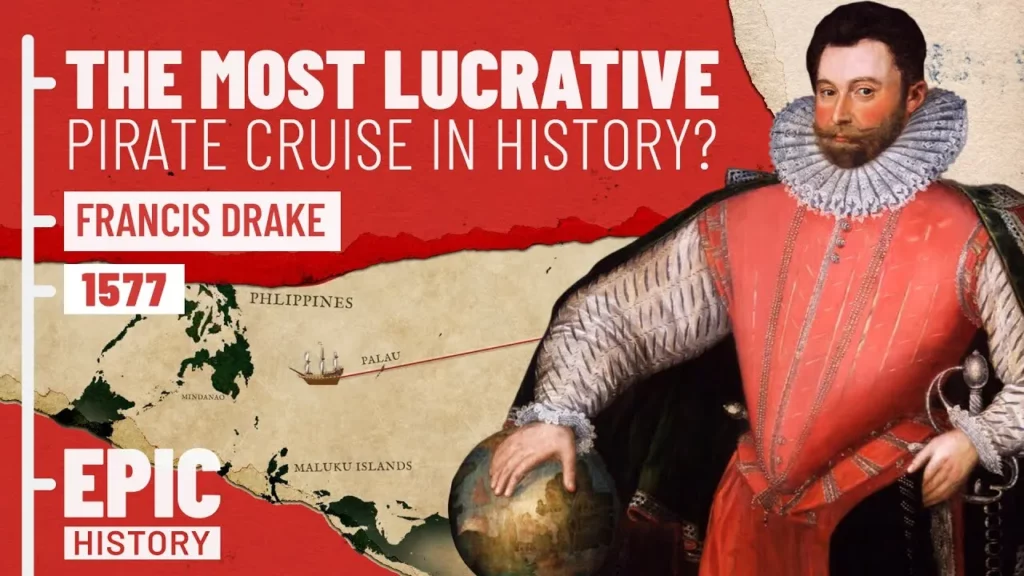
The lesson details the ambitious journey of Francis Drake, an English privateer, who sailed around the world in the late 1500s amidst the rivalry between England and Spain. Commissioned by Queen Elizabeth, Drake faced numerous challenges, including mutiny and harsh weather, but ultimately succeeded in raiding Spanish territories and returning to England with immense treasure, earning him a knighthood and marking him as the first Englishman to circumnavigate the globe. His voyage not only enriched him and his investors but also played a pivotal role in England’s naval history and its conflict with Spain.
The Greatest General in History? Alexander and the Battle of Issus
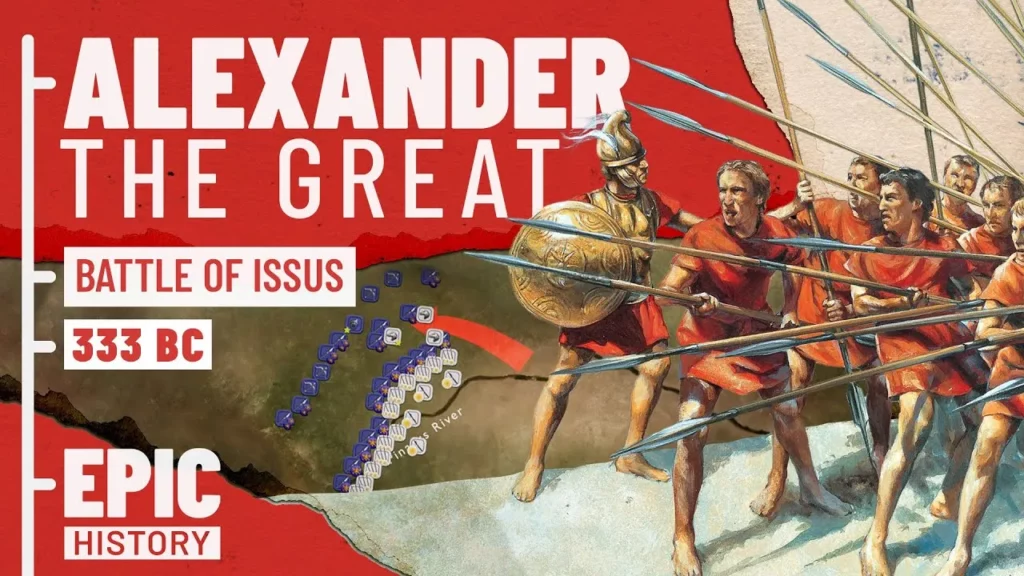
The lesson explores Alexander the Great’s ambitious military campaign against the Persian Empire, highlighting his strategic prowess during the Battle of Issus in 333 BC. Despite being outnumbered, Alexander’s bold tactics and leadership led to a decisive victory, showcasing his military genius and ambition to conquer the entire Persian Empire. The lesson also touches on his subsequent conquests and challenges, illustrating his determination to fulfill his destiny as a ruler.
How to anchor a 104-gun warship
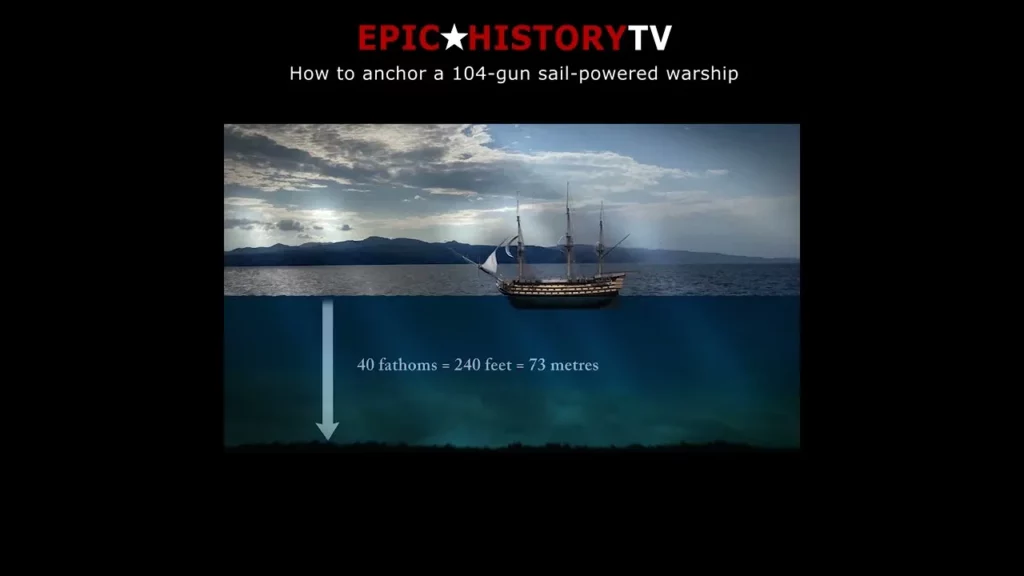
The lesson on anchoring a 104-gun warship highlights the meticulous process sailors undertook to ensure the ship remained securely in place. Key steps included measuring water depth with a lead line, slowing the ship by pulling in the sails, and dropping the anchor with a buoy to monitor its position, using a cable length three times the water depth for stability. This careful method was essential for the safety of the ship and crew, showcasing the teamwork and precision required in naval operations.
American Presidents: A Complete Timeline – Washington to Cleveland (1/2)
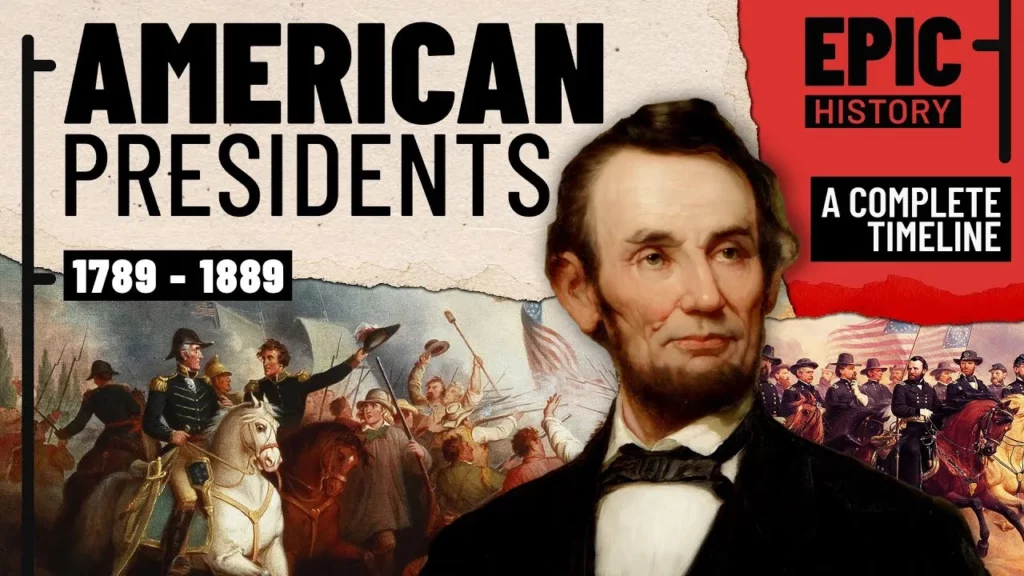
The lesson provides an overview of the first 22 Presidents of the United States, highlighting their significant contributions and challenges during their terms. Key figures include George Washington, who set important precedents, and Abraham Lincoln, who led the nation through the Civil War. The lesson emphasizes the evolving political landscape and the impact of each president on American history, setting the stage for the upcoming election of the 45th President.
The Most Feared Pirate in History: Blackbeard – The True Story
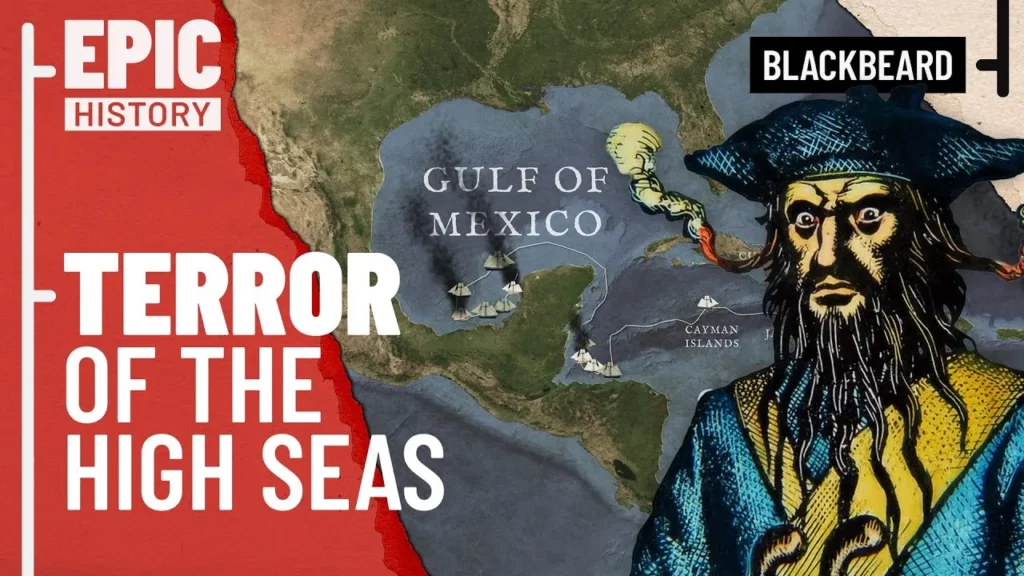
The lesson explores the life and legacy of Blackbeard, one of history’s most notorious pirates, whose real name was likely Edward Thatch. Rising to power in the Caribbean, he became infamous for his fearsome tactics and successful raids, capturing around 40 ships in a brief but impactful career. Ultimately, his reign ended in a fierce battle with the Royal Navy, solidifying his status as a legendary figure in pirate lore.
A Global Flashpoint: Suez Crisis (2/2)
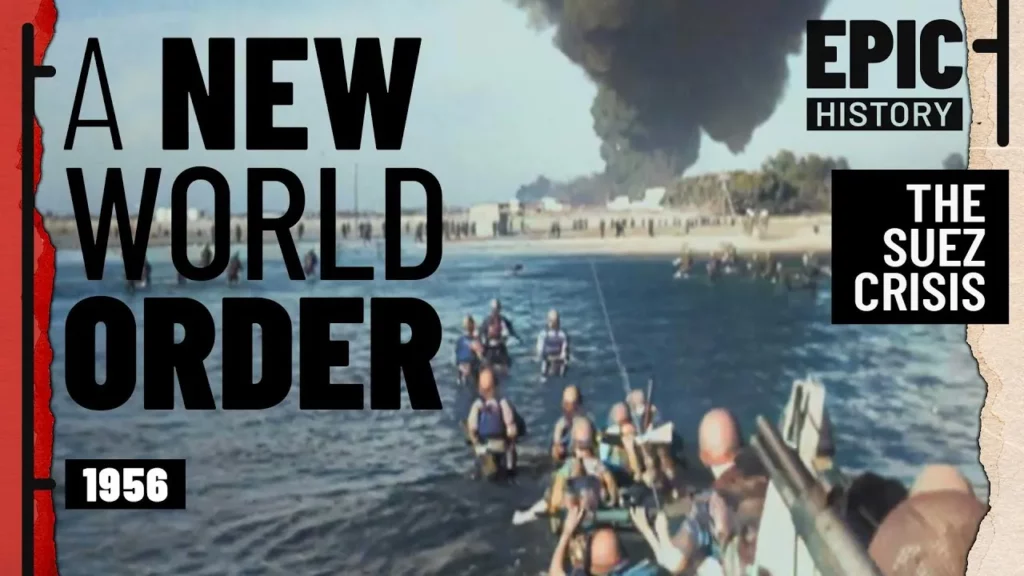
The Suez Crisis of 1956 began when Egyptian President Gamal Abdel Nasser nationalized the Suez Canal, prompting Britain and France to secretly collaborate with Israel for military intervention to remove him from power. Despite initial military successes, international condemnation, particularly from the United States, forced Britain and France to cease their invasion, marking a significant shift in global power dynamics and highlighting the declining influence of European powers in the face of rising U.S. involvement in the Middle East. The crisis had lasting implications for international relations and U.S. foreign policy during the Cold War.
Napoleon’s Greatest Crime?
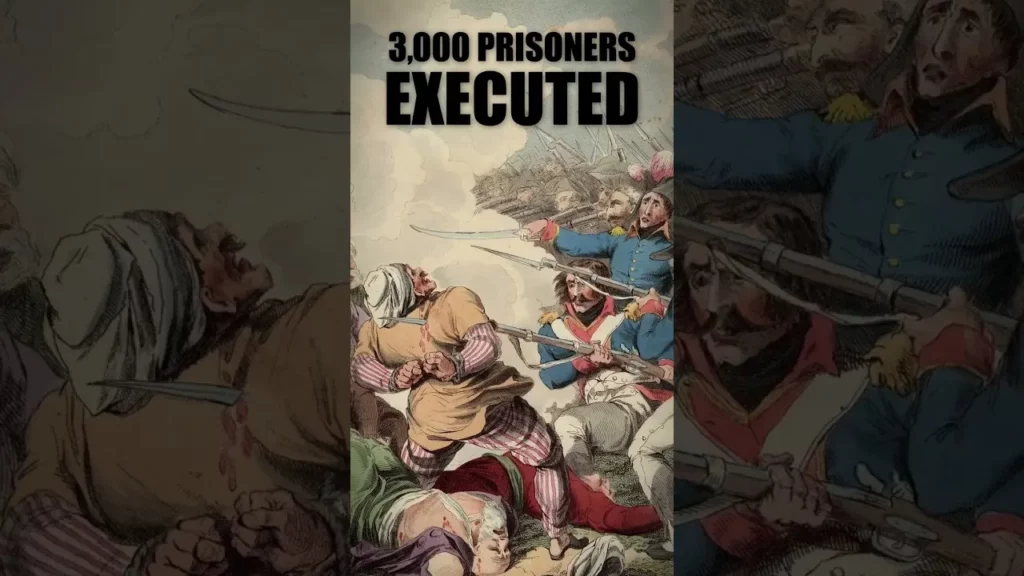
The lesson explores the controversial events surrounding Napoleon Bonaparte’s capture of Jaffa in March 1799, where French forces committed acts of brutality against civilians and executed Ottoman prisoners despite assurances of safety. Napoleon justified these actions by citing resource constraints and previous betrayals by the prisoners, but the incident has sparked ongoing debate about war crimes and the moral complexities of military leadership. Ultimately, the lesson encourages reflection on the ethical challenges faced in conflict and the lasting impact of historical actions.
Quick Guide to Napoleonic Infantry Tactics
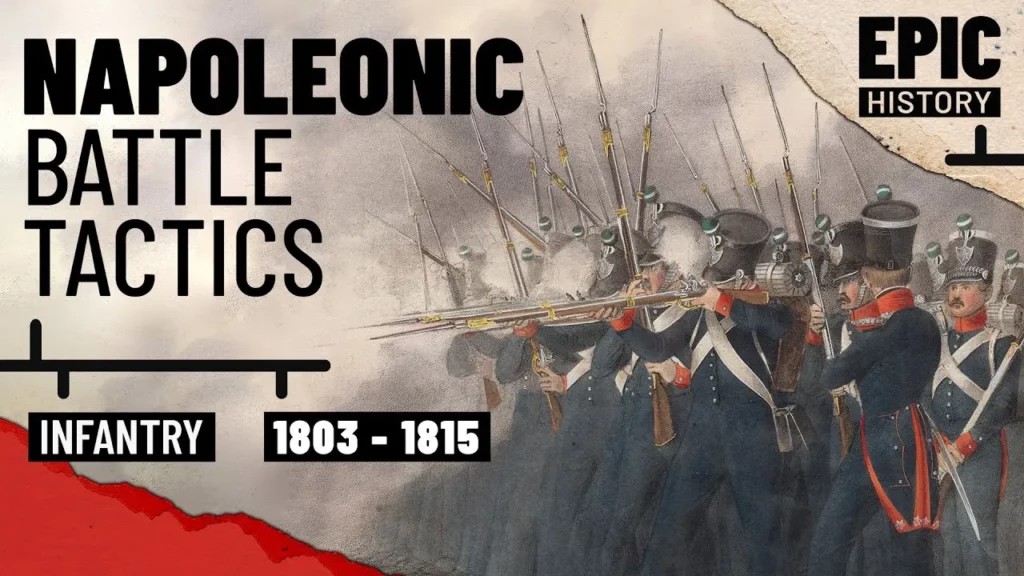
The lesson on Napoleonic infantry tactics highlights the importance of close order formations, which facilitated command and control, maximized firepower through volley firing, boosted soldier morale, and provided defense against cavalry. It discusses the structure of a battalion, the role of skirmishers, and various battlefield formations such as line, column of divisions, and square, each with distinct advantages and vulnerabilities. Ultimately, the lesson emphasizes the necessity of adaptability and extensive training in effectively employing these tactics during the Napoleonic Wars.
The Last Roman Triumph
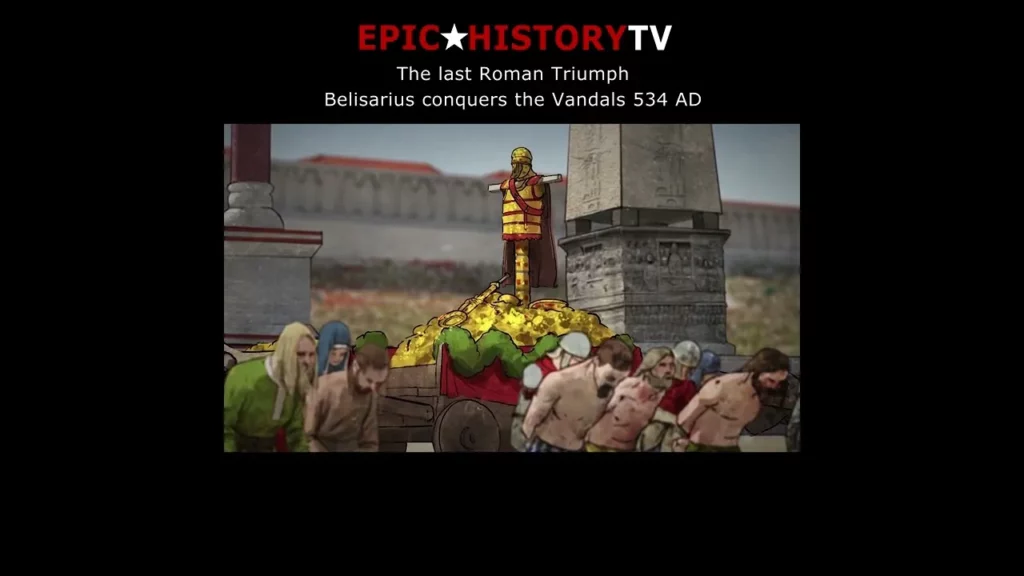
The lesson on “The Last Roman Triumph” explores the significance of the Triumph, a grand victory parade in ancient Rome, and highlights the exceptional case of General Belisarius, who was honored with this prestigious recognition after 500 years. The event in Constantinople celebrated his military achievements and showcased the spoils of war, while also reflecting on the transient nature of power through the words of a captured king. Ultimately, the Triumph serves as a reminder of the enduring legacy of Roman traditions and the cyclical nature of history.
How huge was the Persian Empire?
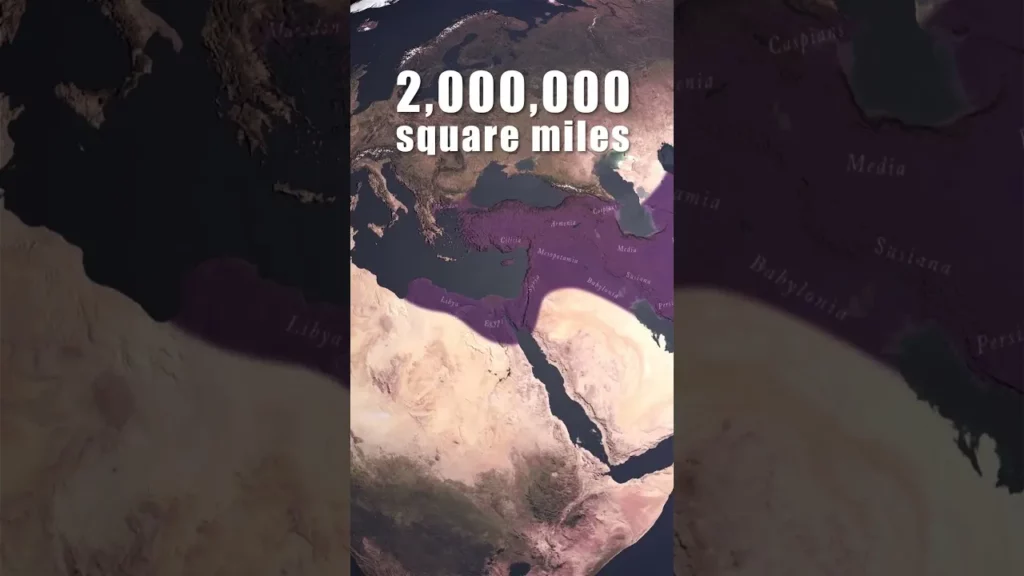
The Persian Empire, founded by Cyrus the Great of the Achaemenid Dynasty, was the largest and most advanced empire of its time, spanning three continents—Asia, Africa, and Europe—at its peak. It was notable for its vast territory, diverse population, and significant contributions to governance, culture, and technology, including a sophisticated road network and the world’s first long-distance postal service. The empire ultimately fell to Alexander the Great, but its legacy of tolerance and cultural exchange continues to influence modern civilization.