
How To Make Apple Cider from Apple Juice
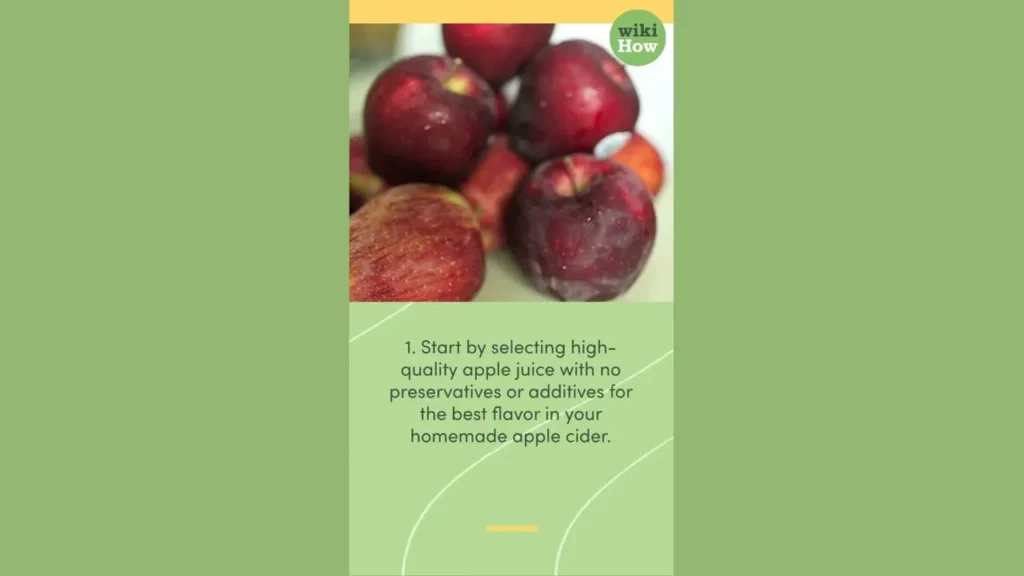
This lesson teaches you how to make homemade apple cider using apple juice by following three simple steps: selecting high-quality apple juice, adding spices like cinnamon, cloves, and orange slices, and simmering the mixture to blend the flavors. After straining the cider, you can enjoy it hot or chilled, making it a perfect drink for cozy gatherings, especially during the fall season. With this easy recipe, you can share the joy of apple cider-making with family and friends.
How To Calculate BMI
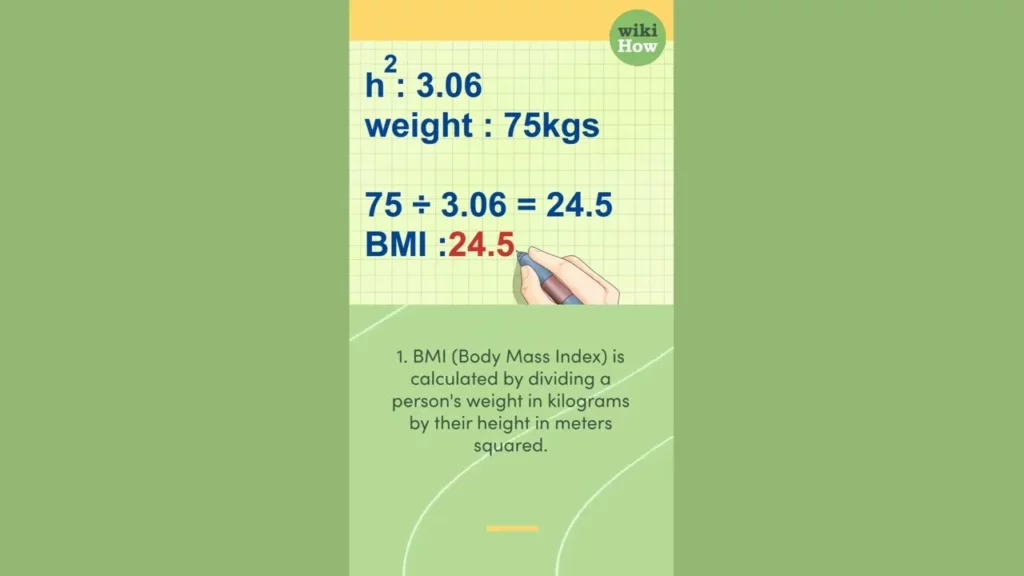
This lesson teaches you how to calculate your Body Mass Index (BMI), a useful tool for assessing whether your weight is healthy for your height. By following a simple formula—dividing your weight in kilograms by the square of your height in meters—you can determine your BMI and understand which weight category you fall into, such as underweight, normal weight, overweight, or obese. While BMI is a helpful guideline, it’s important to consult a healthcare professional for a comprehensive view of your health.
How To Freeze Parsley

This lesson provides a straightforward guide on how to freeze parsley to maintain its freshness for future use. It outlines five easy steps: washing and drying the parsley, chopping it, preparing an ice cube tray, adding water or olive oil, and finally freezing and storing the parsley cubes. By following these steps, you can conveniently access fresh parsley whenever needed for your cooking.
How To Freeze Muffins
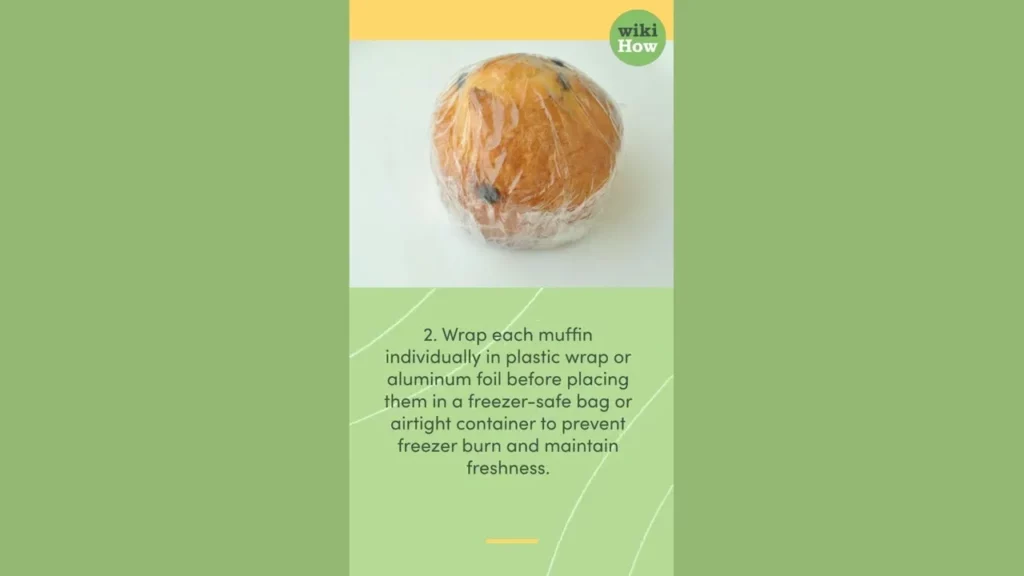
This lesson explains how to properly freeze muffins to maintain their freshness and flavor. Key steps include cooling the muffins completely, wrapping each one individually to prevent freezer burn, storing them in an airtight container, and labeling them with the date and type. With these simple steps, muffins can be frozen for up to three months, allowing you to enjoy them at your convenience.
How To Freeze Milk
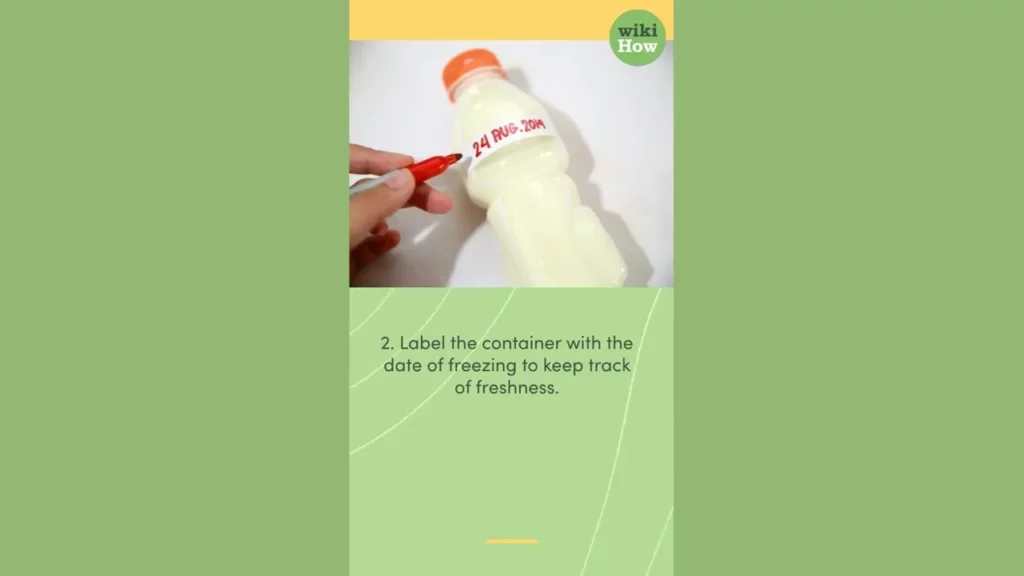
This lesson explains the simple steps for freezing milk effectively. It emphasizes using a suitable container with space for expansion, labeling it with the freezing date, and thawing it in the refrigerator before use. Additionally, it highlights the benefits of freezing milk to extend its shelf life, particularly for cooking and baking purposes.
How To Freeze Fresh Tomatoes
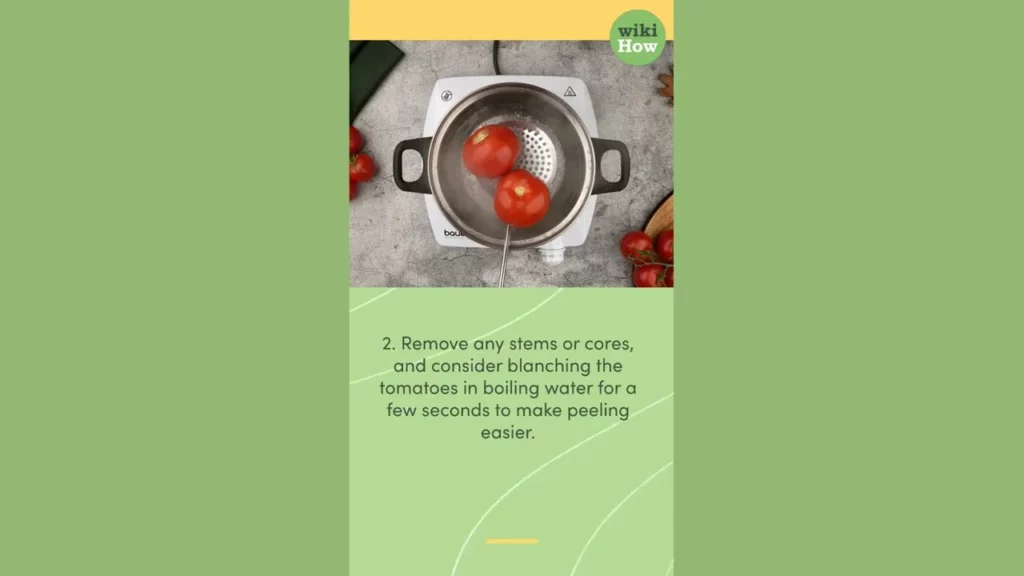
This lesson provides a straightforward guide on how to freeze fresh tomatoes to preserve their flavor and freshness. It outlines essential steps, including washing and drying the tomatoes, preparing them by removing stems and optionally blanching for easier peeling, and finally packing them in airtight containers or freezer bags while minimizing air exposure. Additional tips are offered to enhance the freezing process and ensure the tomatoes remain delicious for future use in cooking.
How To Clean a Carpet by Hand
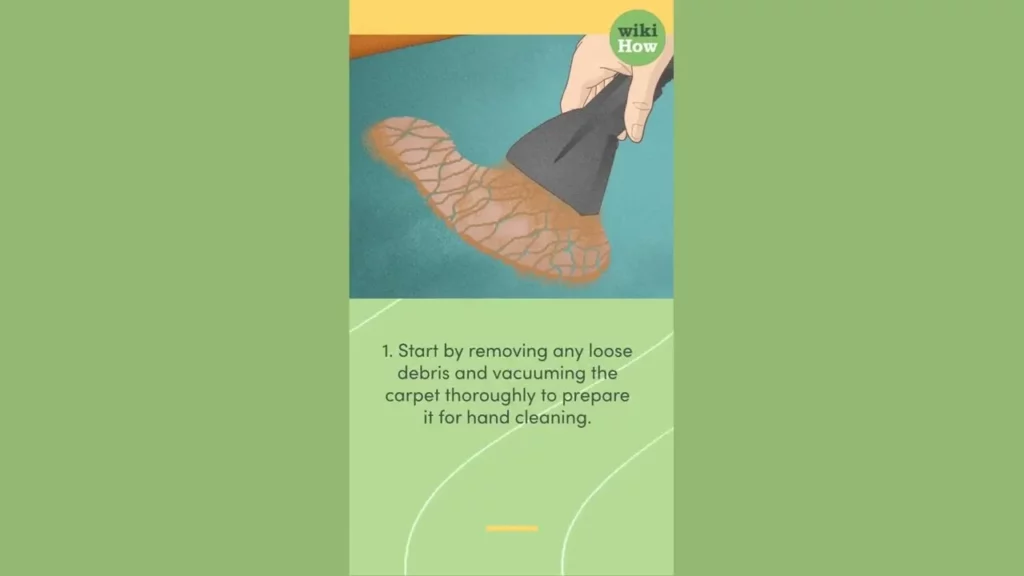
This lesson provides a straightforward guide on how to clean a carpet by hand, emphasizing the importance of removing loose dirt, creating a cleaning solution, scrubbing the carpet, and rinsing it properly. By following these easy steps, along with some extra tips for maintenance, you can achieve a spotless and fresh-looking carpet without the need for a machine. Happy cleaning!
How To Reduce Bags Under Your Eyes
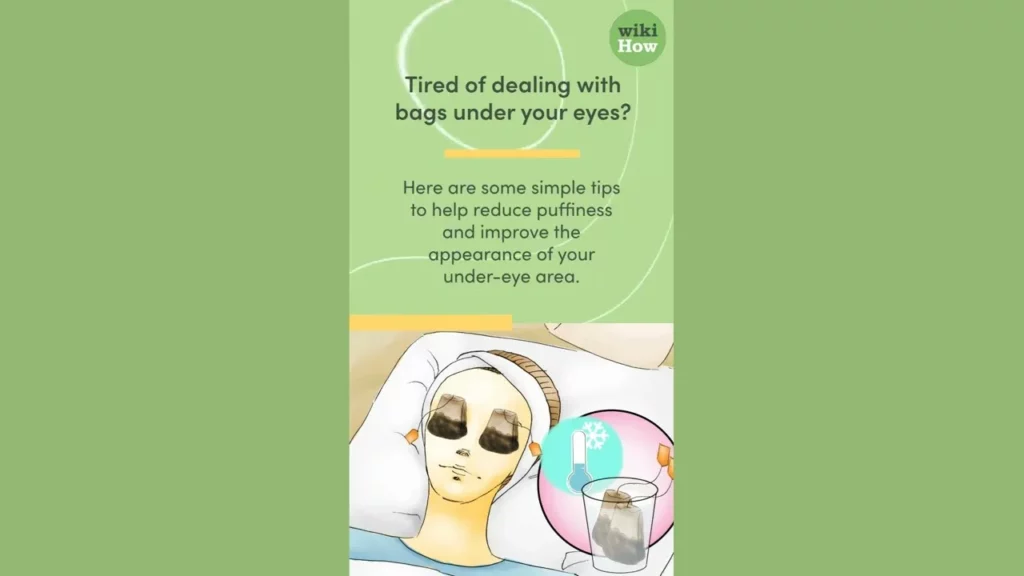
This lesson provides practical tips for reducing bags under the eyes, emphasizing the importance of adequate sleep, cold compresses, and hydrating eye creams. Additionally, it highlights the benefits of staying hydrated, maintaining a balanced diet, and managing stress to improve overall appearance and skin health. By implementing these strategies, individuals can achieve a fresher, more awake look.
How To Age Wood
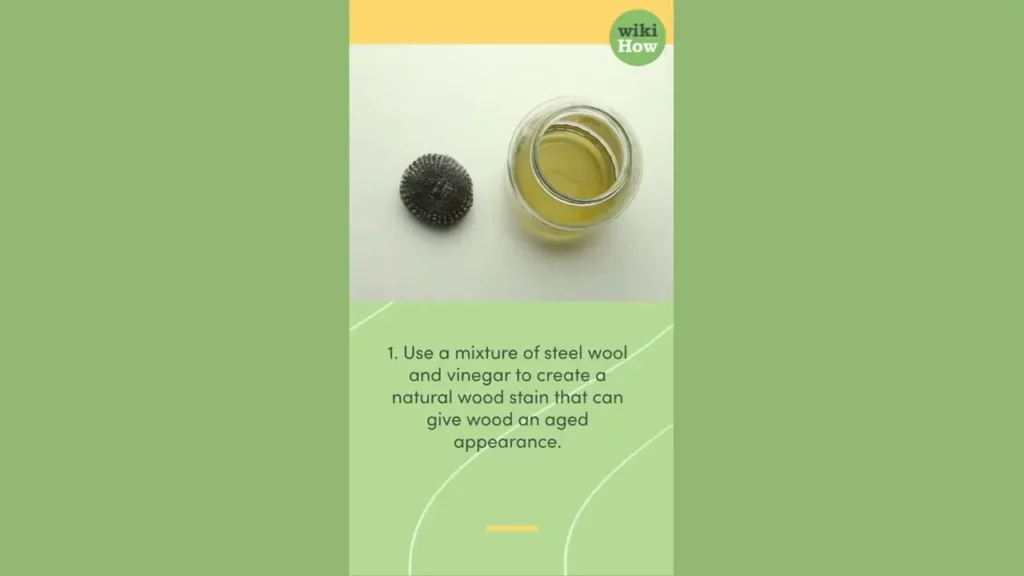
This lesson provides various techniques for aging wood to achieve a vintage appearance. Methods include using a natural stain made from steel wool and vinegar, tea staining combined with distressing, and scorching the wood for a weathered look. The lesson encourages experimentation and creativity, suggesting that practice on scrap wood can help refine the desired effects.
How To Add Protein To Diet
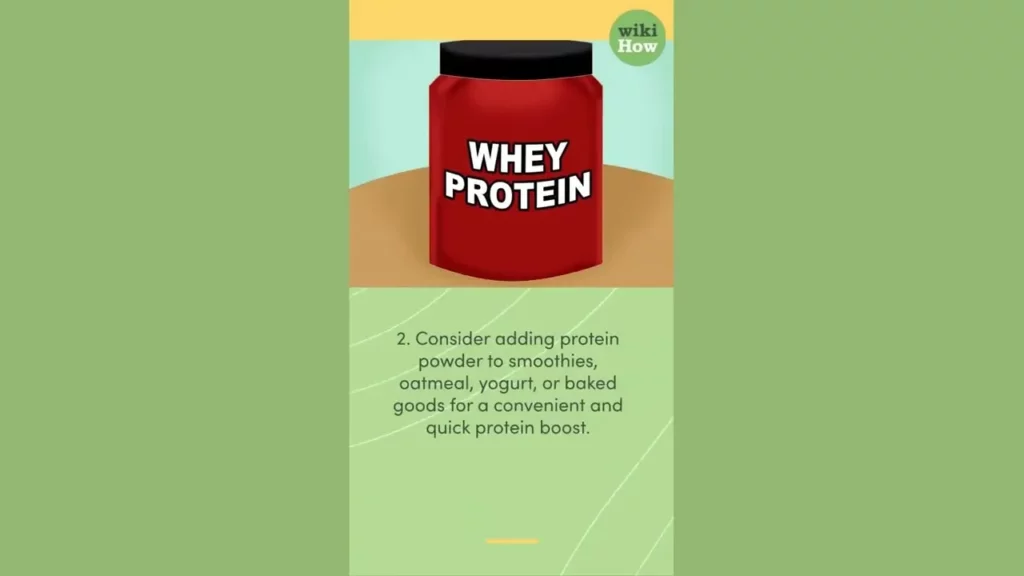
This lesson provides practical strategies for increasing protein intake in your diet. It emphasizes choosing protein-rich foods such as lean meats, dairy, legumes, nuts, and seeds, as well as incorporating protein powder into meals and snacks. Additionally, it encourages planning meals with protein in mind to enhance satiety and support muscle repair, making it easier to meet your nutritional needs.