
How To Be Content
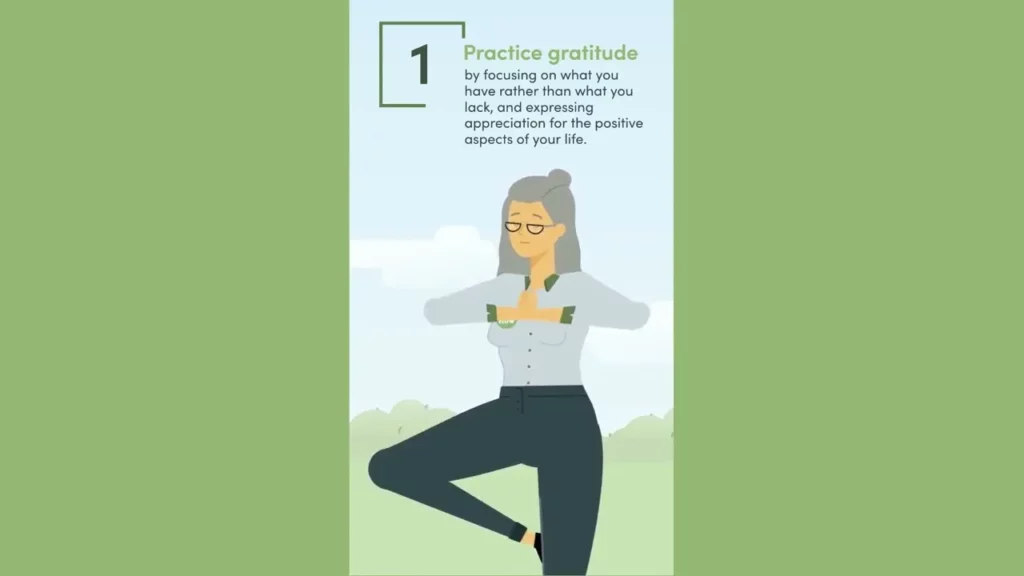
The lesson on “How to Be Content” provides practical strategies for achieving happiness and satisfaction in life. Key tips include practicing gratitude to appreciate what you have, embracing mindfulness to stay present, and cultivating self-compassion to treat yourself kindly. Additionally, engaging with nature, pursuing hobbies, and building positive relationships are emphasized as ways to enhance overall well-being and contentment.
How To Be Excused From Jury Duty
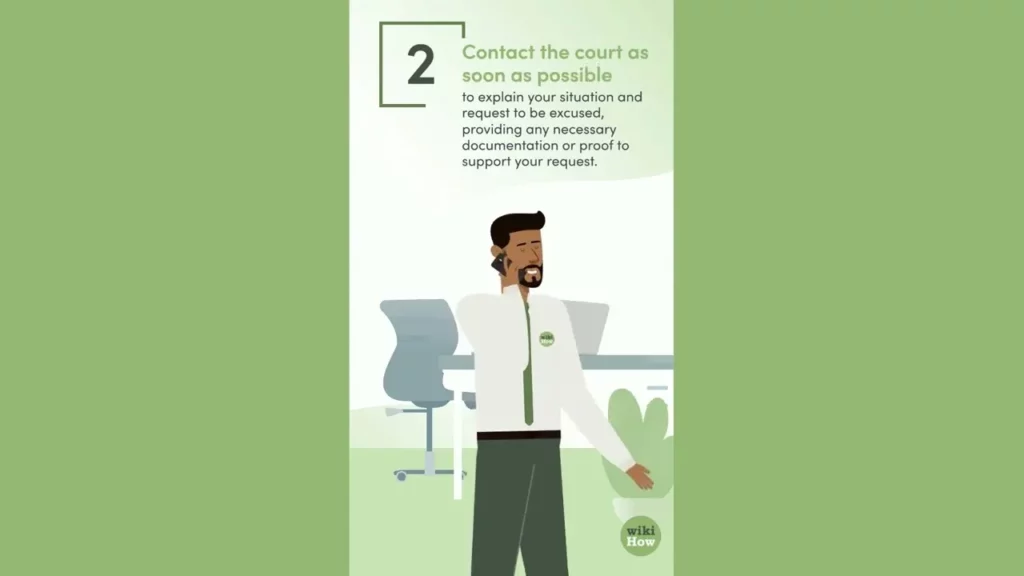
This lesson outlines the steps to be excused from jury duty, emphasizing the importance of understanding state-specific guidelines for valid excuses such as financial hardship or medical issues. It advises promptly contacting the court with clear and respectful communication, providing necessary documentation to support your request, and following up if needed. Additionally, it encourages exploring alternative solutions if your initial request is denied, ensuring a thorough and responsible approach to the process.
How To Be Fearless
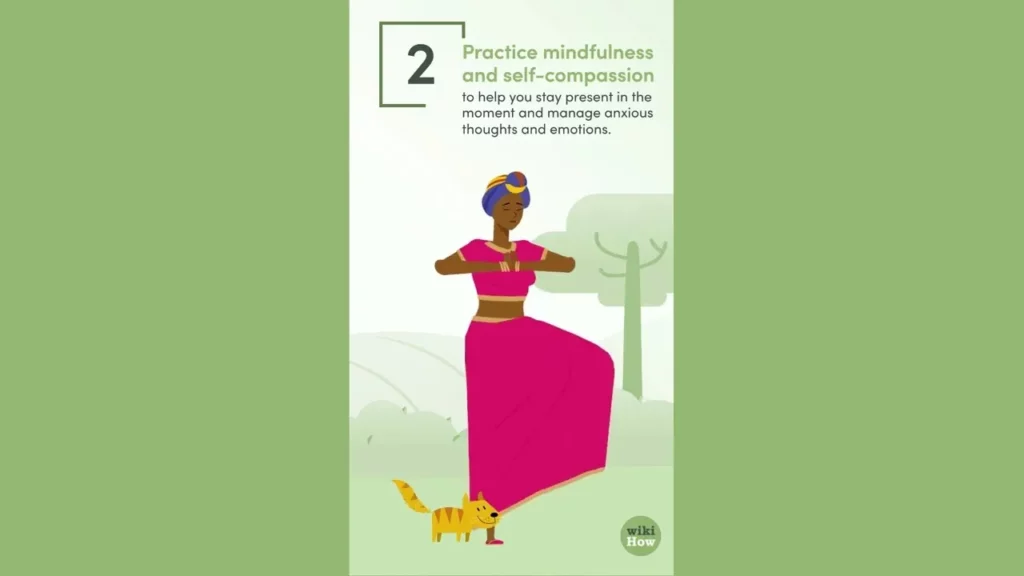
The lesson “How To Be Fearless” provides practical strategies for overcoming fears and building confidence. Key approaches include gradually facing fears, practicing mindfulness and self-compassion, and surrounding oneself with supportive individuals. Additionally, setting small goals, learning from mistakes, and celebrating achievements are emphasized as essential steps toward becoming more fearless and self-assured.
How To Be Financially Stable
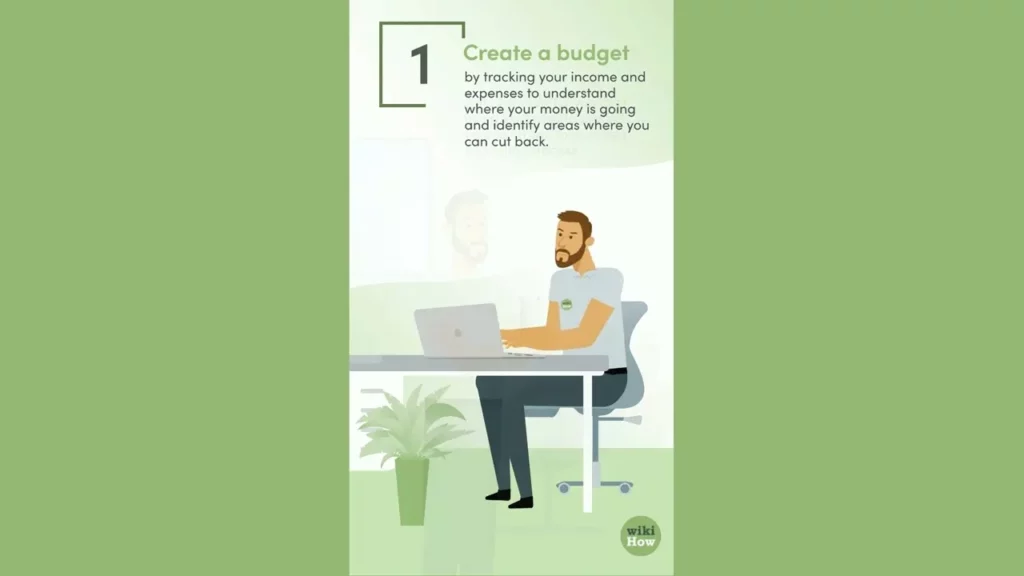
The lesson on achieving financial stability emphasizes the importance of creating a budget to track income and expenses, which helps identify areas for savings. It also highlights the necessity of building an emergency fund to cover unexpected expenses and encourages investing in retirement accounts while setting clear financial goals. Overall, the lesson underscores that financial stability is a continuous journey that requires discipline, education, and adaptability.
How To Be Frugal
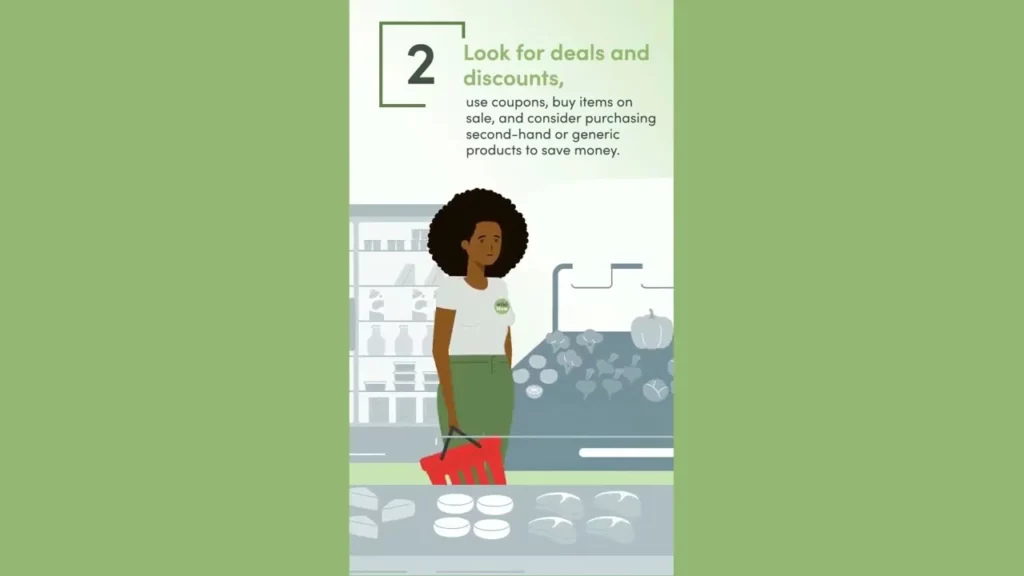
The lesson “How to Be Smart with Your Money” provides practical strategies for effective financial management, emphasizing the importance of creating a budget, seeking out deals and discounts, and spending mindfully. By tracking expenses, prioritizing needs over wants, and implementing additional savings tips, individuals can enhance their financial literacy and make informed decisions that lead to greater savings and financial stability.
How To Be Funny To A Girl
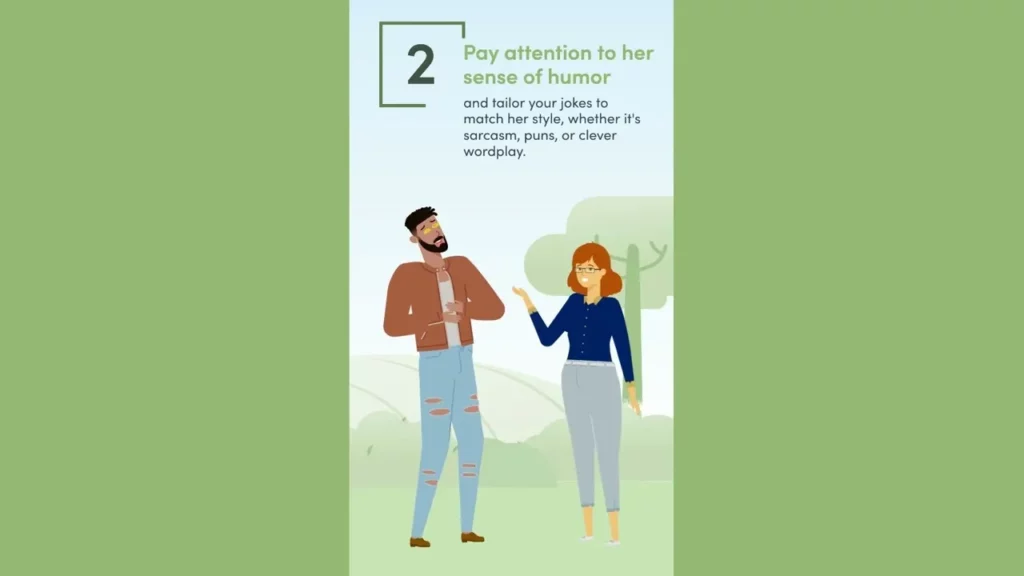
The lesson on “How to Make Someone Laugh” emphasizes the importance of using light-hearted humor and understanding the individual’s sense of humor to create a joyful atmosphere. It encourages authenticity and naturalness in humor, suggesting that being yourself is more appealing than forcing jokes. Additionally, it highlights the value of practice, positivity, and learning from comedians to enhance one’s comedic skills.
How To Be Good
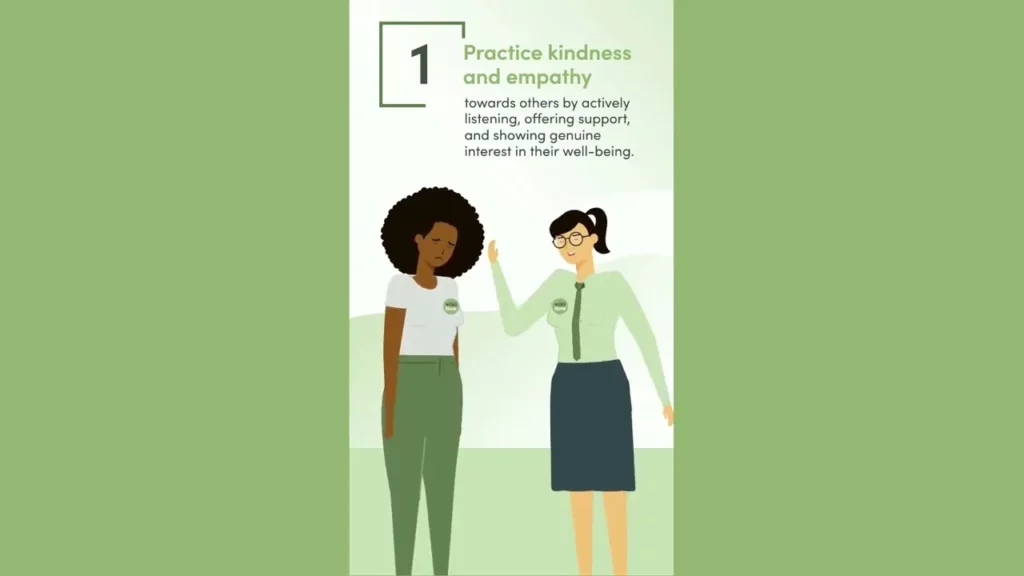
The lesson on “How to Be a Good Person” emphasizes the importance of kindness, empathy, and self-reflection in personal growth. It encourages individuals to treat others well, learn from their mistakes, and lead by example to inspire positivity in their communities. By practicing these principles, anyone can make a meaningful impact on themselves and those around them.
How To Apply To Law Schools
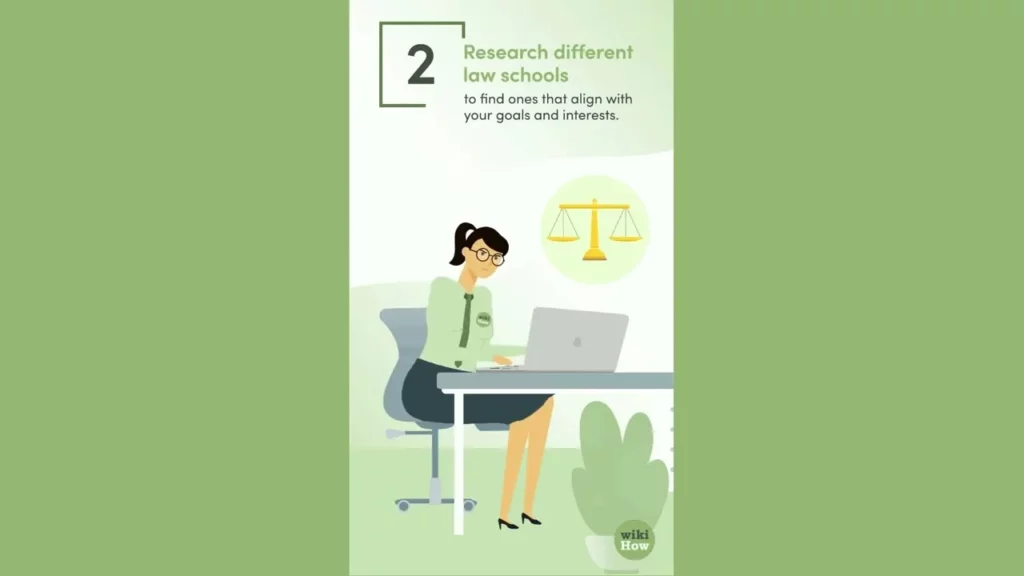
The lesson on applying to law schools outlines essential steps to navigate the admissions process effectively. Key actions include researching schools that align with your goals, preparing for the LSAT, gathering strong letters of recommendation, crafting a compelling personal statement, and submitting all required materials on time. Staying organized and seeking insights from current students or alumni can further enhance your application experience.
How To Ask For A Donation
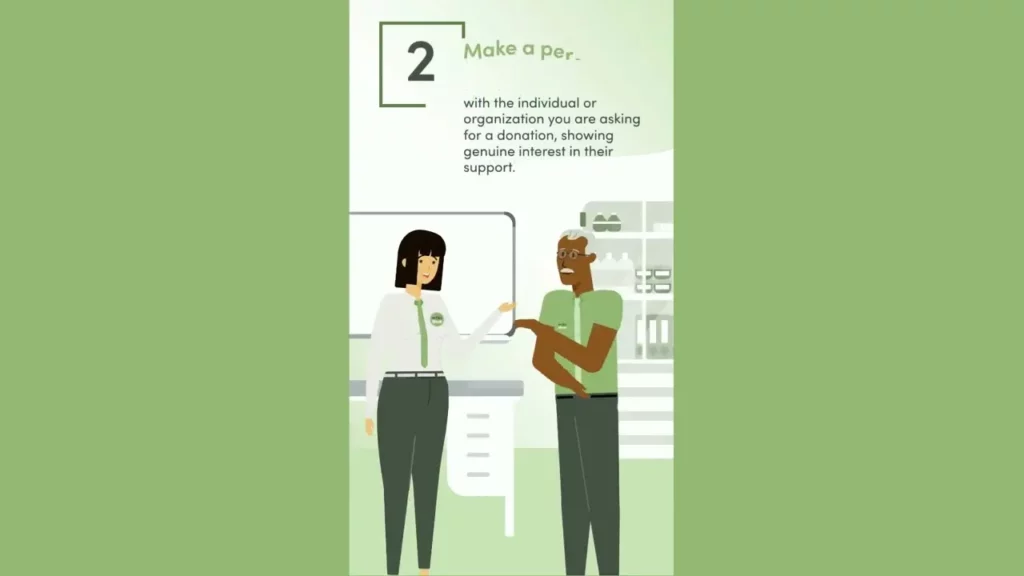
The lesson on “How To Ask For A Donation” emphasizes the importance of clearly explaining the purpose of the request, building personal connections with potential donors, and highlighting the impact of their contributions. It also suggests additional strategies such as leveraging social proof, offering multiple donation methods, and expressing gratitude to foster goodwill and encourage ongoing support. By implementing these approaches, individuals can effectively engage supporters and enhance their fundraising efforts.
How To Ask For A Follow Up After Interview
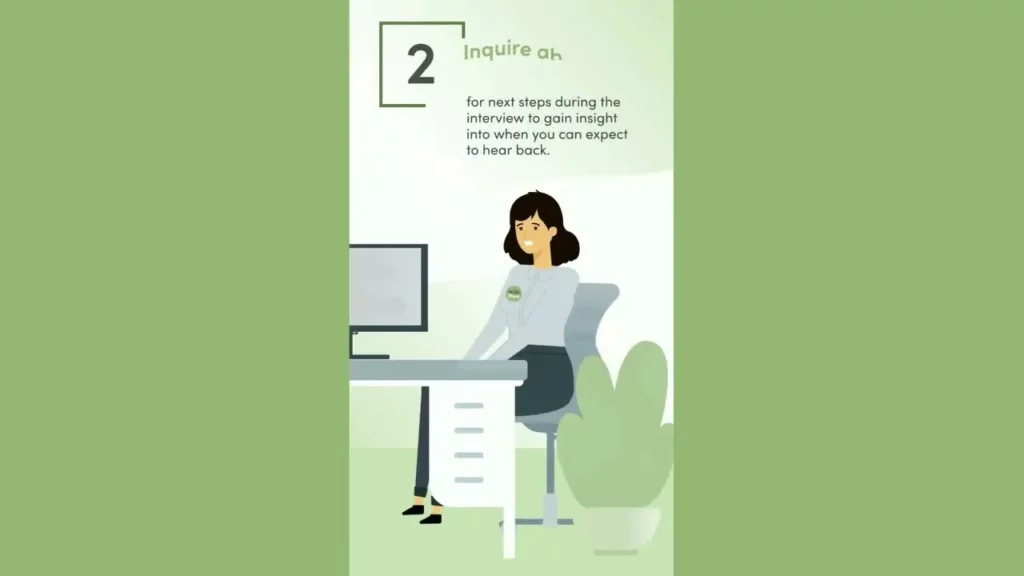
The lesson emphasizes the importance of following up after an interview to demonstrate professionalism and enthusiasm for the position. Key strategies include sending a thank-you email within 24 hours, clarifying the next steps during the interview, and following up politely after a week if no updates are received. Additionally, it’s crucial to keep communications concise, personalize your messages, and respect the employer’s timeline to leave a positive impression.