
Murat's legendary cavalry charge at Eylau
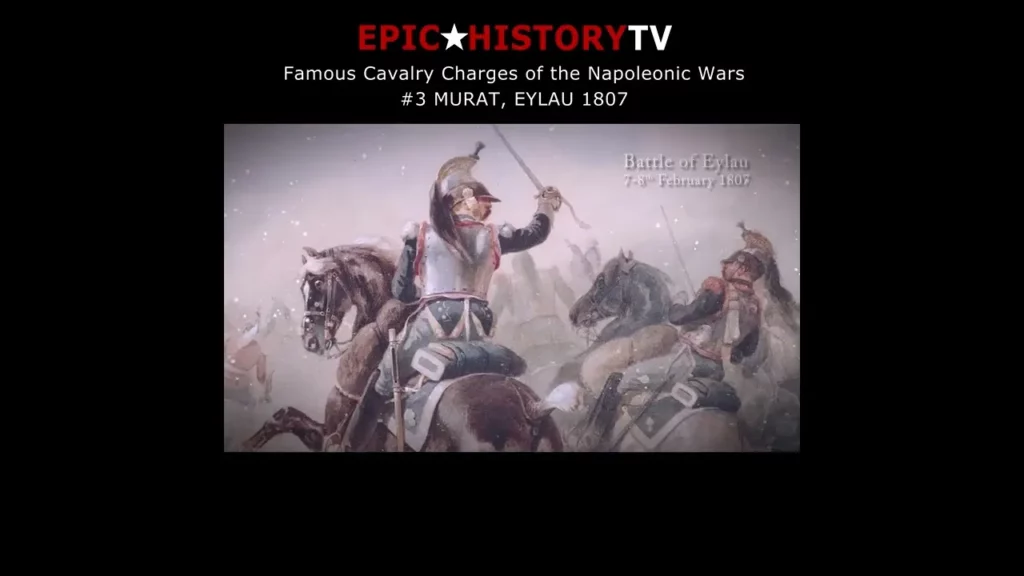
The Battle of Eylau was a fierce and challenging confrontation during the Napoleonic Wars, marked by extreme cold and confusion among the French forces, particularly Augereau’s Seventh Corps. Despite significant setbacks, including the loss of military standards, Marshal Murat’s legendary cavalry charge of 10,000 horsemen played a pivotal role in the battle, although it ultimately ended without a decisive victory for Napoleon. This lesson underscores the complexities of warfare, the importance of leadership and strategy, and the resilience of soldiers in the face of adversity.
Who was Alexander the Great?
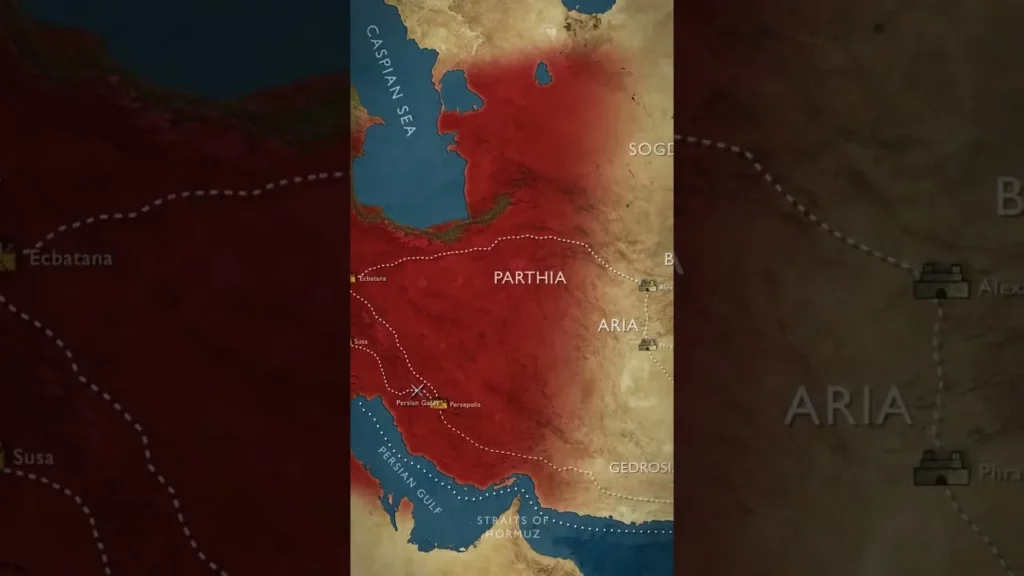
Alexander the Great was a young king of Macedonia who ascended to the throne at just 20 years old in 336 BC and became one of history’s most renowned military leaders. He embarked on an ambitious campaign to conquer the Persian Empire, winning numerous battles and founding around 70 cities, including the famous Alexandria in Egypt, which helped spread Greek culture. Despite his untimely death at 32, Alexander’s bold leadership and remarkable achievements left a lasting legacy that continues to inspire people today.
Napoleon loses Paris
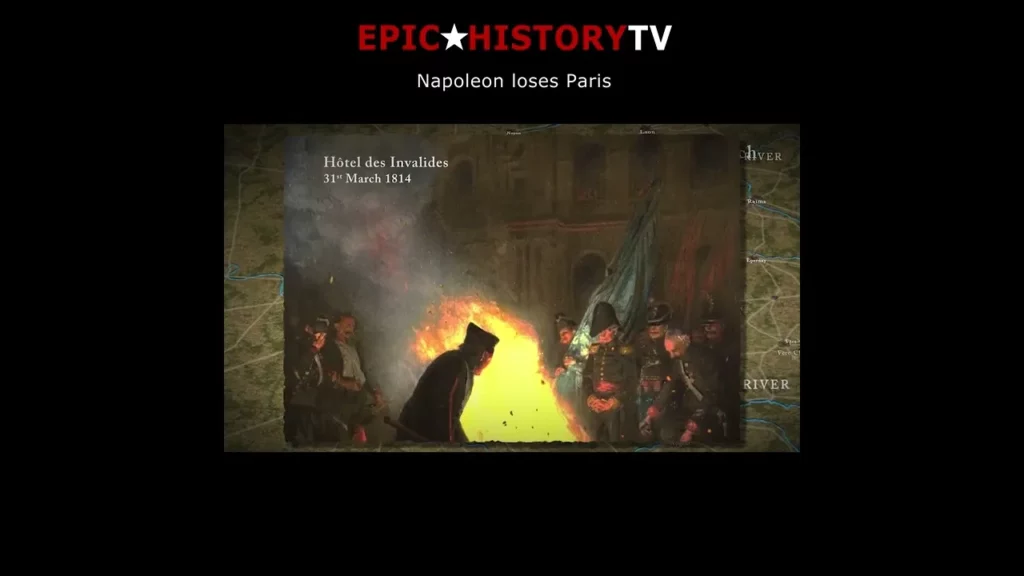
The lesson “Napoleon Loses Paris” details the courageous defense of Paris against enemy forces, ultimately leading to a strategic surrender to prevent further destruction. Key figures, such as Marshal Marmont, played vital roles in negotiating the terms of surrender, including the destruction of significant military symbols to deny them to the Allies. This event marked a pivotal moment in the Napoleonic Wars, signaling the decline of Napoleon’s empire and illustrating the complexities of leadership and the impact of individual decisions in historical contexts.
The greatest defensive campaign in history?
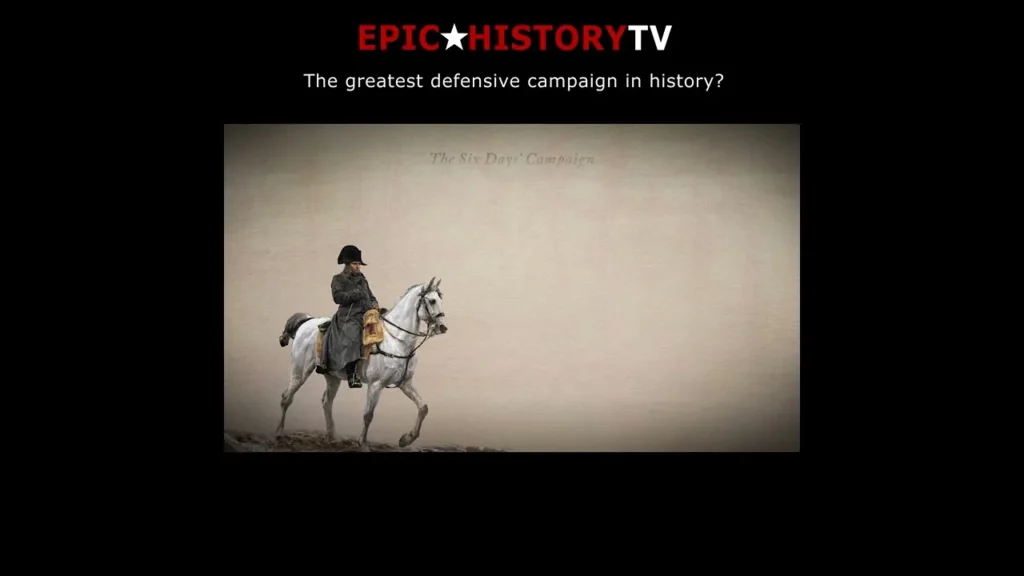
The lesson highlights Napoleon Bonaparte’s exceptional military strategy during a series of battles against the larger Prussian army led by Blücher, showcasing his ability to outmaneuver and decisively defeat his opponents despite being outnumbered. Through tactical brilliance, including surprise attacks and effective use of cavalry, Napoleon inflicted significant casualties on the enemy while sustaining minimal losses himself. This campaign serves as a powerful example of strategic planning, adaptability, and leadership, offering valuable insights applicable beyond military contexts to areas such as business and personal challenges.
The Strange Death of Rasputin
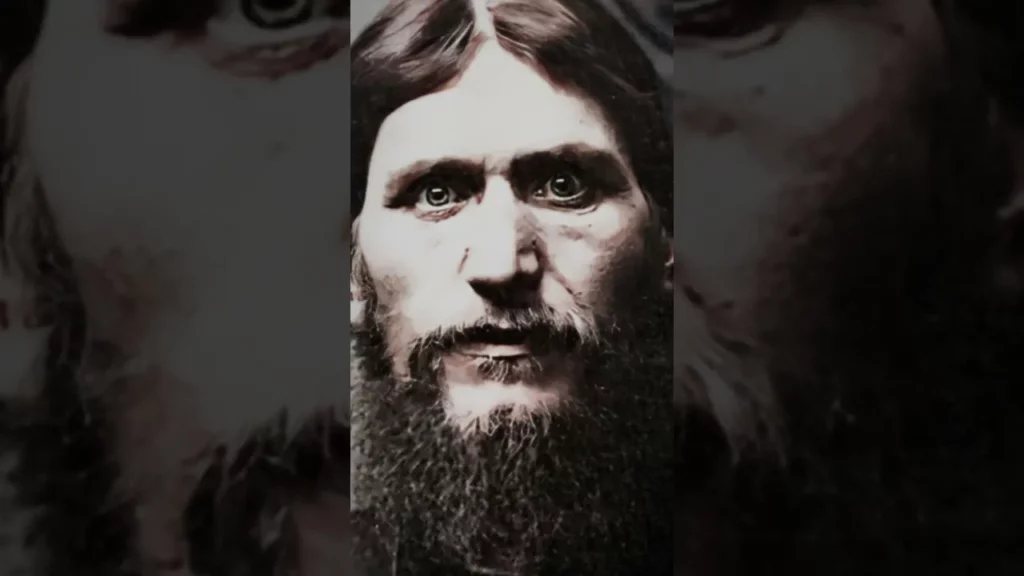
The lesson explores the enigmatic life and dramatic death of Grigori Rasputin, a mystic who gained significant influence over the Romanov family during the twilight of the Russian Empire. In 1916, a group of aristocrats, led by Prince Felix Yusupov, conspired to assassinate him due to fears of his growing power, leading to a bizarre series of events involving poisoning, shooting, and ultimately, his mysterious demise. The narrative highlights how fear and suspicion can drive individuals to extreme measures, leaving a lasting intrigue surrounding Rasputin’s legacy.
Origin of the world-famous 'Radetzky March'
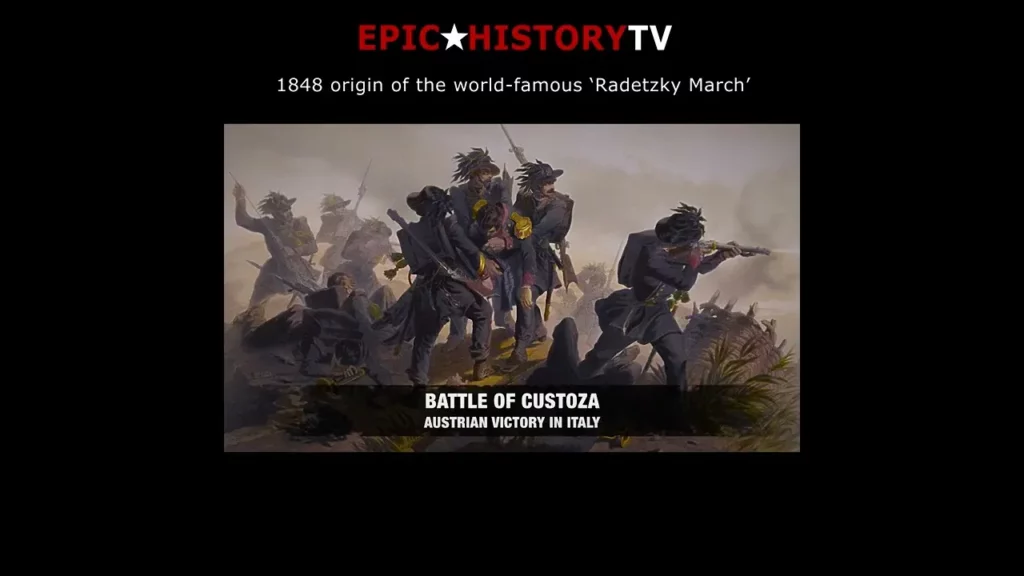
The lesson explores the historical significance of Field Marshal Radetzky, who, at the age of 81, led a successful military campaign against the Piedmontese forces in Italy, showcasing his strategic brilliance. In celebration of his victory, composer Johann Strauss created the ‘Radetzky March,’ a lively piece that has since become a symbol of triumph and is widely recognized in concerts and events. The lesson highlights the enduring impact of music in commemorating historical figures and events, illustrating its role as a powerful storytelling medium.
The staggering scale of Napoleon's losses in Russia
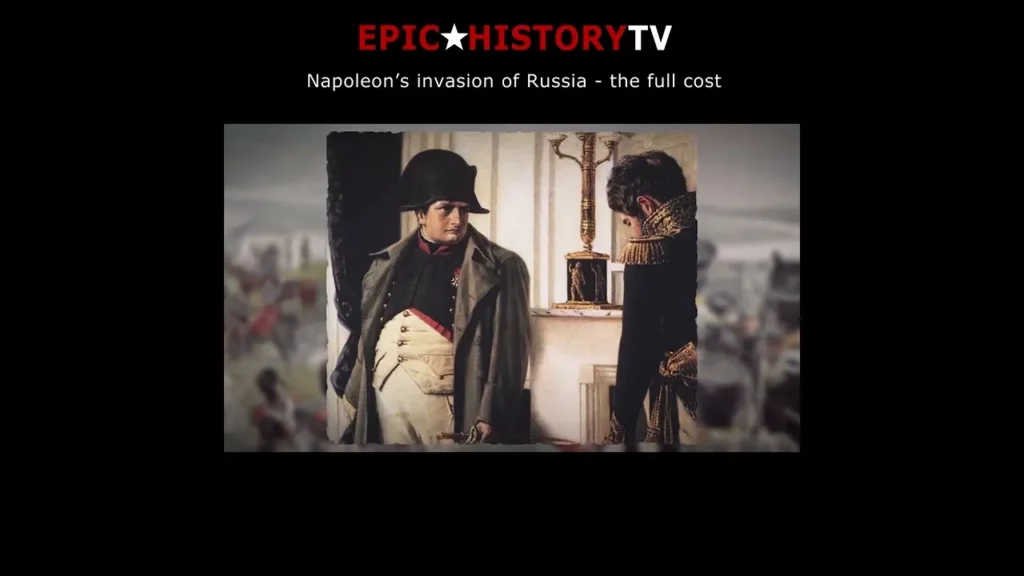
The lesson on Napoleon’s invasion of Russia highlights the catastrophic failure of his military campaign, which resulted in the loss of around half a million soldiers due to a combination of poor planning, harsh weather, and logistical challenges. The staggering human cost, where only two out of every twelve soldiers returned home, underscores the importance of understanding environmental factors and the resilience of opponents in military strategy. Ultimately, this historical event serves as a cautionary tale about the need for thorough preparation and awareness of the challenges posed by geography and climate in warfare.
The Bravest Man in Napoleon's Army?
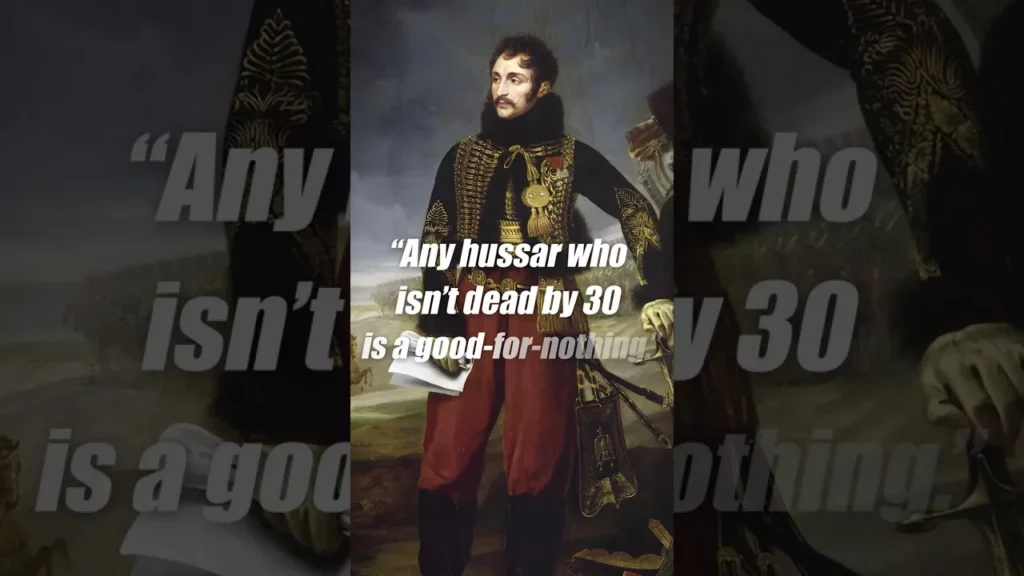
The lesson highlights the remarkable life of Antoine Lasalle, a fearless Hussar general in Napoleon’s army, renowned for his daring exploits and charismatic leadership. His legendary charge at the Battle of Rivoli and the relentless pursuit of the Prussian army by his unit, dubbed “The Inferno Brigade,” exemplify his strategic brilliance and courage. Lasalle’s legacy serves as a powerful reminder of the impact of individual bravery and leadership in shaping history.
The Solar System 3D animation for kids – Educational video

In this lesson, students embark on an exciting adventure through the solar system, learning about its structure, including the Sun, eight planets, and their moons. They explore key characteristics of each planet, such as size, composition, and unique features, while also understanding the concepts of revolution and rotation that govern planetary movement. The lesson concludes with encouragement to continue exploring and learning about space.
Learning with Alex – A story about kids’ autonomy

In “Learning with Alex – A Story About Independence,” Alex embarks on a series of adventures that highlight his growing independence as he completes tasks on his own for his birthday. He visits a bakery to buy bread and a cake, gets a haircut at the salon, receives a vaccination at the doctor’s office, celebrates his birthday with friends and family, and enjoys a snack at a cafe. Through these experiences, Alex learns about various places and activities while embracing the excitement of becoming more self-sufficient.