
How To Make Your Own Butter
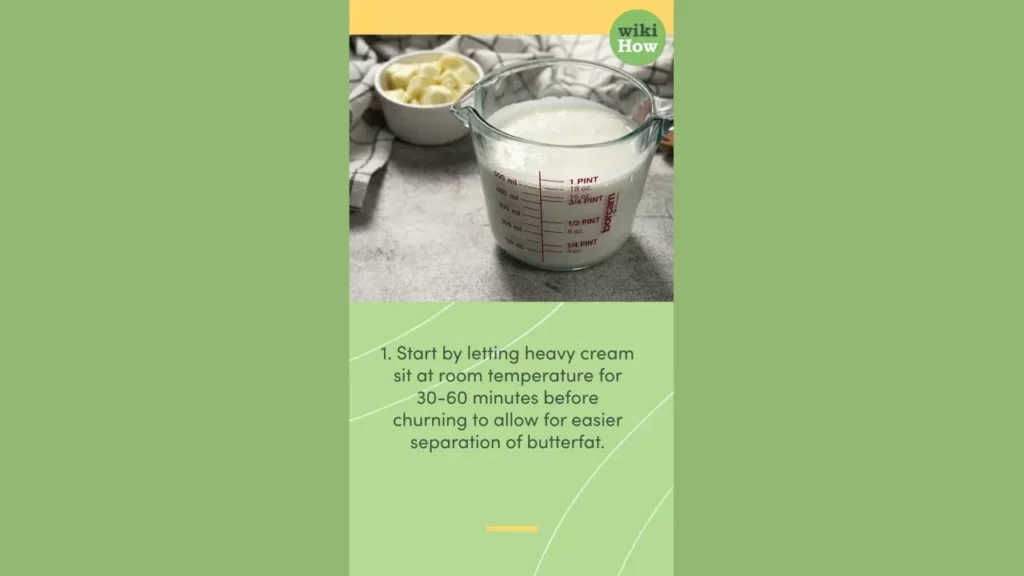
This lesson teaches you how to make your own butter at home through a simple three-step process: preparing heavy cream, churning it until it separates into butterfat and buttermilk, and then rinsing and kneading the butter to remove excess liquid. It highlights the fun and rewarding nature of this activity, along with some interesting facts about butter’s history and nutritional benefits. Making butter can be a delightful experience to share with family or friends while enjoying the fresh taste of your homemade creation.
How To Make Homemade Ravioli
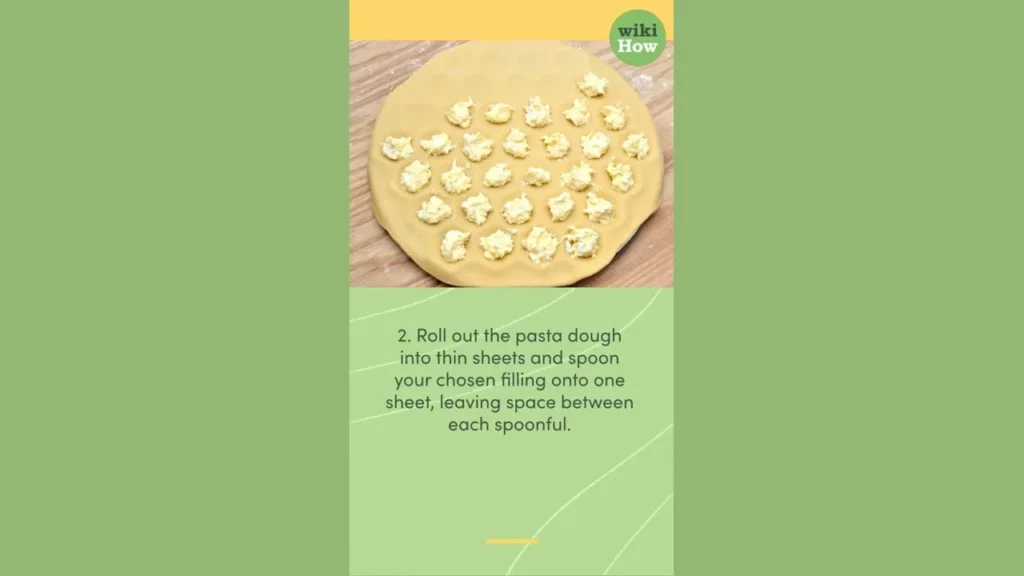
In this lesson, you will learn how to make homemade ravioli from scratch by following three simple steps: preparing the pasta dough, rolling it out, and sealing and cutting the ravioli. You’ll also discover tips for achieving the perfect texture and flavor, including creative filling ideas and cooking techniques. Enjoy the rewarding experience of creating delicious pasta to share with family and friends!
How To Write a Descriptive Essay

This lesson teaches how to write a descriptive essay by emphasizing the importance of choosing a meaningful topic and engaging the five senses to create vivid imagery for the reader. It outlines the structure of a well-organized essay, including a captivating introduction, detailed body paragraphs, and a strong conclusion, while also providing additional tips for using vivid language and creativity. By applying these techniques, writers can craft engaging and memorable descriptive essays.
How To Make Vegan Mayo
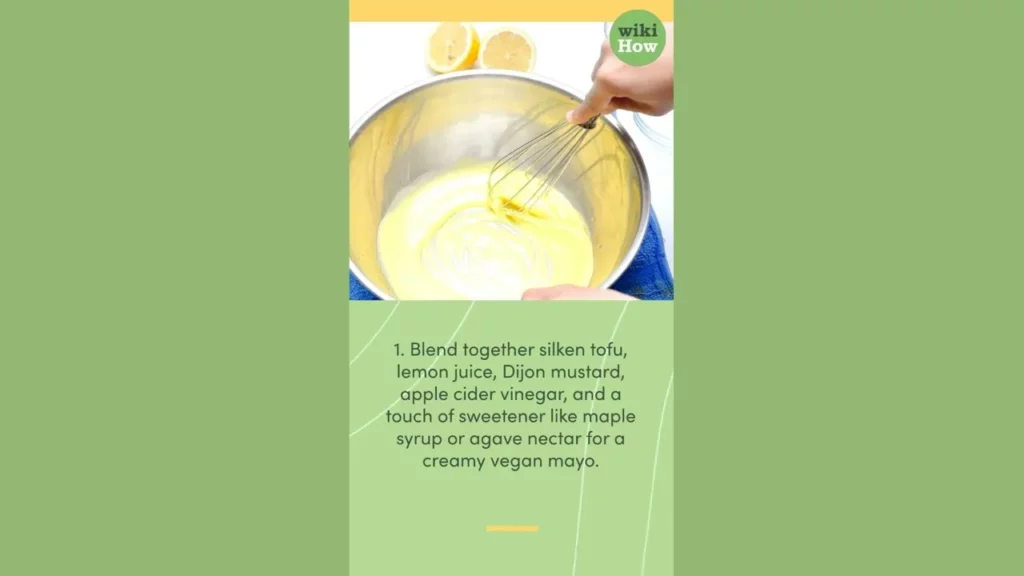
In this lesson, you will learn how to make creamy and delicious vegan mayonnaise at home using simple ingredients like silken tofu, lemon juice, and neutral-flavored oil. The process involves blending the base ingredients, emulsifying with oil, and seasoning to taste, allowing for customization with various herbs and spices. This versatile vegan mayo can be used in sandwiches, dips, or salad dressings, making it a healthy alternative to traditional mayonnaise.
How To Make Strong Coffee
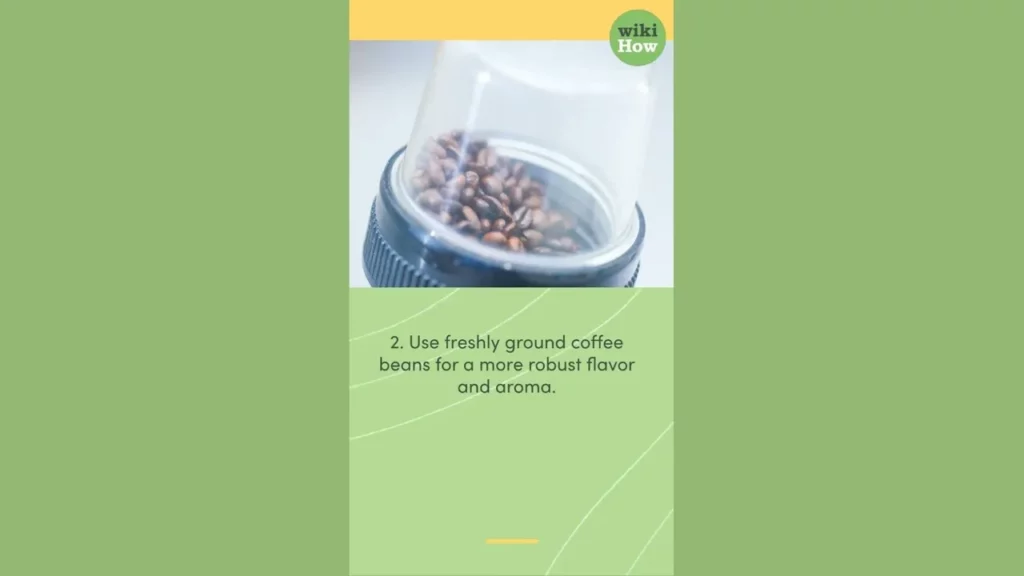
This lesson provides practical tips for brewing a stronger cup of coffee, emphasizing the importance of adjusting the coffee-to-water ratio, using freshly ground beans, and selecting a darker roast. Additional suggestions include experimenting with different brewing methods, properly storing coffee, and using quality water to enhance flavor. With these techniques, coffee lovers can create a bolder and more flavorful coffee experience.
How To Season Collard Greens
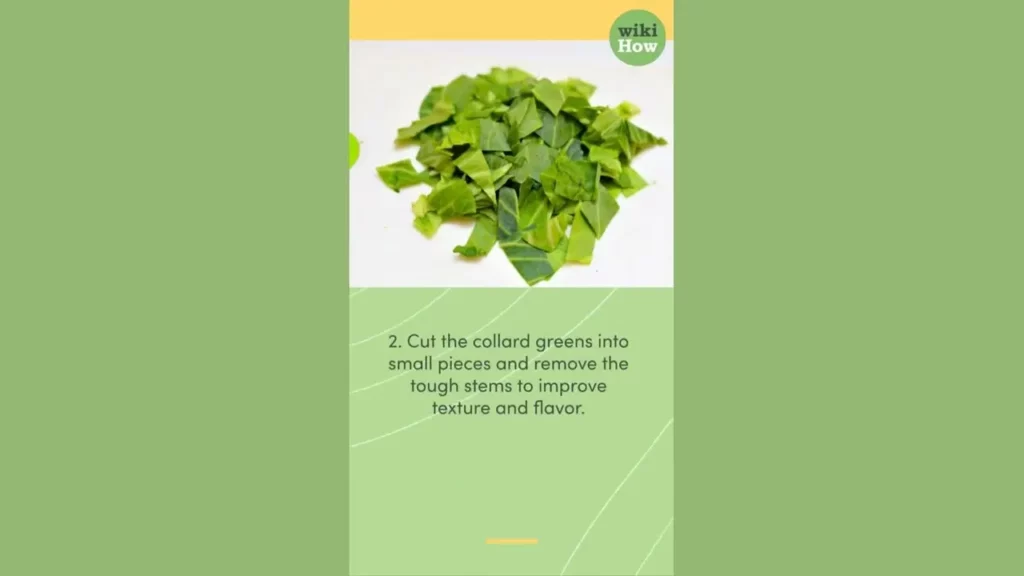
This lesson provides a step-by-step guide on how to prepare delicious collard greens, starting with cleaning and cutting the leaves, followed by adding flavorful ingredients like bacon, onions, and garlic. It emphasizes enhancing the dish with a splash of vinegar or hot sauce and offers extra tips for experimenting with different flavors and cooking techniques. By following these instructions, you can create a tasty and healthy meal.
How To Make Brown Sugar Glaze
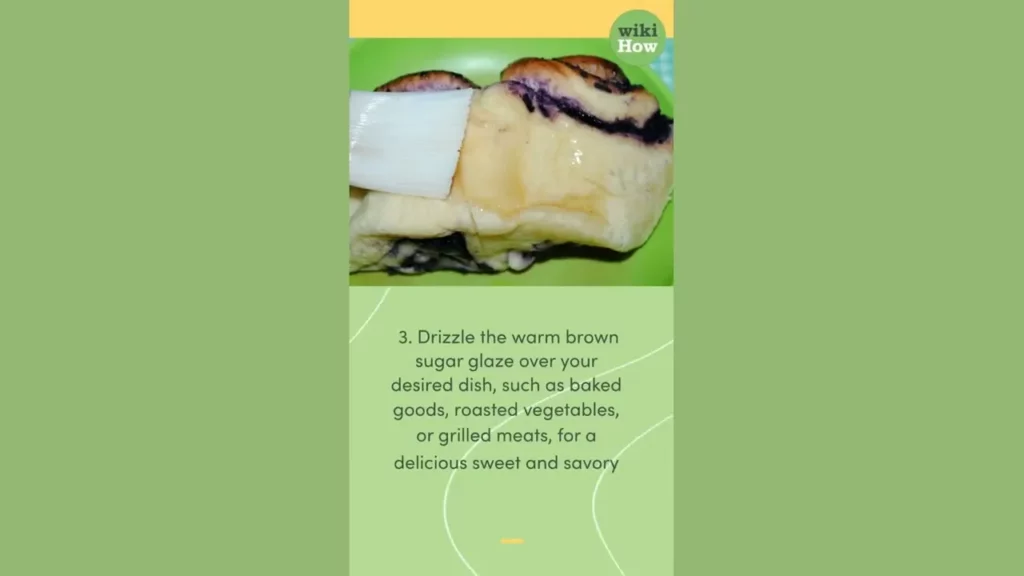
In this lesson, you will learn how to create a delicious brown sugar glaze using just a few simple ingredients: brown sugar, butter, water, salt, and vanilla extract. The process involves melting and mixing these ingredients in a saucepan until smooth, resulting in a sweet and savory glaze that can enhance various dishes, from baked goods to grilled meats and roasted vegetables. Enjoy experimenting with this versatile glaze to elevate your meals!
How To Saute Onions and Peppers
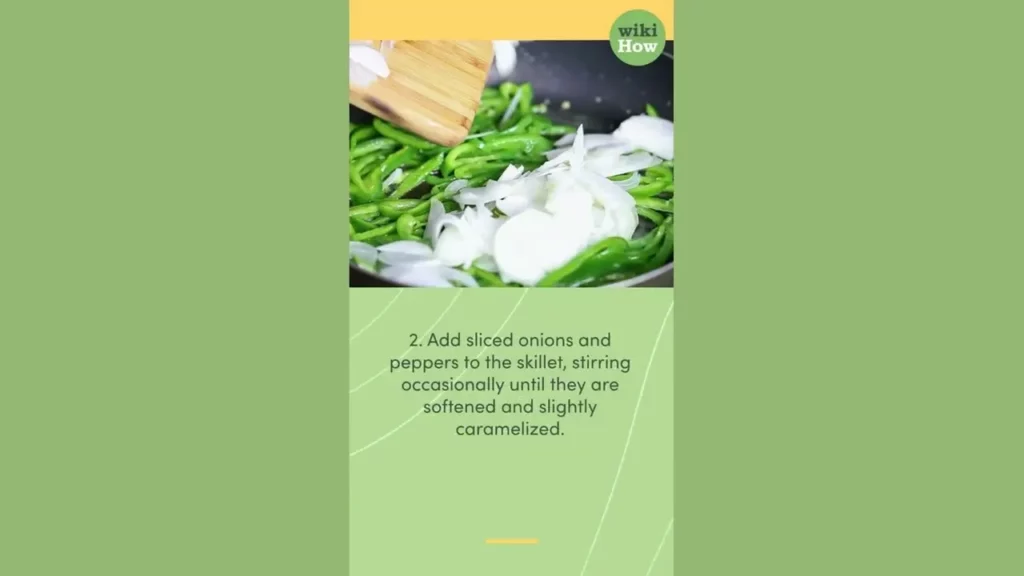
In this lesson, you will learn how to sauté onions and peppers to achieve a delicious, caramelized flavor. The process involves heating a skillet, adding olive oil or butter, cooking the sliced vegetables until soft and slightly brown, and seasoning them with salt, pepper, and your favorite herbs. This simple technique not only enhances the taste of the veggies but also makes them a versatile addition to various dishes.
How To Season Salmon for Grilling
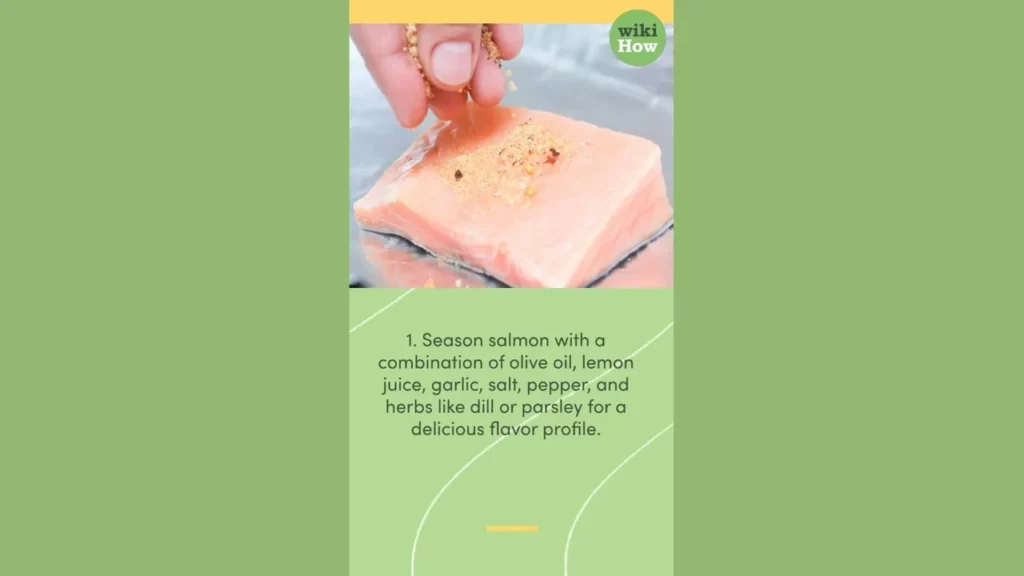
This lesson provides essential tips for seasoning salmon before grilling to enhance its flavor. It emphasizes the importance of using olive oil, lemon juice, salt, pepper, and fresh herbs for basic seasoning, as well as the option to create a flavorful marinade with ingredients like soy sauce and honey. Additionally, it highlights the need to let the salmon rest after seasoning to allow the flavors to penetrate, and offers grilling tips for achieving perfectly cooked salmon.
How To Tell when a Watermelon Is Ready to Pick
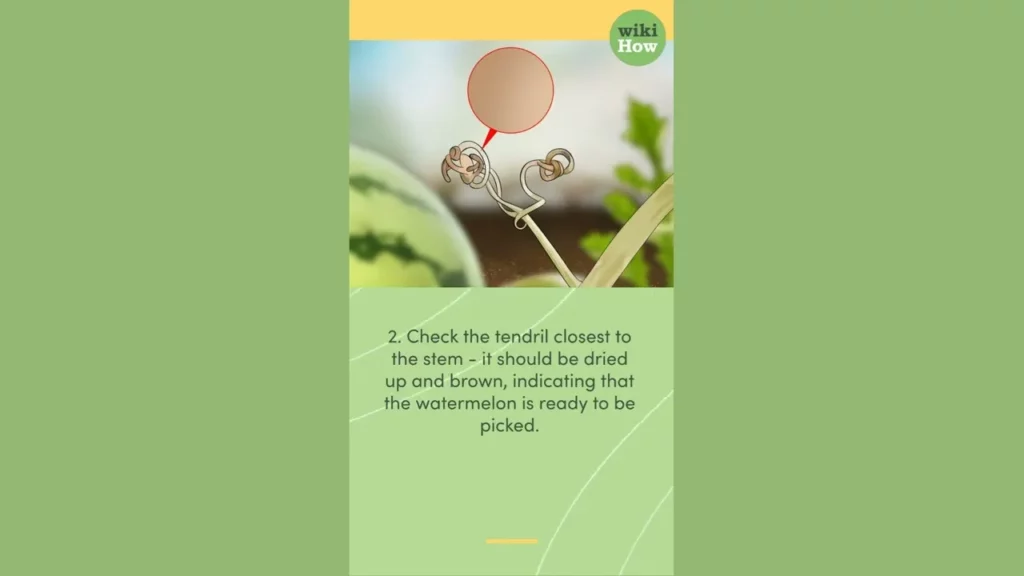
This lesson provides simple tips for determining when a watermelon is ripe and ready to pick. Key indicators include looking for a creamy yellow spot on the bottom, checking for a dried and brown tendril near the stem, and listening for a hollow sound when tapping the fruit. With these techniques, you can confidently select a juicy watermelon to enjoy!