
Computer Science at the G20
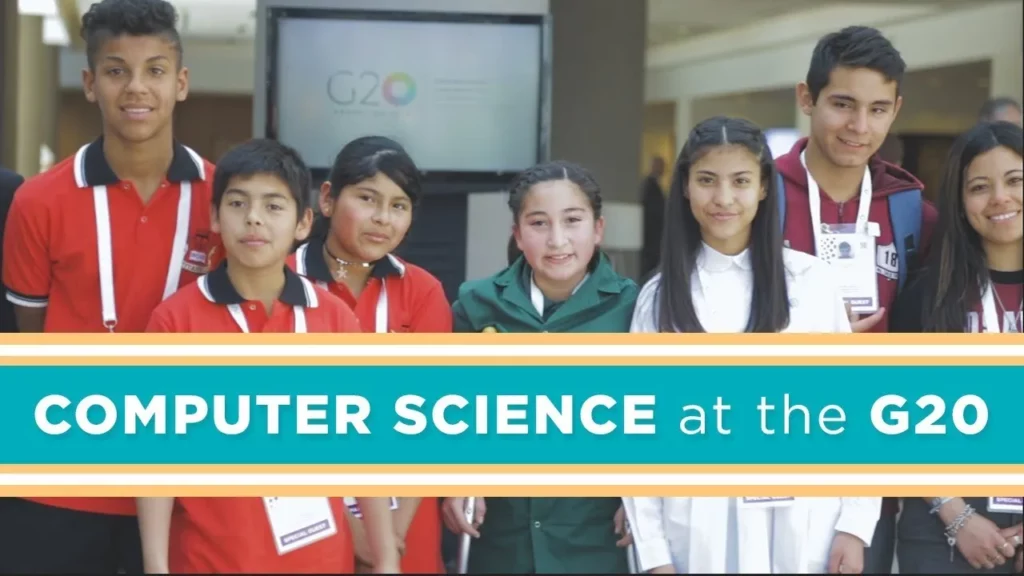
The lesson highlights the significance of computer science education, exemplified by the 2018 G20 summit where rural Argentine students taught international ministers coding basics. It emphasizes that computer science fosters essential skills like computational thinking, which can be applied beyond technology, and advocates for its inclusion in school curricula to prepare students for a rapidly evolving world. Organizations like Code.org are leading efforts to ensure that all students have access to these valuable learning opportunities.
How to: UK Hour of Code
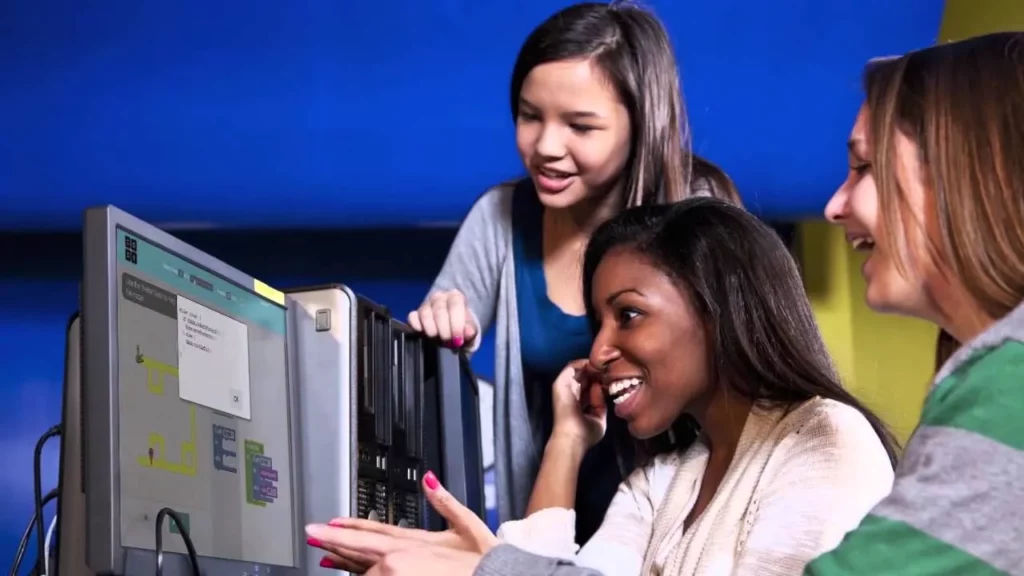
The Hour of Code is an accessible and enjoyable introduction to computer science, designed for individuals of all skill levels, including complete beginners. Participants can choose from a variety of self-guided tutorials or engage in unplugged activities, allowing them to learn at their own pace and explore coding concepts creatively. This initiative not only highlights the growing importance of computer science in today’s job market but also fosters problem-solving skills and teamwork among learners.
CS in Algebra: Big Game Booleans
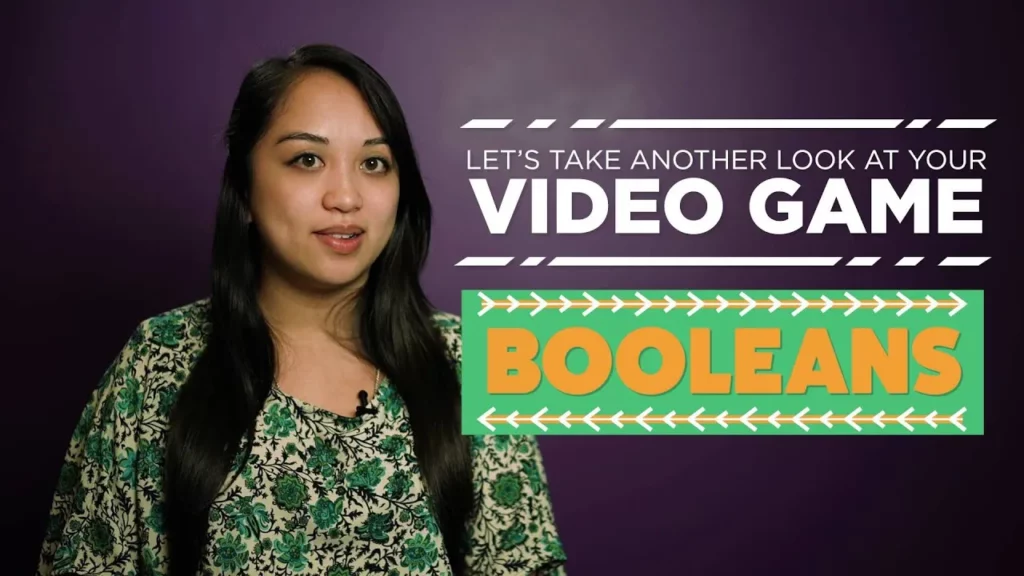
In this lesson, students learn how to use Booleans to keep characters in their video game moving across the screen without disappearing. By creating functions to check if characters are within the screen boundaries, they can ensure that characters reappear on the opposite side when they go off-screen. This lesson builds on previous concepts and enhances the gameplay experience by incorporating logical decision-making through Booleans.
Star Wars – Hour of Code: Events
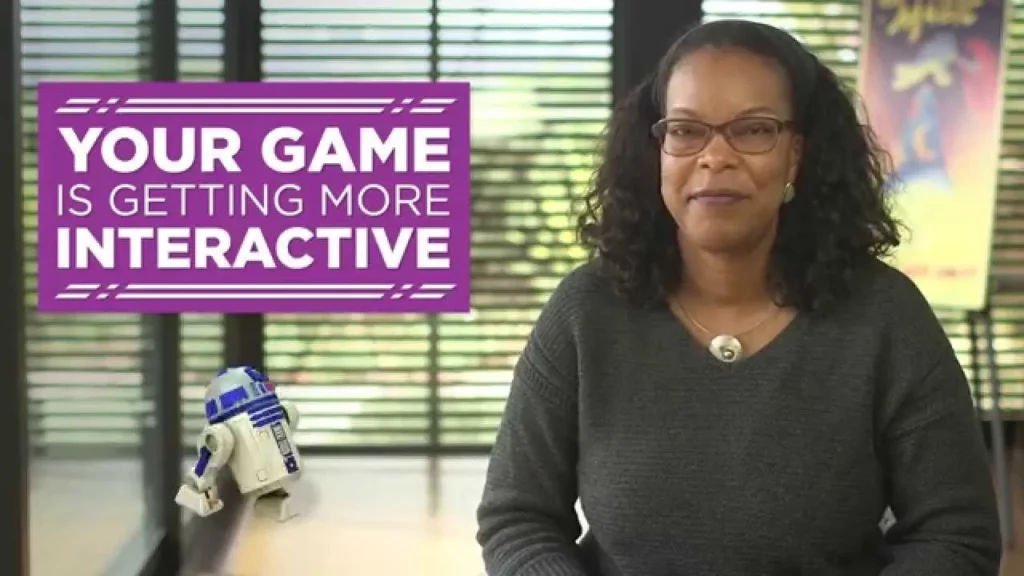
In this lesson, Sharita Carter introduces the concept of events in programming, which are signals that trigger specific actions in response to user inputs, such as key presses. Students learn how to implement events to control the movements of R2-D2 in a game, using commands that respond to the up and down arrow keys. By understanding and utilizing events, learners can create more interactive and engaging gaming experiences.
CSC: Coding Book Covers

In this lesson, Sasha Arya Alston introduces the concept of creating interactive digital book covers using the coding tool Sprite Lab. Students will learn to design characters, or Sprites, that can be customized and made to interact, enhancing the appeal of their book covers. The lesson emphasizes the importance of a captivating book cover in attracting readers and encourages creativity in coding and design.
CS in Algebra: Big Game Booleans
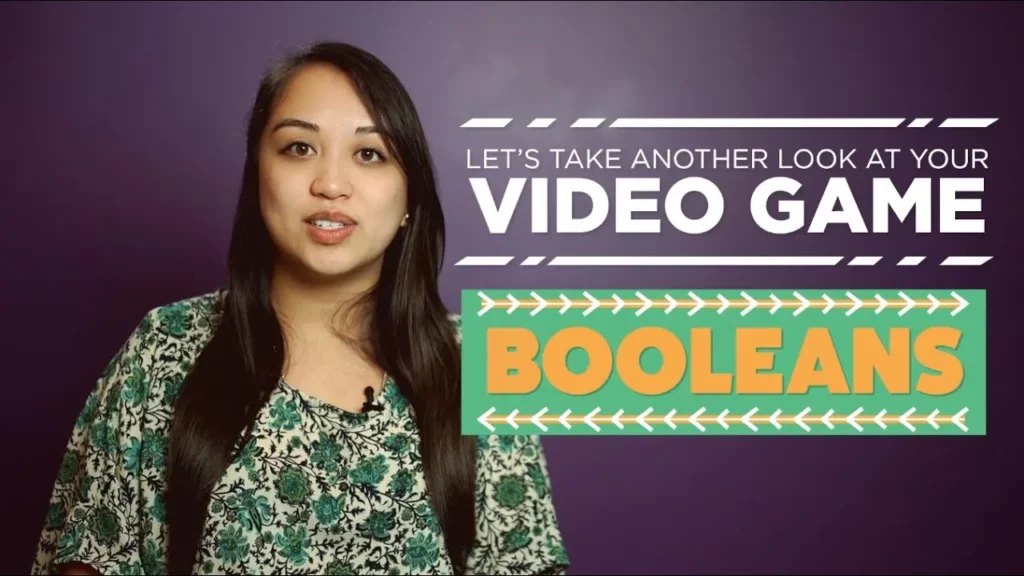
In this lesson, students learn how to use booleans to manage the movement of sprites in their video game project, ensuring that target and danger sprites reappear on the screen after moving off it. By creating functions to check if the sprites are “safe left” or “safe right,” students can implement an on-screen function that resets the sprites to the opposite side when they go off-screen, enhancing the game’s dynamics and playability.
CS for Good – Change the World
The lesson “CS for Good – Change the World” emphasizes that individuals, regardless of their perceived size or impact, can make a difference by taking small steps towards addressing global challenges. By learning to code and leveraging technology, participants can create solutions for community problems, empower others with digital skills, and innovate in areas like health and agriculture, ultimately contributing to a better and more sustainable world. The key takeaway is that everyone has the potential to effect change through their skills and actions.
CSP: Conditionals part 2a
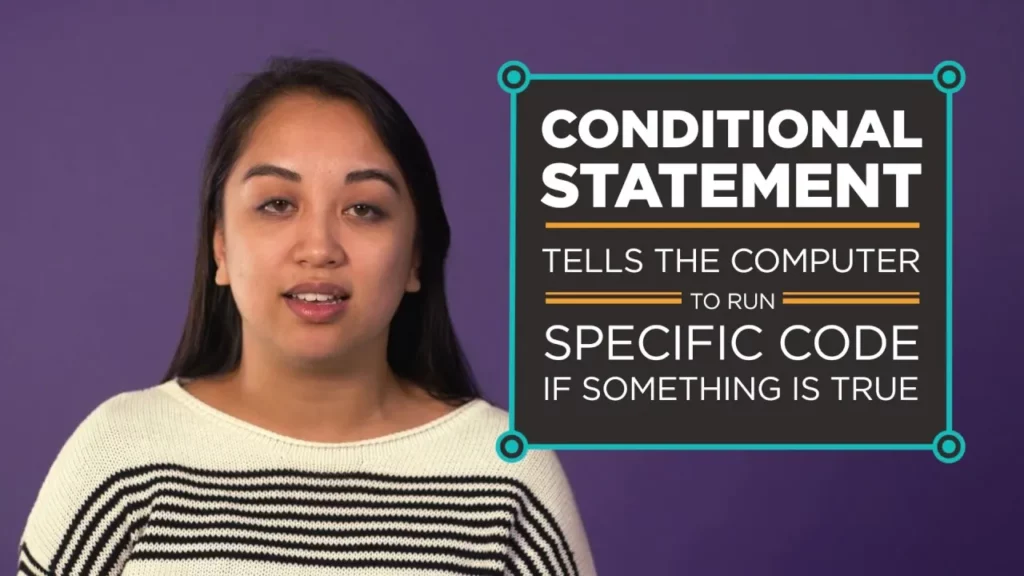
In this lesson on conditionals, we explored how “if” and “else” statements enable computers to make decisions based on varying conditions, similar to how we make choices in our daily lives. The “if” statement executes a task when a specified condition is true, while the “else” statement provides an alternative action when the condition is false. By utilizing these conditional statements, programmers can create more dynamic and responsive applications, enhancing the interactivity of their programs.
CS in Algebra: Big Game Collision Detection
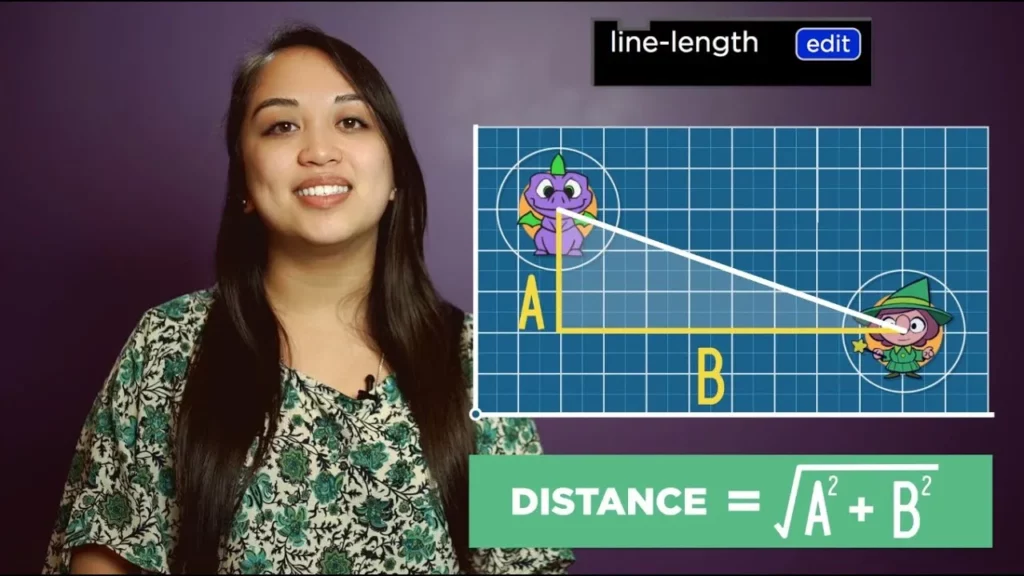
In this lesson on collision detection in game design, students learn how to determine when game sprites, or characters and objects, come into contact with each other. By calculating the distance between the center points of sprites using a line length function, students can update the collide function to trigger specific game responses, such as scoring points or facing penalties, thereby enhancing the interactivity and excitement of the game.
Facilitator Tips: What is the Deep Dive Workshop?
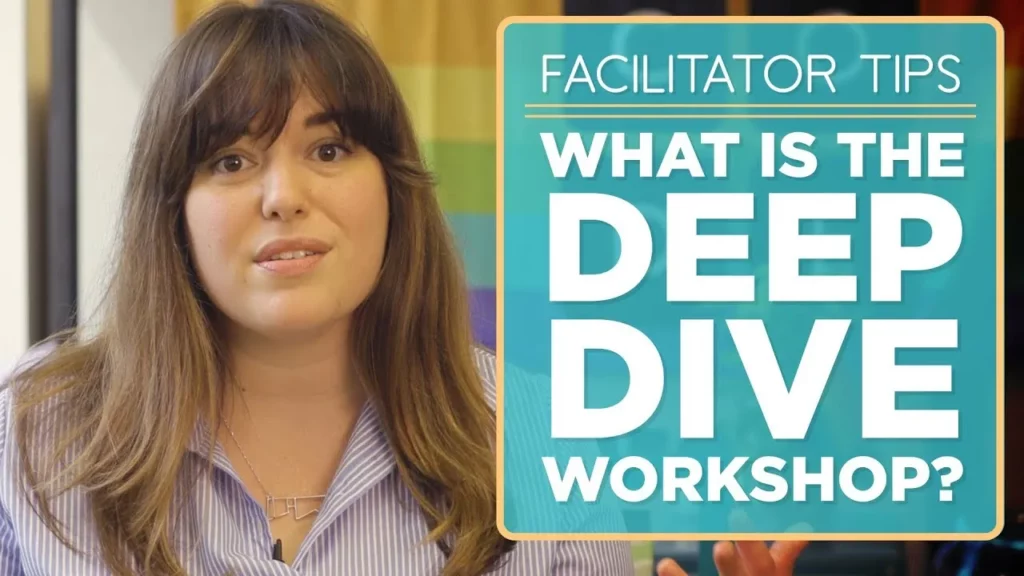
The Deep Dive Workshop by Code.org is designed for educators already teaching the CS Fundamentals course, focusing on overcoming classroom challenges and enhancing teaching practices. The workshop includes identifying barriers, exploring curriculum and instructional strategies, and planning for effective implementation, allowing teachers to collaborate and develop actionable plans tailored to their students’ needs. Participants gain hands-on experience and insights to foster an inclusive learning environment while addressing real-life challenges in their classrooms.