
The Smallest Planets In The Solar System – 3D Solar System For Kids
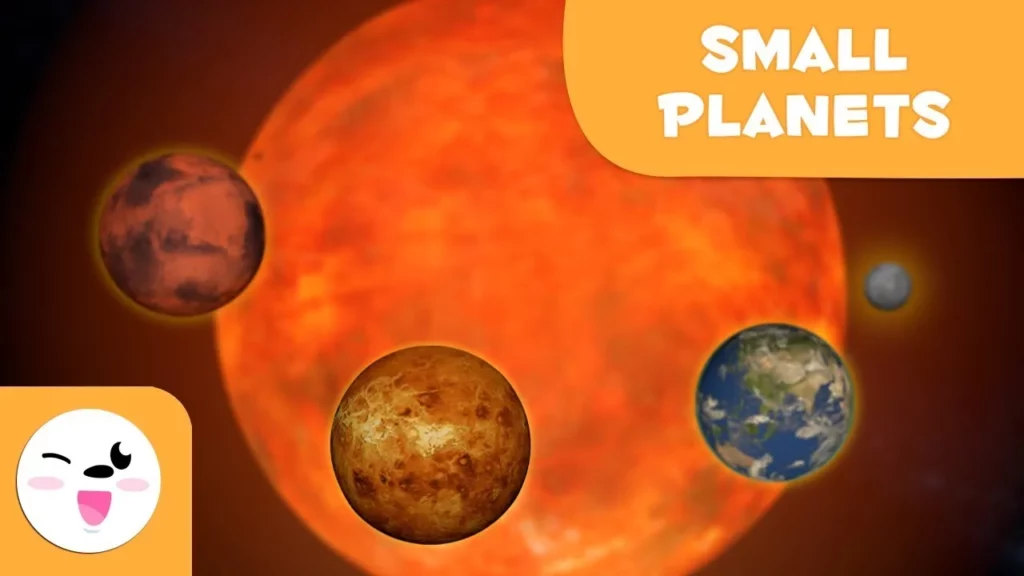
In this lesson, students embark on an exciting journey through the solar system, focusing on the smallest planets: Earth, Venus, Mars, and Mercury. They learn about Earth’s unique features, such as its ability to support life and its rotation and revolution around the Sun, as well as interesting facts about Venus, Mars, and Mercury, including their atmospheres, geological characteristics, and historical significance in astronomy. The lesson emphasizes the importance of exploration and discovery in understanding our solar system.
Parts Of The Plant for kids – Plant Characteristics
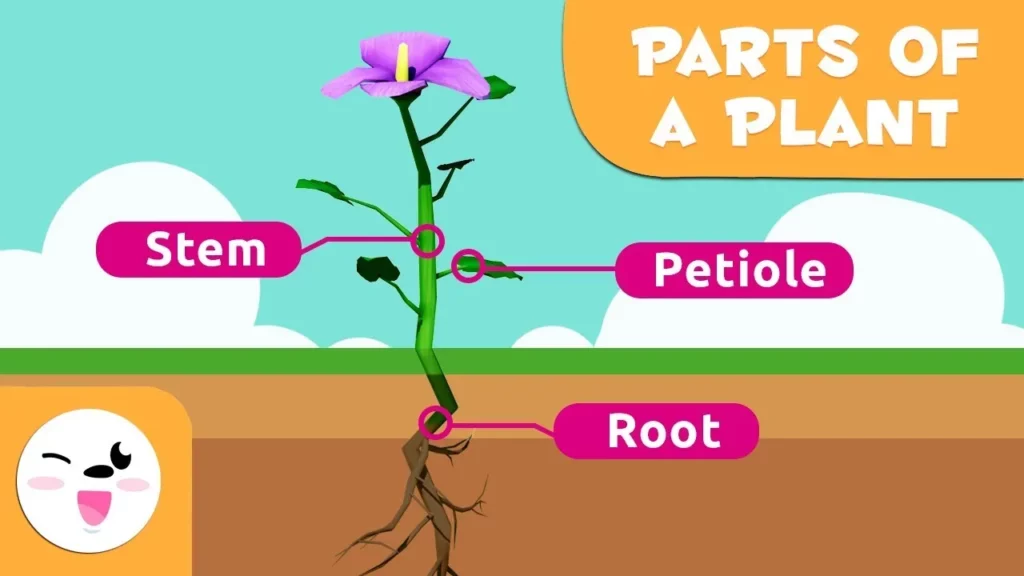
In this lesson, we explored the different parts of a plant and their functions. Roots anchor the plant and absorb water and nutrients, the stem transports these resources and supports the plant, leaves facilitate photosynthesis and respiration, and flowers are essential for reproduction by producing seeds. Each part plays a vital role in helping the plant grow and thrive.
My First Letters – Occlusive Consonants (P, T, K, B, D, G) – Phonics For Kids
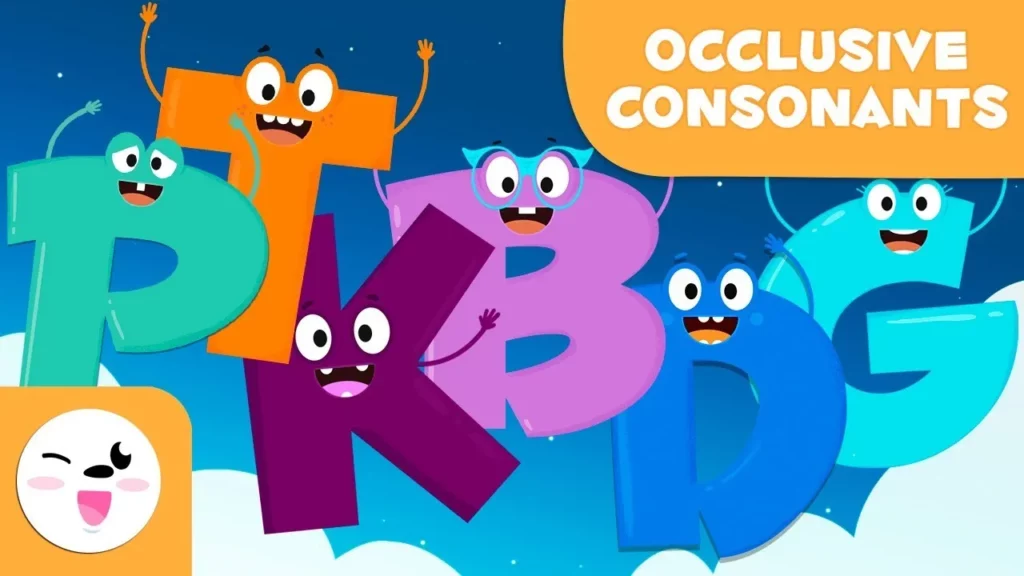
In today’s lesson, we explored the consonants B, D, G, K, P, and T, learning how to write each letter and identifying words that begin with them. Each letter was creatively associated with fun images, such as a bear for B and a penguin for P, making the learning process engaging and memorable. Keep practicing these letters, and you’ll become a letter expert while having fun!
Means Of Transport For Children – Land, water and air transport for kids
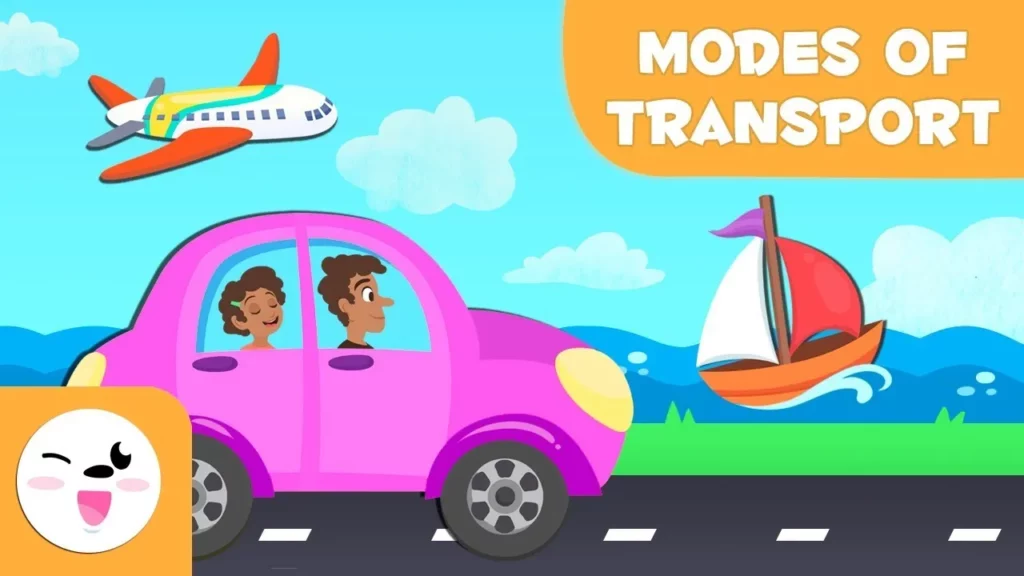
In this lesson, children learn about various means of transportation categorized into three main types: land, water, and air. The lesson introduces different vehicles within each category, such as bikes, cars, boats, and planes, while emphasizing safety and the unique features of each mode of transport. By the end, students are encouraged to reflect on their favorite way to travel and share their thoughts with friends.
Fish for kids – Vertebrate animals – Natural Science For Kids
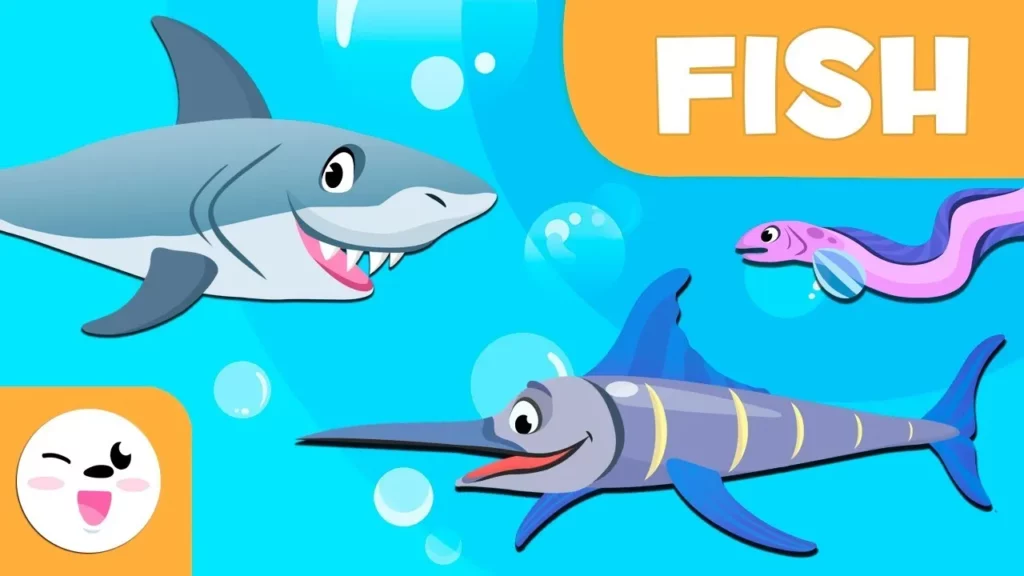
In this lesson, children learn about fish as unique vertebrate animals that inhabit both fresh and saltwater environments. Key characteristics of fish include their oviparous reproduction, gills for breathing, cold-blooded nature, and protective scales. The lesson also highlights the fascinating migratory journeys of certain fish species and encourages kids to think of different types of fish to enhance their understanding.
The oddest planets of the Solar System – The Solar System For Kids
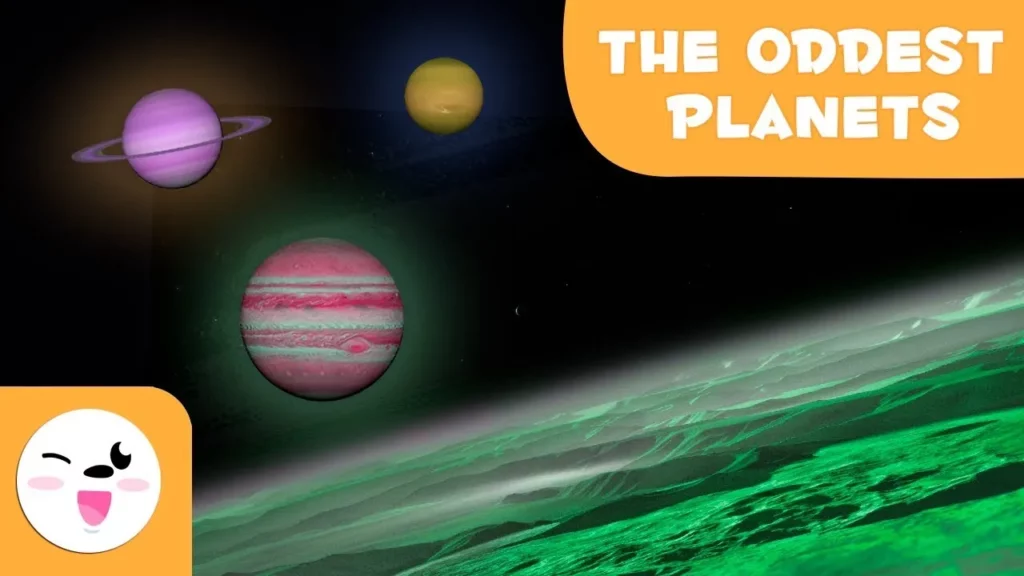
In this lesson, students embark on an exciting journey through the solar system, exploring four fascinating planets: Neptune, Saturn, Jupiter, and Mars. They learn about Neptune’s extreme cold and unique atmosphere, Saturn’s iconic rings and fast winds, Jupiter’s massive size and stormy features, and Mars’ red color and volcanic activity. The lesson encourages curiosity and further exploration of the wonders of our solar system.
My First Letters – Fricative (Spirant) Consonant Sounds (S, F, V, TH, Z) – Phonics For Kids
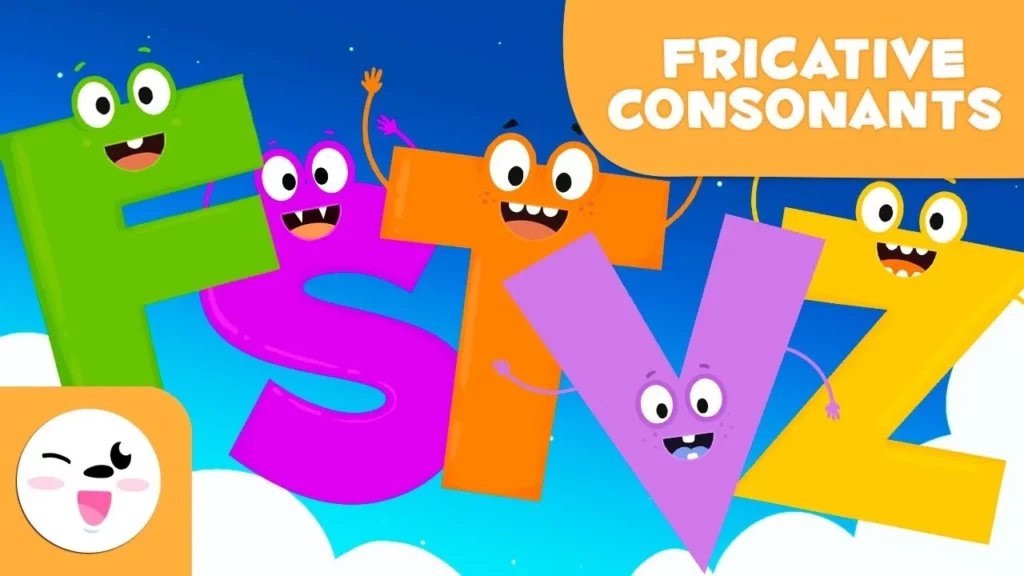
In today’s lesson, we explored the sounds and writing of five letters: F, S, T, V, and Z. Each letter was introduced with its corresponding sound, fun writing instructions, and examples of words that begin with each letter. The lesson emphasized engaging activities to help students practice both the sounds and the formation of the letters.
The largest planets in the Solar System – The Solar System For Kids
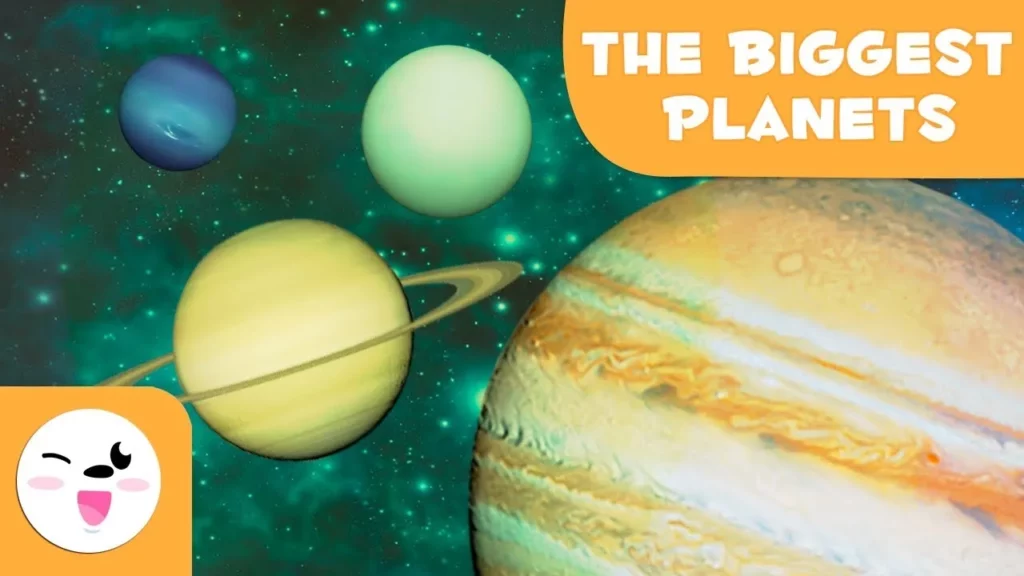
In this lesson, students explore the largest planets in our solar system: Jupiter, Saturn, Uranus, and Neptune. They learn about each planet’s unique characteristics, such as Jupiter’s Great Red Spot and fast rotation, Saturn’s stunning rings, Uranus’s unusual sideways rotation, and Neptune’s cold, blue atmosphere. The lesson encourages curiosity and further exploration of the universe.
Amphibians for kids – Vertebrate animals – Natural Science For Kids
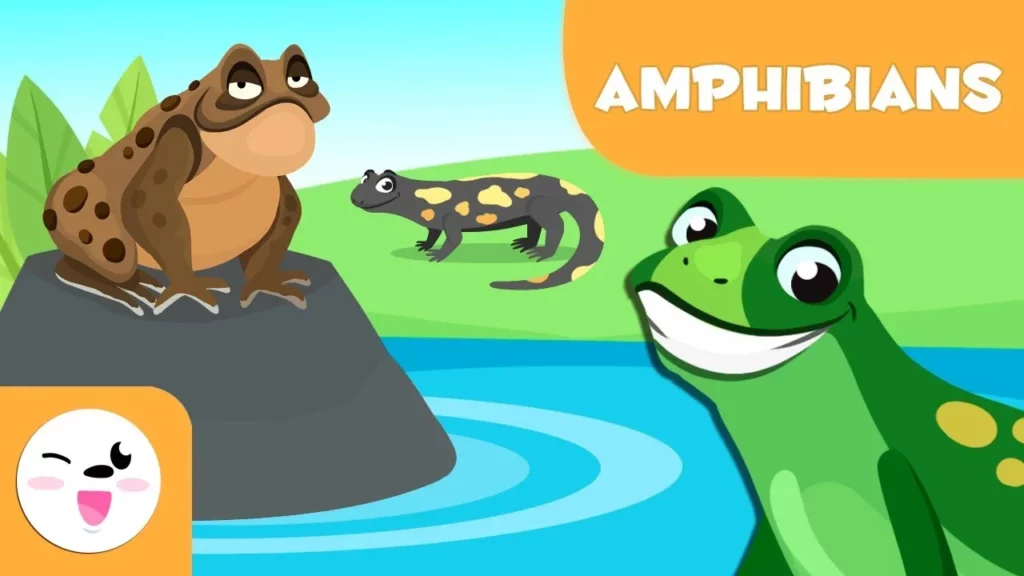
In this lesson, kids learn about amphibians, unique vertebrate animals that are born from eggs and begin their lives in water using gills. As they grow, they undergo metamorphosis, developing legs and transitioning to breathing with lungs, allowing them to live both in water and on land. The lesson highlights that amphibians are cold-blooded and encourages children to explore and name different types of amphibians.
Learn Fruits And Vegetables – Vocabulary For Kids
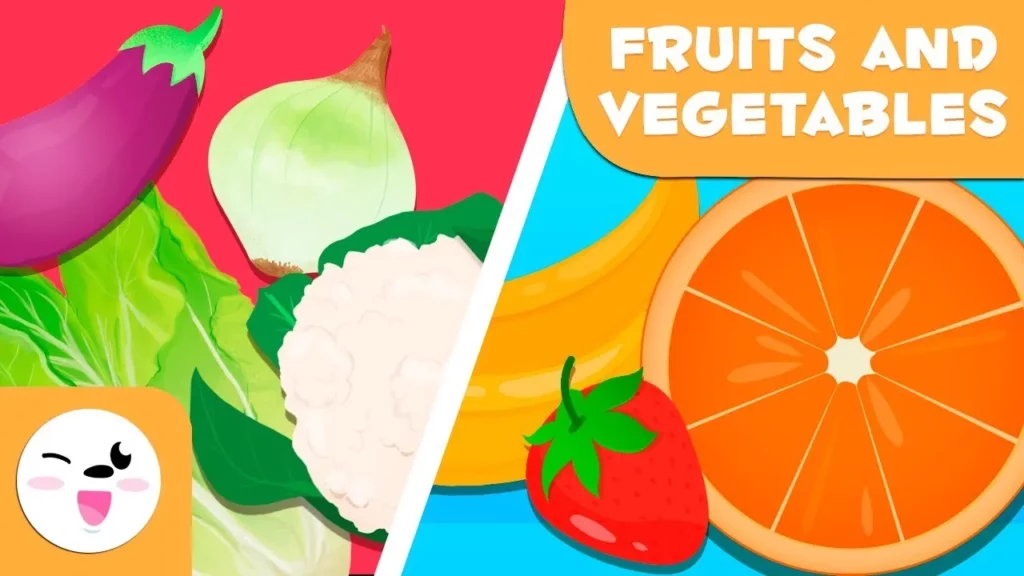
In this lesson, Willy Wood introduces children to various fruits and vegetables, emphasizing their importance for health and nutrition. The lesson includes fun descriptions and interactive prompts for kids to learn the names and characteristics of different fruits like oranges, apples, and bananas, as well as vegetables such as spinach, carrots, and broccoli. The goal is to make learning about healthy foods enjoyable and encourage kids to explore and try new fruits and vegetables.