
One Urban Legend from Each State: Indiana #funfact #history #indiana #urbanlegend
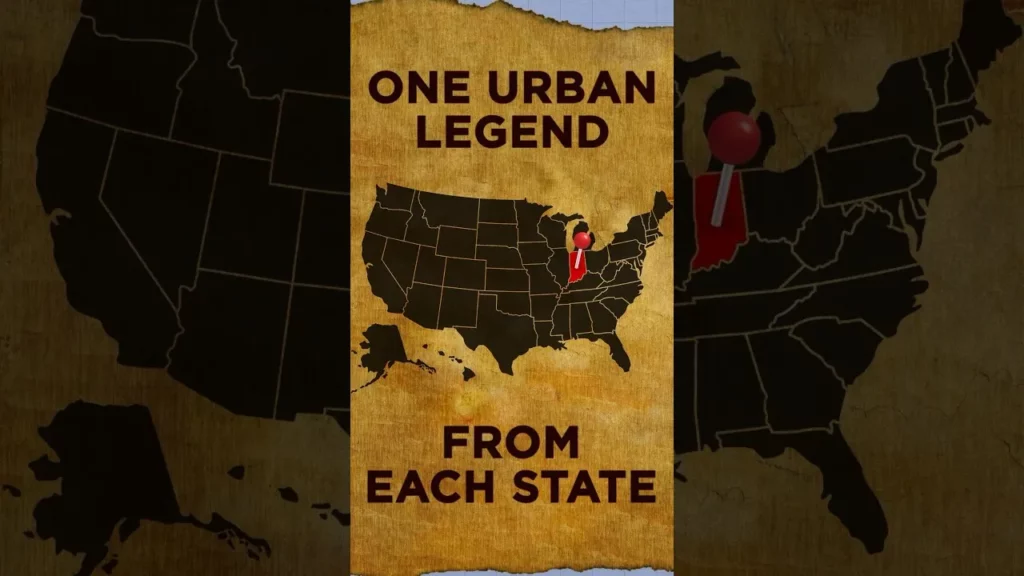
This lesson explores intriguing urban legends from Indiana, highlighting the blend of humor and mystery in cultural storytelling. It features the amusing tale of a tourist inadvertently caught in the Indy 500 race and the superstition surrounding rabbits on the track, as well as the eerie story of the House of the Blue Lights, where a wealthy man supposedly kept his deceased wife in a glass coffin. These legends, while not necessarily true, reflect the unique history and imagination of Indiana, showcasing how urban legends captivate our curiosity.
44 Fun Facts about Birds Show Ep. 440

In this lesson, Mik Retto explores the fascinating world of birds, sharing 44 fun facts that highlight their unique behaviors, adaptations, and roles in the ecosystem. From the historical significance of the Archaeopteryx to the impressive vision and dietary habits of various species, the lesson emphasizes the diversity of bird life and their intriguing interactions with humans and the environment. Additionally, it touches on cultural references and the remarkable abilities of birds, such as the migratory feats of the Bar-tailed Godwit and the communication skills of the Budgerigar.
29 Weird Museums (Ep.210)
In this lesson, John Green takes us on a whimsical tour of some of the world’s most unusual museums, highlighting their quirky themes and unique collections. From the Museum of Bad Art in Massachusetts to the Icelandic Phallological Museum, each location offers a fascinating glimpse into niche interests, showcasing everything from barbed wire to ventriloquist dummies. This exploration emphasizes the diversity of human creativity and the joy of celebrating the unconventional.
Misconceptions about Makeup (Ep. 16)

In this lesson, Elliott addresses common misconceptions about makeup, emphasizing the importance of proper techniques and skincare practices. Key points include testing foundation on the neck for a better match, the prevalence of adult acne, the necessity of regularly cleaning makeup brushes, and the misconception that skin “breathes.” Additionally, he highlights that men do wear makeup, advises against using soap for facial cleansing, and warns against the dangers of popping pimples and pumping mascara.
Misconceptions Bloopers (Ep.6.5)
The lesson “Misconceptions Bloopers: Fun Facts and Myths” explores common misunderstandings, such as the classification of tomatoes as fruits rather than vegetables, and the myth that cats love milk despite many being lactose intolerant. It also highlights humorous misconceptions, like the belief that water spins differently in different hemispheres and the false idea that hitting someone on the head can help them remember things. The lesson encourages curiosity and critical thinking about widely held beliefs.
32 Facts about New York City Show Ep. 418

In this lesson, Mike Rugnetta shares 32 fascinating facts about New York City, highlighting its rich history, diverse culture, and unique landmarks. From the significant role of Ellis Island in immigration to the quirky origins of neighborhood names and the vibrant arts scene, the lesson showcases the city’s character and charm. Additionally, it touches on interesting anecdotes, such as the first pedestrian car accident and the origins of Salsa music in the Bronx, inviting participants to engage and share their own NYC experiences.
How does a two-way mirror work? – Big Questions – (Ep. 24)

This lesson explains the functioning of two-way mirrors, also known as one-way mirrors, which allow light to pass through from one side while reflecting light from the other. The effectiveness of these mirrors relies heavily on the lighting conditions of the rooms on either side, with one needing to be darker than the other for visibility. Additionally, the lesson provides tips on how to identify a two-way mirror and emphasizes the importance of using them responsibly in practical applications.
Why Are Tortoises Slow? – Big Questions (Ep.6)

The lesson explains that tortoises are slow-moving creatures primarily because they are herbivores that do not need to chase their food, allowing them to take their time while eating plants. Their heavy shells, which provide protection from predators, also contribute to their slow pace, as moving cautiously helps them avoid injury. Overall, tortoises have adapted to their environment in a way that prioritizes safety and a leisurely lifestyle.
Food History: Mashed Potatoes
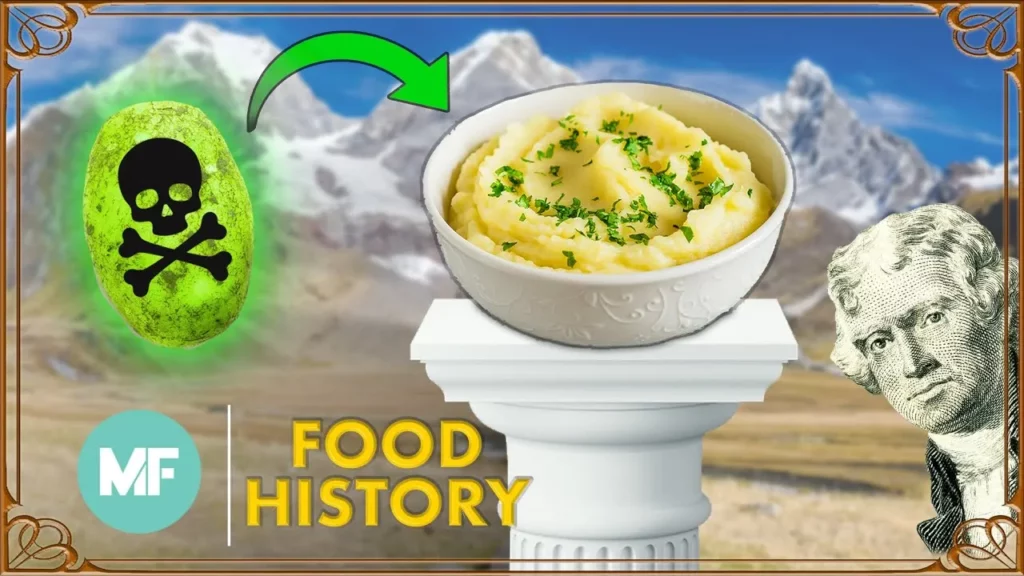
The lesson on the history of mashed potatoes highlights the journey of the potato from its origins in the Andes mountains to its acceptance in Europe, particularly in France and Ireland. It recounts how Antoine-Augustin Parmentier played a crucial role in changing perceptions of potatoes in 18th-century France, leading to the popularization of mashed potatoes. The lesson also explores the cultural significance of potatoes, their impact on agricultural science, and innovations like instant mashed potatoes, illustrating how this once-misunderstood food became a beloved staple worldwide.
Where did emojis come from? – Big Questions – (Ep. 219)
In this lesson, Craig explores the origins of emojis, tracing their evolution from simple emoticons made of punctuation marks to the colorful images we use today. He highlights the creation of the first emojis by Shigetaka Kurita in the 1990s for a Japanese mobile platform and discusses how emojis gained global popularity, leading to standardized representations managed by the Unicode Consortium. Ultimately, emojis transformed communication by allowing people to express emotions quickly and visually.