
My First Letters – Nasal Consonants (M & N) – Phonics For Kids
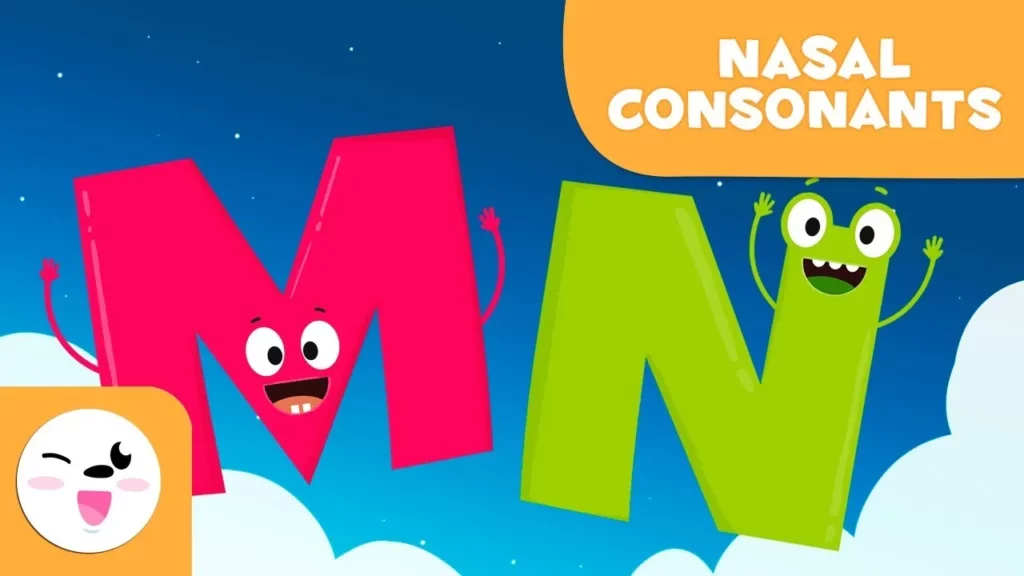
In today’s lesson, we explored the letters M and N, learning how to pronounce and write both uppercase and lowercase forms. We identified words that start with each letter, such as “motorbike” for M and “nose” for N, and engaged in fun activities like counting and singing to reinforce our learning. Overall, it was a delightful introduction to these two letters, encouraging continued exploration of the alphabet.
Recipes for kids – Tiramisu Recipe and Watermelon Shake – Learn how to cook
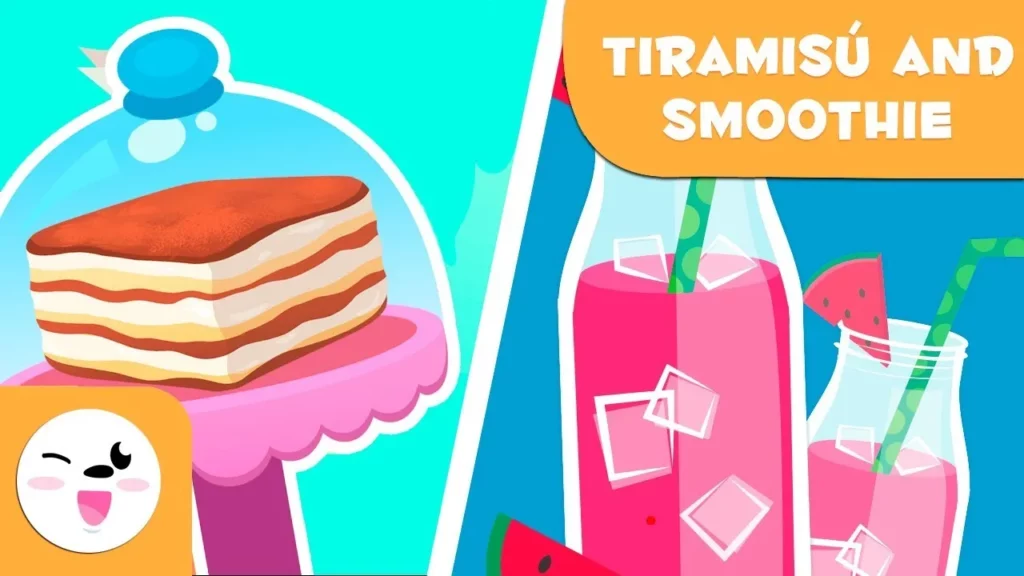
In this lesson, kids learn to make two delicious recipes: a refreshing watermelon smoothie and a classic Italian tiramisu for Grandma’s 90th birthday. The watermelon smoothie is easy to prepare with ingredients like watermelon, mint, lemon juice, soy milk, and yogurt, while the tiramisu involves layering coffee-dipped ladyfinger cookies with a creamy mascarpone mixture. Both recipes encourage creativity in the kitchen and are perfect for sharing with family and friends.
Parts Of The Human Body and Clothing for kids – English Vocabulary For Kids
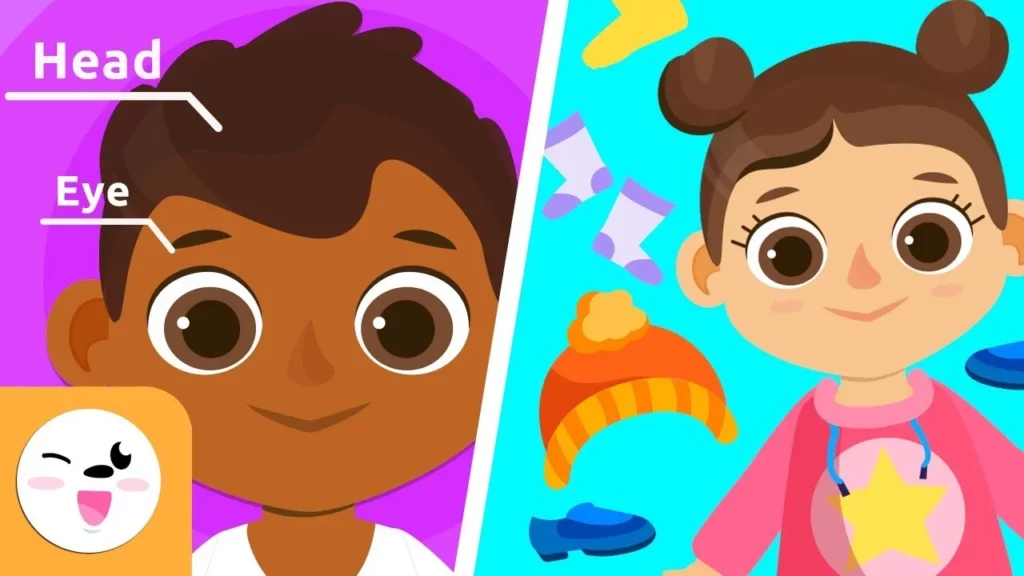
In this lesson, kids learn about the essential clothing items needed for different seasons, specifically summer and winter, while also exploring the various parts of the human body. The lesson emphasizes the importance of packing appropriate attire for activities like going to the beach or the mountains, and introduces basic body parts, highlighting their functions and the importance of taking care of our bodies through healthy habits. Overall, it combines practical knowledge about clothing with educational content about anatomy.
My First Letters – Consonants For Kids
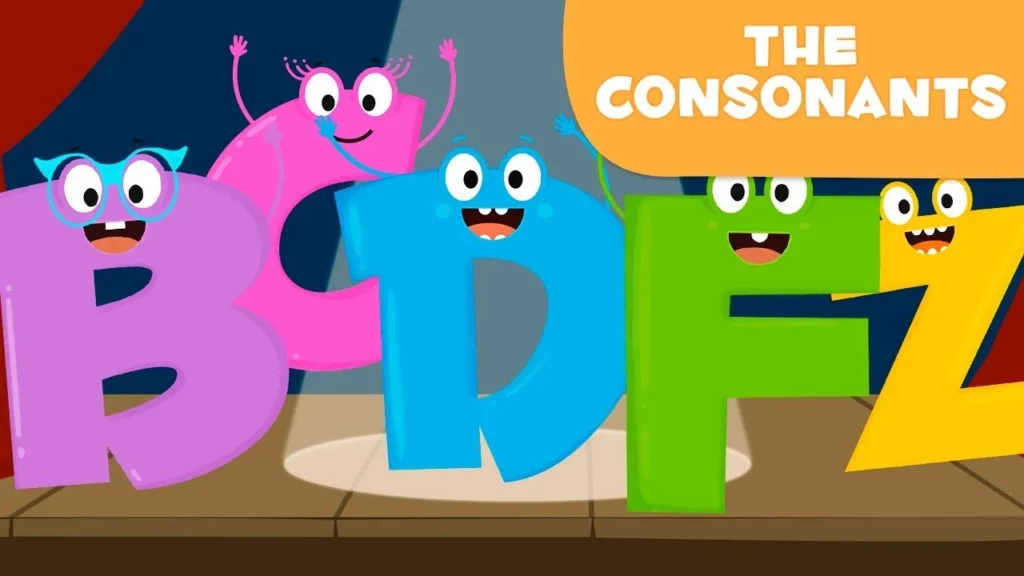
In this lesson, children are introduced to the letters B, C, D, F, G, H, J, K, L, M, N, P, Q, and R, along with their sounds and writing techniques. Each letter is associated with fun visuals and relatable words, encouraging kids to practice writing and recognize the letters in everyday language. The lesson aims to make learning consonants engaging and interactive through playful comparisons and questions.
My First Letters – Consonant Letter Sounds B and V
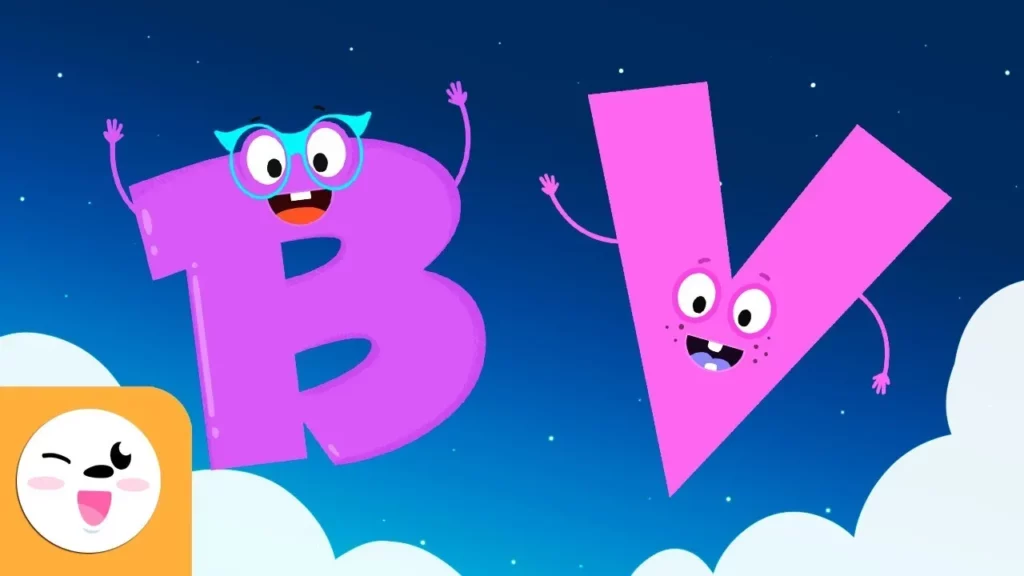
In today’s lesson, we explored the consonant sounds of the letters B and V. We learned how to write both the uppercase and lowercase forms of each letter, associating them with fun visuals and words like “baby,” “boat,” “voice,” and “vampire.” The lesson encouraged creativity and engagement through writing practice and word association, fostering a love for learning new letters.
My First Letters – Consonant Letter Sounds – Letter C and Z
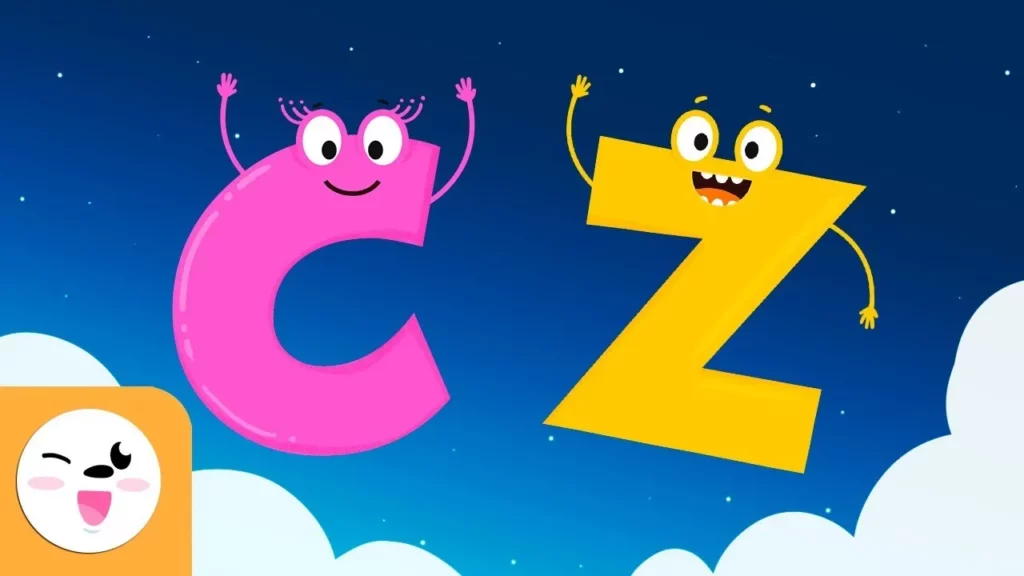
In this lesson, students are introduced to the letters “C” and “Z,” exploring their sounds, writing techniques, and words that begin with each letter. The letter “C” can produce different sounds depending on the letters that follow it, while “Z” is characterized by its zigzag shape. Through engaging examples and activities, learners are encouraged to practice writing and identifying words that start with these letters, fostering their understanding of consonant sounds.
Geometric Plane Shapes For Kids – Primary Vocabulary
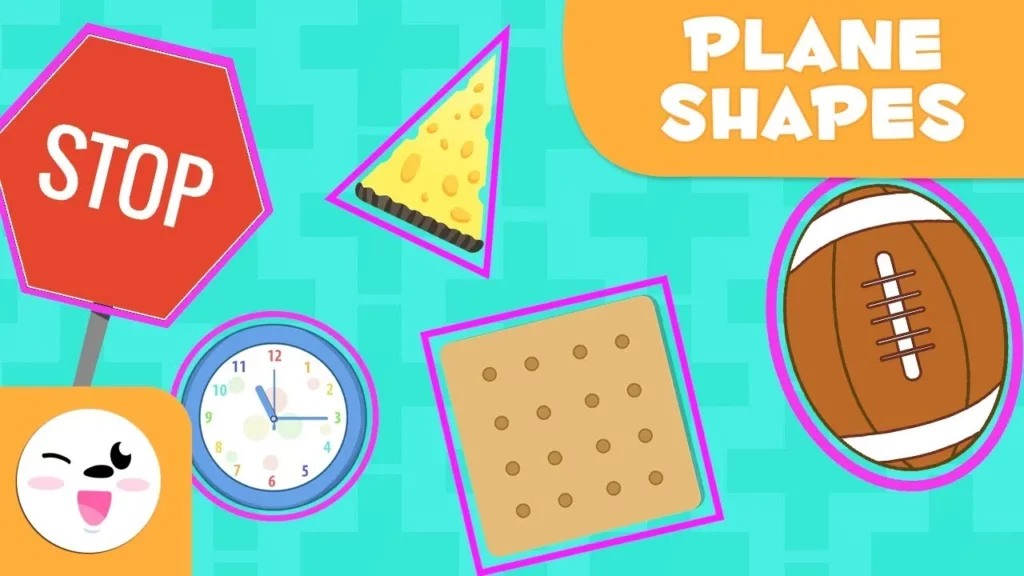
In today’s lesson, we explored various geometric plane shapes, including circles, ovals, triangles, squares, rectangles, diamonds, pentagons, and hexagons. Each shape was described with relatable examples to help kids recognize them in their surroundings. The lesson encouraged children to observe and identify these shapes in everyday objects, fostering a fun and engaging learning experience.
My First Letters – Consonant Letter Sounds G and J
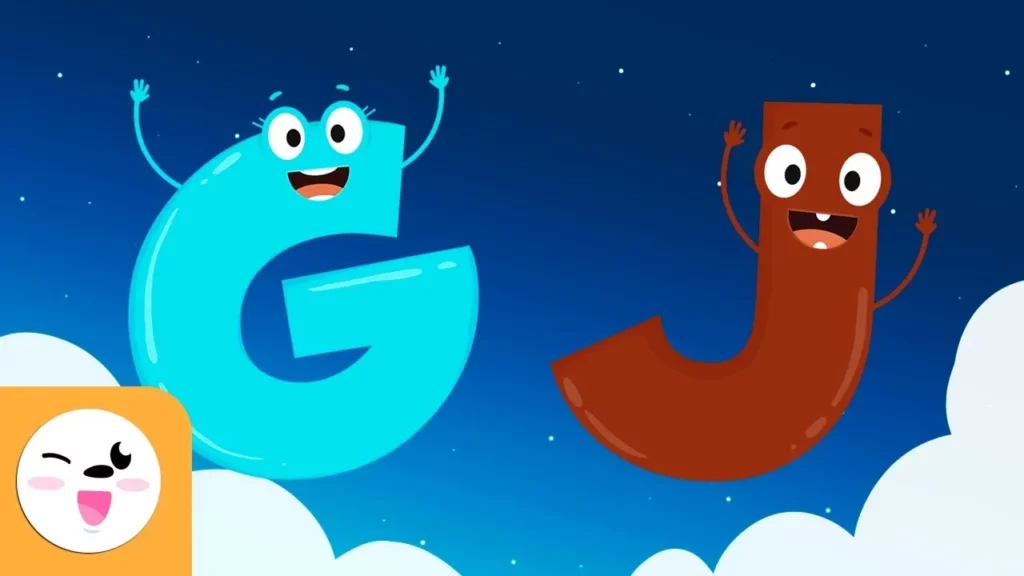
In this lesson, students are introduced to the letters G and J, focusing on their sounds and how to write them. They learn to identify words that start with each letter, such as “gorilla” for G and “jungle” for J, while also engaging in fun activities like writing practice. The lesson encourages continued exploration of the alphabet and emphasizes the joy of learning.
Human body organs for kids – Circulatory system, digestive system and respiratory system for kids
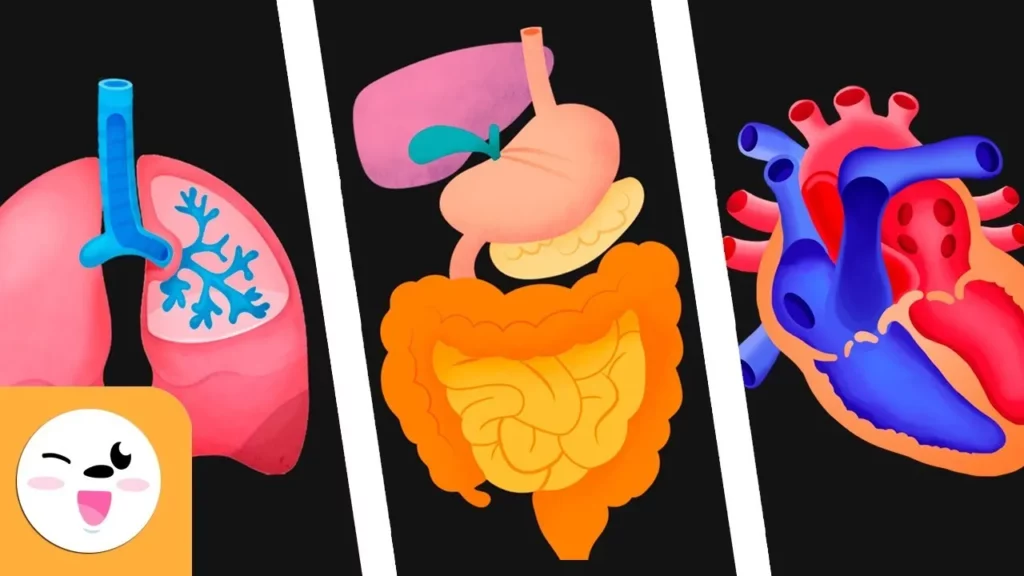
In this lesson, we explored the three vital systems of the human body: the circulatory, respiratory, and digestive systems. The circulatory system, centered around the heart, transports blood and essential nutrients throughout the body; the respiratory system facilitates breathing by exchanging oxygen and carbon dioxide; and the digestive system breaks down food into nutrients for energy and growth. Together, these systems work harmoniously to maintain our health and well-being.
Numbers 1 to 10 – Learn to write and count from 1 to 10
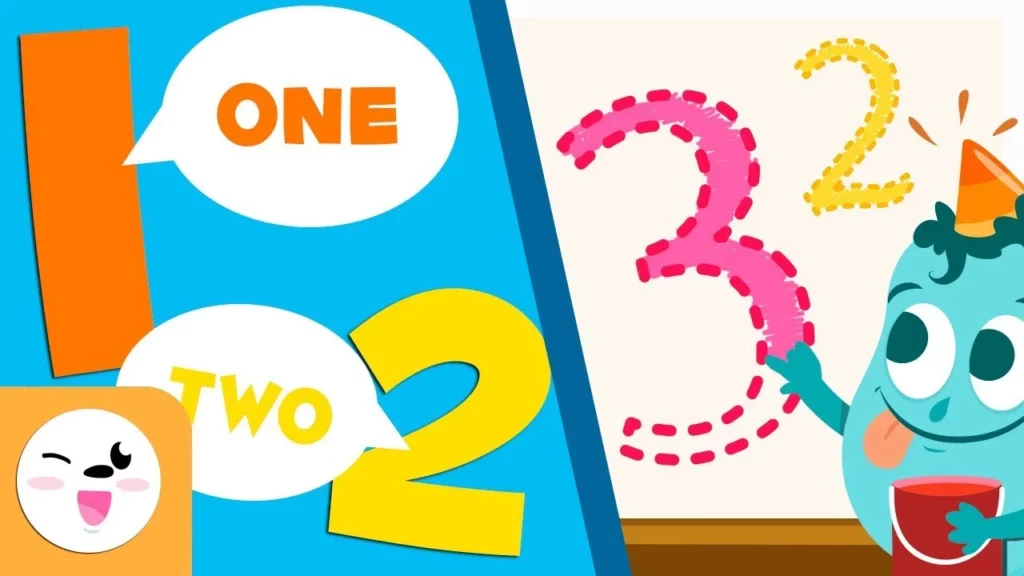
In this lesson, children learn to count and write the numbers from one to ten through engaging examples and fun activities. Each number is introduced with relatable visuals, such as cookies, kids, and robots, making the learning process enjoyable. By the end of the lesson, students gain confidence in both counting and writing these fundamental numbers.