
The Surprising Similarities Between Twister and Intelligence
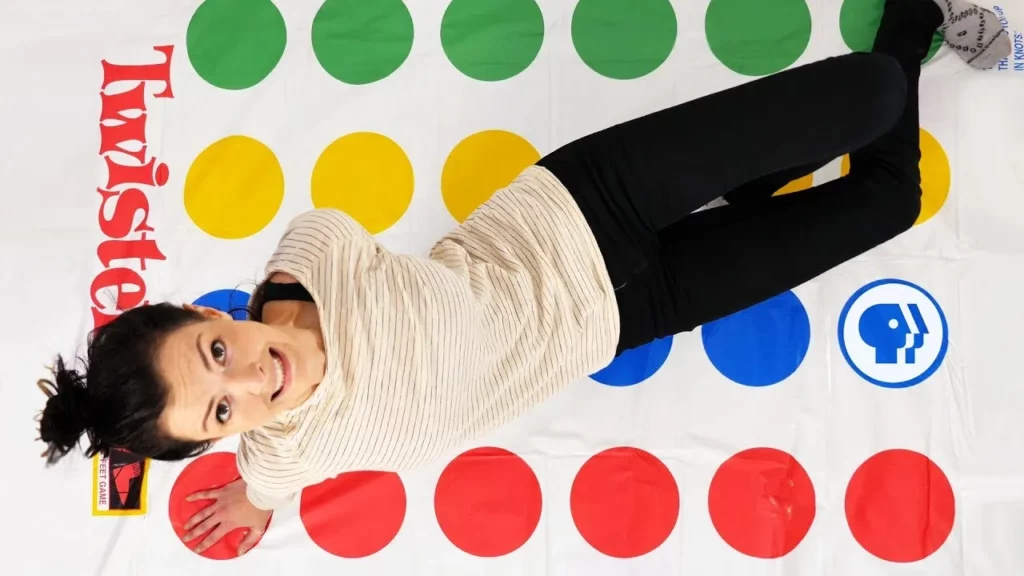
The lesson explores the intriguing relationship between brain connectivity and intelligence, emphasizing that the organization of neural connections, rather than brain size or specific functions, plays a crucial role in cognitive abilities. By drawing parallels to the game Twister, it illustrates how dynamic patterns of connectivity reflect cognitive flexibility, which is linked to enhanced learning and multitasking. Researchers suggest that factors like mood, sleep, nutrition, and exercise can improve this cognitive flexibility, ultimately contributing to greater intelligence.
Are Older People Wiser?
The lesson explores the concept of wisdom, challenging the notion that older people are inherently wiser simply due to their age. While experience plays a role in developing wisdom, it is emphasized that wisdom can be found in individuals of all ages, including children and young adults, and is characterized by good judgment, emotional understanding, and the ability to learn from experiences. Ultimately, the lesson encourages everyone to cultivate wisdom through self-awareness, gratitude, and thoughtful decision-making.
The Truth About Being a Scientist & YouTuber (my story)

In this lesson, Vanessa Hill shares her journey from a curious child with dreams of becoming a marine biologist and TV presenter to a successful YouTuber and science communicator through her channel, BrainCraft. She emphasizes the importance of curiosity and how her passion for understanding human behavior led her to create engaging science content that addresses real-life issues, such as sleep habits, while highlighting the diverse paths one can take in the field of science. Ultimately, she encourages others to explore their unique stories and contributions to the world of STEM.
Why Are We Ticklish?
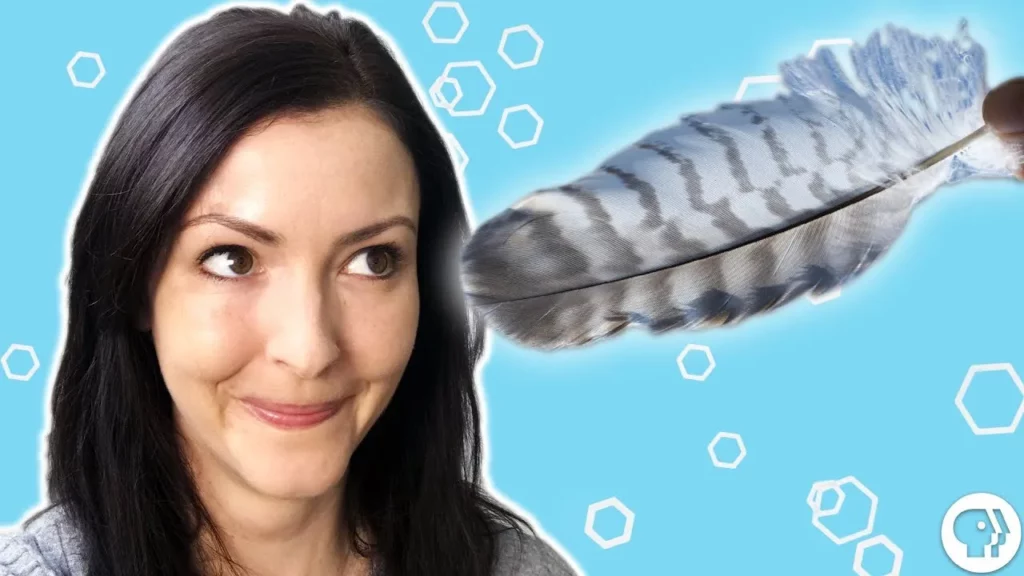
The lesson explores the phenomenon of ticklishness, distinguishing between two types: Knismesis, a light tickling sensation that alerts us to potential irritants, and Gargalesis, the more intense tickling that often induces laughter. It discusses the evolutionary purpose of ticklishness, suggesting it may help children learn to protect vulnerable areas, and highlights that while laughter is a common response, it can also be linked to discomfort, as evidenced by brain activity during tickling. The lesson concludes by noting that tickling is not exclusive to humans, as various animals also exhibit similar reactions.
The Best Banknote in the World!
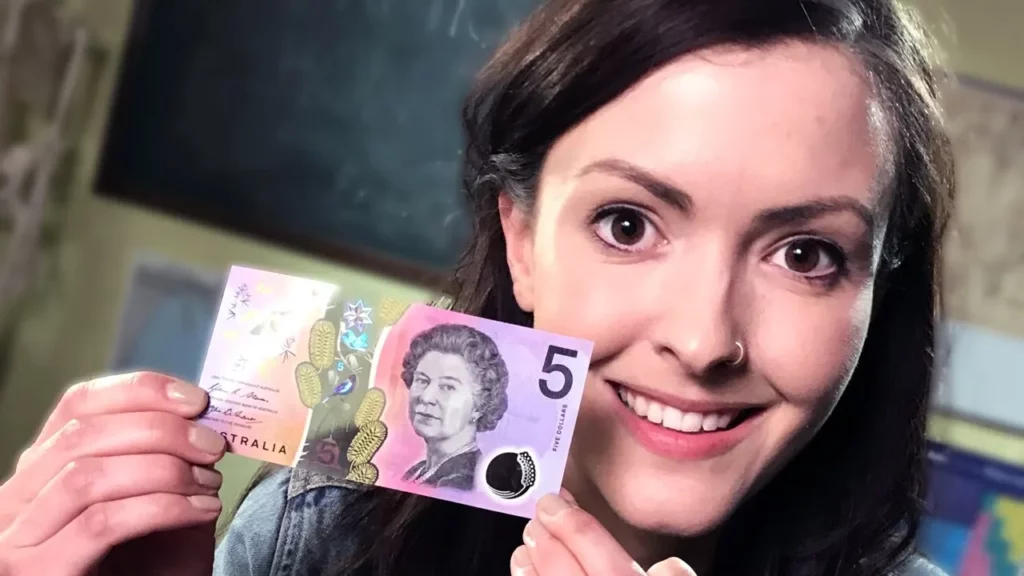
The lesson explores the fascinating features of the British £5 and Australian $5 polymer banknotes, highlighting their ability to produce music when used on a record player due to their unique materials and design. It discusses the historical context of these notes, including the development of polymer technology in Australia and its global influence, as well as the advanced security features that make them special. Additionally, the lesson emphasizes the importance of planning for the future, particularly in terms of retirement savings.
Your Brain in Numbers
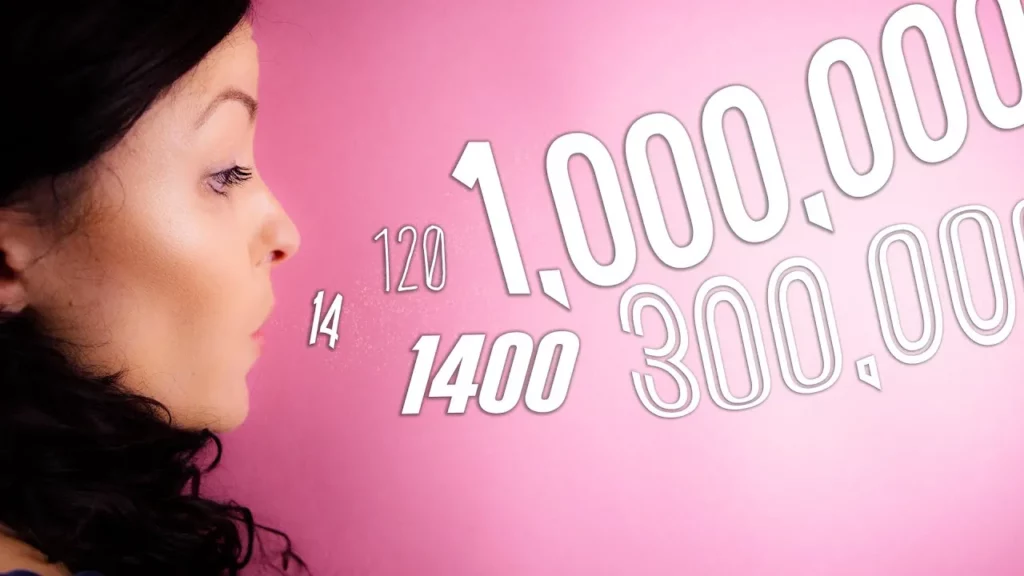
The lesson “Your Brain in Numbers” explores fascinating facts about the human brain, highlighting its weight, composition, and structure, including the vast number of neurons and glial cells that facilitate its functions. It emphasizes the brain’s significant energy consumption relative to its size and its role as the center of thoughts, memories, and personality, underscoring the uniqueness of each individual’s brain. Understanding these aspects can deepen appreciation for the brain’s remarkable capabilities.
“Thank You” Backfires When Used in This Way
The lesson emphasizes the importance of sincerity in expressing gratitude, highlighting that while genuine appreciation can strengthen relationships and enhance well-being, insincere gratitude can backfire and harm connections. It discusses the role of empathy and responsiveness in making gratitude meaningful, and offers strategies to ensure expressions of thanks are heartfelt, such as focusing on praise and avoiding ulterior motives. Ultimately, the lesson underscores that mindful communication of gratitude can lead to more positive interactions and deeper relationships.
When Do We Reach Our Mental Peak?
The lesson explores the concept of intellectual peak, questioning when individuals reach their highest cognitive abilities. It distinguishes between fluid intelligence, which peaks in young adulthood, and crystallized intelligence, which remains stable longer and may not decline until later in life. While historical trends suggest that significant scientific contributions often occur in early adulthood, opinions on the age of peak intelligence vary widely, highlighting the complexity of measuring “smartness” and its relationship to experience and knowledge accumulation.
Is This The Most Confusing Traffic Sign? (Psychology Explains)

The lesson explores the design and psychology behind traffic signs, emphasizing their critical role in ensuring road safety. It highlights how misinterpretations can arise from confusing sign designs, particularly when they clash with human perception and cognitive processing. The discussion advocates for improved sign design that prioritizes clarity, inclusivity, and effective communication, ultimately aiming to reduce misunderstandings and enhance safety for all road users.
Would $100 Million Make You Happy?

The lesson explores the relationship between wealth and happiness, using the hypothetical scenario of winning a $100 million lottery to illustrate that such a windfall may not lead to lasting happiness. It discusses the concept of the “Hedonic treadmill,” which suggests that both positive and negative life events only temporarily affect our happiness levels, and emphasizes the complex nature of happiness influenced by neurotransmitters and genetics. Ultimately, the lesson encourages individuals to actively seek out personal sources of joy and implement strategies, such as mindfulness and gratitude, to enhance their well-being.