
Means Of Transport and Clothes for kids – Learn vocabulary in English – New words for kids
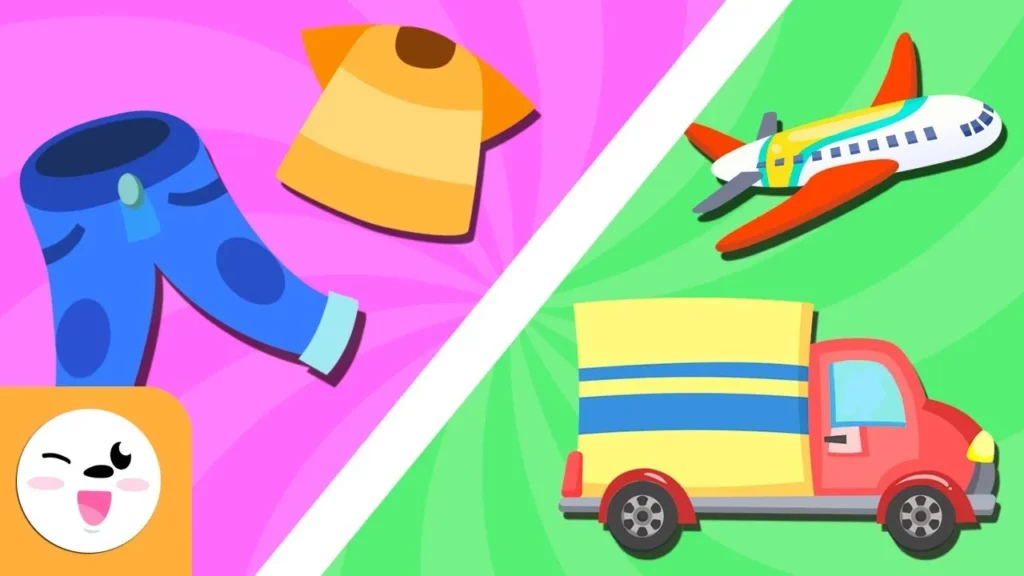
In this lesson, children learn vocabulary related to various means of transport, including ground, water, and air transportation, as well as clothing suitable for different seasons. The lesson covers specific examples such as bikes, cars, boats, planes, and summer and winter clothing items, helping kids expand their vocabulary in a fun and engaging way. Additionally, it introduces basic parts of the body, encouraging further exploration and understanding of their own anatomy.
Letter O: cursive script – The alphabet for kids
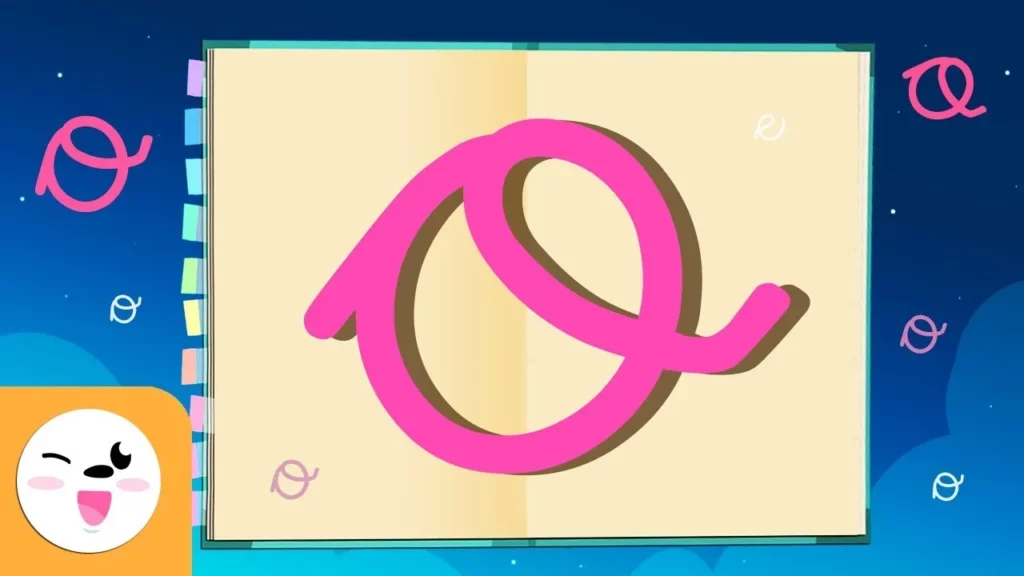
In today’s lesson, we explored the letter “O,” focusing on its sound, writing, and words that contain it. Students learned how to write both the uppercase and lowercase “O” by drawing circles and practiced identifying words like “oyster,” “October,” and “olive.” The lesson emphasized the fun of discovering different sounds associated with “O” and encouraged continued exploration of the alphabet.
Photosynthesis in plants for children – Natural Science for kids
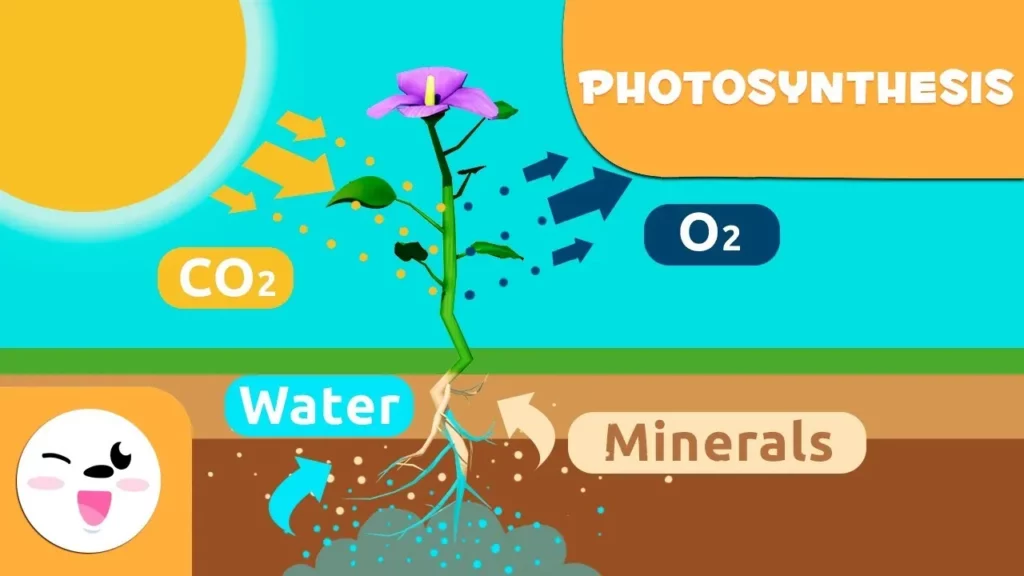
In this lesson, children learn about photosynthesis, the process by which plants create their own food using sunlight, water, and carbon dioxide, ultimately releasing oxygen into the atmosphere. The lesson explains how plants absorb water through their roots, take in carbon dioxide through stomata, and utilize chlorophyll in chloroplasts to capture sunlight, emphasizing the importance of this process for both plants and the environment. Additionally, it distinguishes photosynthesis from respiration, highlighting the vital role plants play in maintaining clean air and supporting life on Earth.
Arthropods for kids – Invertebrate animals – Natural Science For Kids
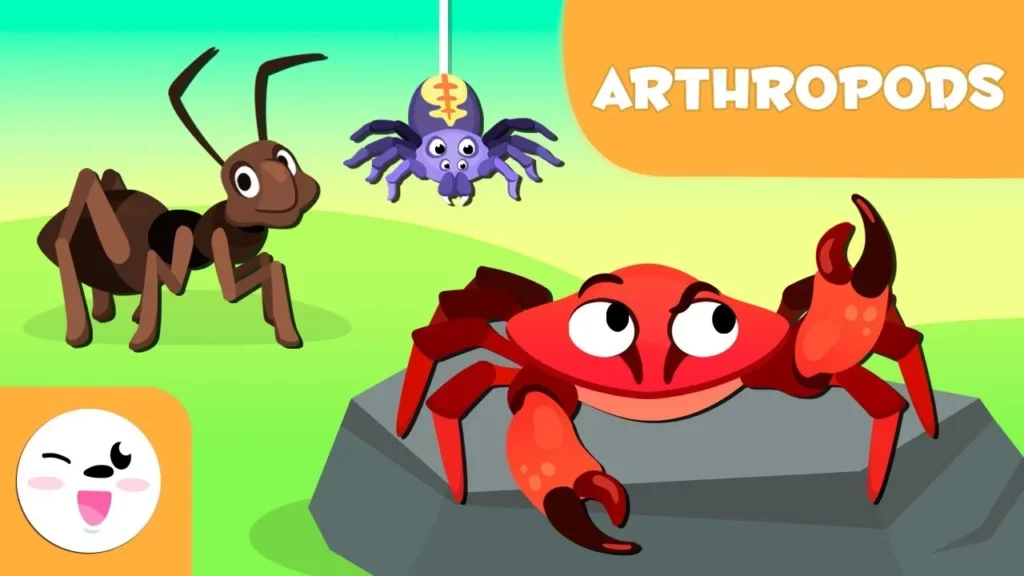
In this lesson, students learn about arthropods, a diverse group of invertebrate animals characterized by their hard exoskeletons and jointed legs. The lesson highlights the different categories of arthropods, such as insects, arachnids, crustaceans, and myriapods, and emphasizes their adaptability to various environments. Additionally, fun facts, like the incredible strength of ants, encourage curiosity and further exploration of these fascinating creatures.
Letter U: cursive script – The alphabet for kids
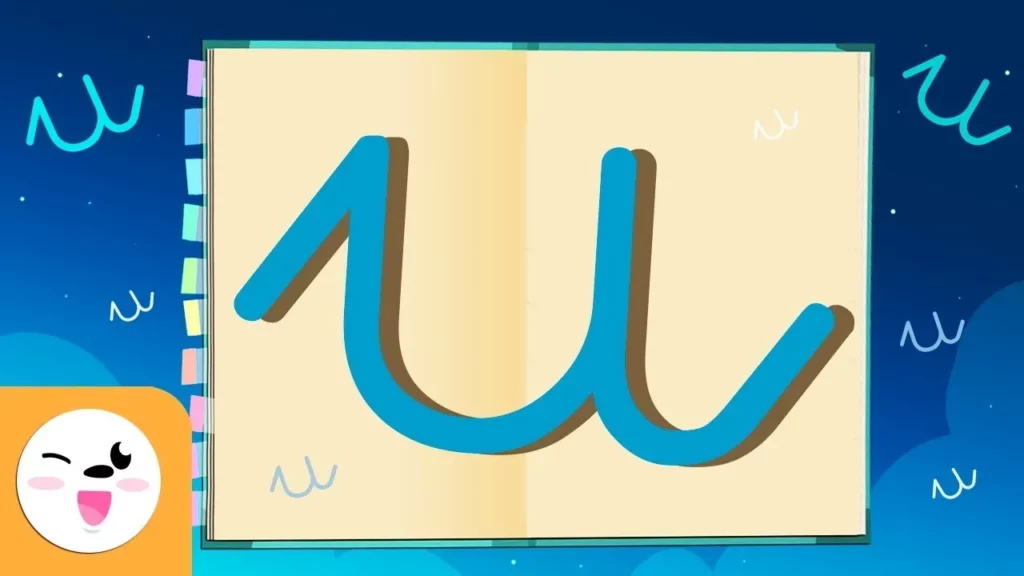
In today’s lesson, we explored the letter U, which makes two distinct sounds, as heard in “umbrella” and “unicorn.” We practiced writing both the uppercase and lowercase forms of the letter and discovered several words that begin with U, such as “universe,” “uniform,” and “urgent.” To reinforce our learning, we also enjoyed a fun song about the letter U, encouraging continued exploration of the alphabet.
Geometric lines for kids – Geometry for kids
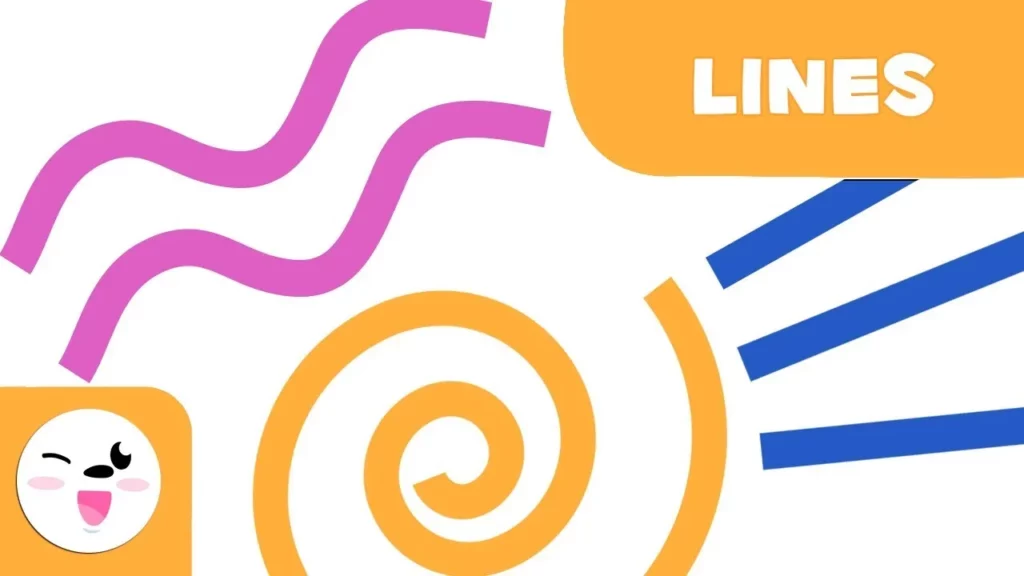
In this lesson, kids learn about various types of lines in geometry, including straight lines (horizontal, vertical, and oblique), special pairs of lines (parallel and perpendicular), and the concept of lines forming shapes like polygons. The lesson also introduces curved lines, such as wavy, spiral, and closed curves, encouraging students to explore and enjoy the world of geometry.
Anna at school – Stories for kids
In the lesson “Anna at School,” children learn about the importance of a good breakfast, preparation for school, and the various activities that make up a fun school day. They engage in teamwork during a science project about the solar system, enjoy recess with friends, and experience the joy of trying new foods at lunchtime. The day concludes with family time, emphasizing the value of learning and togetherness.
Vowels – Cursive Script – The Alphabet for kids
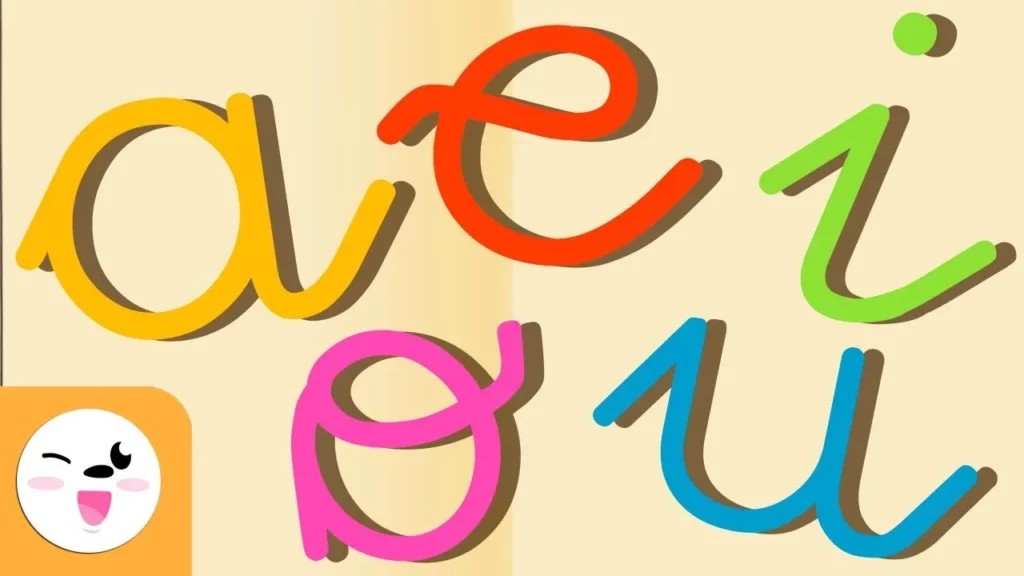
In this lesson, students embark on a fun adventure to learn about vowels, focusing on the letters A, E, O, and U. Each vowel is introduced with its sounds, writing instructions, and examples of words that contain them, encouraging students to practice pronunciation and writing. The lesson emphasizes the importance of vowels in forming words and invites students to continue exploring the alphabet.
Mollusks for kids – Invertebrate animals – Science for kids
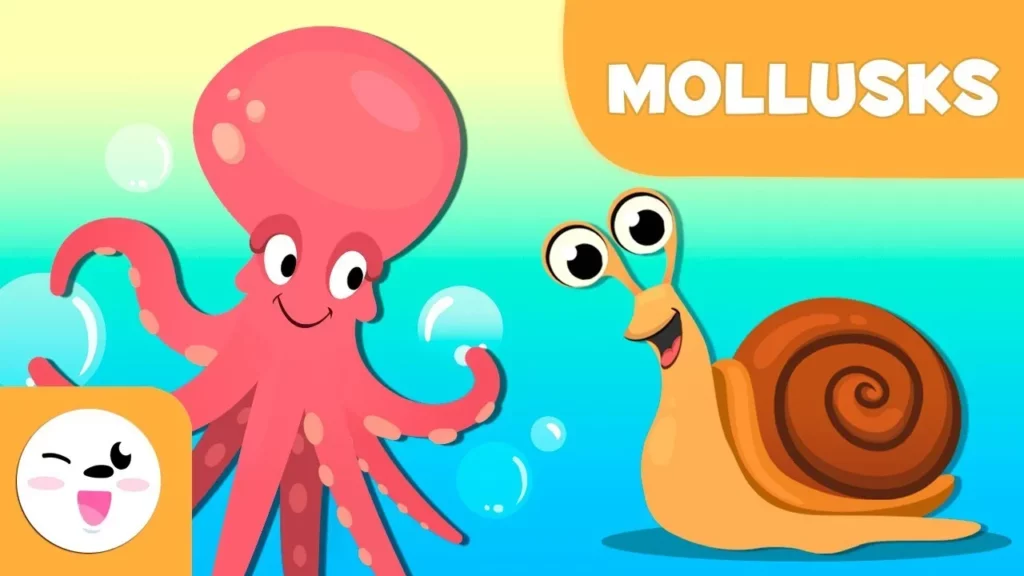
In this lesson, kids learn about mollusks, a fascinating group of invertebrate animals characterized by their soft bodies and, in some cases, hard shells. The lesson introduces three main types of mollusks: gastropods (like snails), bivalves (such as clams), and cephalopods (including squids), highlighting their unique features and movement methods. Students are encouraged to think of additional mollusks and share their findings, fostering curiosity and exploration of the animal kingdom.
Guess the number, from 1 to10 – Educational video to learn the numbers
In this lesson, participants engage in a lively number guessing game where they identify numbers from one to ten. Each number is presented sequentially, and players are encouraged to shout out their guesses, reinforcing their counting skills and number recognition. The session concludes with a collective counting exercise, celebrating the participants’ achievements and encouraging further exploration of numbers.