
Invertebrate animals for kids: arthropods, worms, cnidarians, mollusks, sponges, echinoderms
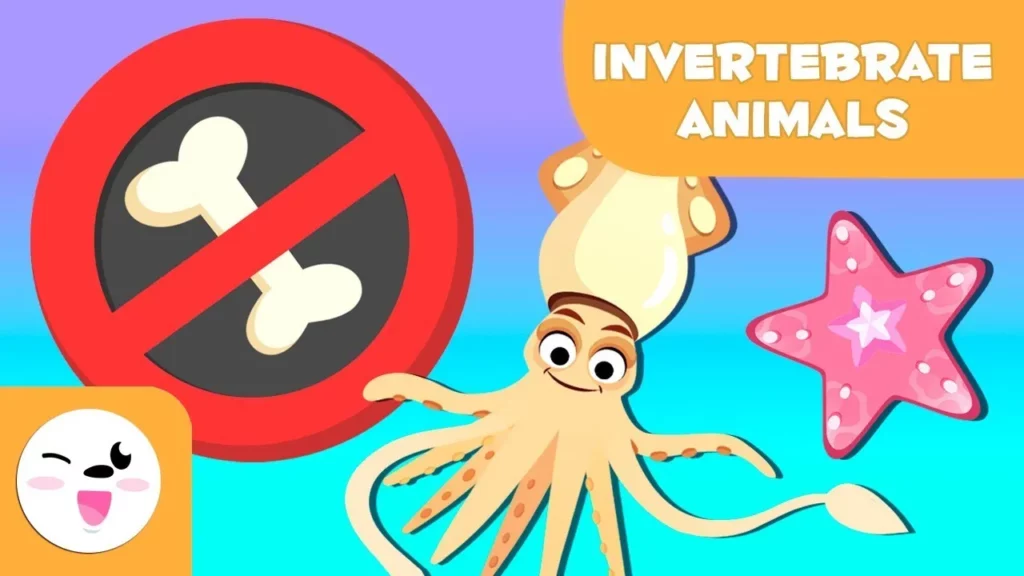
In this lesson, students learn about invertebrate animals, which are unique because they lack a backbone or skeleton. The lesson covers six main groups of invertebrates: arthropods, mollusks, worms, cnidarians, echinoderms, and sponges, highlighting their distinct characteristics and fun facts, such as the impressive strength of ants and the regenerative abilities of starfish. Through engaging examples, children are encouraged to explore and appreciate the diverse world of invertebrates.
Guess the numbers from 70 to 80 – Learn to read and write numbers from 1 to 100
In this lesson, participants engage in a number guessing game where they identify numbers sequentially from 70 to 80. The activity encourages active participation and reinforces number recognition skills in a fun and interactive way. At the end, learners are invited to continue their educational journey with the Smile and Learn platform, which offers a variety of games and resources.
Animal cell and animal cell parts – Natural Science- Educational video for kids
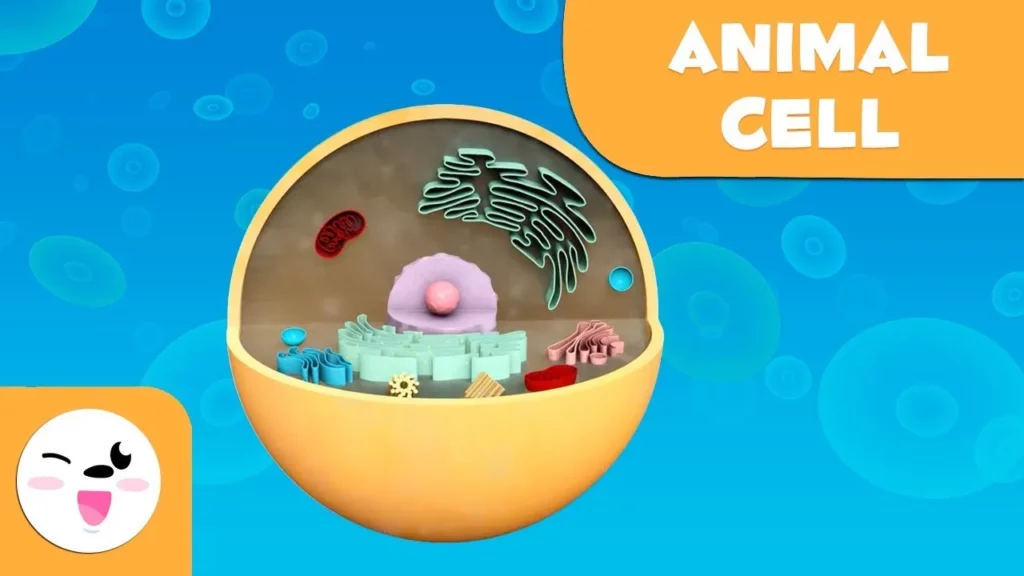
The lesson on animal cells highlights their role as fundamental building blocks that form tissues and organs in animals and humans. It explains the structure of eukaryotic cells, emphasizing the nucleus as the control center that houses DNA, which carries genetic instructions. Key components such as the cell membrane, cytoplasm, and mitochondrion are discussed, with the mitochondrion being identified as the powerhouse of the cell that generates energy necessary for cellular functions.
Letter K: cursive script – The alphabet for kids
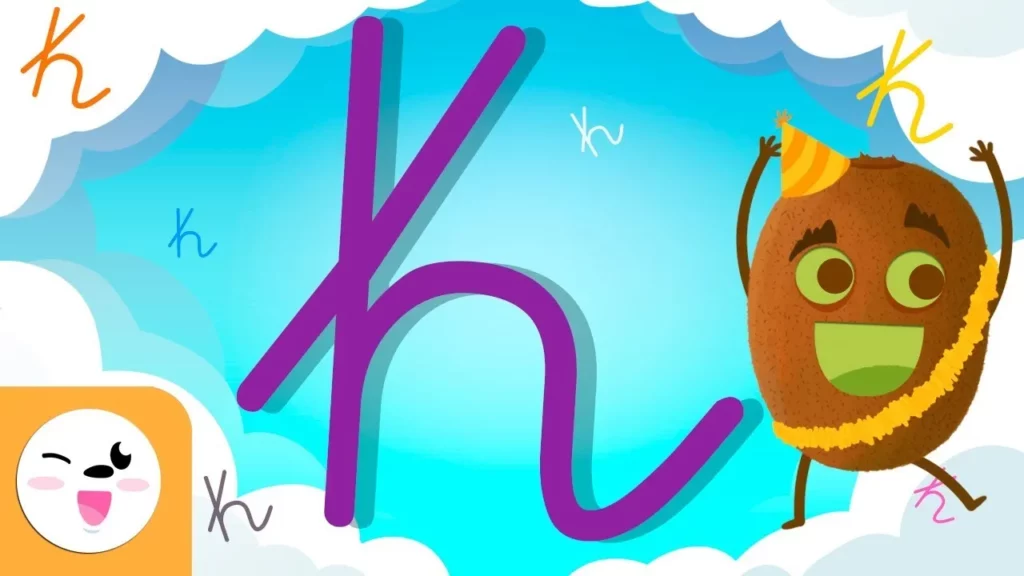
In today’s lesson, we explored the letter “K,” learning its sound, how to write both the capital and lowercase forms, and identifying words that begin with “K,” such as “kiwi,” “kung fu,” and “ketchup.” We also enjoyed a fun song to reinforce our learning. Keep practicing writing the letter “K” at home, and stay tuned for more exciting letters to discover!
Vertebrate and invertebrate animals – Educational videos for kids
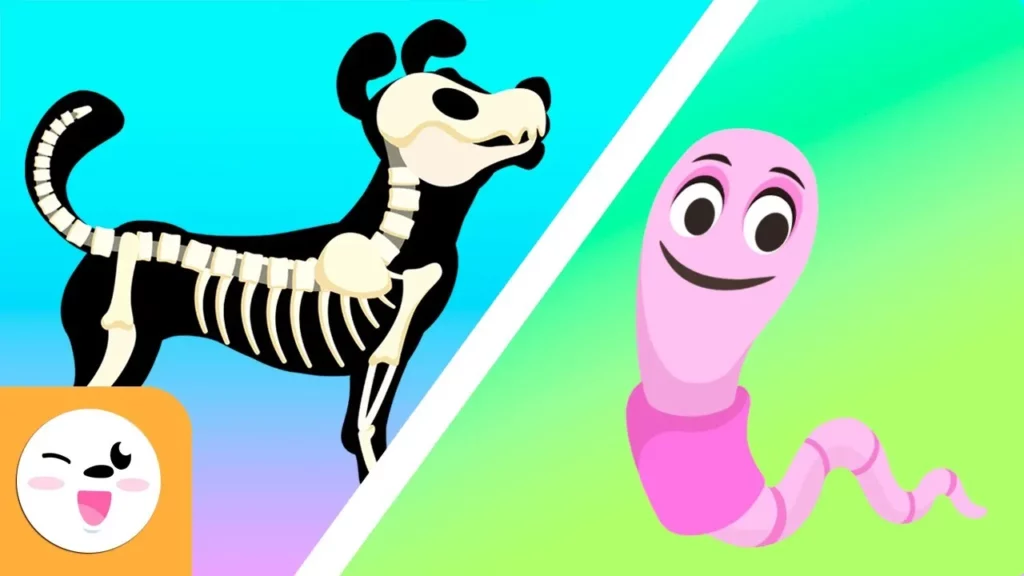
In this lesson, children learn about vertebrate and invertebrate animals, focusing on the defining characteristics of each group. Vertebrates, which include mammals, birds, fish, amphibians, and reptiles, have backbones and exhibit various traits such as warm-bloodedness in mammals and the ability to fly in birds. In contrast, invertebrates lack a backbone and are categorized into groups like arthropods, mollusks, and sponges, showcasing their diverse adaptations and habitats.
Guess the numbers from 80 to 90 – Learn to read and write numbers from 1 to 100
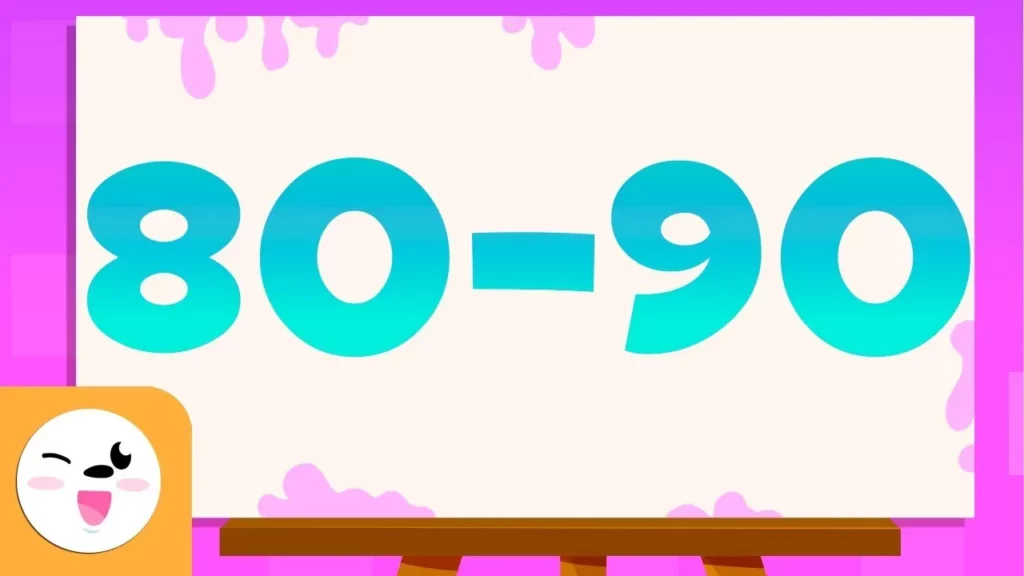
In this lesson, participants engage in an interactive number guessing game, where they identify a sequence of numbers from 80 to 90. The activity encourages active participation and reinforces number recognition skills in a fun and engaging manner. At the end, learners are invited to explore additional educational resources on the Smile and Learn platform.
Letter L: cursive script – The alphabet for kids
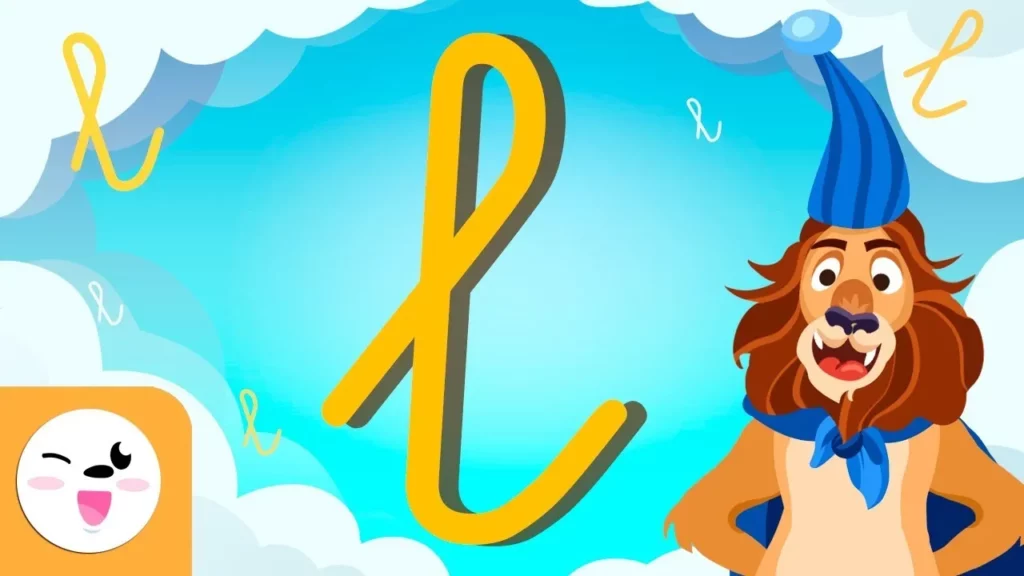
In this lesson, children learn about the letter “L,” including its sound, how to write both the capital and small forms, and words that begin with “L,” such as “light,” “lion,” “lamp,” and “lizard.” The lesson encourages interactive participation through singing and drawing, making the learning experience enjoyable and engaging. Overall, it emphasizes the importance of exploring the alphabet while having fun.
Addition for kids – Learning to add with Dinosaurs – Mathematics for kids
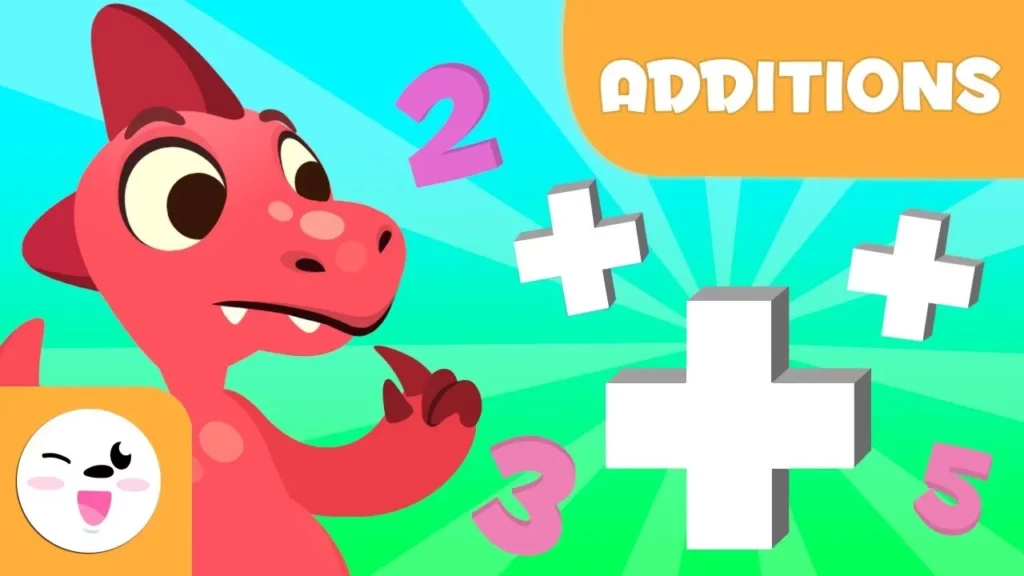
In this lesson, kids learn the basics of addition through a fun and engaging activity with Dino the dinosaur, who needs help counting his eggs. By practicing simple addition problems, such as 1 + 2, 2 + 3, and 5 + 3, children grasp the concept of putting numbers together. The lesson encourages ongoing learning and exploration through interactive resources like the Smile and Learn platform.
Guess the numbers from 90 to 100 – Learn to read and write numbers from 1 to 100
In this lesson, students engage in a fun guessing game where they identify numbers ranging from 90 to 100. As they successfully guess each number, they build confidence and reinforce their number recognition skills. The lesson concludes with encouragement to continue learning through the Smile and Learn platform, which offers additional educational resources.
The plant cell and its parts – Natural Science – Educational video for kids
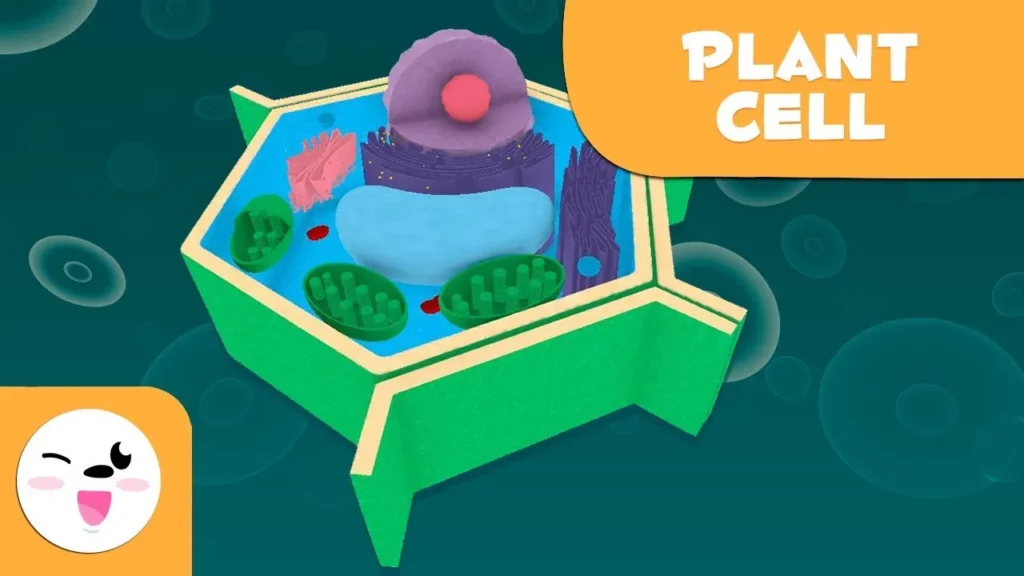
In this lesson, we explore the structure and function of plant cells, which are essential building blocks for all plants, including trees, flowers, and vegetables. Key components such as the nucleus, cell membrane, cell wall, chloroplasts, and mitochondria are highlighted, emphasizing their roles in growth, protection, and energy production. The lesson also encourages further exploration of plant cells through interactive learning platforms.