
Story: The Nutcracker – Stories for kids – Learn to read
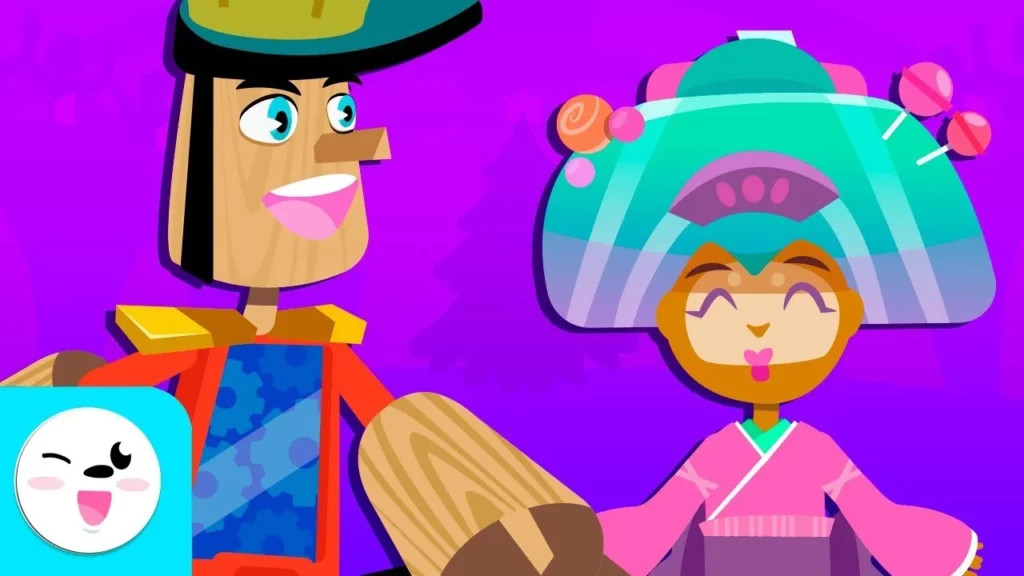
In “The Nutcracker – A Magical Adventure,” Clara experiences a fantastical journey after receiving a nutcracker as a gift on Christmas Eve. When she awakens to find herself in a magical world filled with candy and characters like the Sugar Plum Fairy, she bravely joins the nutcracker and his army to defeat the evil Rat King, ultimately restoring peace to the four realms. The story emphasizes the importance of courage, teamwork, and the power of dreams, encouraging readers to embrace their own adventures.
Letter Q: cursive script – The alphabet for kids
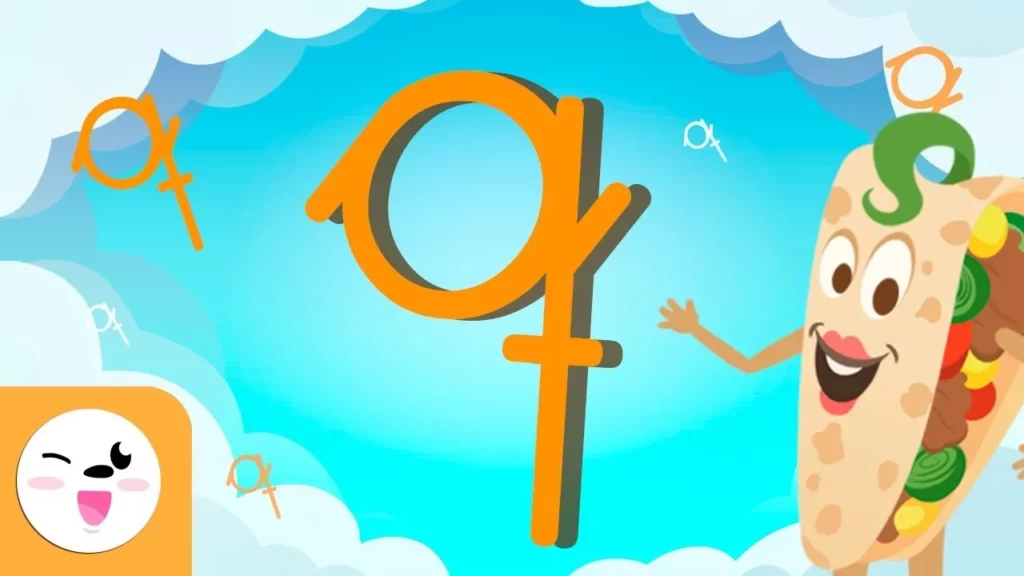
In this lesson, students are introduced to the letter Q, learning its pronunciation and the unique partnership it shares with the letter U. They practice writing both the capital and lowercase forms of Q, explore words that begin with Q, and enjoy a fun song to reinforce their learning. The lesson encourages continued exploration of the alphabet and emphasizes the joy of learning.
Anna and her new born brother – Educational stories for kids
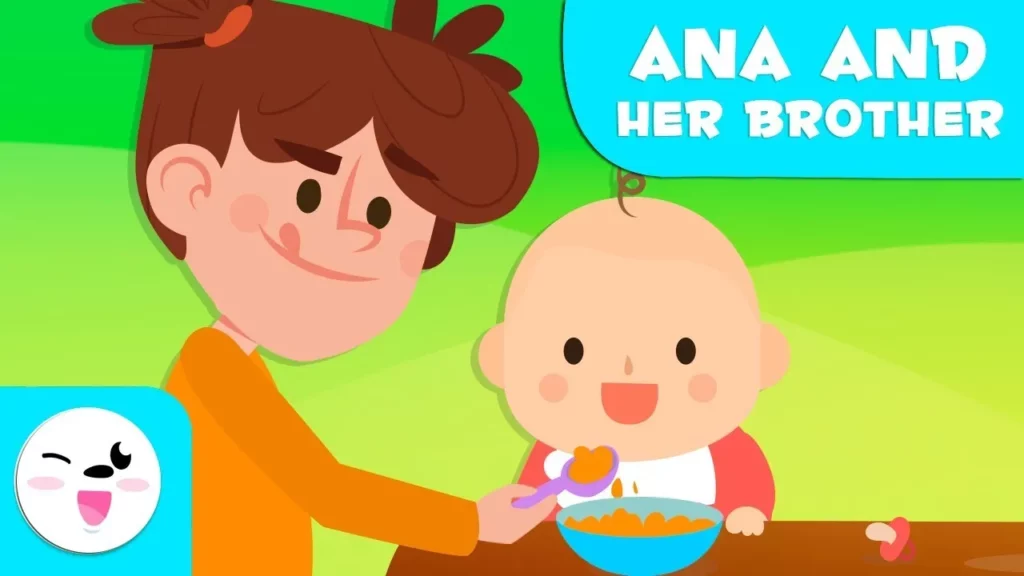
In the lesson “Anna and Her New Baby Brother,” children learn about the excitement and changes that come with welcoming a new sibling. Through Anna’s experiences, they discover what it’s like to meet a newborn, understand the baby’s needs, and enjoy family activities together, emphasizing the joy of having a larger family. The lesson encourages interaction and exploration, inviting children to engage with their own family dynamics and the fun of sharing experiences.
Subtractions for kids – Learn to subtract with Dinosaurs – Mathematics for kids
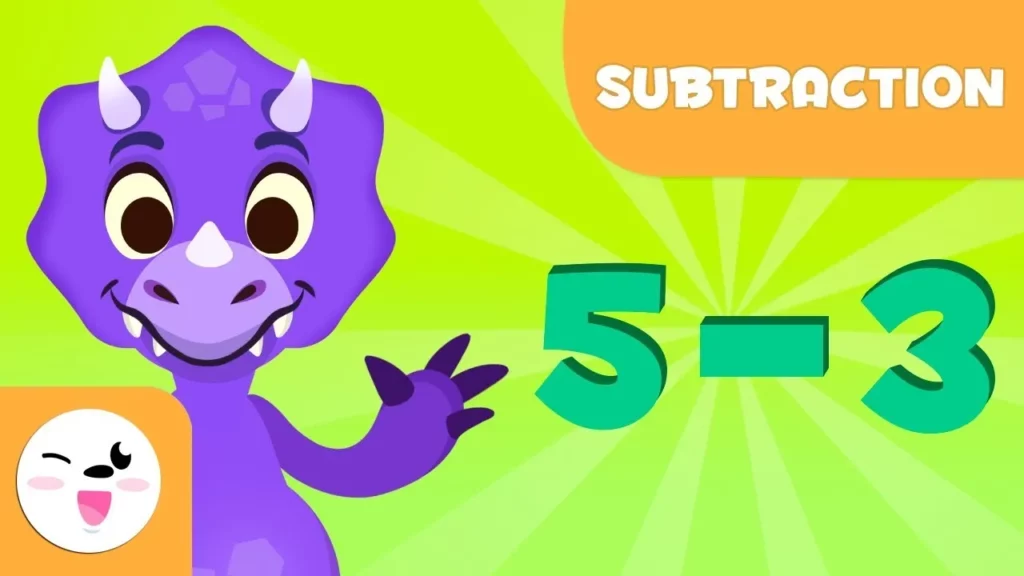
In this lesson, students learn the concept of subtraction through engaging examples involving cupcakes. They practice subtracting different quantities, reinforcing the idea that subtraction means taking away to find out how many are left. The lesson concludes with a recap of the subtraction problems covered and encourages continued learning through interactive resources.
Invertebrate animals for kids – Introduction
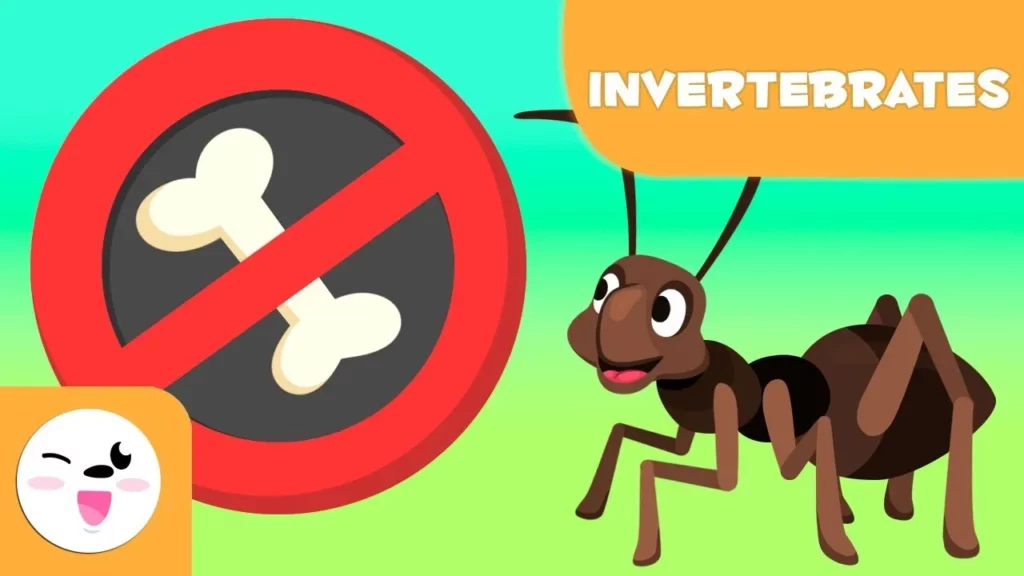
In this lesson, kids are introduced to invertebrate animals, which are unique because they lack a backbone or skeleton. The lesson covers six main groups of invertebrates: mollusks, worms, arthropods, cnidarians, echinoderms, and sponges, highlighting their diverse characteristics and habitats. Students are encouraged to continue exploring the fascinating world of invertebrates through interactive resources.
Letter R: cursive script – The alphabet for kids
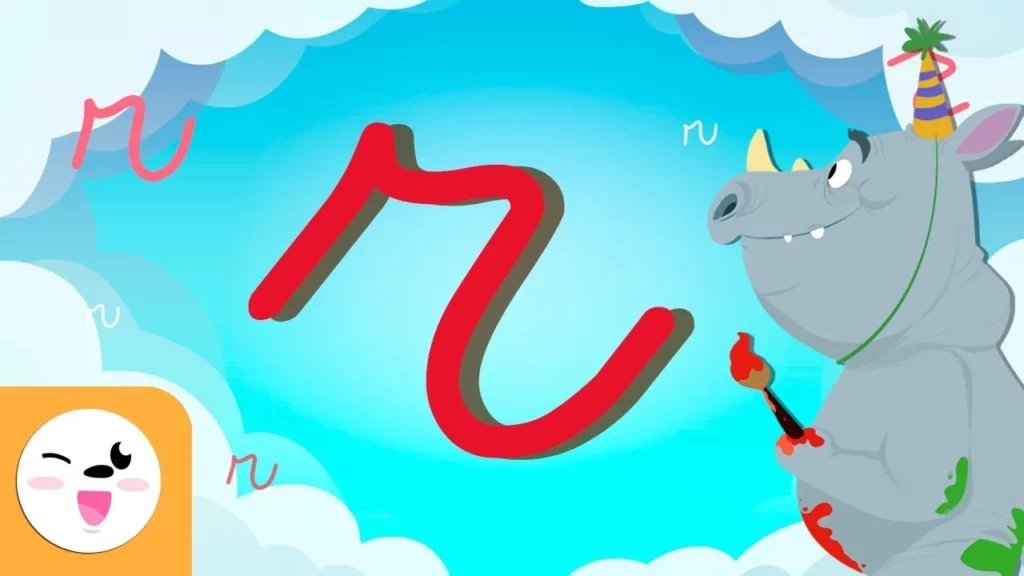
In today’s lesson, we explored the letter R, learning its sound and how to write both the uppercase and lowercase forms. We also discovered words that start with R, such as “red,” “rock,” “rose,” and “rhino,” while enjoying a fun song about the letter. Keep practicing and exploring more letters as you continue your learning journey!
Subtraction exercises for kids – Learn to subtract with Dino and Saury – Mathematics for kids
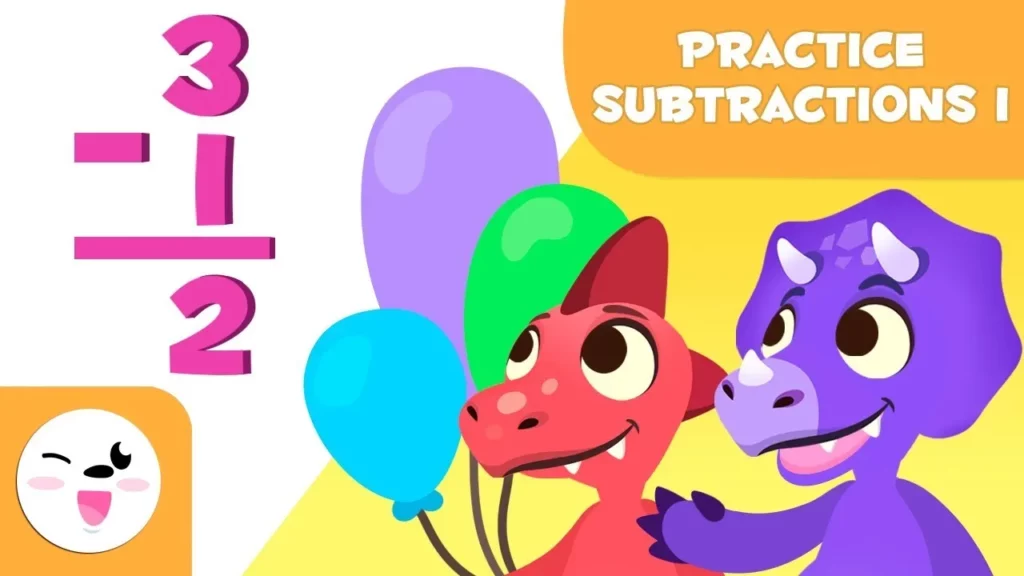
In the lesson “Subtraction Fun with Dino and Saury,” students engage in interactive subtraction activities by popping balloons and counting the remaining ones. Through a series of examples, they learn how to subtract different quantities, reinforcing their understanding of subtraction in a playful and enjoyable way. The lesson concludes by encouraging continued learning through games and activities on the Smile and Learn platform.
Fractions for kids – Mathematics for kids
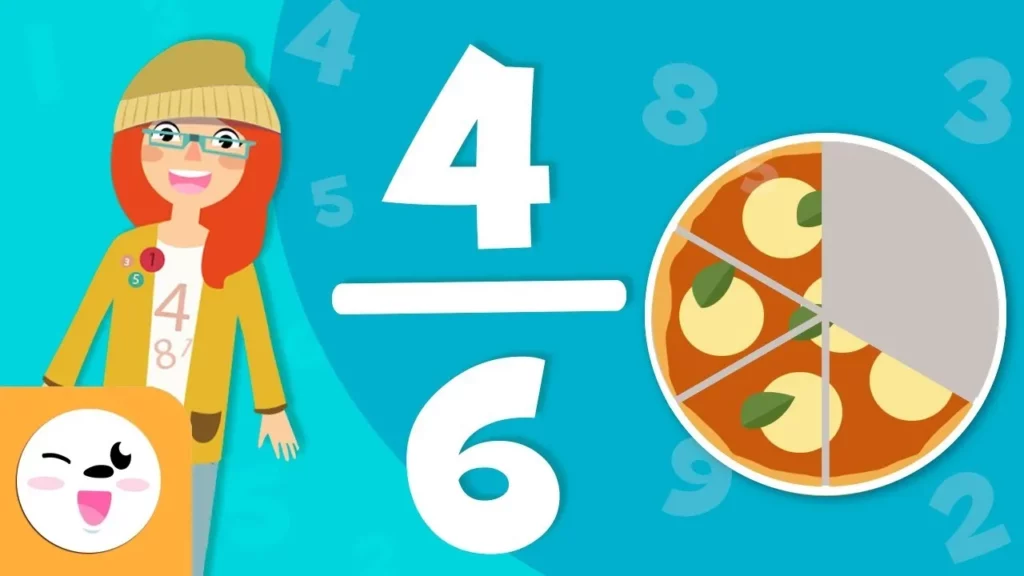
In this lesson, kids learn about fractions as a way to represent parts of a whole using relatable examples, such as family members and pizza slices. The lesson explains the components of a fraction, including the numerator and denominator, and provides practice in reading different fractions. It encourages further exploration of fractions through interactive learning platforms.
The cell: Structure, functions and its parts – Science for kids
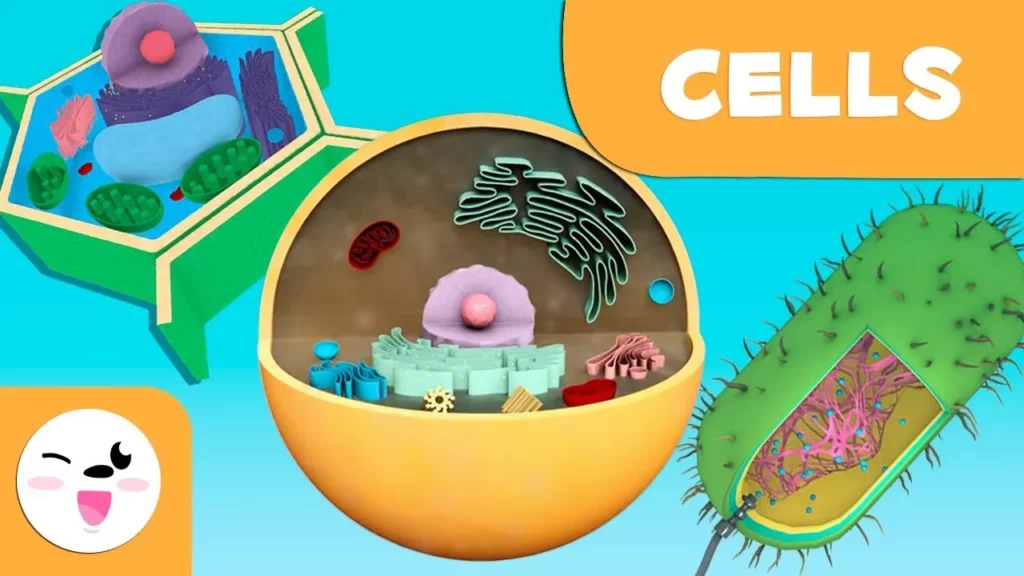
This lesson introduces the concept of cells as the fundamental units of life, highlighting their essential roles in nutrition, energy transformation, structural changes, and growth. It distinguishes between unicellular organisms, like bacteria, and multicellular organisms, such as trees and humans, while also explaining the differences between prokaryotic and eukaryotic cells. The lesson encourages further exploration of science through interactive learning platforms.
Spot the different emoji – Visual attention for kids – Means of transport
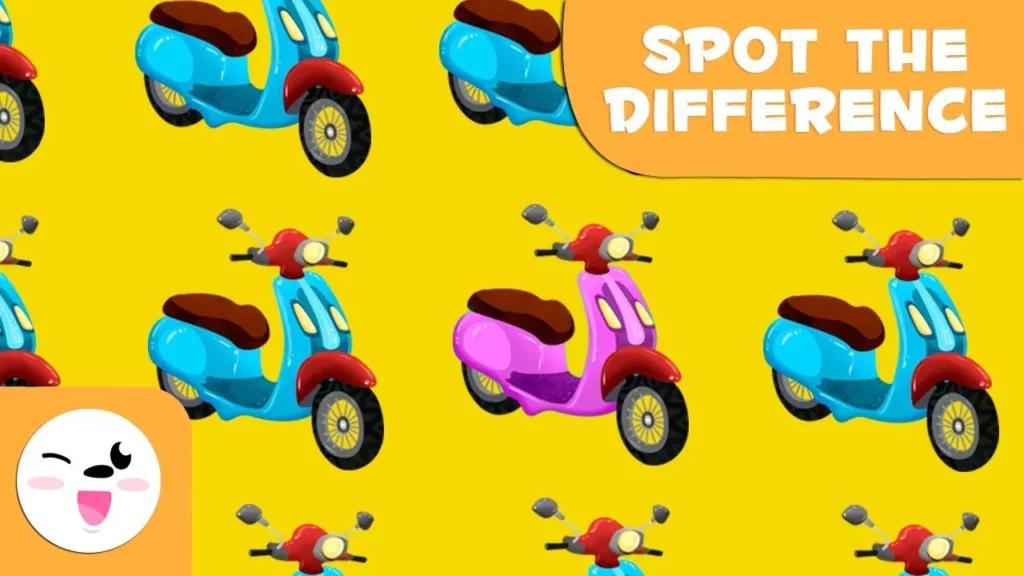
In the “Spot the Different Emoji” lesson, kids engage in a fun visual attention challenge where they must identify the differing image among a set of emojis across ten progressively difficult levels, each with a 15-second time limit. As they successfully spot the differences, they are encouraged to stay alert and focused, culminating in a sense of accomplishment upon completing the challenge. The lesson also promotes further learning opportunities through the Smile and Learn platform, offering additional games and interactive content.