
Place Value for 2nd Grade | Trading Tens for Hundreds
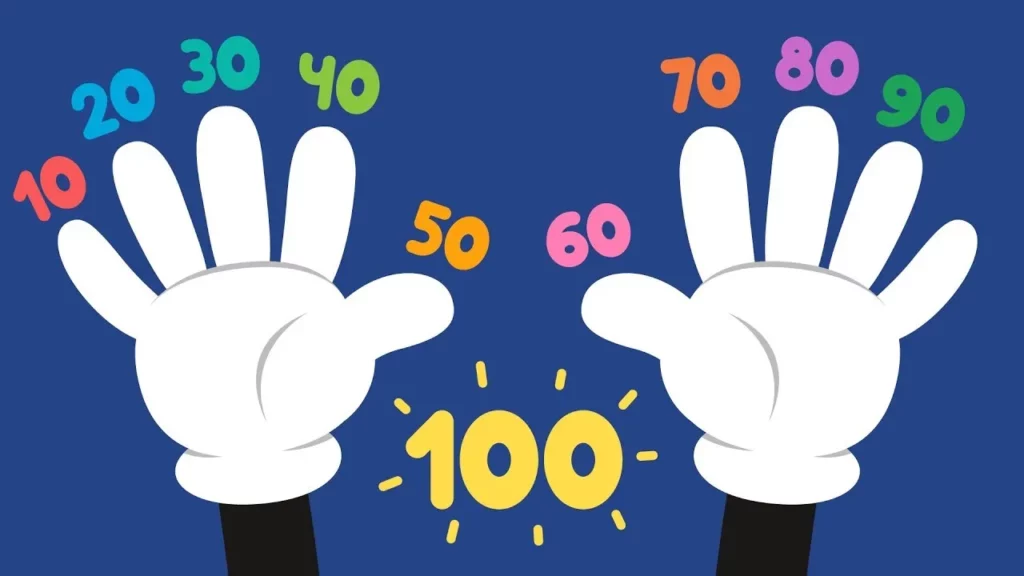
In today’s lesson at Fun Counting with Kids Academy, we learned how to count by tens up to 100 using our fingers and base ten blocks. We explored how to simplify counting larger quantities, such as trading long blocks for hundreds, making it easier to understand that 40 long blocks can be represented as four hundreds. The key takeaway is that ten tens equals one hundred, reinforcing the concept of counting in groups of ten.
Discovered Check | Chess Lessons for Kids
In this lesson, we explored the chess tactic known as the “discovered check,” where moving one piece reveals another piece that can check the opponent’s king, creating a surprise attack. This tactic is powerful because it generates two threats simultaneously: the piece moved can attack while the revealed piece checks the king, forcing the opponent to respond. Through examples and puzzles, we learned how to effectively execute and counter discovered checks, enhancing our strategic thinking in chess.
What is Skewer? | Chess Lessons for Beginners
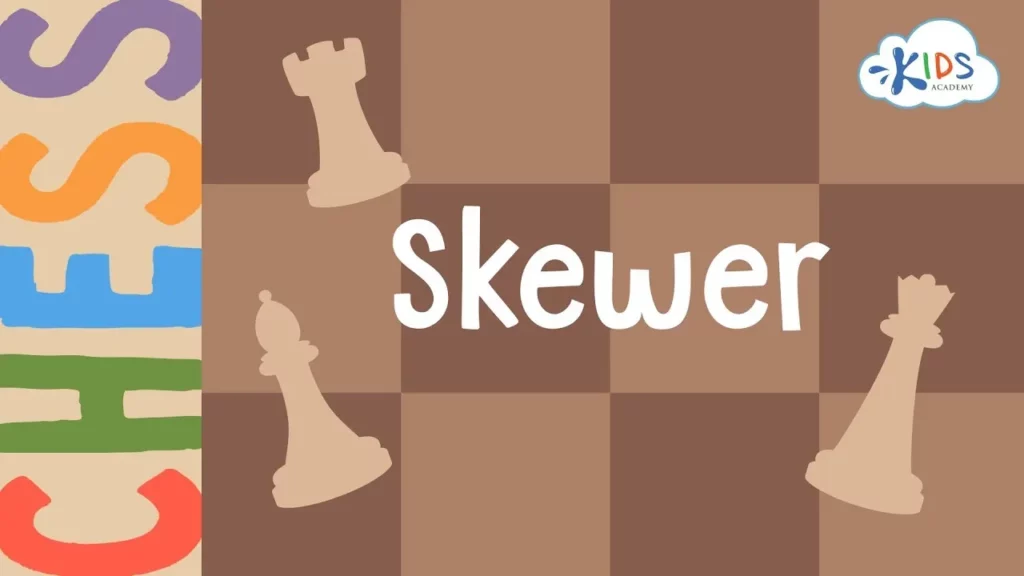
In this lesson, students learn about the chess tactic known as a “skewer,” where a more valuable piece is attacked, forcing it to move and allowing the capture of a less valuable piece behind it. The lesson illustrates this concept through engaging examples, demonstrating how to effectively execute a skewer using rooks, bishops, and queens, while emphasizing the importance of recognizing aligned pieces on the board. Overall, the skewer is presented as a clever and strategic move that can turn the tide in a game of chess.
How to Write Uppercase and Lowercase Letters
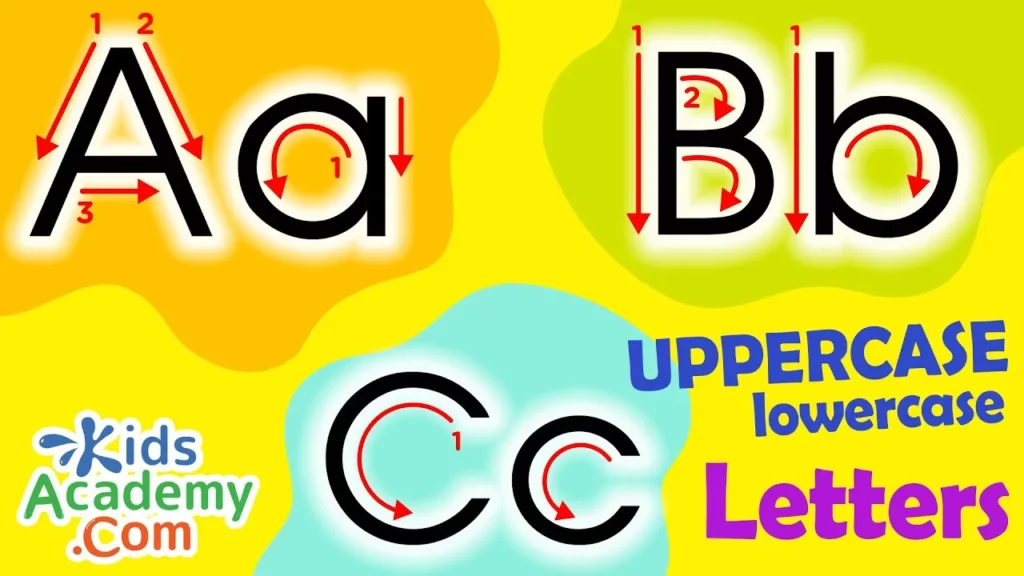
In today’s lesson, young learners explored the alphabet, focusing on the uppercase and lowercase forms of each letter. They discovered that letters are essential for reading and writing and were encouraged to find letters in their surroundings and practice writing them. The lesson emphasized that learning letters is the first step in their reading journey, with plenty of fun activities available to enhance their skills.
Community Homes | Social Studies for Preschool and Kindergarten
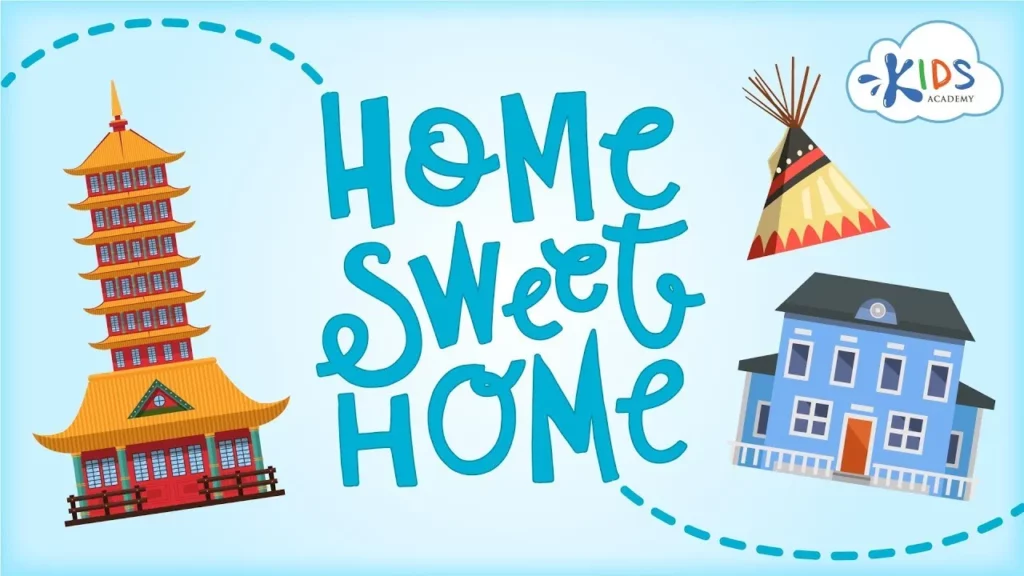
In today’s lesson, young explorers learned about various types of homes around the world, discovering that homes can take many forms, such as houses, huts, and cottages. Through engaging pictures and interactive questions, they identified which places are suitable for people to live in and which are not, like nests for birds or sports stadiums. The lesson encouraged curiosity and exploration, leaving students excited to continue their learning journey.
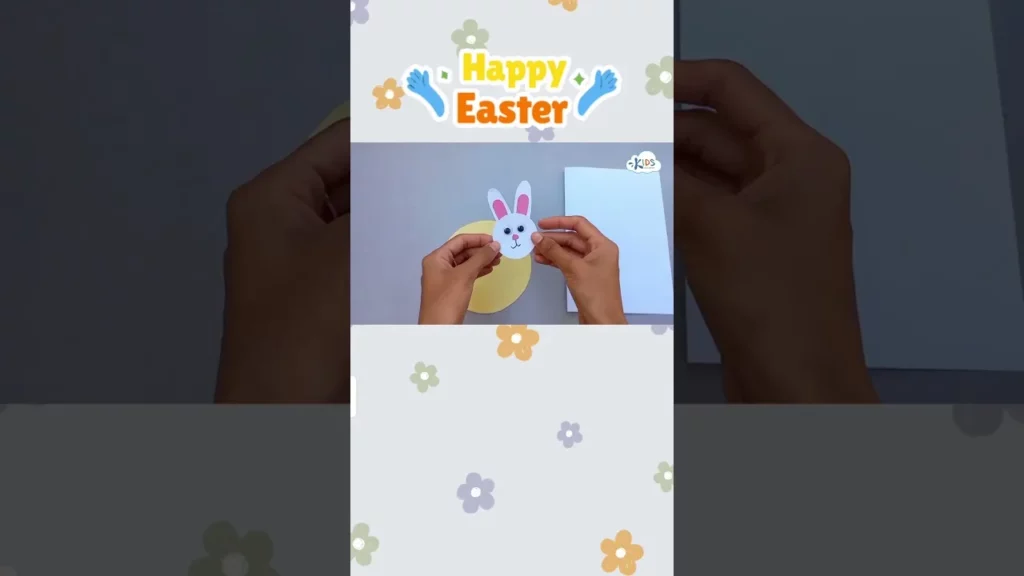
How to Make Easter Card #easter #diycrafts
This lesson introduces the fundamentals of music notation, a visual system that enables musicians to communicate and perform music accurately. Key concepts covered include the staff and clefs, which define musical pitches; notes and rhythms, which indicate sound duration; and time and key signatures, which establish the structure and tonal center of a piece. Additionally, the lesson highlights the importance of various musical symbols that convey dynamics, articulation, and expression, ultimately emphasizing that mastering music notation enriches one’s musical experience.
2 Dimensional Shapes: Vertices | Math for 1st Grade
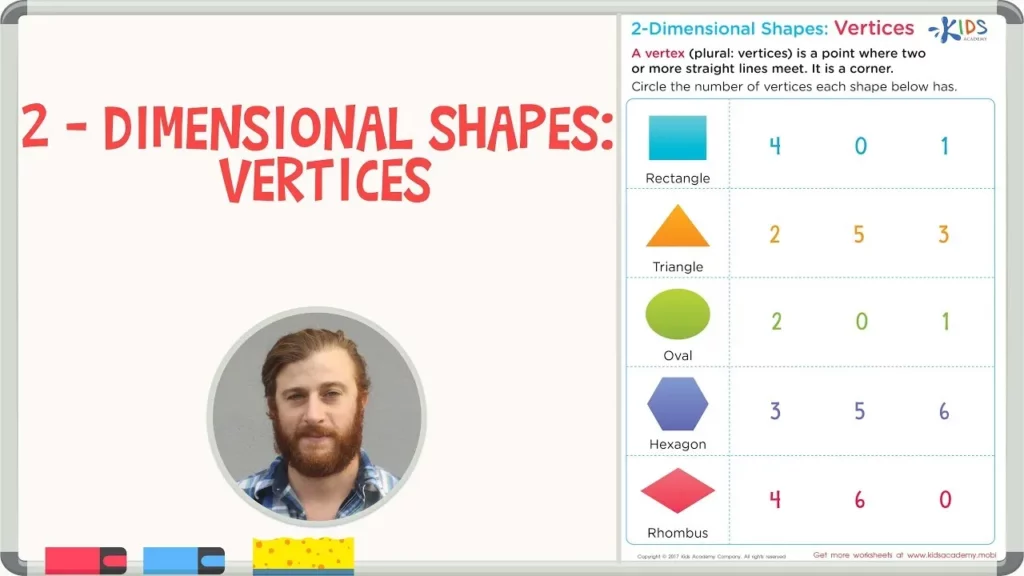
In today’s lesson, we explored various shapes and their corners, known as vertices. We learned that a triangle has three vertices, a rectangle and a rhombus each have four, a hexagon has six, and both ovals and circles have zero vertices. Understanding these concepts helps us appreciate the characteristics of different shapes!
English Punctuation for Kids | English Grammar | Punctuation at the End of a Sentence
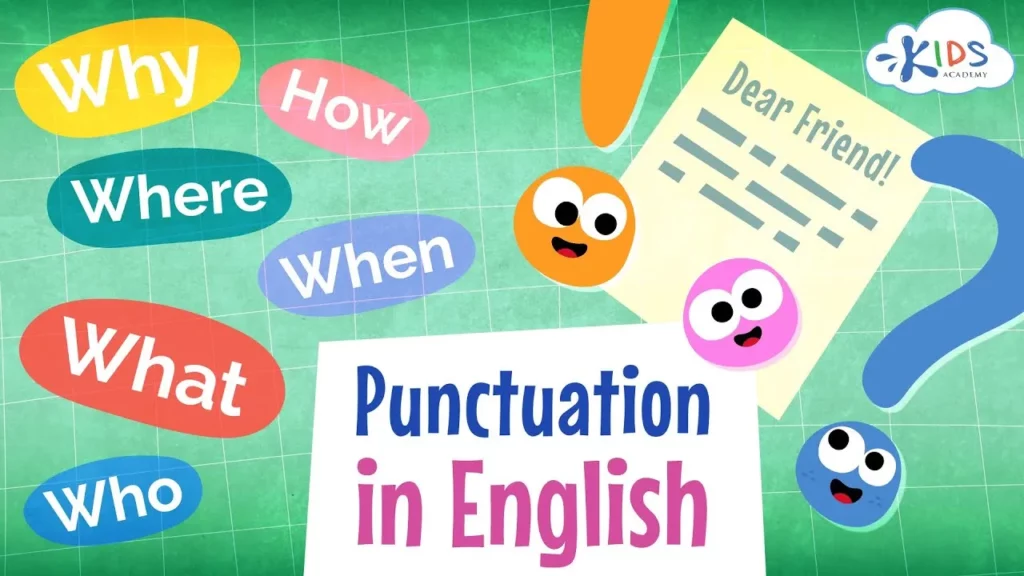
In this lesson, we explored punctuation marks, which are special symbols used at the end of sentences to convey meaning. We learned about three main types: periods for statements, question marks for inquiries, and exclamation points for expressing excitement. Through Sarah’s letter to Brianna, we practiced identifying and using these punctuation marks correctly.
Preschool and Kindergarten Learning Games
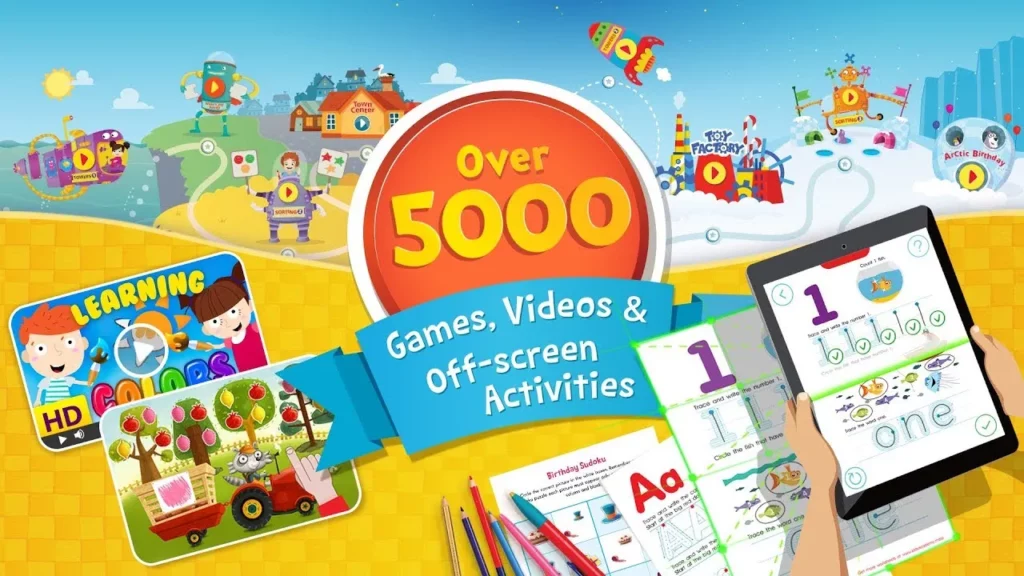
In this lesson, students embark on an exciting learning adventure with Kids Academy, where they explore magical worlds filled with shapes, colors, letters, and numbers through interactive games and activities. They travel on the alphabet bus to discover new concepts and even blast off to outer space to learn about planets and measurements. The adventure continues with engaging off-screen activities like worksheets and puzzles, making learning both fun and enriching.
Independence Day Quiz ????????????
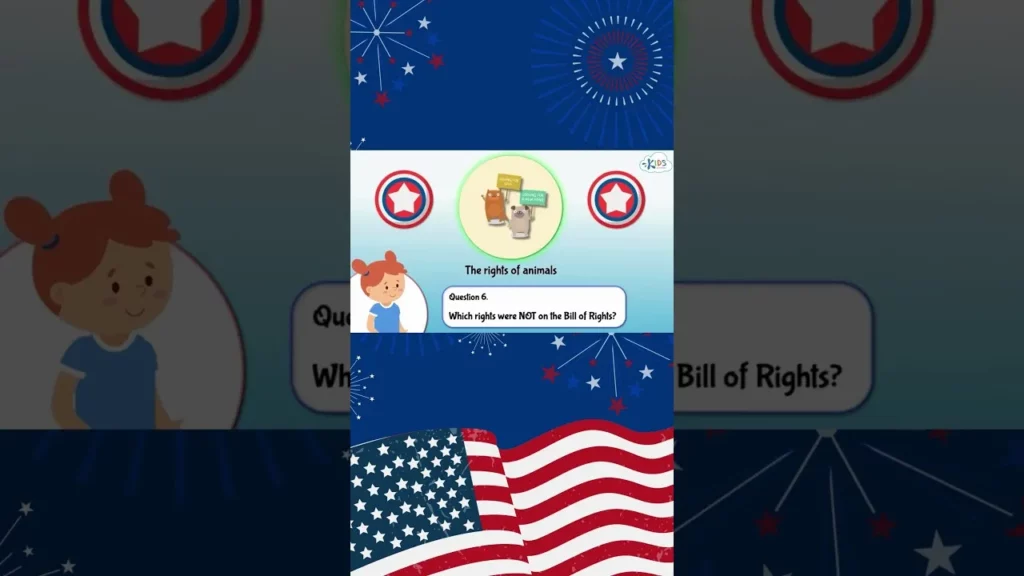
The lesson on the Bill of Rights highlights its significance as a foundational document that safeguards essential freedoms for American citizens, such as the right to property, freedom of speech, and the right to a fair trial. It also points out that while the Bill of Rights encompasses many important rights, it does not cover everything, such as animal rights, which are addressed through other laws. Understanding the Bill of Rights is crucial for appreciating and protecting individual freedoms in the United States.