
Capacity Measurement: Cups, Pints and Quarts | Math for 1st Grade
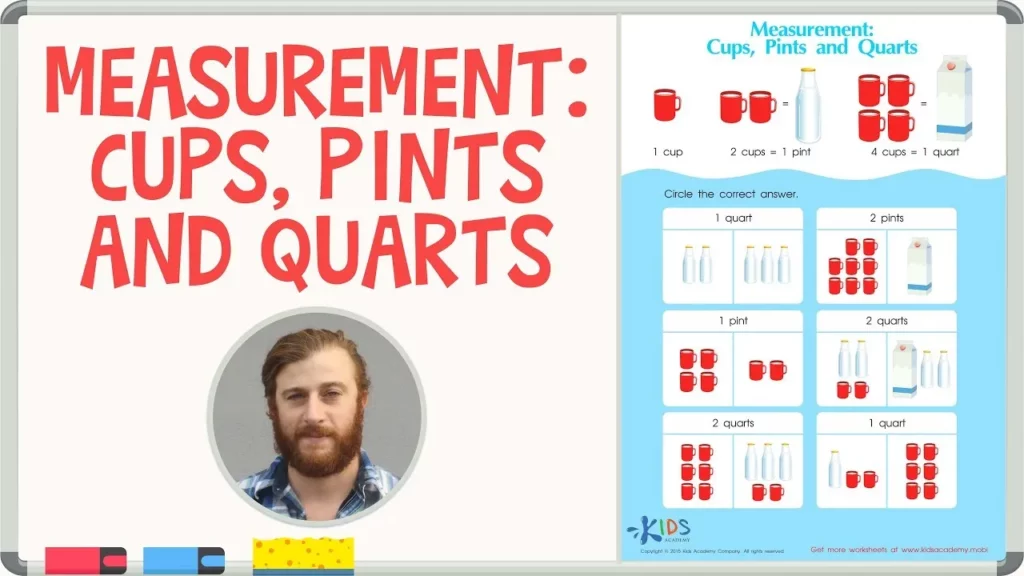
In today’s lesson, we explored measurements using cups, pints, quarts, and gallons, learning how these units relate to one another. We practiced converting between these measurements through step-by-step examples, such as determining that one gallon equals eight pints and two pints equal four cups. By breaking down the conversions methodically, students gained confidence in their measurement skills.
Matching & Logic Games for Kids | Developing Logic Skills for Preschool
In this lesson, Echor the wizard invites friends on a fun adventure to restore order after a storm has mixed up various items in their environment. Through interactive questions, children learn where different objects belong, such as placing the roof on the house, branches on trees, wheels on a car, and the dog house in its proper spot. The lesson emphasizes teamwork and problem-solving, celebrating the children’s contributions to fixing everything together.
Letter R – Learn the Alphabet. Preschool & Kindergarten
In this lesson, students are introduced to the letter R through engaging examples such as “rock,” “rocket,” and “robot.” The lesson encourages participation by inviting learners to say the words and think of additional R-related words, fostering both recognition and pronunciation skills. Overall, it aims to make learning the letter R fun and interactive.
Sorting Objects for Kids | Sort Objects into Three Groups
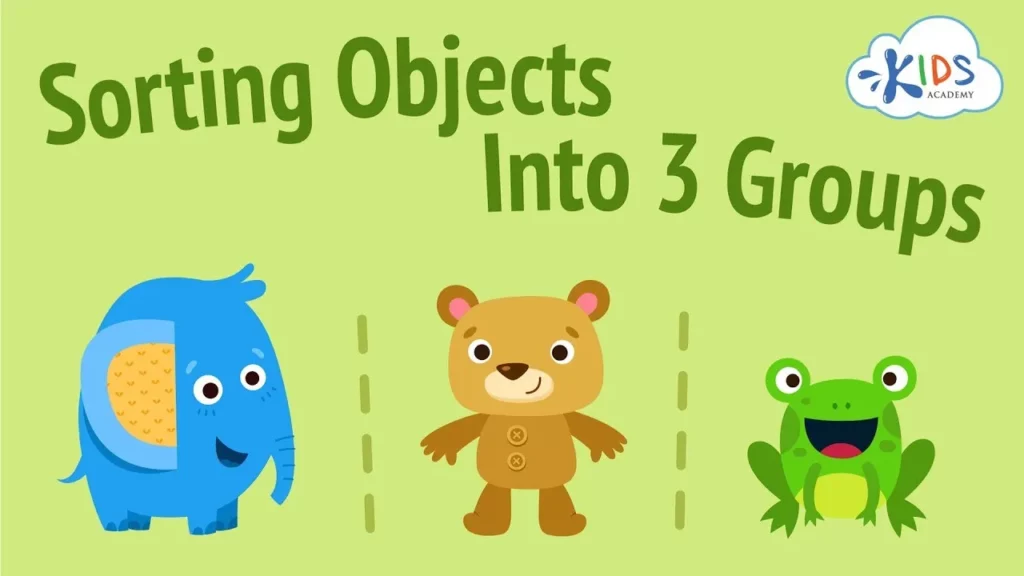
In today’s lesson, young explorers learned the fun of sorting by grouping animals and shapes based on their similarities. They practiced identifying and categorizing elephants, frogs, bears, triangles, squares, and circles, reinforcing their understanding of sorting as a playful and engaging activity. The lesson concluded with a challenge, encouraging children to apply their sorting skills independently.
Color Song for Kids – Color Sorting For Kids – Educational Video for Kindergarten and Preschool
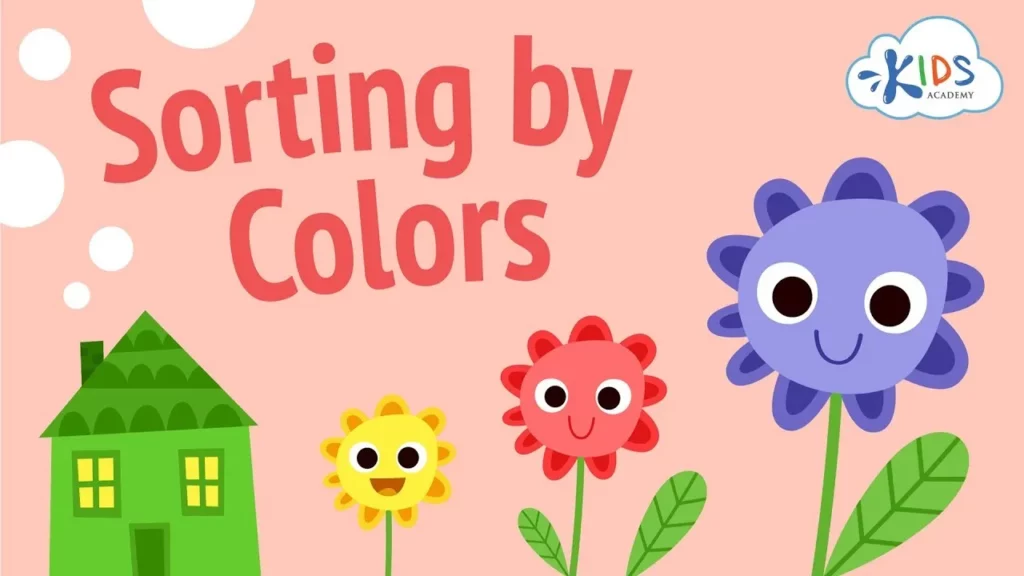
In today’s lesson, we embarked on a fun learning adventure focused on colors and sorting objects. We played games to sort toys and houses by their colors, emphasizing that items in a group should share the same color regardless of their size or shape. The lesson concluded with an interactive activity where participants sorted yellow flowers, reinforcing the sorting rule.
Civil Rights Act of 1964 | Montgomery Bus Boycott for Kids | Rosa Parks and Martin Luther King
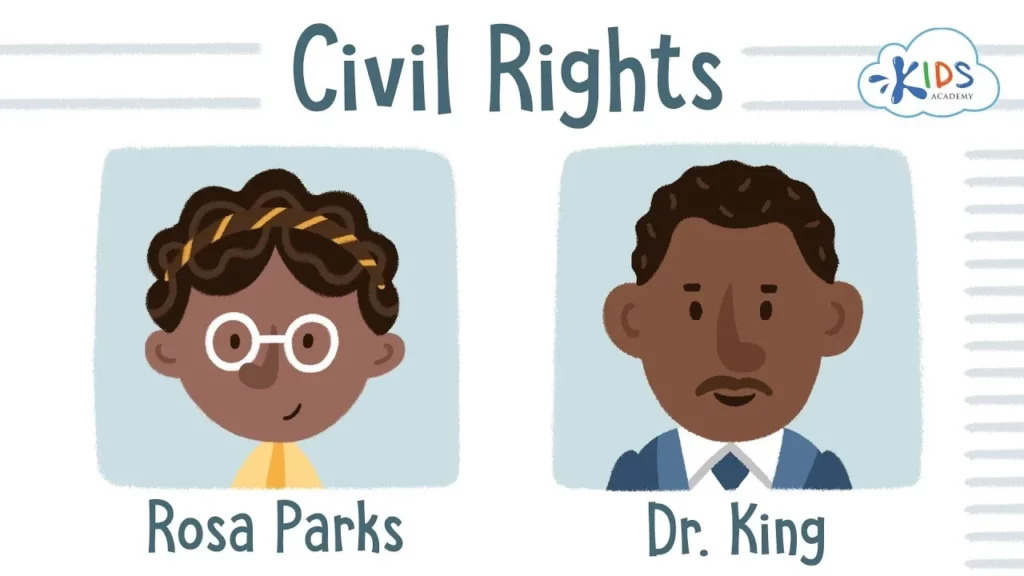
In today’s lesson, we explored the concept of segregation, a historical practice where people were unfairly separated based on their skin color. We learned about brave activists like Rosa Parks and Martin Luther King Jr., who fought for equality and helped bring about significant changes, including the passing of the Civil Rights Act in 1964, which ended segregation and promoted fairness for all. Remember, everyone is unique and deserves to be treated with respect and equality!
Learn Letter H | English Alphabet | Pre-kindergarten
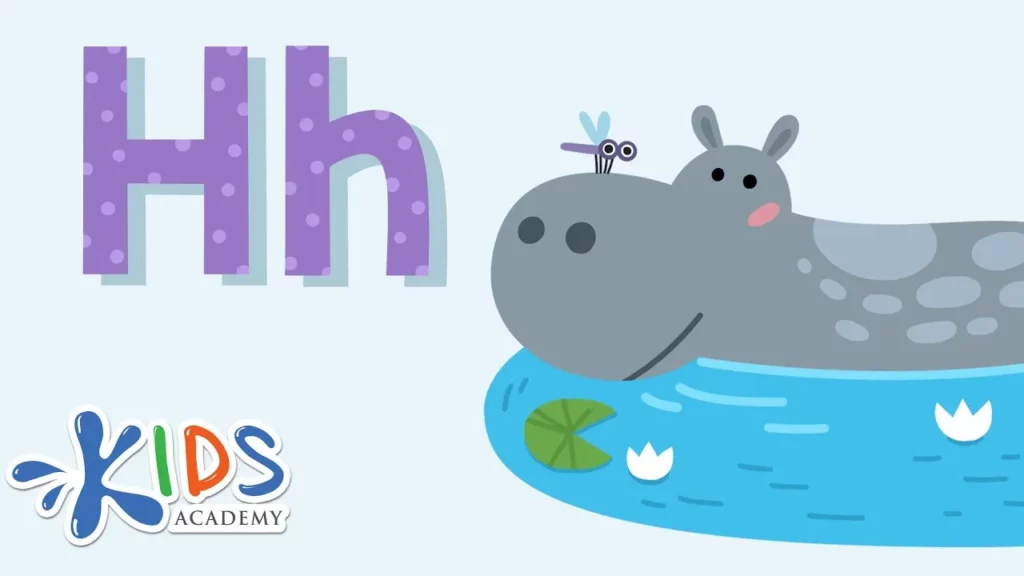
In this lesson, students are introduced to the letter H, learning to recognize both the uppercase and lowercase forms. They explore words that begin with H, such as “home,” and discover the homes of various animals, including hippos, horses, and hens. The lesson encourages children to reflect on their own homes and invites them to continue learning through interactive activities in the Kids Academy app.
Back to School – Who is the Teacher and What Teachers Do?
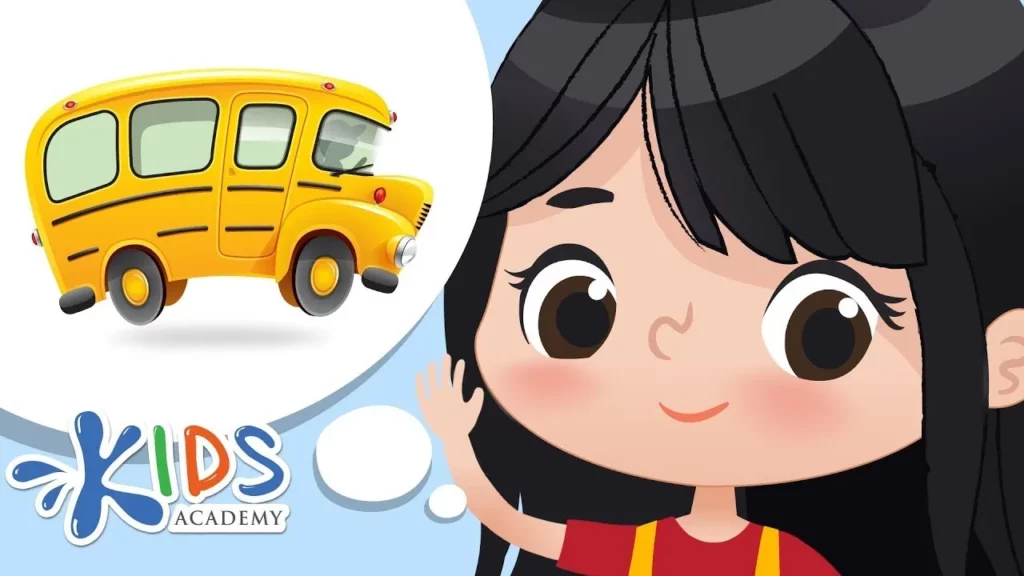
In today’s lesson, we explored the important role of teachers in our lives, highlighting how they help us learn various subjects like reading, writing, and math, as well as creative skills such as music and art. We also engaged in a fun trivia game to reinforce our understanding of what teachers do and where they work. Overall, the lesson emphasized the value of teachers and encouraged students to appreciate their favorite educators.
Special Moves: Pawn Promotion | Chess for Kids
In this lesson, students learned about pawn promotion in chess, which occurs when a pawn successfully reaches the opponent’s last row and can be transformed into a more powerful piece, typically a queen. The lesson emphasized that players can promote a pawn to any piece, regardless of whether they already have that piece on the board, and highlighted the importance of recording the move correctly. By understanding pawn promotion, players can enhance their strategy and strengthen their position in the game.
How to Count Coins – Counting Coins Worksheets
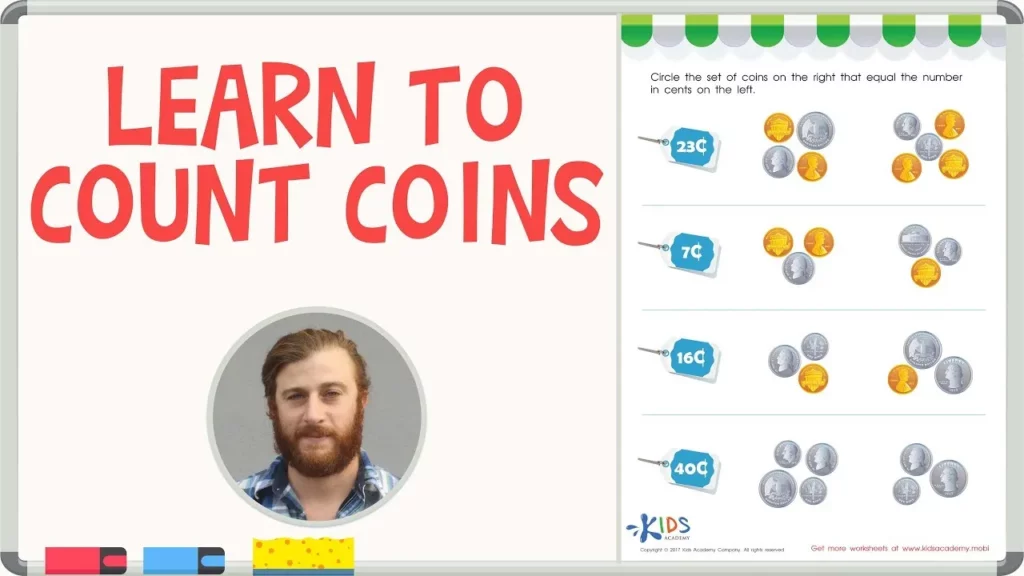
In today’s lesson, we learned how to count coins by identifying their values: pennies (1 cent), nickels (5 cents), dimes (10 cents), and quarters (25 cents). We practiced matching sets of coins to their total values through examples, emphasizing the importance of starting with the largest coin when adding. By the end of the lesson, students gained confidence in counting and adding different combinations of coins.