
Division Word Problems – 3rd Grade | Math Worksheets with Explanations
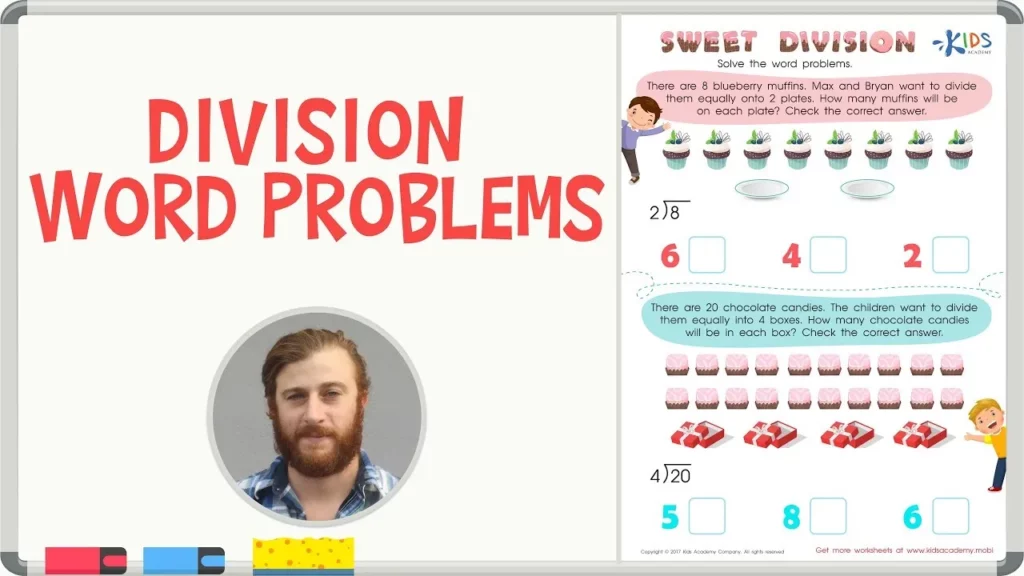
In today’s lesson, “Sweet Division,” we explored how to solve division word problems by identifying key information and using visual aids like drawings. We practiced with examples, such as dividing blueberry muffins and chocolate candies, and confirmed our answers through skip counting. The lesson emphasized the importance of visualizing problems and double-checking solutions to build confidence in division skills.
Grade 2: Grammar Practice – Adjectives and Adverbs Worksheet
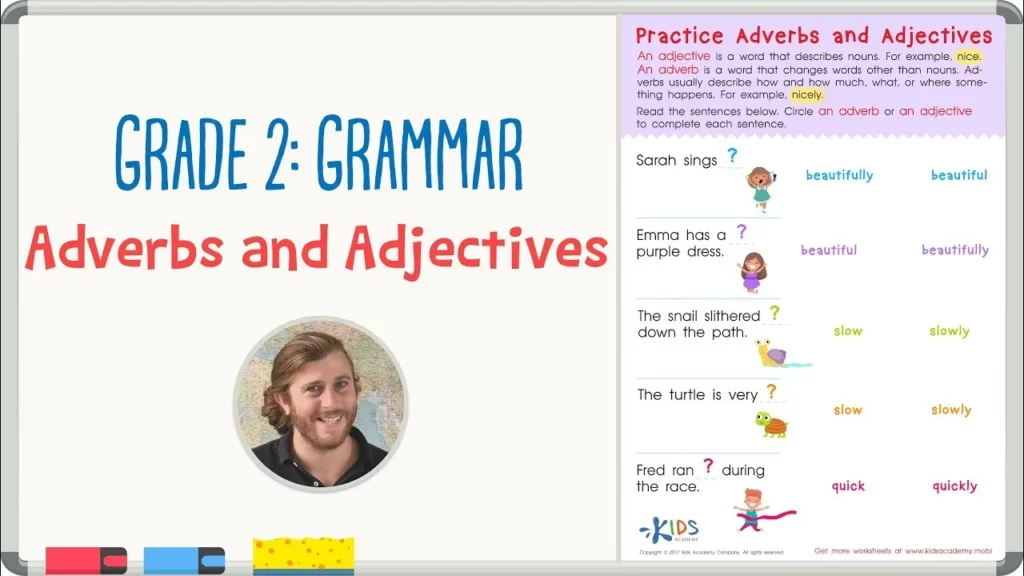
In today’s lesson with Teacher Mike, students learned about adjectives and adverbs, two important types of words that enhance sentences by providing descriptions. Adjectives describe nouns, while adverbs describe verbs, adjectives, or other adverbs, often indicating how, when, where, or to what extent an action occurs. Through engaging examples and practice, students gained a better understanding of how to correctly use these descriptive words in their writing.
Irregular Verbs for Children | English Grammar for 2nd Grade
In today’s lesson, we embarked on an adventurous journey with King Arthur to navigate a maze using irregular verbs, which do not follow the standard past tense formation. By making choices and constructing sentences with these verbs, we successfully guided Arthur to the sword in the stone, reinforcing our understanding of irregular verbs along the way. Keep practicing to become a verb expert!
Equal Parts | Math Lessons for 2nd Grade
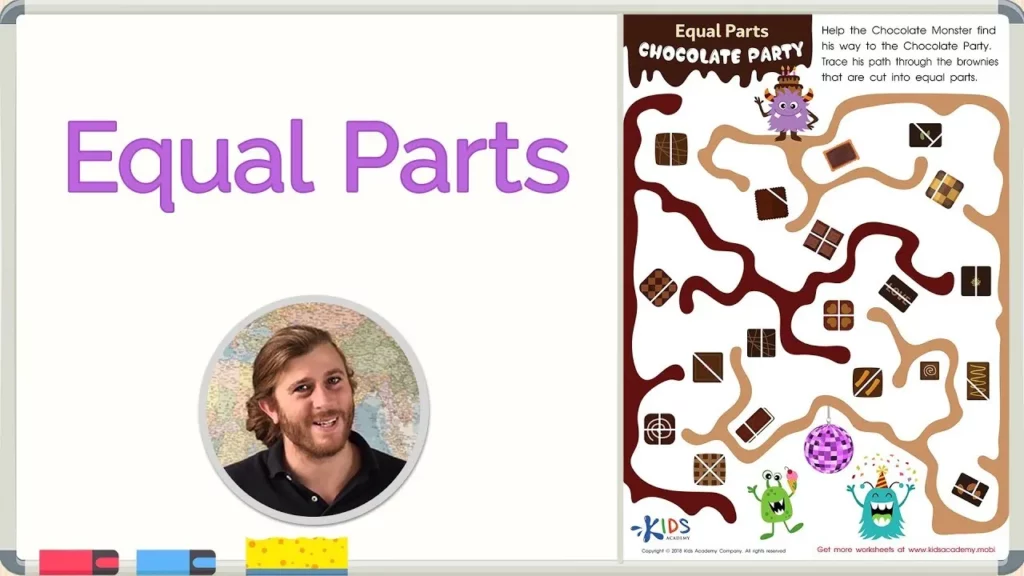
In today’s lesson, we explored the concept of “equal parts” with Teacher Michael, learning that equal parts are pieces of the same size, like identical twins. Through fun examples involving squares and brownies, we discovered how to identify equal parts by ensuring each piece is exactly the same size, which helps us choose the right paths in our adventure. Remember, whether it’s a chocolate bar or a brownie, equal parts are all about matching sizes!
Watch These 1st Graders Ace Math Trading and Adding!
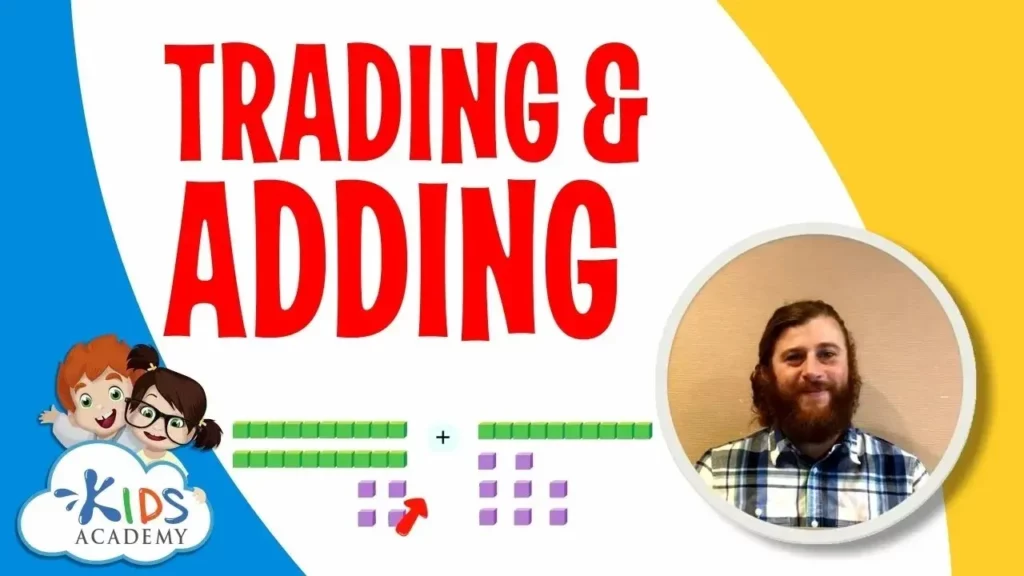
In this lesson, students are introduced to base 10 blocks and the “trading and adding” strategy, which simplifies addition by allowing them to trade ten small cubes for one long block. Through engaging examples and problems, learners practice combining blocks and cubes, reinforcing their understanding of place value and making addition more manageable. The lesson emphasizes the importance of trading to streamline calculations and encourages continued practice for mastery.
Subtraction for 1st Grade Kids | Math
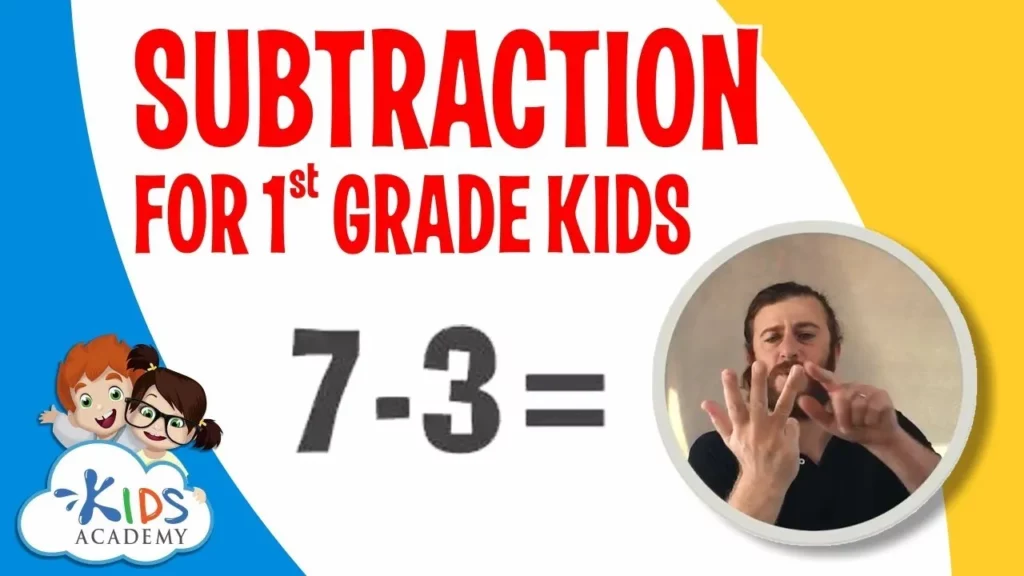
In today’s lesson, we explored subtraction using a fun method called “counting back,” which helps make the process easier and more engaging. By counting backwards from the first number to the second, students practiced various subtraction problems while helping a penguin find his way to his mother. Everyone did a fantastic job connecting the ice floes with answers of 6, reinforcing their subtraction skills in a playful way!
Associative Property of Addition for Kids | Math for 1st Grade
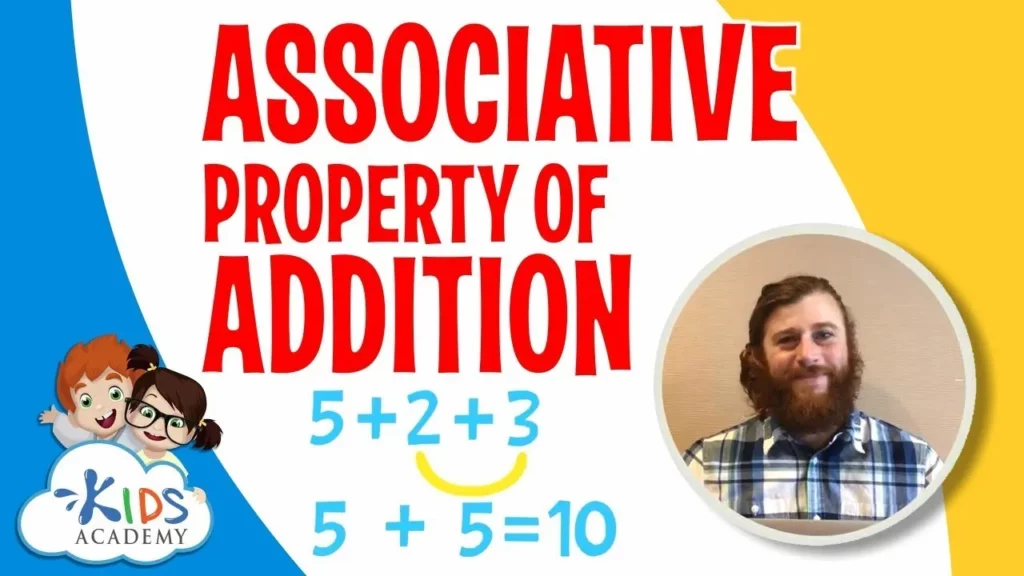
In today’s lesson, we explored the associative property of addition, which states that the order in which we add numbers does not affect the total. Through fun examples involving trains with numbers, we demonstrated how different groupings of the same numbers yield the same sum, reinforcing the idea that we can choose the order that makes addition easier for us. Remember, this “magic rule” allows for flexibility in addition, making math both simple and enjoyable!
Compare Heights – Zoo Contest | Preschool and Kindergarten
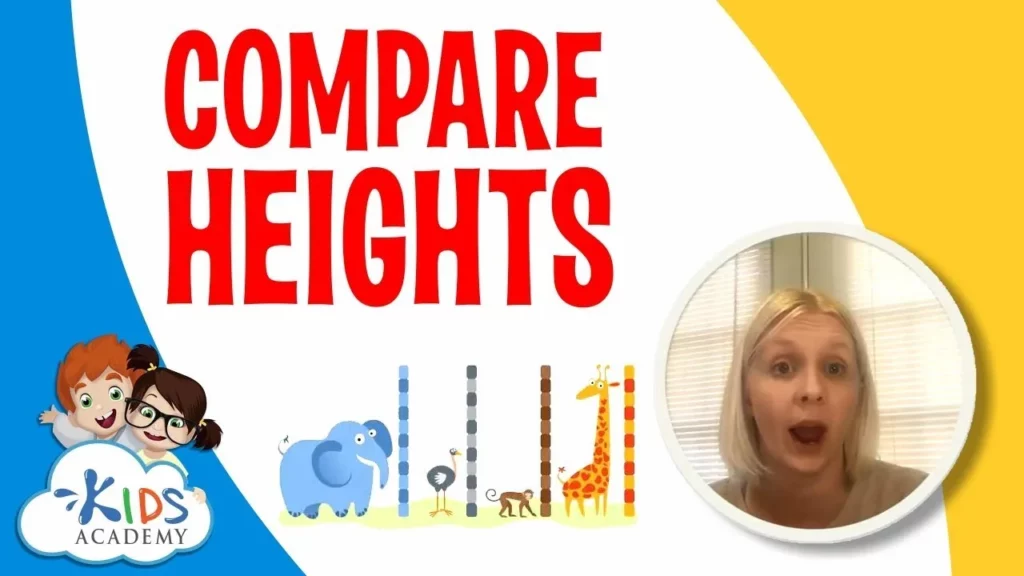
In today’s lesson, we explored the heights of four different animals—giraffe, elephant, monkey, and ostrich—using blocks for measurement. We counted together to determine that the giraffe is 11 blocks tall, the elephant is 7 blocks tall, the ostrich is 5 blocks tall, and the monkey is 2 blocks tall. Great job on counting and comparing their heights, and remember to keep practicing your measuring skills!
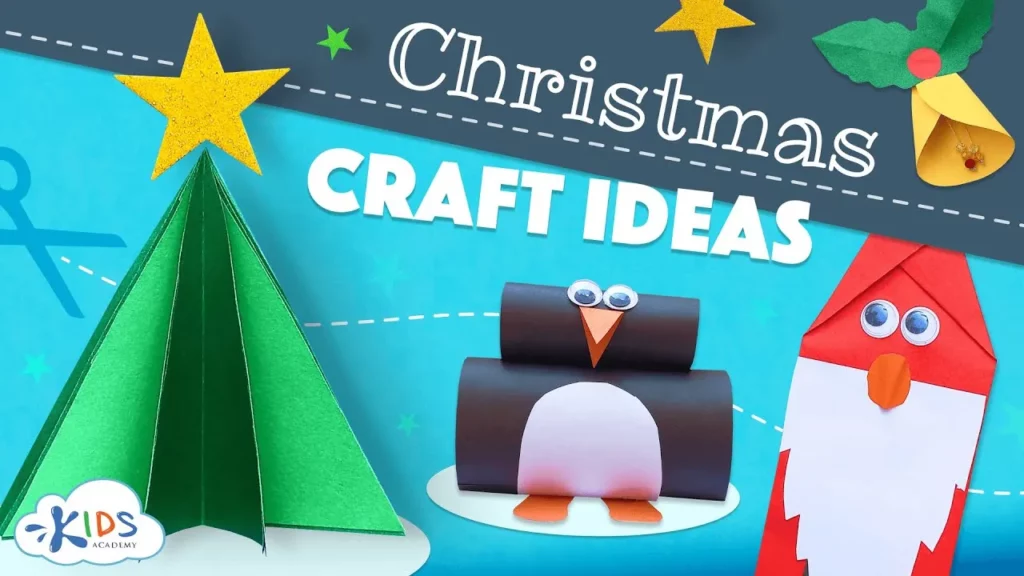
Christmas DIY for Kids | Christmas Craft Ideas + Christmas Songs for kids.
In this lesson, Kids Academy invites children to embark on a fun-filled learning journey through various subjects, including math, reading, and writing. Students will engage in exciting activities like solving math puzzles, exploring stories, and expressing their creativity through writing, while also discovering new concepts in colors, music, and science. The lesson encourages children to join the Kids Academy app for more interactive learning experiences.
Making Tens – Mental Math Activities for Children
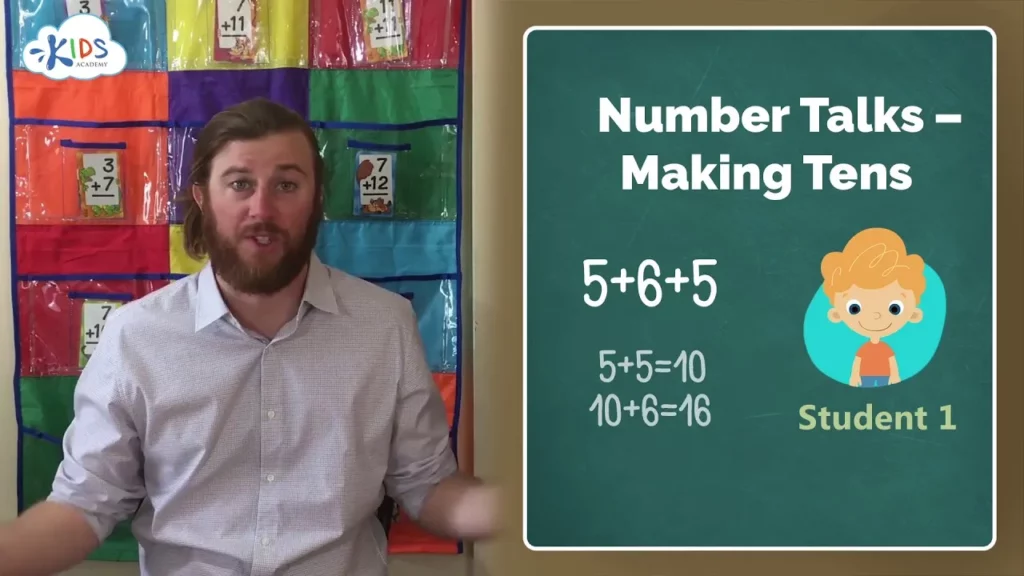
In this lesson, Michael Heyman introduces the concept of mental math as a valuable skill that allows us to solve problems quickly and easily without relying on calculators or paper. He emphasizes the importance of mental math in everyday situations and presents engaging activities like Mad Minutes, number songs, and number talks to enhance these skills while making learning enjoyable. The lesson encourages continuous practice and collaboration to become proficient in mental math.