
Repeated Addition using Arrays | 2nd Grade Math
In today’s lesson, “Fun Math with Fruits,” we explored addition using various fruits as visual aids. We counted and added apples, pears, tomatoes, and oranges in different arrangements, demonstrating how to arrive at the total through both rows and columns. This engaging approach not only made learning math enjoyable but also reinforced counting and addition skills.
What is Sound? | Science Experiments for Kindergarten
In this lesson, Andrew and Molly introduce children to the concept of sounds, explaining that sounds are a type of energy produced by sound sources. They encourage kids to explore their environment by identifying various sounds around them, from loud noises like barking dogs to quiet ones like whispers, and conclude with a fun game to guess common sounds. The lesson emphasizes the omnipresence of sound sources in everyday life and invites further exploration through additional activities.
Input and Output Tables – Find the Rule | Math for 1st Grade
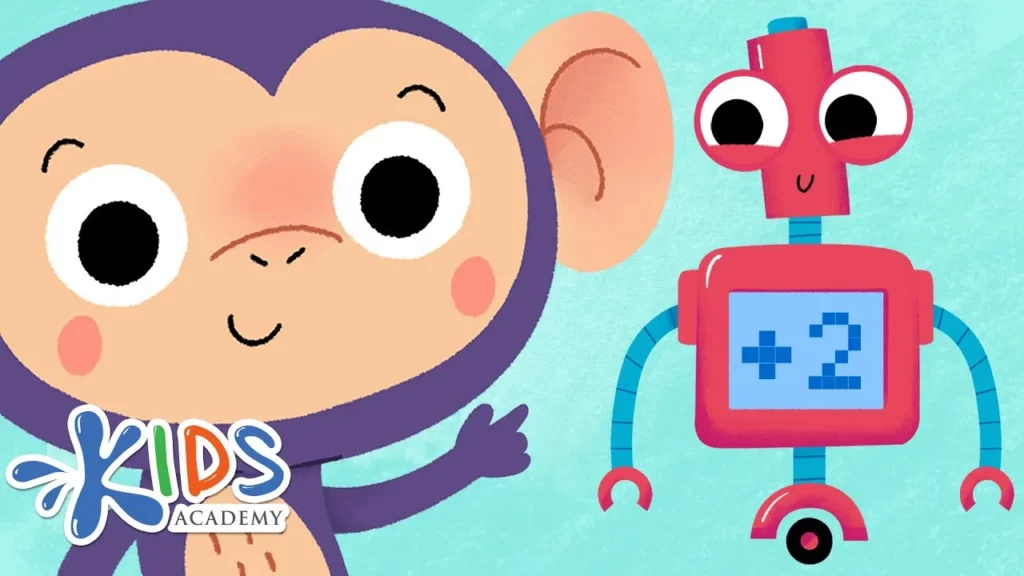
In today’s lesson, Teacher Michael introduced students to the concept of input and output using robots that follow specific mathematical rules. The “plus two” robot demonstrated how adding two to a number produces an output, while the “subtract four” robot showed how subtracting four can yield different results depending on the input. Students learned the importance of testing multiple inputs to ensure the rules work consistently.
Compare Numbers – Greater Than Less Than | Math for 1st Grade
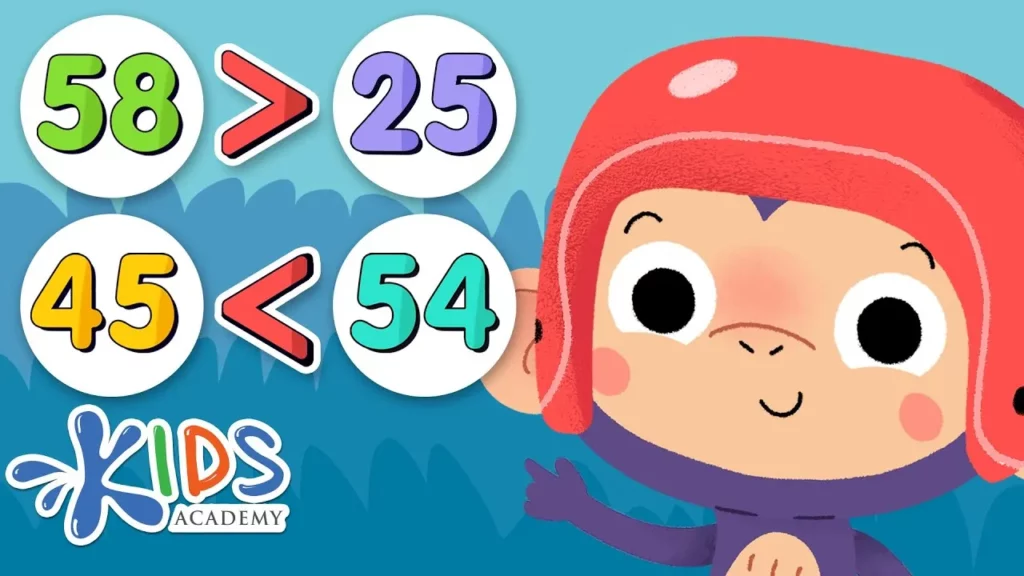
In today’s lesson, students learned how to compare numbers using place value, focusing on identifying which numbers are greater or less than others. They practiced comparing numbers like 25 and 31, as well as 54 and 45, and explored the concept of base 10 blocks to visualize these comparisons. The lesson concluded with a fun worksheet and a maze activity, reinforcing the idea that tens hold more value than ones when comparing numbers.
Communication Using Light and Sound | Science for Kids
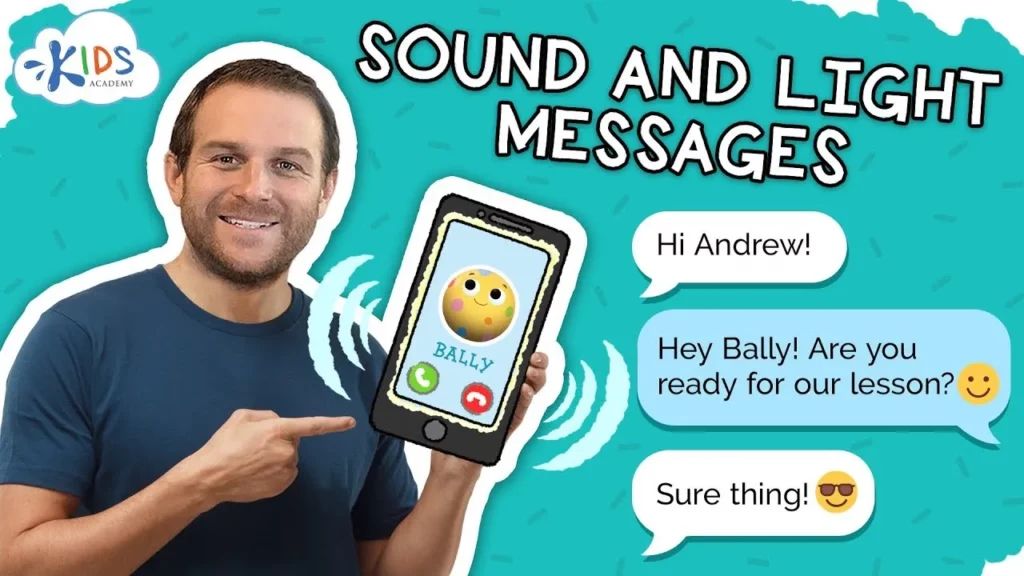
In today’s lesson, we explored how light and sound serve as vital forms of communication in our daily lives. We learned that light, which travels in waves, helps us see and conveys messages through signals like traffic lights and lighthouses, while sound, created by vibrations, alerts us to important events, such as doorbells and emergency sirens. By paying attention to these elements, we can discover the fascinating ways they enhance our understanding of the world around us.
Traffic and Common Signs. Teaching Children About Road Safety and Signs
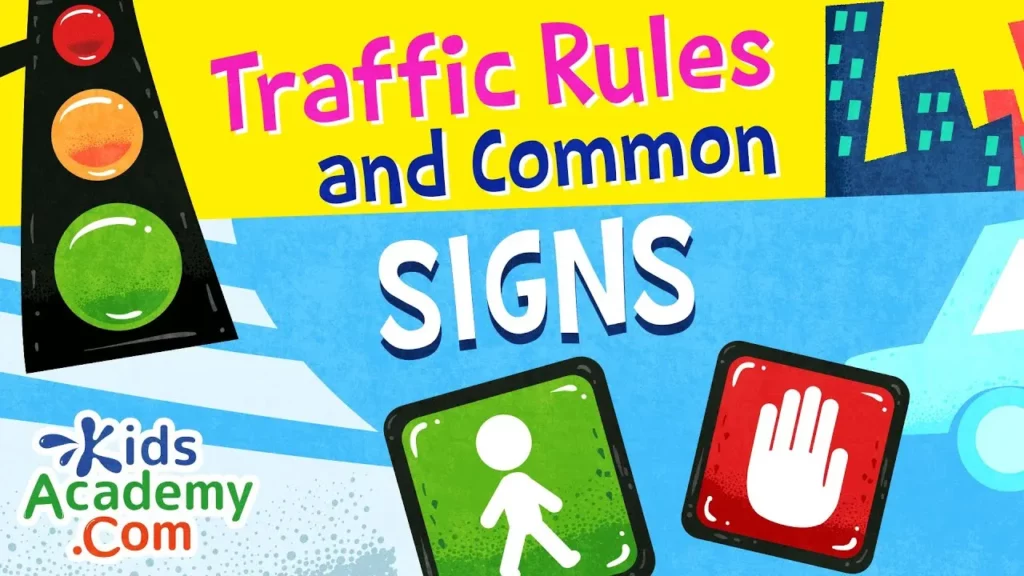
In the “Road Safety Adventure” lesson, young explorers learn essential road safety rules and the meanings of various road signs, such as stop signs, traffic lights, and zebra crossings. The lesson also covers community signs that promote safety and awareness, including no ball zones and restroom indicators. Through engaging activities and worksheets, children are encouraged to practice their knowledge and become proficient in recognizing these important signs to ensure their safety while navigating the world.
5 Regions of the United States | US Geography for Kids
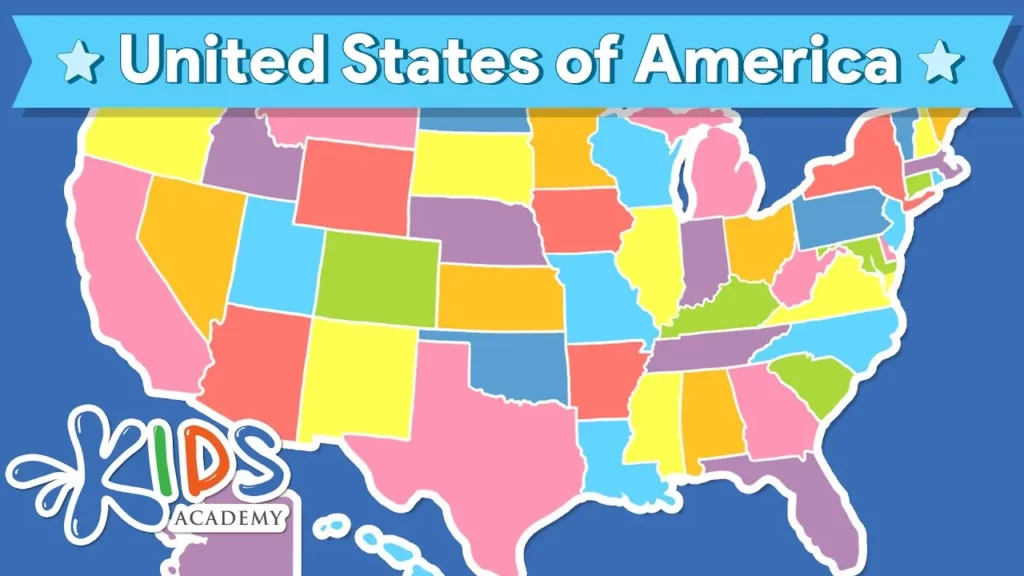
In this lesson, students explored the various regions and cities of the United States, learning about the five regions: West, Midwest, Southwest, Northeast, and Southeast, along with specific states and their notable cities. The lesson also highlighted Washington, D.C., as the capital, discussing important landmarks and memorials, and introduced famous national parks like Yellowstone and the Grand Canyon, encouraging students to think about which parks they would like to visit. Overall, it was an engaging journey through the geography and cultural landmarks of the U.S.
Hickory Dickory Dock (Halloween Song) + More Nursery Rhymes & Kids Songs
In the “Fun Rhymes and Songs” lesson, participants engage with playful rhymes and catchy tunes, exploring whimsical stories featuring characters like ghosts, mummies, and pirates in “Hickory Dickory Dock.” The lesson also includes interactive songs such as “Down by the Bay,” “London Bridge,” and “The Ants Go Marching,” encouraging creativity and laughter through silly questions and imaginative scenarios. Overall, it’s a joyful experience that promotes singing and bonding through music.
Ancient Egypt – The Pharaoh civilisation. Facts for Kids
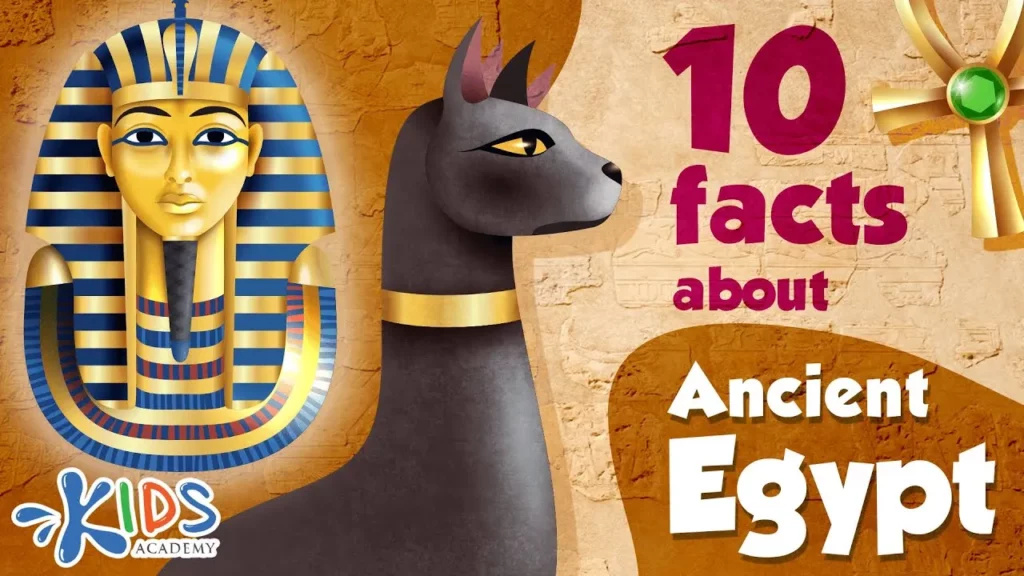
In this lesson, young explorers are introduced to ten fascinating facts about ancient Egypt, highlighting its rich culture and traditions. From the role of professional mourners and the invention of bread to the use of hieroglyphics and sundials, students learn about the daily life, beliefs, and innovations of this ancient civilization. The lesson encourages curiosity and further exploration of Egypt’s history and contributions to the world.
Magnet’s Magic for 2nd Graders! Science for kids
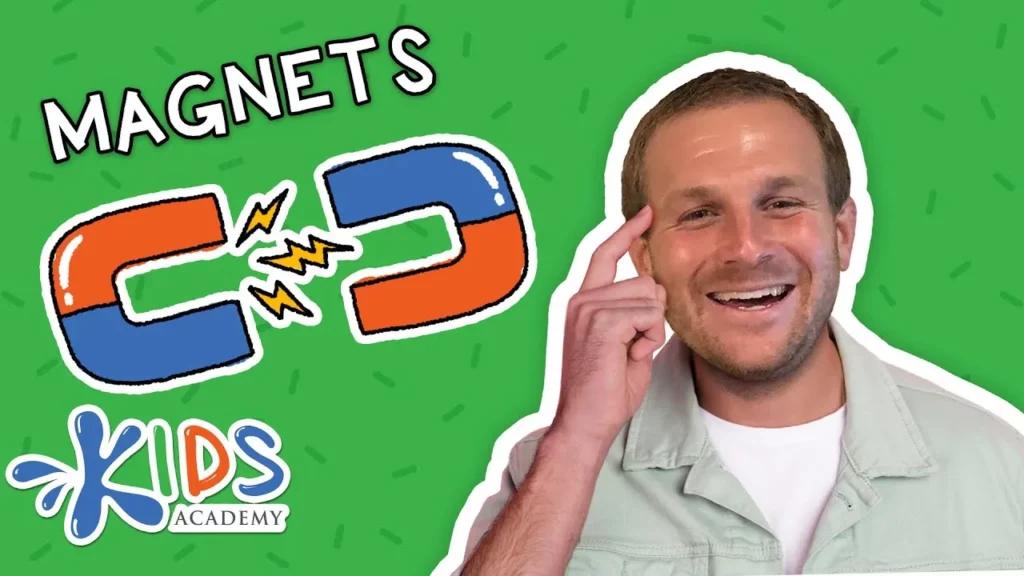
In this lesson, students explore the fascinating world of magnets, learning that they can attract certain objects without the use of glue due to an invisible force called a magnetic field. The lesson covers the basic principles of magnetism, including the concept of magnetic poles and how they interact, as well as practical applications of magnets in everyday life, such as in compasses. Through engaging activities and experiments, students discover which objects are magnetic and gain a deeper appreciation for the “magic” of magnets.