
How to Play Chess? Place of Power Episode 5
In this lesson, students are introduced to the basics of chess, including the unique naming system for each square on the chessboard, which uses a combination of letters and numbers. They learn about the starting positions of key pieces, the importance of controlling the center of the board for strategic advantage, and the potential power of pieces when positioned centrally. The lesson encourages continued practice and exploration of chess as a fun and engaging game.
Physical Properties of Materials | Science Video For Kids
In this lesson, students explore the diverse materials that make up the world around them by sorting objects based on size, color, and texture. They learn the importance of different materials in everyday items, such as the use of hard materials for floors and soft materials for clothing, and are encouraged to engage in hands-on activities by identifying and sorting objects in their own environment. The lesson emphasizes the fun and educational aspects of discovering materials and their properties.
Suffixes ful, less, ly, able | English Grammar for Grade 2
In this lesson, Chris the Word Whiz introduces students to suffixes, which are letters added to the ends of words to alter their meanings. The lesson covers four specific suffixes: **-ful** (meaning “full of”), **-less** (meaning “without”), **-ly** (indicating “how” or “how often”), and **-able** (meaning “can be”). Through engaging examples, students learn how these suffixes can change the meanings of words, enhancing their vocabulary and understanding of language.
Counting for Kids Up To 100 – Starting At Any Number | Math for 1st Grade
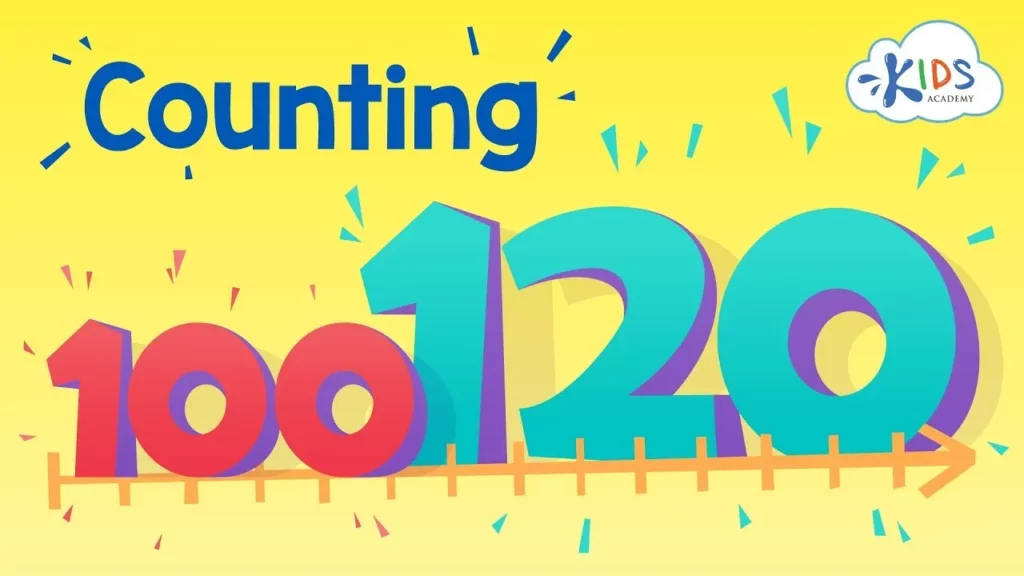
In this lesson, students learn to count from 100 to 120 by recognizing the similarities between counting from 0 to 20 and counting from 100 to 120. The lesson emphasizes identifying patterns in counting, encouraging students to practice and apply these patterns to enhance their counting skills. By the end, students are motivated to continue practicing and become proficient in counting.
American Inventors for Kids | Inventors Who Changed the World
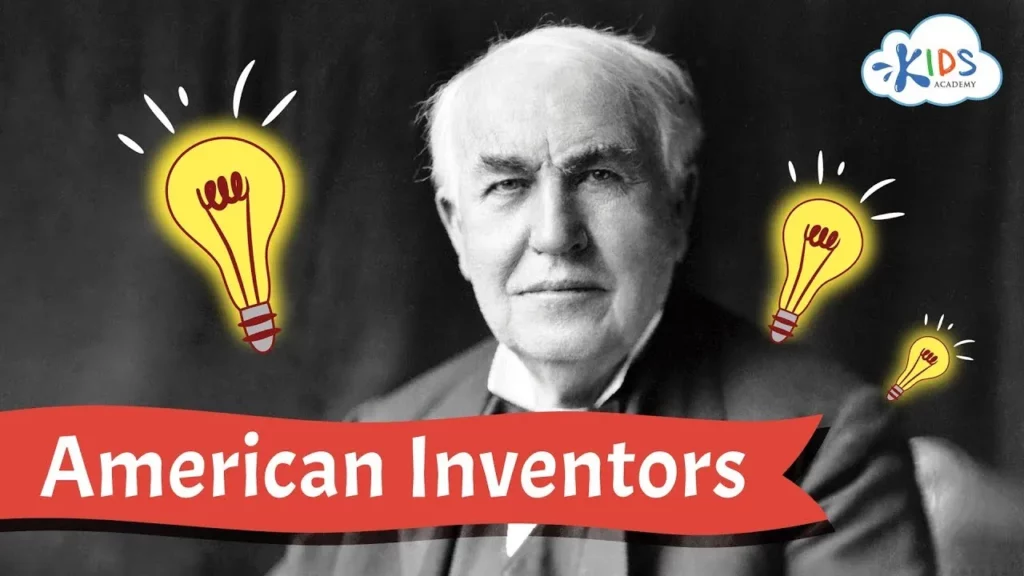
In this lesson, we explored the fascinating world of inventors and their groundbreaking inventions that transformed our lives. We learned about Samuel Morse’s electric telegraph and Morse code, Alexander Graham Bell’s invention of the telephone, Thomas Edison’s creation of the light bulb, and the Wright brothers’ development of the first successful airplane. Each of these inventors played a crucial role in shaping communication, lighting, and transportation, inspiring us to continue exploring and discovering new innovations.
Learn the Alphabet – Letter D | Phonics for Kids | Preschool and Kindergarten
In this lesson, students are introduced to the letter D through engaging examples such as dogs, ducks, and dinosaurs. Each section highlights fun facts about these animals, encouraging participation and reinforcing vocabulary. The lesson emphasizes the joy of learning and exploration, inviting students to continue discovering new words.
Communities for Kids – Types of Communities | Social Studies for Kids
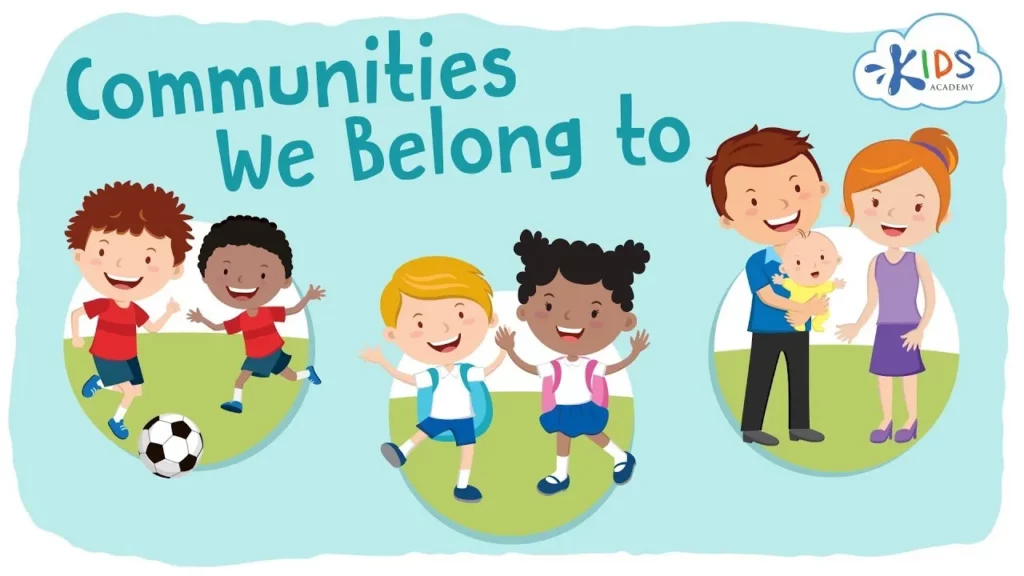
In this lesson, students explore the concept of communities, learning that they belong to various types, including family, school, social, neighborhood, city, country, and continent. Through the example of Maggie, they discover how these communities interact and the importance of social connections with friends and teammates. The lesson encourages students to reflect on their own communities and understand the diverse groups they are part of.
Human, Capital & Natural Resources for Kids | Types of Resources
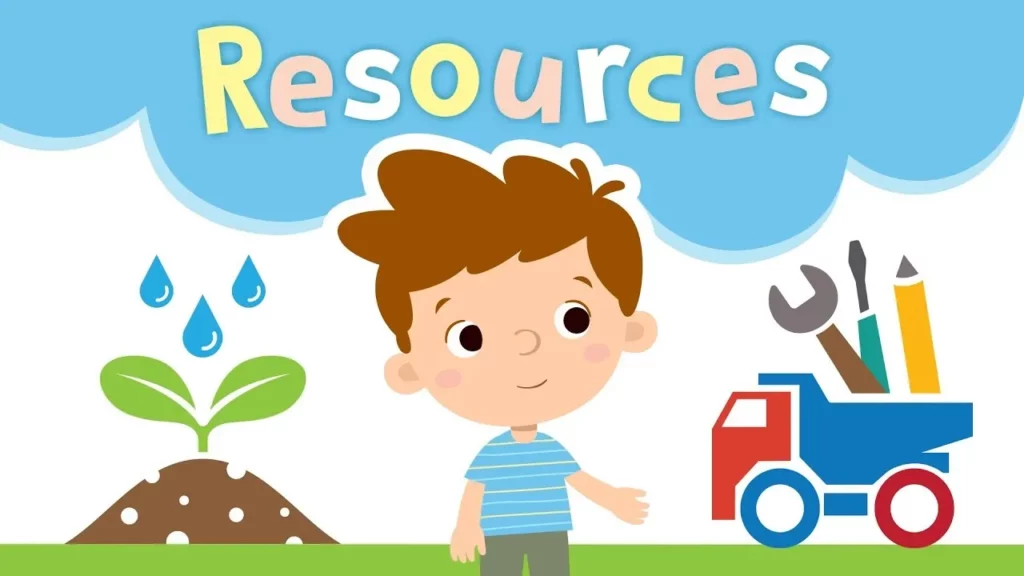
In today’s lesson, we learned about resources, which are essential elements that help us accomplish daily tasks. We explored three main types of resources: human resources (people providing services), capital resources (tools and equipment), and natural resources (elements found in nature). Understanding these resources helps us recognize their importance in our everyday lives.
Learn Alphabet for Preschool and Kindergarten | Letter H
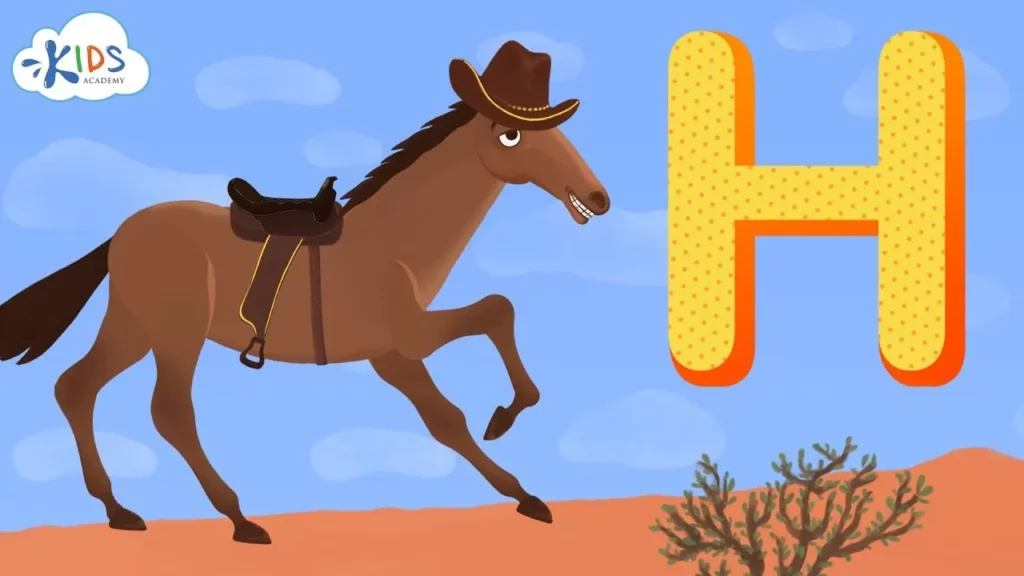
In this lesson, young learners are introduced to new words starting with the letter “H,” including “horse,” “head,” and “hat.” Through engaging descriptions and interactive prompts, children are encouraged to participate by saying the words and exploring their meanings. The lesson emphasizes the joy of learning and invites children to continue their educational adventure with more videos and games.
How to Play Chess? Episode 4: Secrets of the Chessboard
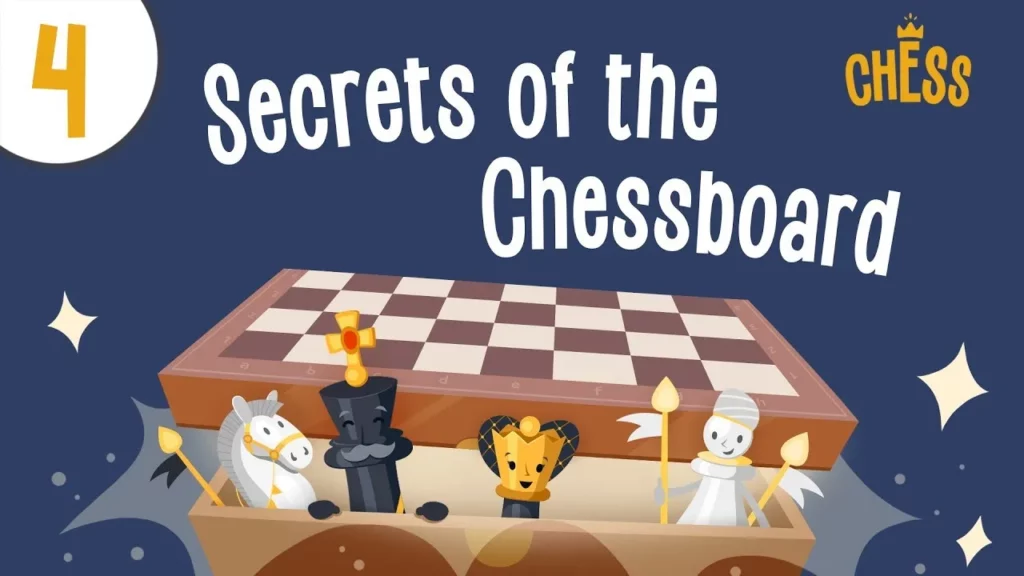
In today’s lesson, we introduced the fundamentals of chess, focusing on the chessboard’s structure and the various types of boards available. We explored the significance of the dark and light squares, learned about chess piece symbols, and discussed how pieces move along ranks, files, and diagonals. The lesson concluded with an overview of how each square on the board is named, setting the stage for further exploration in future classes.