
Your Community | Types of Community – Social Studies for Kids
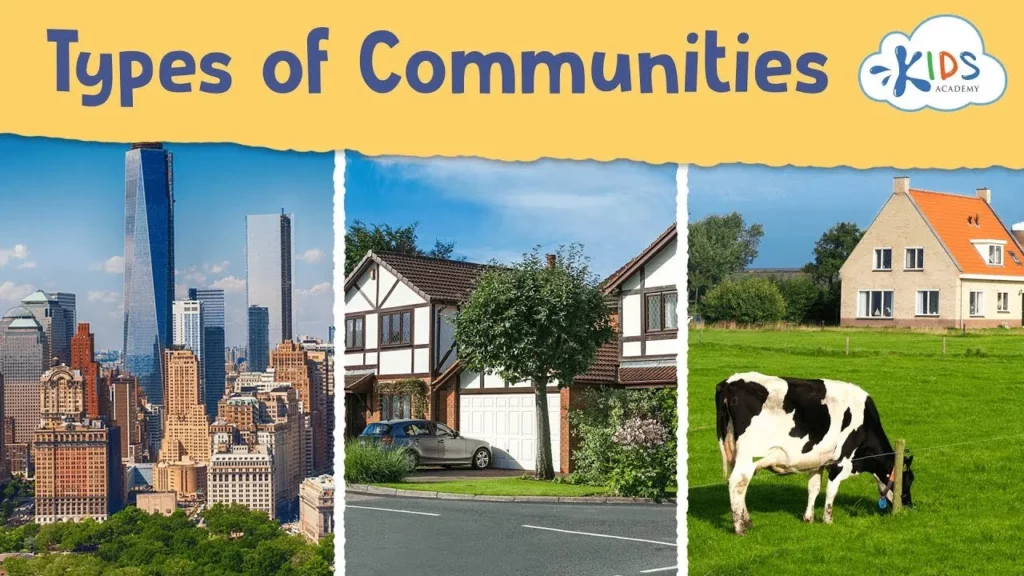
In this lesson, students explore the concept of communities, learning about the three main types: urban, suburban, and rural. Urban communities are characterized by their density and bustling activity, suburban areas offer a quieter lifestyle with more space, and rural communities provide open spaces and a connection to nature. The lesson encourages students to reflect on their own community and identify its characteristics.
Learn Letter W – Alphabet for Kids | Animated Educational Cartoon
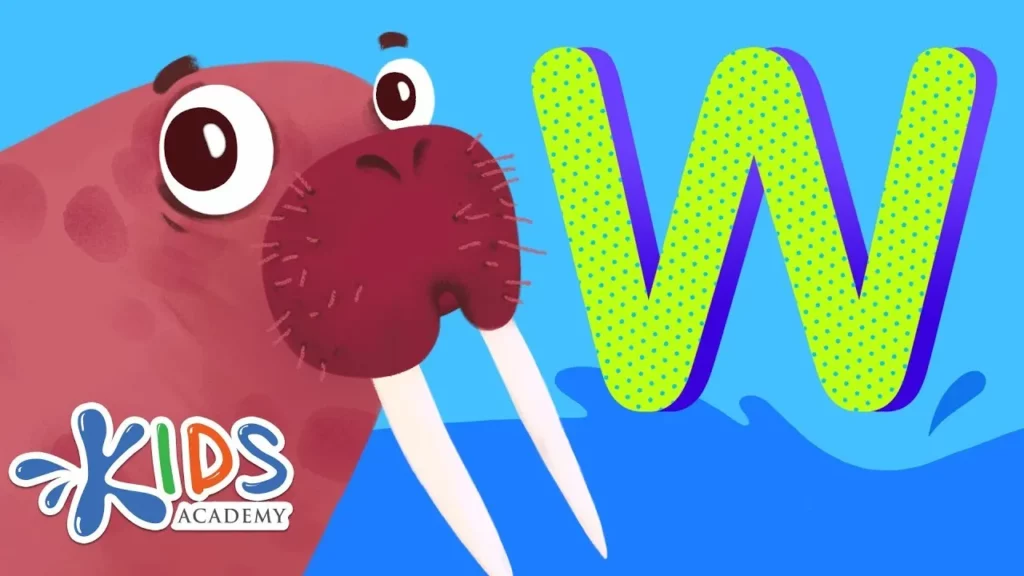
In today’s lesson, we explored the letter W, learning its sound “wuh” and discovering words that start with it, such as “water,” “walrus,” and “waffle.” We emphasized the fun of finding the letter W in our surroundings and encouraged continued exploration and practice to become a letter expert.
English Alphabet for Kids | Letter O
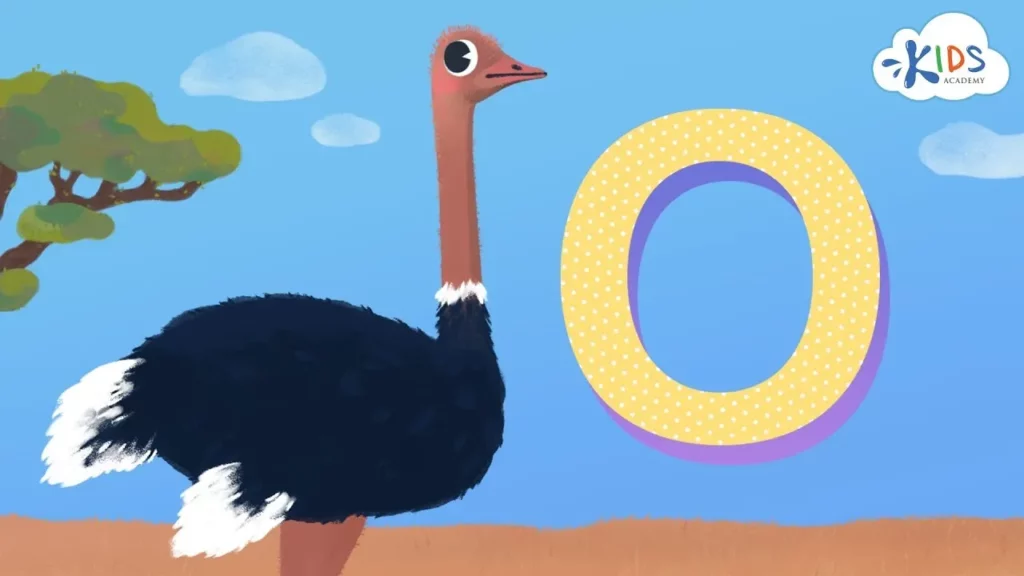
In today’s lesson, we explored the letter “O,” learning that it can produce two distinct sounds: “ah” as in “octopus” and “oo” as in “ocean.” We also discovered fun words that start with “O,” such as “ostrich” and “otter,” and learned that “O” can represent the shape of an oval. The lesson encouraged continued exploration and enjoyment in learning about letters and sounds.
Penguins for Kids: Interesting Facts – Different Types of Penguins for Children
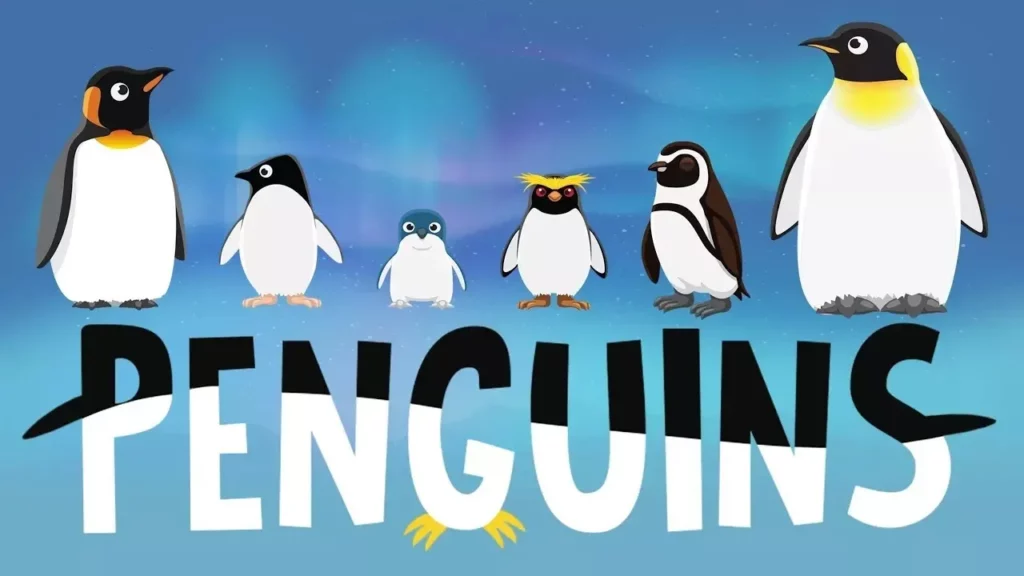
In this lesson, students are introduced to the fascinating world of penguins, unique birds that are excellent swimmers but cannot fly. They learn about penguins’ habitats in the southern hemisphere, their diet consisting mainly of fish and krill, and their social behavior, including living in large colonies and caring for their young. The lesson highlights the distinct physical characteristics of penguins and encourages curiosity about these friendly creatures.
Learn Letter C | English Alphabet | Pre-kindergarten
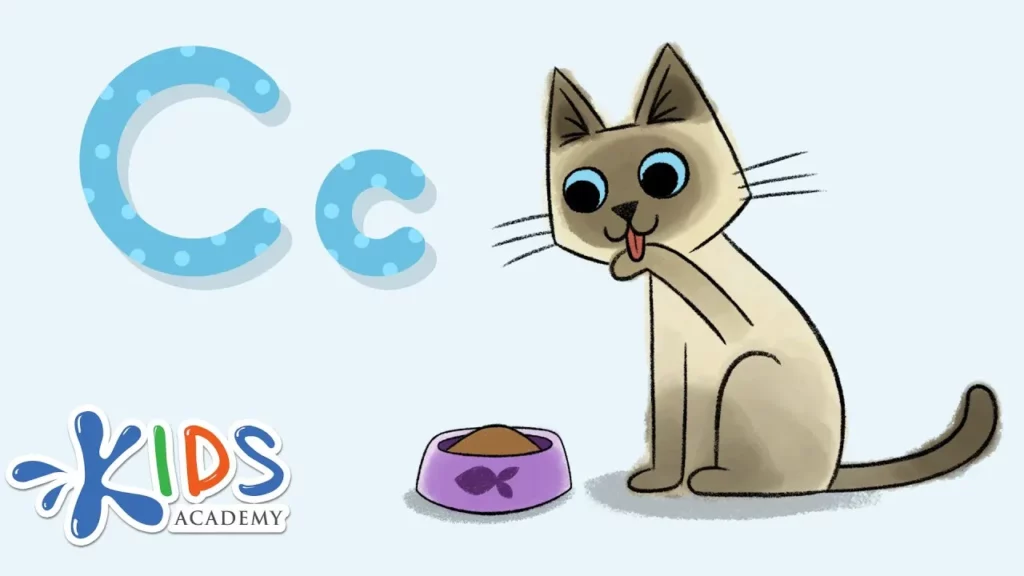
In today’s lesson, we explored the letter C, highlighting its uppercase and lowercase forms and its association with the word “cat.” We discussed the differences between wild cats and pet cats, emphasizing their adventurous nature and unique behaviors. The lesson encourages continued learning through fun activities, such as using the Kids Academy app, to discover more about letters and numbers.
Learn Number 3 | Learn Like Nastya | Preschool & Kindergarten
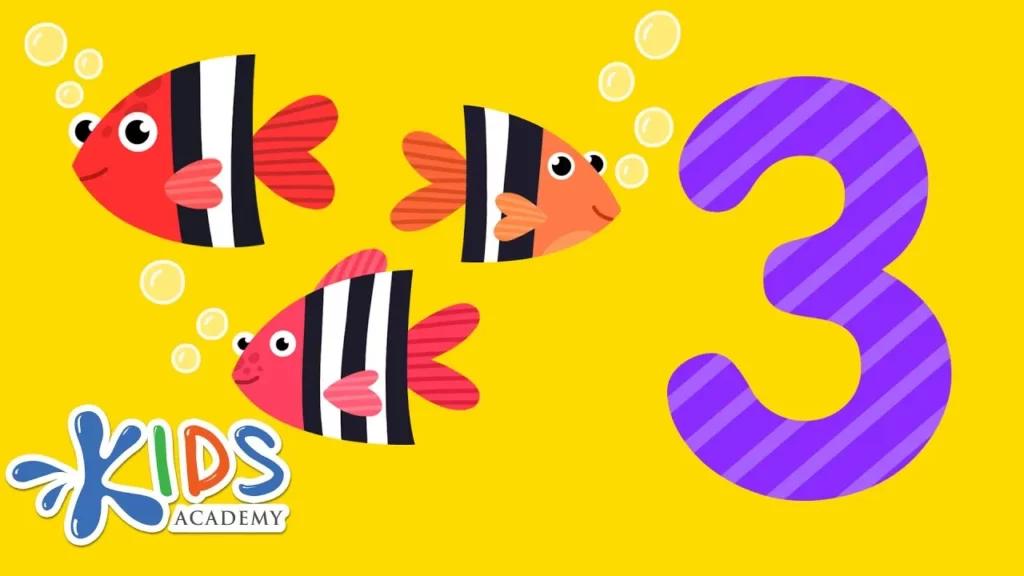
In today’s lesson, we explored the number three through fun examples found at the beach, including counting three stones, three sea plants, and three fish. We learned that numbers are all around us and can be found in everyday objects, encouraging us to keep counting and discovering. Remember, practicing with numbers helps us understand the world better!
Letter X – Learn the Alphabet for Preschool & Kindergarten
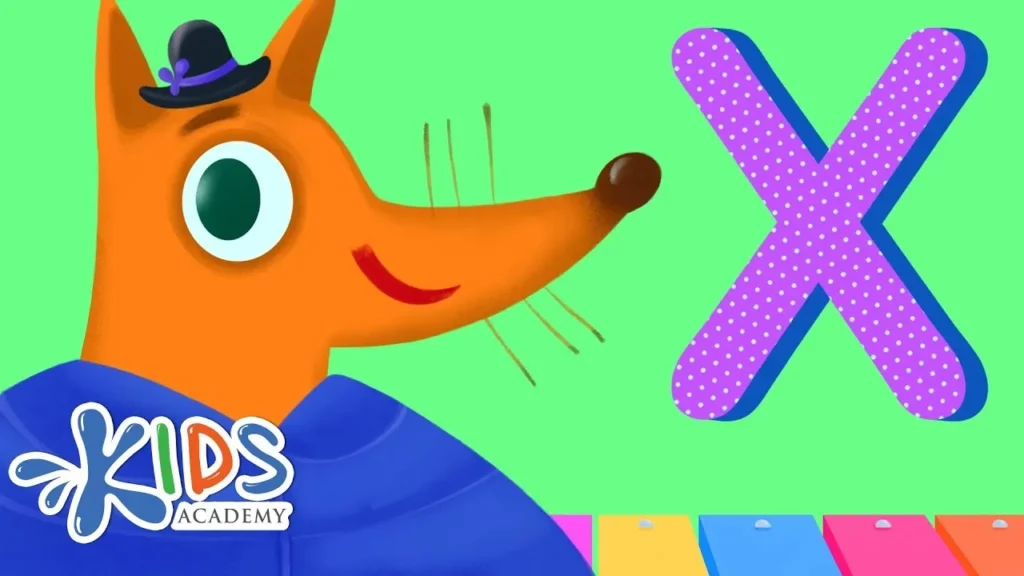
In today’s lesson, we explored the letter X and its various sounds, such as in the words “fox,” “X-ray,” and “xylophone.” Students practiced pronouncing these words and learned to identify the letter X in different contexts. The lesson encouraged continued exploration and practice to become proficient with the letter X.
Jamestown Settlement | Jamestown Colony | Educational Story for Kids
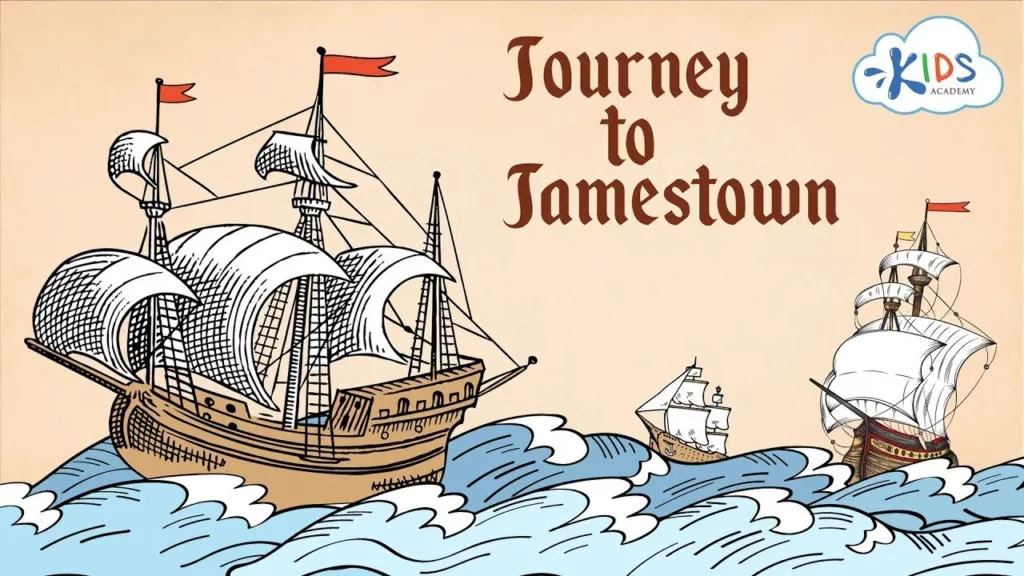
In this lesson, we explored the story of Jamestown, the first English settlement in North America, established in 1607 after a four-month voyage from London. The settlers chose Jamestown for its strategic location, surrounded by water and uninhabited, allowing them to create a safe community. This adventure highlights the significance of settlements and the early efforts of English colonization in America.
Fact Family Triangles – Addition and Subtraction Cartoon | Math for 1st Grade
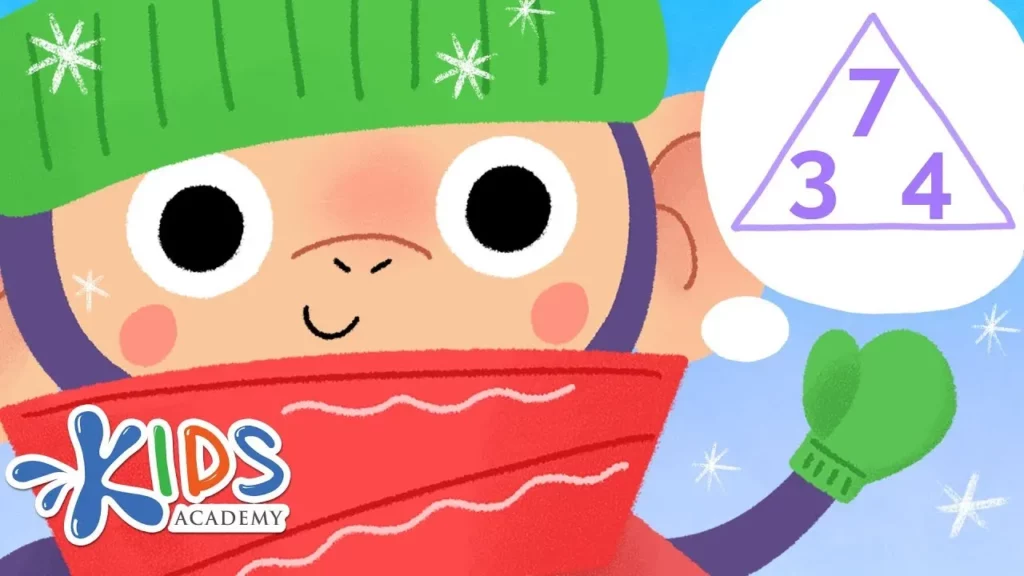
In this lesson, students learn about fact families through the engaging theme of a dog sled race. By using relatable examples involving ropes and sled dogs, the lesson illustrates how addition and subtraction are interconnected, demonstrating this concept with various scenarios involving different animals. The fun and interactive approach helps solidify the understanding of fact families while preparing for an exciting adventure.
Recycling for Kids | Recycling Plastic, Glass and Paper | Recycle Symbol
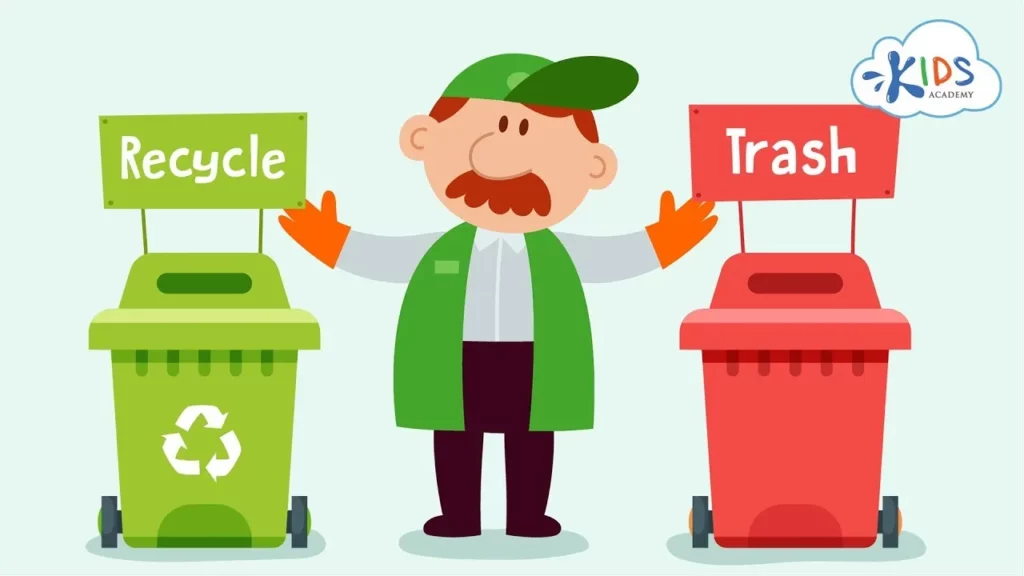
In today’s lesson, we explored the importance of cleaning up and recycling, learning how to identify what can and cannot be recycled. We discovered the recycling symbol and practiced sorting various items into the correct bins, emphasizing that materials like glass, metal, plastic, and paper can be recycled, while food waste should go in the trash. By the end of the lesson, we understood how recycling helps turn old items into new products, contributing to a cleaner planet.