
Flags of Europe – Geography for kids
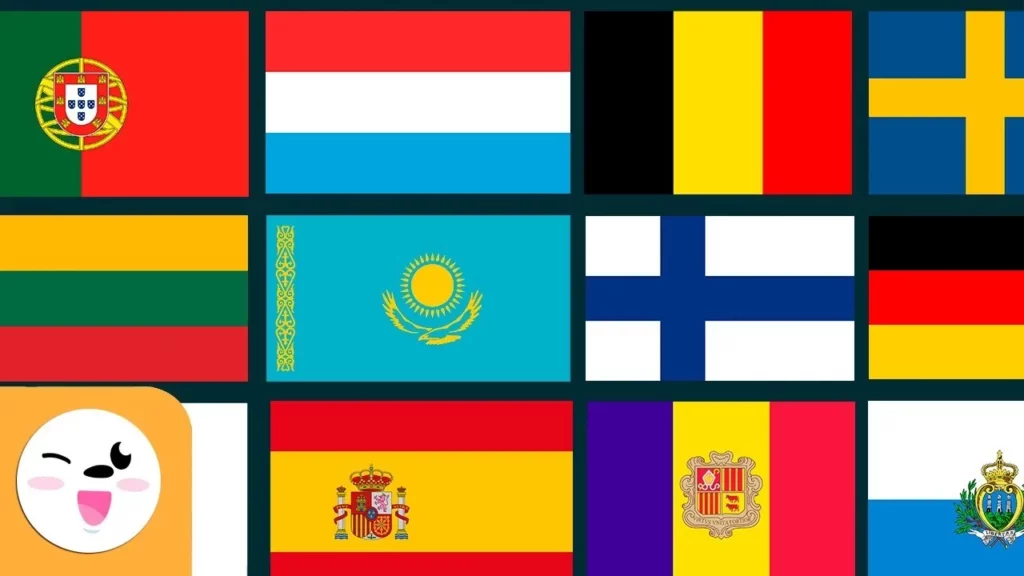
In this lesson, kids explore the flags of various European countries, learning about their unique colors and symbols. The lesson covers flags from Albania to Ukraine, highlighting distinctive features such as the double-headed eagle of Albania and the Scandinavian cross of Denmark. By the end, students are encouraged to remember the flags and continue their exploration of geography.
Wild animals, farm animals and aquatic animals for kids – Vocabulary for kids
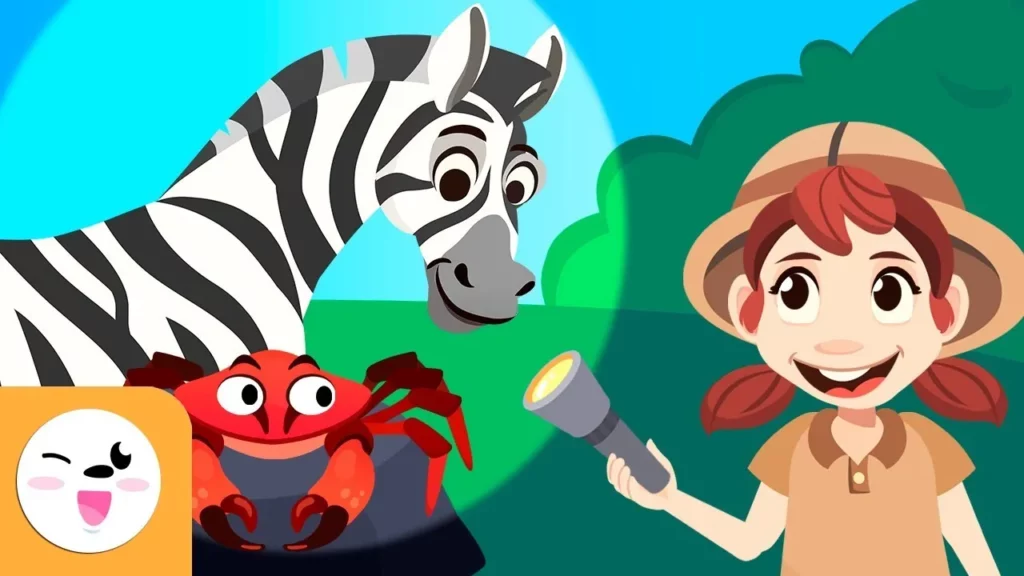
In this lesson, students embark on three exciting adventures to learn about different types of animals: wild, farm, and aquatic. Each section introduces various animals, highlighting their unique characteristics, such as the lion being the king of the jungle and the dolphin’s intelligence. The lesson concludes with a recap of all the animals explored, reinforcing the knowledge gained during the adventures.
Rotation and Revolution of Earth – Movements of the Earth – Earth’s Revolution & Rotation
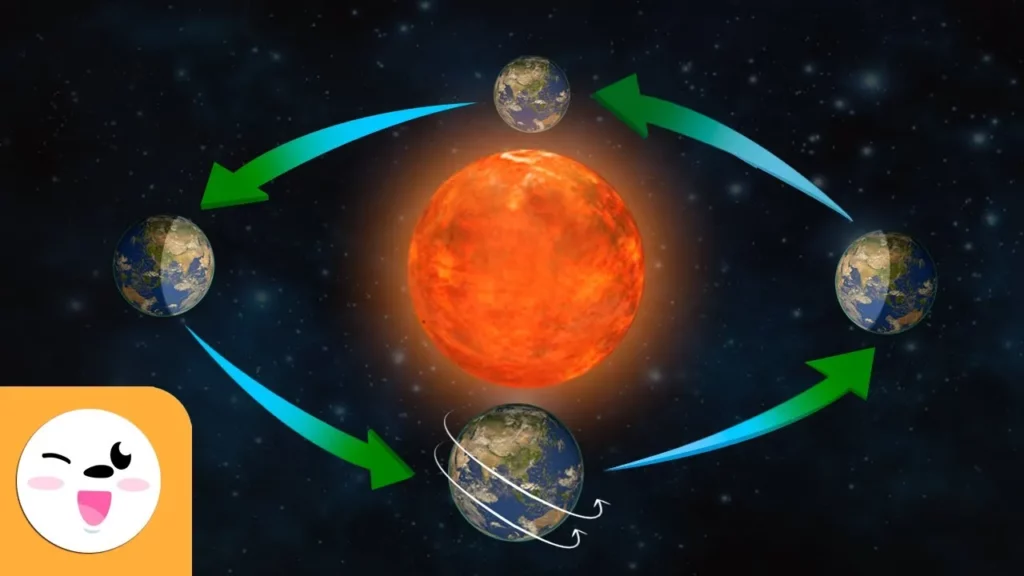
In this lesson, we explored the two key movements of Earth: rotation and revolution. Earth’s rotation, which takes 24 hours, causes day and night, while its revolution around the sun, occurring over a year, leads to the changing seasons. Understanding these movements not only helps us comprehend our planet’s behavior but also reassures us about the safety of Earth from potential asteroid impacts.
Spot the different flag – The most unusual flags in the world – Visual attention for kids
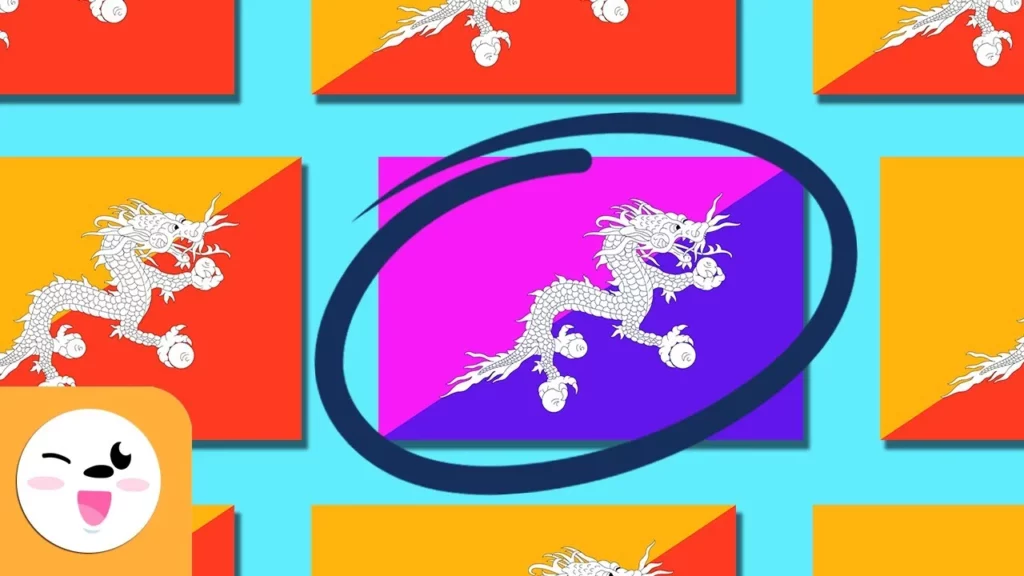
In the lesson “Spot the Different Flag – The Most Unusual Flags in the World,” participants engage in a fun challenge to identify the unique flag among similar images across ten progressively difficult levels, each with a 15-second time limit. As players successfully spot the differences, they are encouraged to stay alert and focused, culminating in a final challenging level that tests their skills. The lesson concludes with an invitation to explore the Smile and Learn platform for more educational games and activities.
Days of the week for kids – What are the days of the week? – Learn new words in English
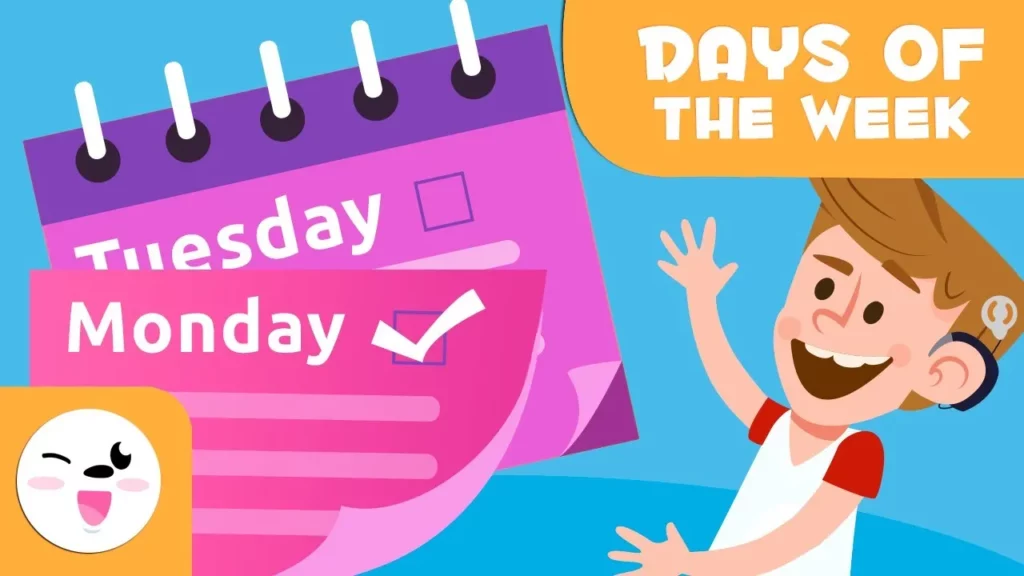
In this lesson, we learned about the seven days of the week, each with its unique significance. From Monday as the start of the school week to Sunday as a day of rest, the lesson emphasizes the importance of each day and encourages continued practice and engagement through fun activities.
Flags of America (Part one) – Geography for kids – American flags
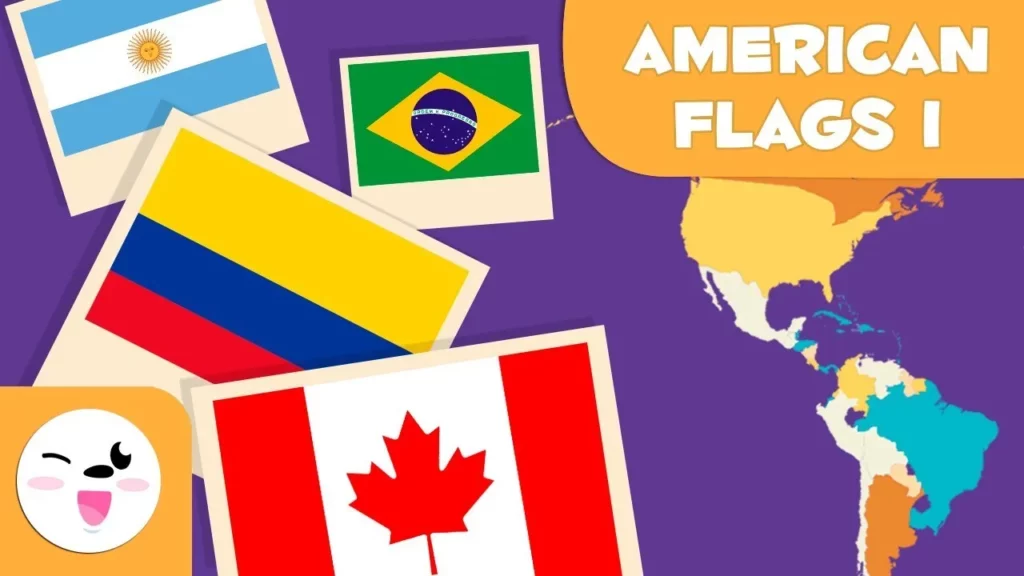
In this lesson, students explored the flags of various countries in America, including Antigua and Barbuda, Argentina, and Brazil, among others. Each flag was described in detail, highlighting its colors and symbols, fostering recognition and understanding of national identities. The lesson concluded with a recap of the flags learned, encouraging students to remember and engage with the material.
The Industrial Revolution – 5 things you should know – History for children
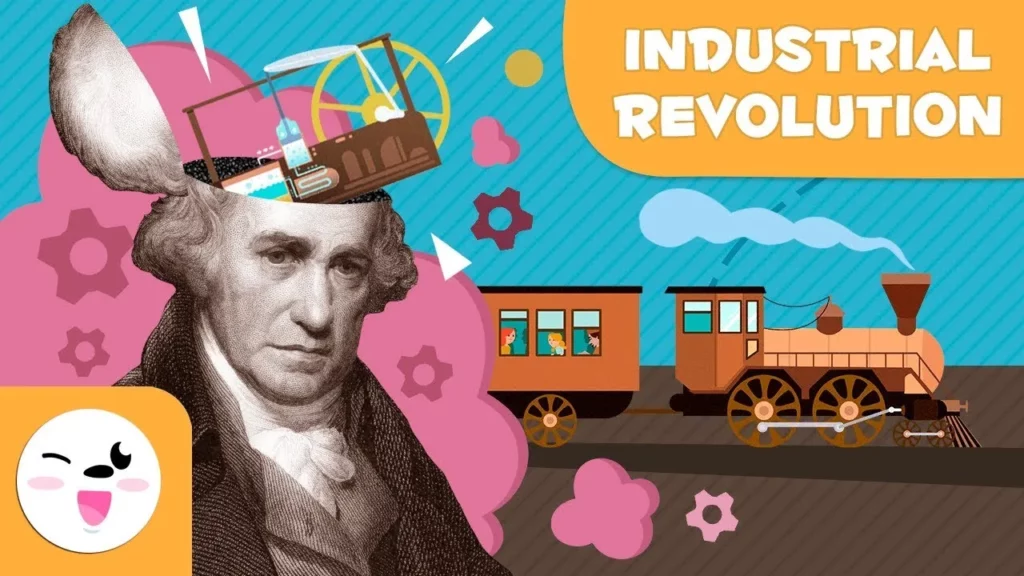
The lesson on the Industrial Revolution highlights five key aspects that transformed society during this period. It began in 18th century England with the invention of the steam engine, leading to the rise of factories and significant changes in manufacturing and transportation. Additionally, the revolution created new social classes and improved communication through inventions like the telegraph, ultimately shaping the modern world.
Flags of America (Part Two) – Geography for kids – American flags
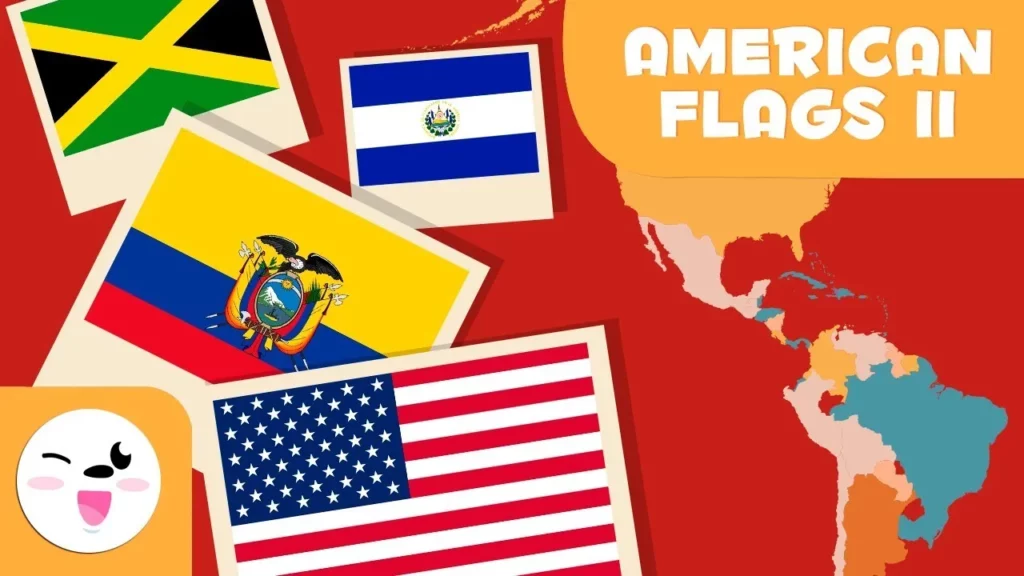
In this lesson, students embark on an exciting exploration of various flags from America, including those of Dominica, Ecuador, El Salvador, and others. Each flag is described with its unique colors and symbols, helping learners to recognize and remember them. The lesson concludes with a fun challenge to recall the flags discussed, encouraging engagement and retention of the information.
States of matter for kids – What are the states of matter? Solid, liquid and gas
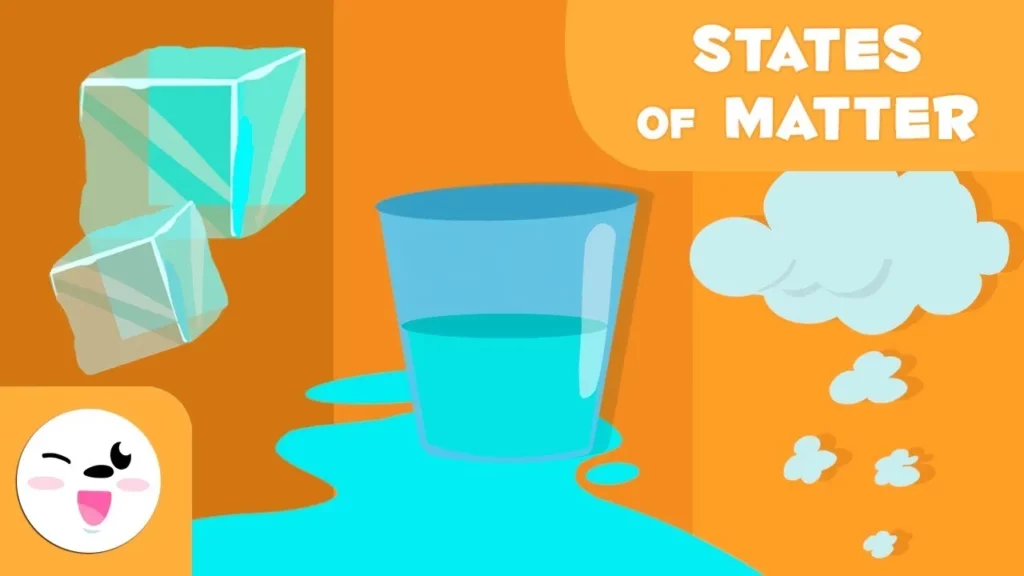
In this lesson, children learn about the three states of matter: solids, liquids, and gases. Solids have a fixed shape and volume with tightly packed particles, liquids take the shape of their container while maintaining a constant volume with more freely moving particles, and gases have neither a fixed shape nor volume, with particles that move freely and are far apart. The lesson encourages curiosity and further exploration of matter through interactive resources.
Flags of America (Part Three) – Geography for kids – American flags
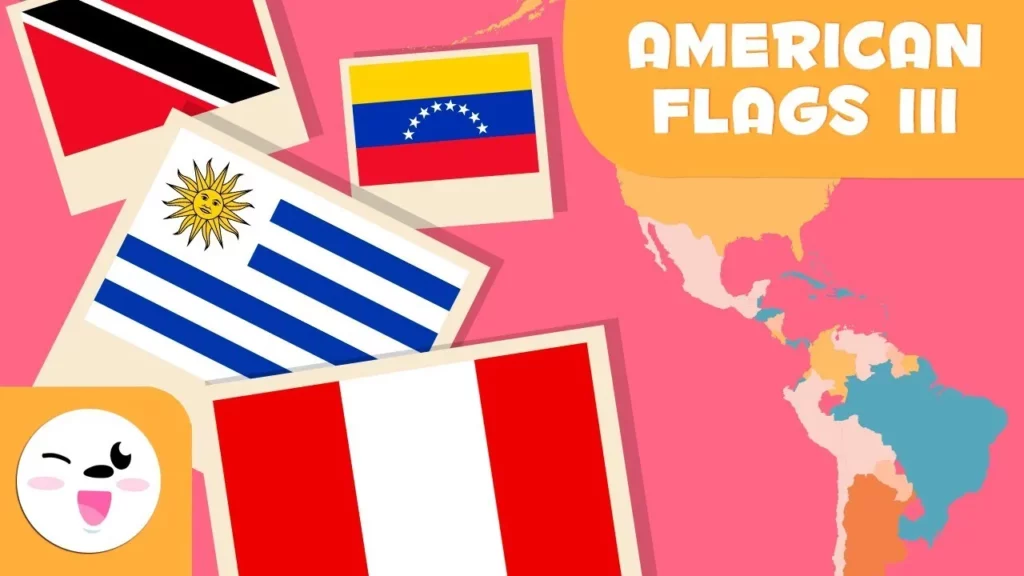
In this lesson, students embark on a colorful journey to explore various flags from different countries in America, including Panama, Paraguay, Peru, and more. Each flag is described with its unique design elements, such as colors, shapes, and symbols, making the learning experience engaging and memorable. The lesson concludes with a recap of the flags covered, encouraging students to remember and appreciate the diversity of these national symbols.