
The water cycle for kids – What is the water cycle? – Why does it rain? – Science for children
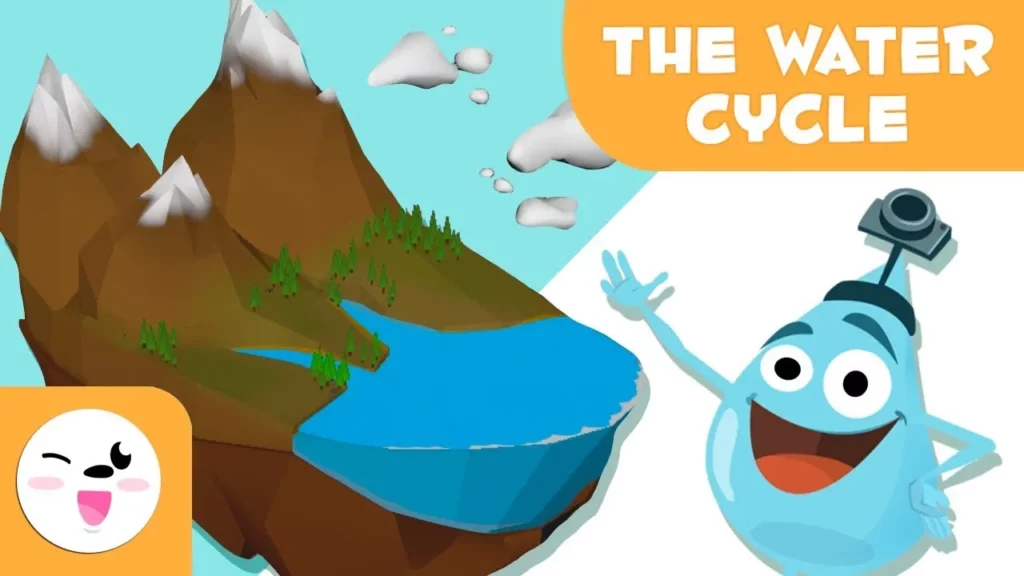
The lesson on the water cycle explains how water continuously moves through the Earth’s systems, driven by the sun’s energy. It consists of three main processes: evaporation, where water turns into vapor; condensation, where vapor cools and forms clouds; and precipitation, where water falls back to the ground as rain, snow, or sleet, completing the cycle. This cycle is essential for maintaining the planet’s ecosystems and can be explored further through interactive resources.
The Ancient Egypt – 5 things you should know – History for kids
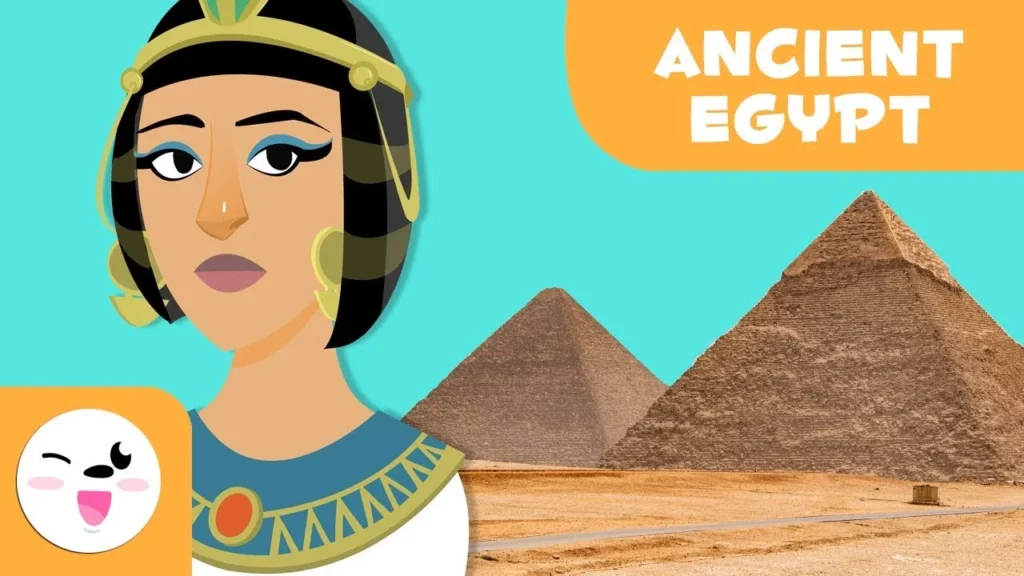
This lesson introduces key aspects of ancient Egypt, highlighting five essential elements of its civilization. It covers the construction of the Pyramids of Giza as royal tombs, the mummification process reflecting beliefs in the afterlife, the significance of the Nile River for agriculture and transportation, the powerful role of pharaohs, including notable figures like Cleopatra and Tutankhamun, and concludes by encouraging further exploration of this fascinating historical period.
The number 1 for kids – Learning to count – Numbers for children – The number one song
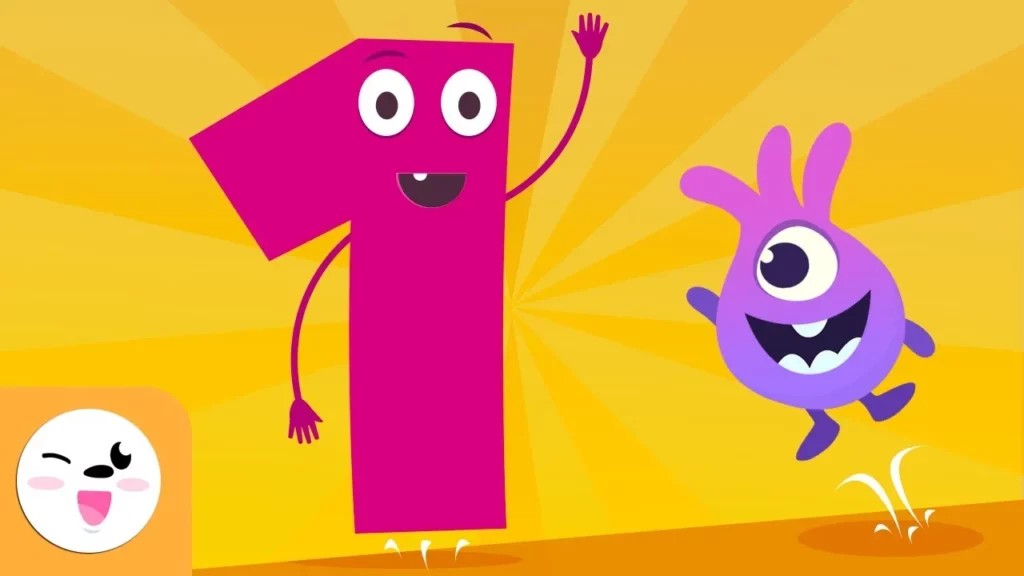
In this lesson, children are introduced to the number one, the first number they learn. They engage in activities such as saying and writing the number, identifying examples of one in everyday objects, and singing a fun song about a one-eyed alien. The lesson emphasizes the simplicity and importance of the number one in a playful and interactive manner.
YOGA for Children – Aquatic Animals Yoga Poses – Yoga Practice Tutorial
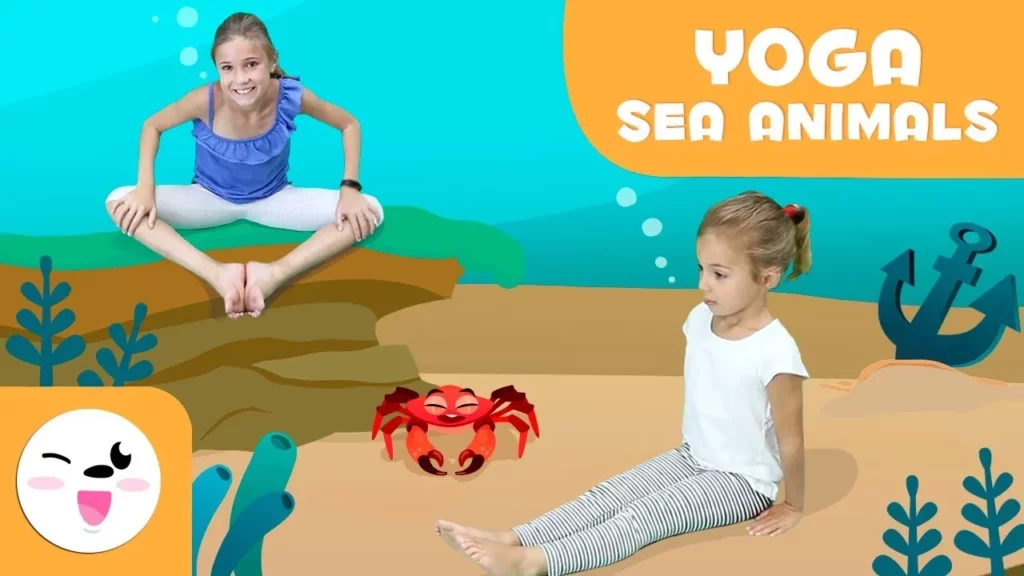
In the “Yoga Fun with Sea Animals” lesson, participants engage in playful yoga poses inspired by various sea creatures, including the turtle, crab, shark, and starfish. Each pose encourages relaxation and movement, allowing children to connect with their bodies while having fun. The lesson concludes with a reminder that they can revisit these poses anytime for continued enjoyment and relaxation.
The changes in the states of matter – Fusion, Vaporization, Condensation and Solidification
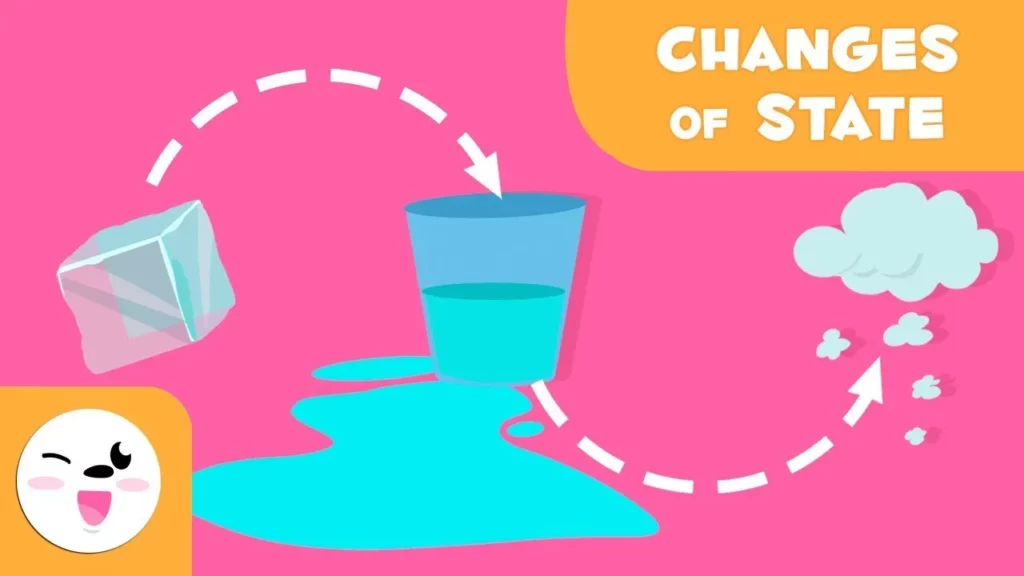
In this lesson, we explored the different states of matter—solid, liquid, and gas—and how they change from one form to another through processes such as fusion, vaporization, condensation, and solidification. We learned that heating a solid causes it to melt into a liquid (fusion), while heating a liquid turns it into a gas (vaporization). Conversely, cooling a gas results in liquid formation (condensation), and freezing a liquid transforms it back into a solid (solidification).
The Number 2 for kids – Learning to Count – Numbers from 1 to 10 – The Number Two Song
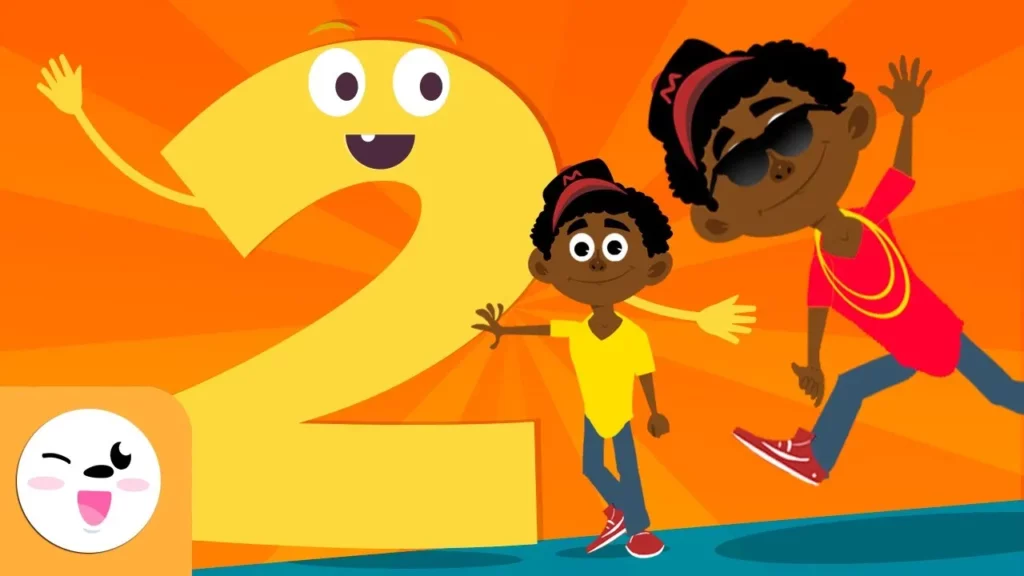
In this lesson, children are introduced to the number two through engaging activities that include saying, writing, and counting with the number. They learn to recognize and write the number two, practice counting objects like wheels and cherries, and enjoy a fun song about twin brothers. The lesson encourages continued learning and exploration of numbers through interactive content.
Eclipses and Movements of the Earth for kids – Solar and Lunar Eclipses – Rotation and Revolution
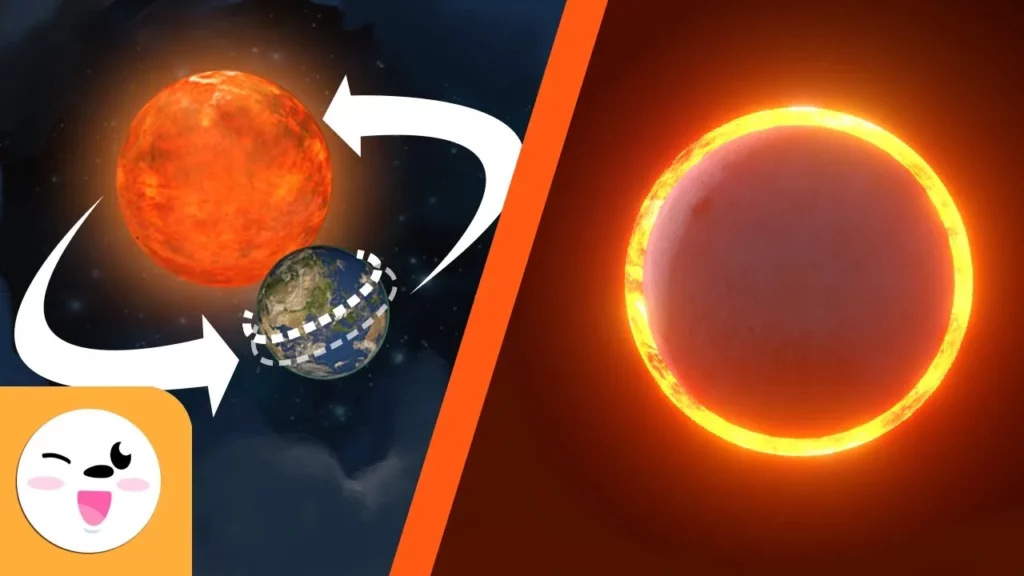
In this lesson, kids learn about the Earth’s movements in space, specifically its rotation and revolution. Rotation refers to the Earth’s daily spin on its axis, which creates day and night, while revolution is the Earth’s journey around the sun, taking one year and resulting in the changing seasons. The lesson also introduces eclipses, explaining how solar and lunar eclipses occur when the sun, Earth, and moon align in specific ways.
Number 3 – Learn to Count – Numbers from 1 to 10 – The Number Three Song
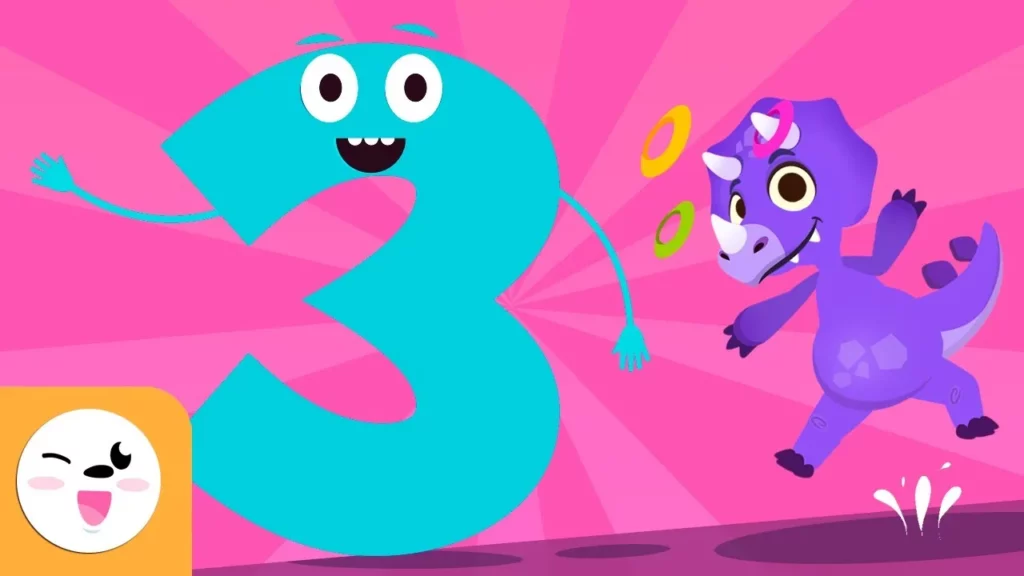
In this lesson, students are introduced to the number three through engaging activities such as counting, writing, and singing. They learn how to recognize and write the number, as well as identify groups of three in various contexts, like athletes, dinosaur horns, and traffic lights. The lesson emphasizes fun and interactive learning, encouraging students to explore more about numbers.
Number 4 – Learn To Count – Numbers from 1 to 10 – The Number 4 Song
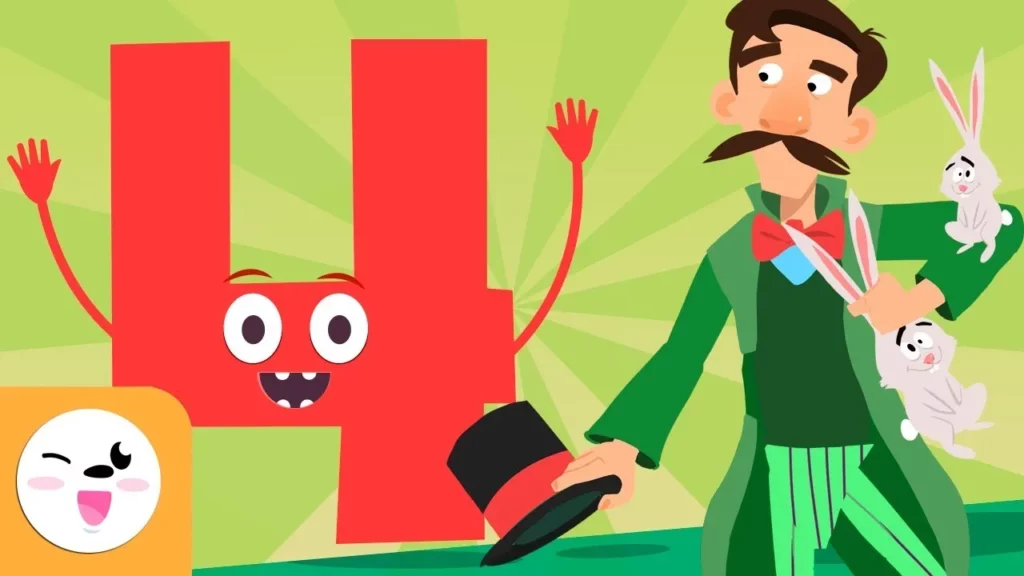
In this lesson, children are introduced to the number four through engaging activities such as counting objects, writing the number, and singing a song. They learn to recognize and articulate the number while exploring its significance in everyday items, like toys and table legs. The lesson encourages fun and interactive learning, fostering a positive attitude towards numbers.
The Human Ear and Its Parts – The Senses for Kids
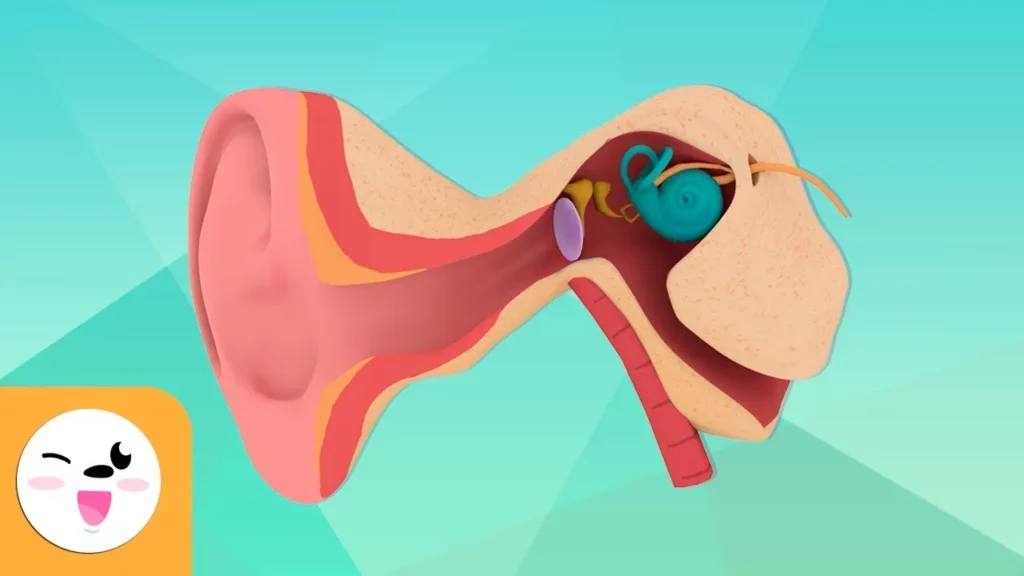
In this lesson, we explored the human ear, which is essential for hearing and maintaining balance. The ear consists of three main parts: the outer ear, which captures sound waves; the middle ear, where sound vibrations are amplified by tiny bones; and the inner ear, which converts these vibrations into signals for the brain. Additionally, we learned the importance of taking care of our ears to protect our hearing.