
The Brain for Kids – What is the brain and how does it work?
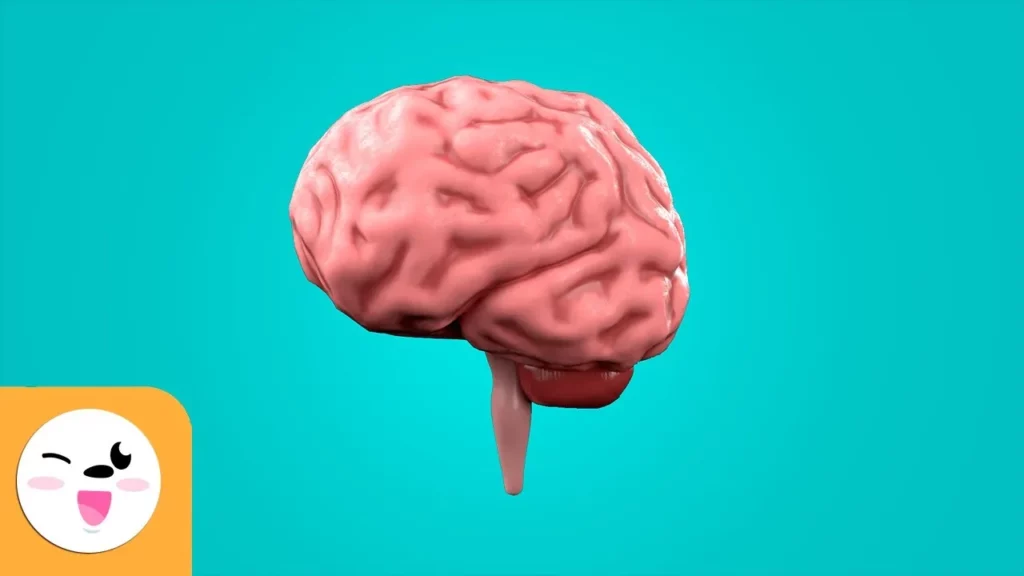
In this lesson, students learn about the brain’s essential role in the body, including its structure and functions. The brain is divided into three main parts—the cerebellum, brainstem, and cerebral cortex—each responsible for different tasks like movement, vital functions, and cognitive processes. Additionally, the lesson emphasizes the importance of taking care of the brain through protective measures, healthy eating, exercise, adequate sleep, and mental activities.
Jobs and Occupations II – Vocabulary for Kids
In this lesson, children learn about various jobs and the roles associated with them, such as astronauts, mechanics, and musicians. Each occupation is described in a fun and engaging way, highlighting what these professionals do and how they contribute to society. The lesson encourages kids to explore and remember the different jobs, fostering curiosity about the world of work.
Jobs and Occupations III – Vocabulary for Kids
In this lesson, students explored various jobs and occupations, learning about the roles and responsibilities associated with each career. From hairdressers and veterinarians to engineers and journalists, the lesson highlighted the diverse ways people contribute to society through their work. By reviewing the different professions, students were encouraged to think about their own future career aspirations.
What is fake news? Tips For Spotting Them – Fake News for Kids
The lesson on “What is Fake News? Tips for Spotting Them” emphasizes the importance of discerning real news from fake news, which can mislead and confuse people. It provides practical tips for identifying fake news, such as reading beyond the headline, looking for exaggerations, verifying information with other sources, and consulting an adult for guidance. Ultimately, the lesson encourages critical thinking and responsible sharing to help maintain a truthful online environment.
What is a virus? – Viruses for children – Science for Kids
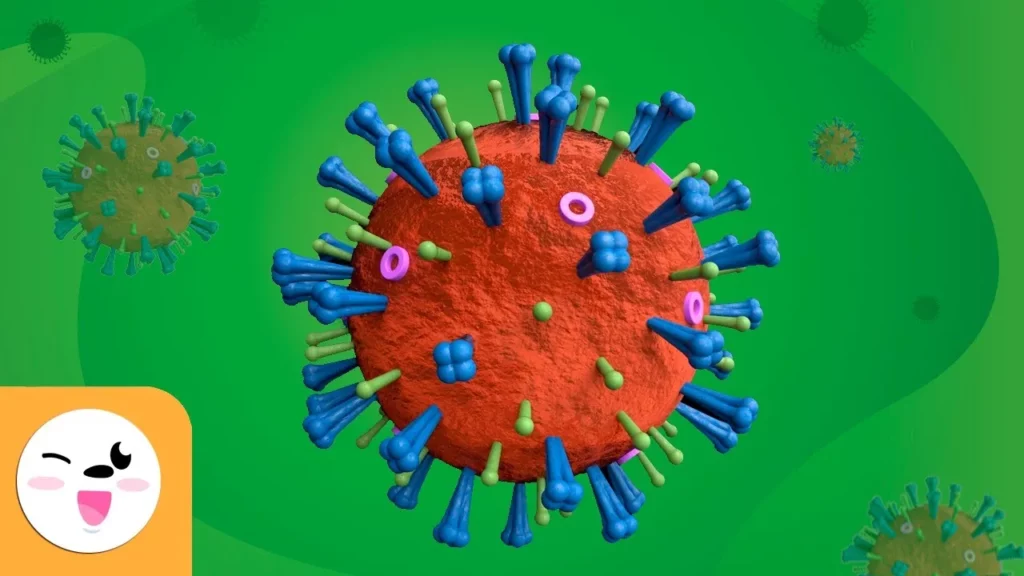
This lesson introduces children to viruses, explaining that they are tiny microorganisms that require a host to replicate and spread. It covers the basic structure of viruses, how they spread through various means, and the importance of vaccines in preparing the immune system to fight off infections. Emphasizing good hygiene practices and vaccination, the lesson aims to empower kids to protect themselves and others from viral diseases.
Parts of the City III – Vocabulary for Kids
In this lesson, children explore various parts of the city, including the fire station, city hall, gym, post office, movie theater, bus stop, laundromat, travel agency, real estate agency, buildings, and skyscrapers. Each location is described with its purpose and significance, helping kids understand the roles these places play in their community. The lesson concludes with a recap to reinforce their learning and encourage further exploration of their surroundings.
Relaxation for Kids – The Koeppen Technique – Compilation
In the “Relaxation for Kids – The Koeppen Technique” lesson, children learn fun and imaginative ways to relax their bodies, focusing on areas like their arms, mouth, and tummy. Through playful exercises such as stretching like a kitten, chewing gum, and wiggling their noses, kids discover how to release tension and feel more at ease, especially during stressful moments. The session emphasizes the importance of finding a quiet space and using visualization to enhance relaxation, encouraging children to practice these techniques whenever they need to unwind.
Layers of the Earth – Science for Kids – Compilation
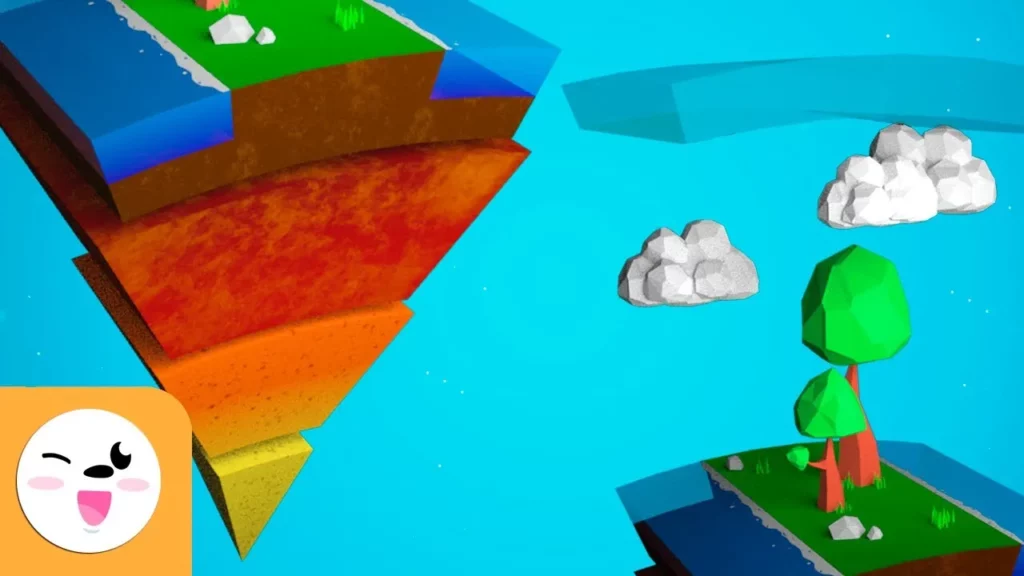
In this lesson, students learn about the different layers of the Earth, including the atmosphere, biosphere, hydrosphere, and geosphere. Each layer has unique characteristics and functions, such as the atmosphere protecting us from space dangers, the biosphere supporting all living organisms, and the geosphere comprising the solid structure of the planet. Understanding these layers helps us appreciate the complexity and interconnectedness of our planet.
Parts of the City IV – Vocabulary for Kids
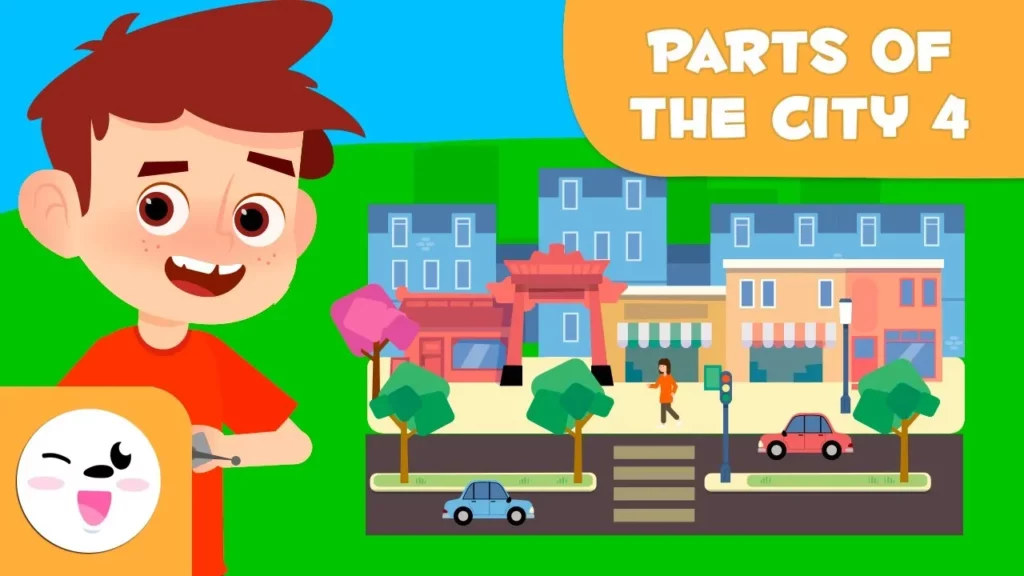
In today’s lesson, we explored the various parts of a city, including neighborhoods, streets, avenues, sidewalks, and roads, which help us navigate our surroundings. We also learned about important features like crosswalks, traffic signs, traffic lights, street lights, benches, fountains, and monuments that contribute to city life and safety. Overall, the lesson emphasized how these elements work together to create a vibrant and functional urban environment.
Renewable Energy Sources – Types of Energy for Kids
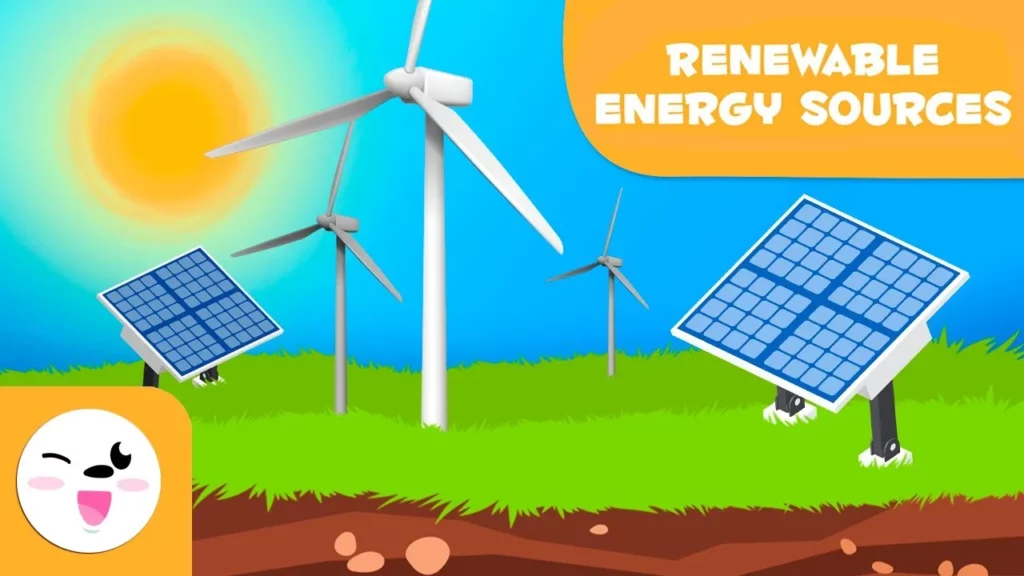
In this lesson, students learn about renewable energy sources, which are sustainable forms of energy derived from natural resources that are constantly replenished, such as solar, wind, tidal, hydraulic, and geothermal energy. The lesson highlights the advantages of renewable energy, including its environmental benefits and safety, while also addressing challenges like accessibility and variability due to weather conditions. Ultimately, it encourages students to explore and embrace renewable energy to contribute to a cleaner and healthier planet.