
Personal Hygiene for Kids – Hygiene Habits – Showering, Hand Washing, Tooth Brushing, Face Washing
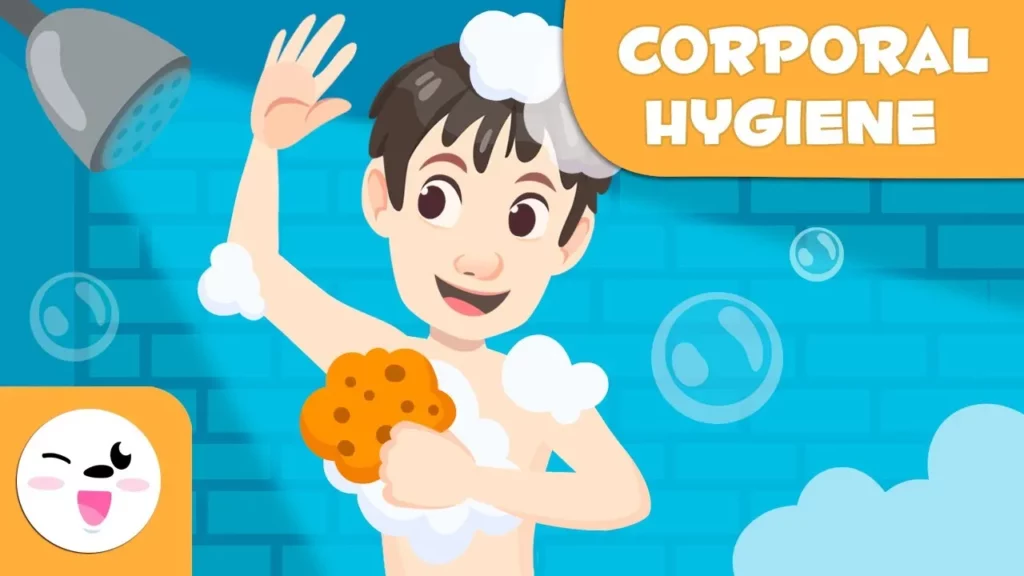
In this lesson on personal hygiene for kids, we learned essential habits to maintain cleanliness and health. Key practices include showering daily, keeping nails trimmed, washing hands before meals, brushing teeth after every meal, and washing the face twice a day. By following these simple steps, kids can ensure they stay fresh and healthy!
Jobs and Occupations – Vocabulary for Kids – Compilation
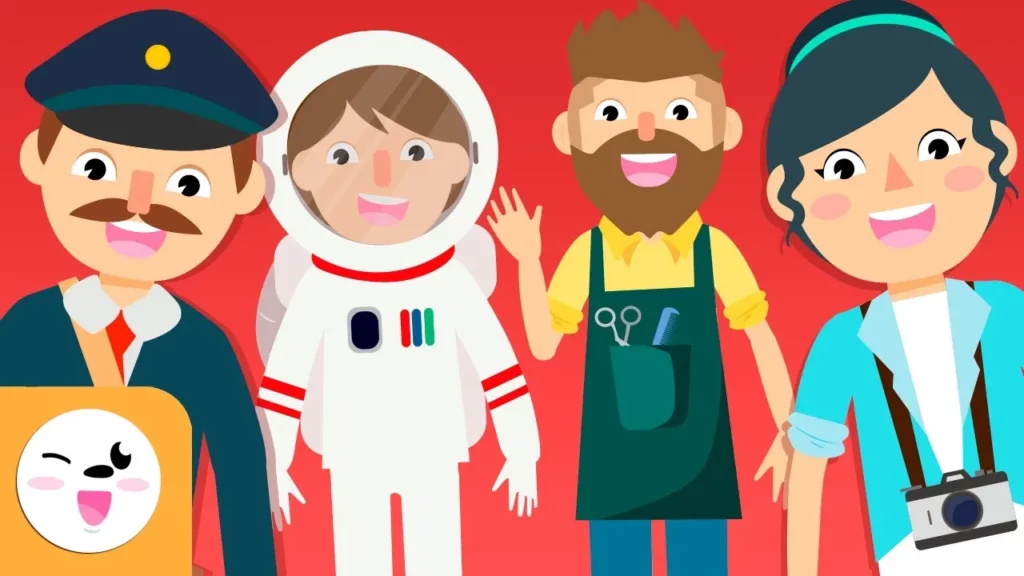
In this lesson, children explored various jobs and occupations, learning about the roles and responsibilities of different professions such as teachers, doctors, farmers, and firefighters. Through engaging descriptions and interactive questions, students were encouraged to recognize the importance of each job in society and consider what they might want to be when they grow up. The lesson aimed to make learning about careers fun and informative, fostering curiosity about the world of work.
The Sense of Touch – Senses for Kids
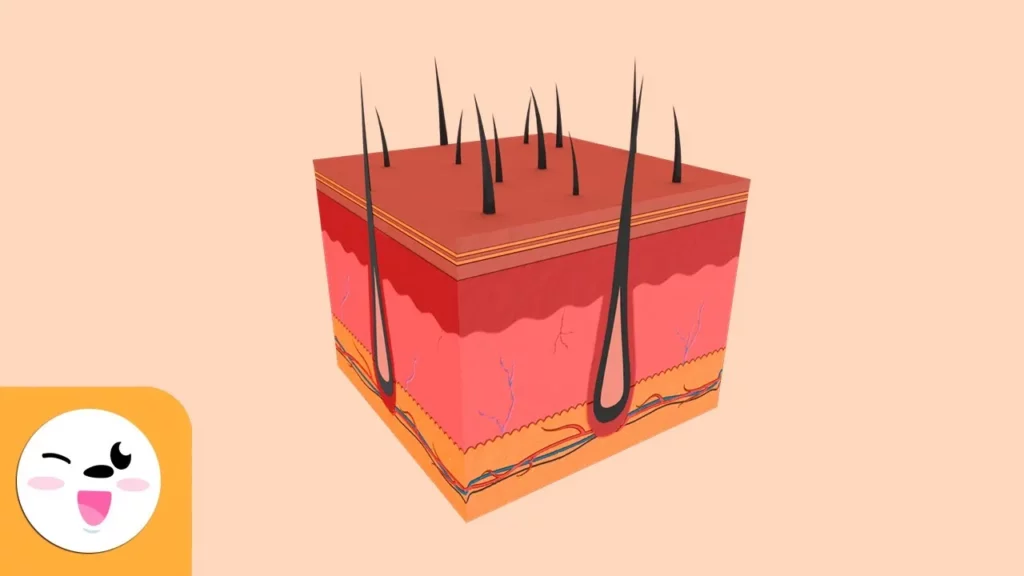
The lesson on the sense of touch explains how our skin, the largest organ in our body, allows us to feel and interact with the world around us. It describes the three layers of skin—epidermis, dermis, and hypodermis—and highlights the specialized sensors in the dermis that send messages to our brain about different sensations. Additionally, the lesson emphasizes the importance of taking care of our skin to maintain its health and protect it from harm.
Types of Energy for Kids – Renewable and Non-Renewable Energies
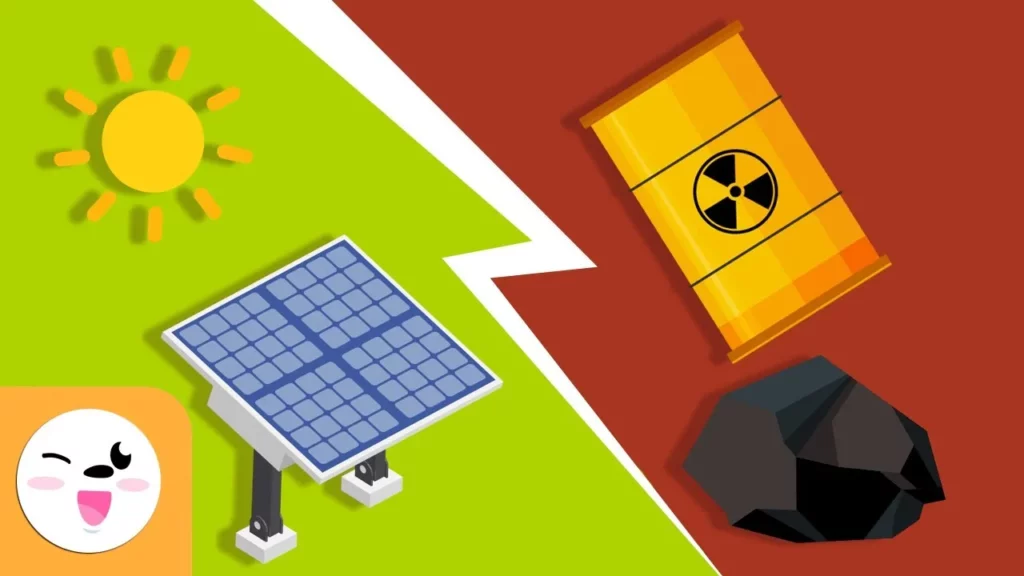
In this lesson, kids learn about the two main types of energy: renewable and non-renewable. Renewable energy sources, such as solar, wind, and hydro, are sustainable and environmentally friendly, while non-renewable sources like coal and oil can deplete and harm the environment. The lesson emphasizes the importance of using more renewable energy to protect our planet and ensure a sustainable future.
The Sense of Smell – Structures That Serve the Sense of Smell – Senses for Kids
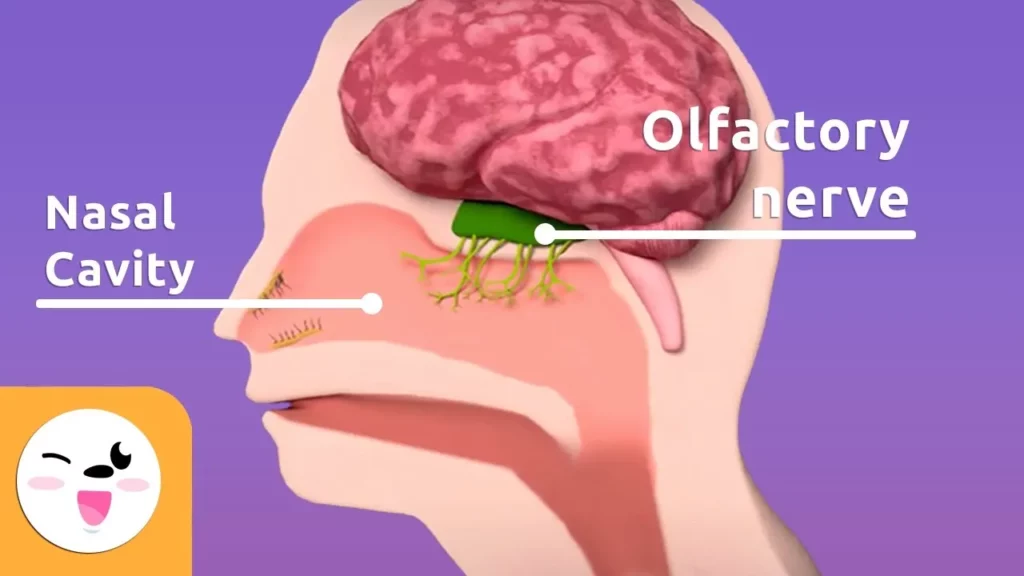
In this lesson, we explored the sense of smell, focusing on the nose as our primary tool for detecting scents. The nose not only identifies smells but also plays vital roles in breathing, cleaning, and conditioning the air we inhale. We learned about its key structures, such as the nostrils, nasal cavity, and olfactory membrane, and how they work together to send scent information to the brain, highlighting the importance of this sense in our daily experiences.
Parts of the City – Vocabulary for Kids – Compilation
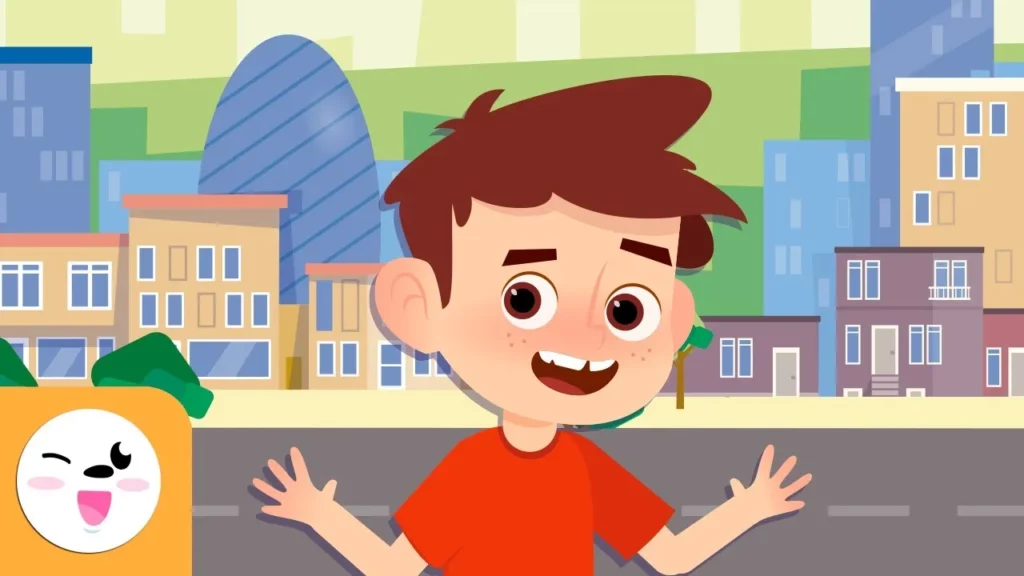
In this lesson, students embark on an exciting city adventure, discovering various important places such as libraries, schools, stores, and parks. Each location is introduced with a brief description of its purpose, encouraging students to engage with their surroundings and remember key features of city life. The lesson concludes with interactive memory tests to reinforce learning and celebrate their newfound knowledge about the city.
How to Take Care of the Environment – 10 Ways to Take Care of the Environment
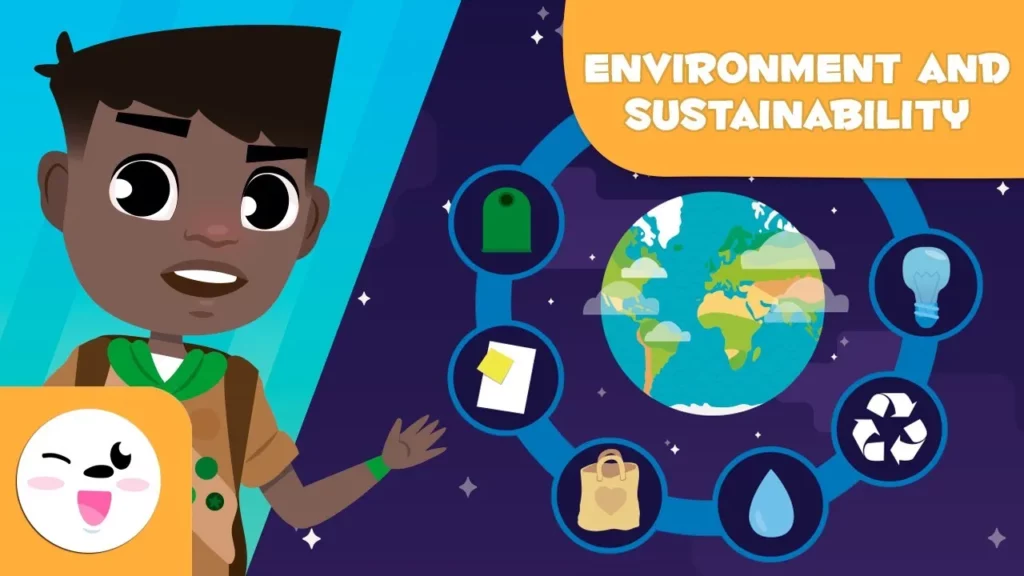
In this lesson, we explored the importance of taking care of the environment and how our actions impact nature. We learned 10 simple ways to help protect our planet, such as saving energy, using reusable bags, recycling, conserving water, and cleaning up litter. By adopting these practices, we can contribute to a healthier environment for ourselves and future generations.
How to Brush Your Teeth – Tooth Brushing for Kids
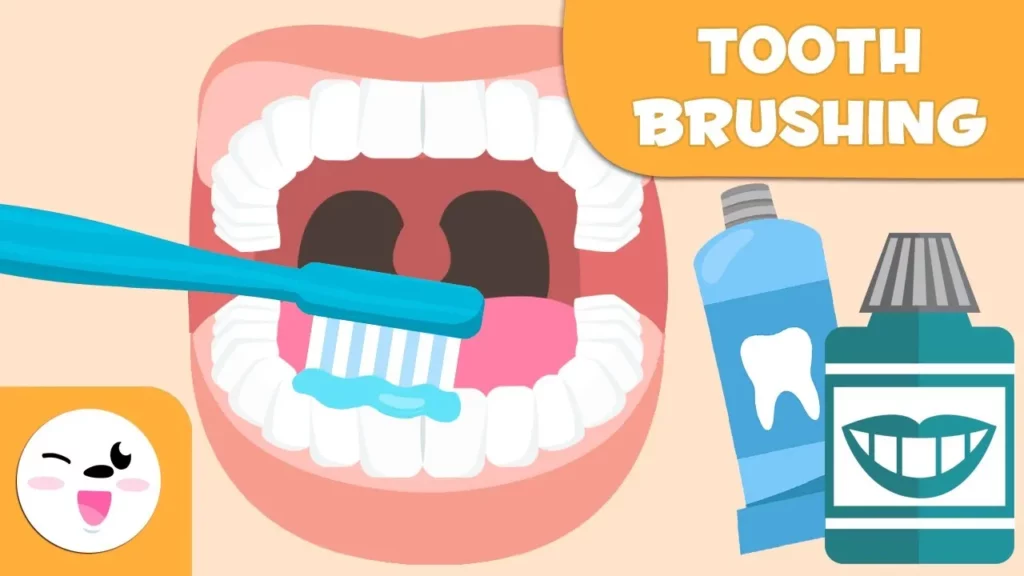
In this lesson, kids learn the importance of brushing their teeth after every meal to maintain oral hygiene and prevent germs. The lesson outlines the proper technique for brushing, including the duration of two minutes and specific steps to effectively clean all areas of the mouth. Additional tips for maintaining a healthy smile, such as using dental floss and choosing a suitable toothbrush, are also provided.
10 Steps to Washing Your Hands (Short Version) – Hygiene Habits for Kids
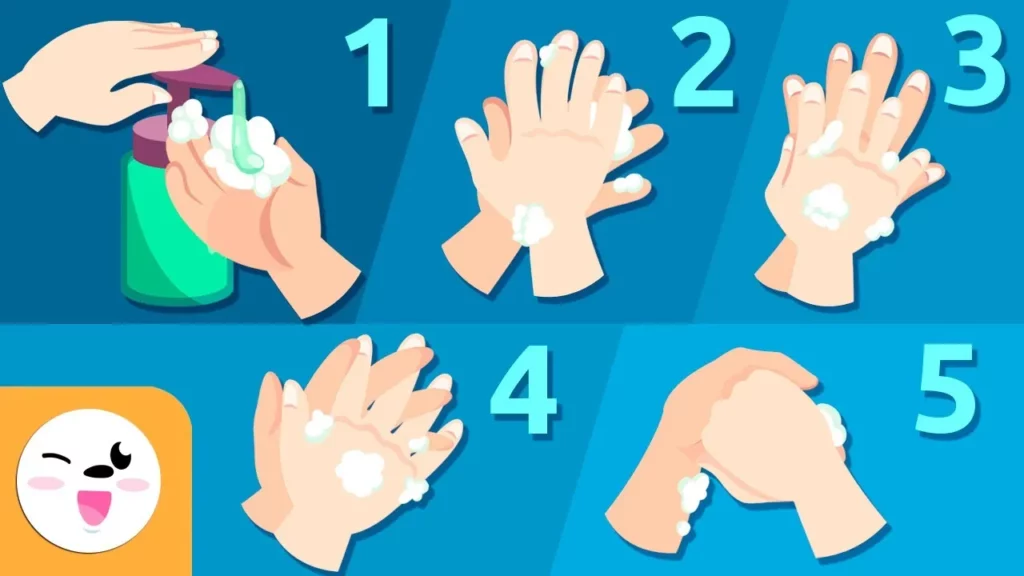
In this lesson, children learn the importance of washing their hands to keep them clean and free from germs. The lesson outlines a fun, step-by-step process for effective handwashing, including wetting hands, applying soap, and thoroughly cleaning all parts of the hands before rinsing and drying them. By following these steps, children can become hand-washing experts and promote their health and well-being.
How does the sense of smell work? – Senses for Kids
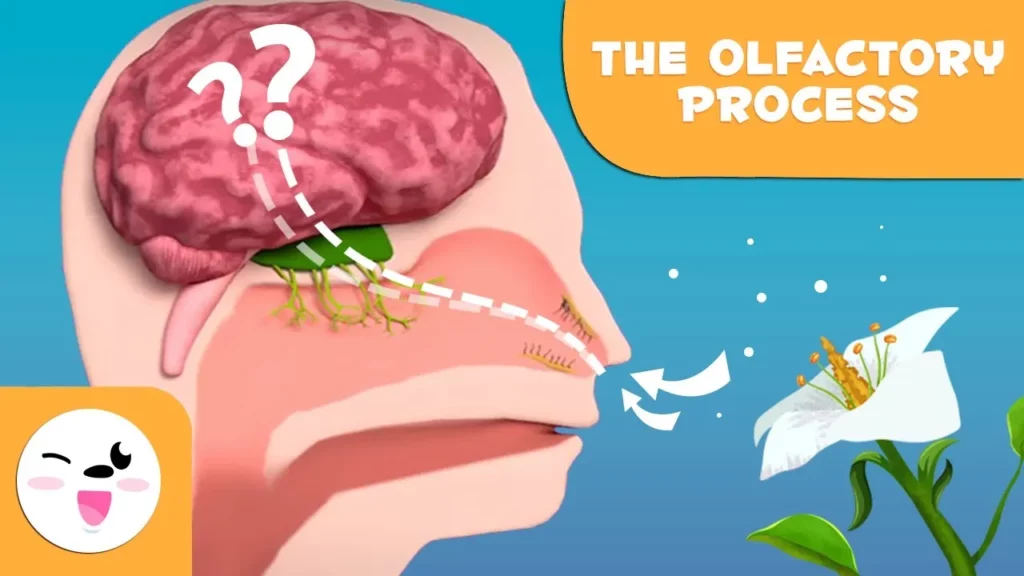
In this lesson, we explored the fascinating process of how the sense of smell works, beginning with the journey of tiny particles entering the nose and reaching the nasal cavity. The olfactory membrane plays a crucial role in gathering information about these smells, which is then transmitted to the brain for interpretation, helping us respond to our environment. Additionally, we learned that some animals, like dogs, possess an even more advanced sense of smell, highlighting the incredible diversity of olfactory abilities in the animal kingdom.