
Senses for Kids – Taste, Touch, Sight, Hearing and Smell
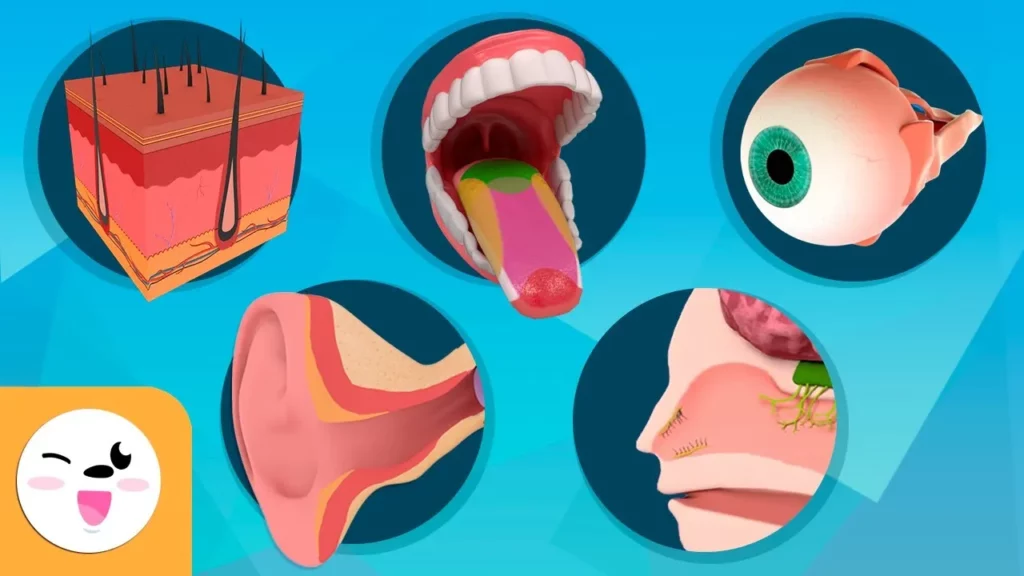
In this lesson, children explore the five senses: taste, touch, sight, hearing, and smell, and learn how each sense helps us interact with the world around us. The lesson highlights the role of taste buds in identifying flavors, the skin’s ability to detect temperature and texture, the eye’s function in perceiving light and color, the ear’s mechanism for hearing sounds, and the nose’s capability to detect various smells. Through engaging explanations, kids discover how these senses work together to enhance their experiences and keep them safe.
Circle and Circumference – Geometric Figures for Kids
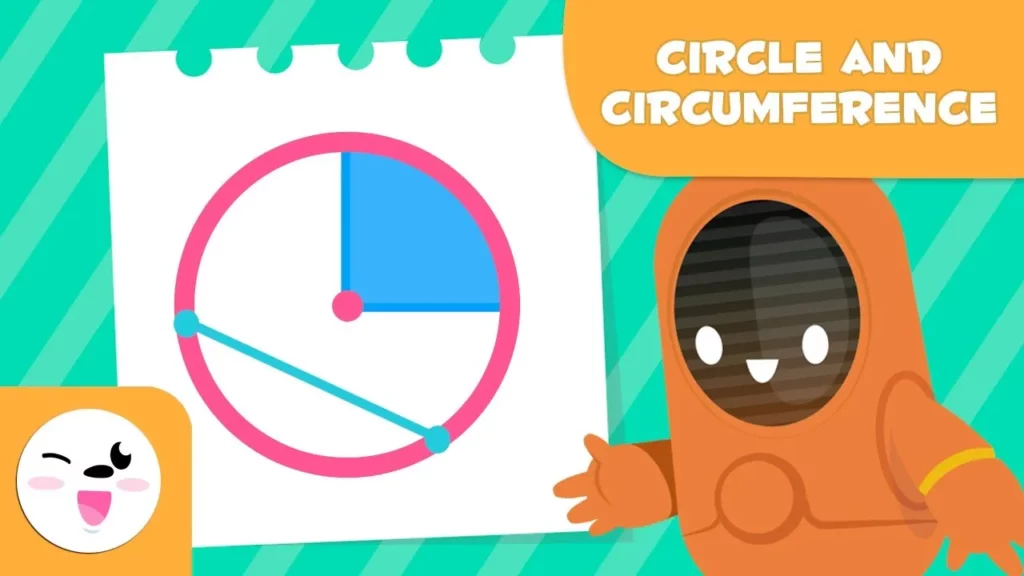
In this lesson, students explore the concepts of circles and circumferences, learning that the circumference is the curved line surrounding a circle, while the circle itself is the flat shape enclosed by that line. Key components such as the center, radius, diameter, chord, arc, and sector are introduced, helping students understand the differences in measurement between the circumference and the area of a circle. Through relatable examples, learners are encouraged to identify these shapes in their everyday surroundings.
Climate for Kids – Types of Climate
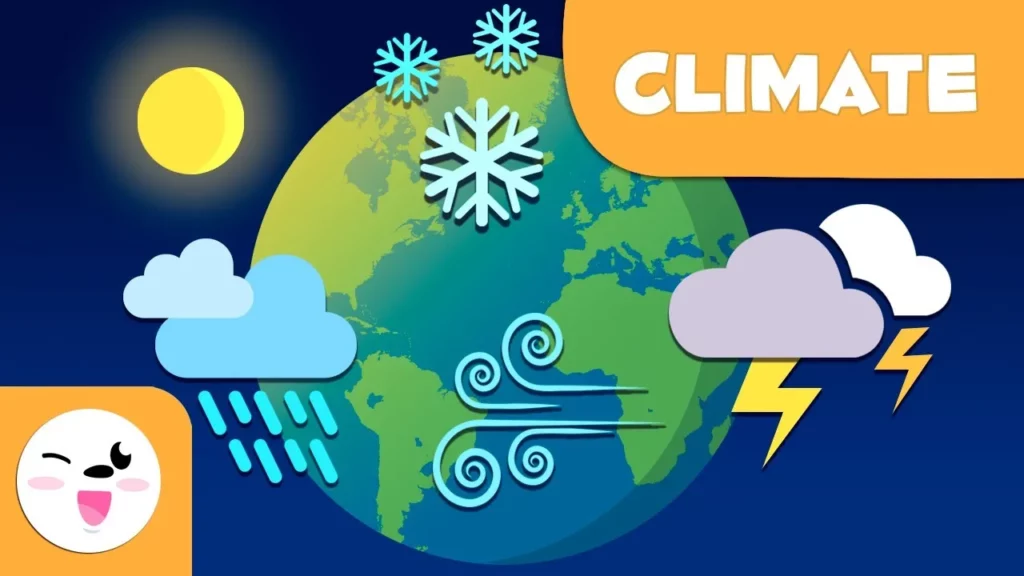
In this lesson, we learned about the differences between weather and climate, with weather representing short-term atmospheric conditions and climate reflecting long-term weather patterns in a specific region. We explored various factors that influence climate, such as latitude, altitude, and landscape, and examined different types of climates, including hot, temperate, and cold climates. The lesson also highlighted the impact of climate change, emphasizing the importance of taking action to address its effects on the environment and society.
Viruses Vs. Bacteria – What are their differences?
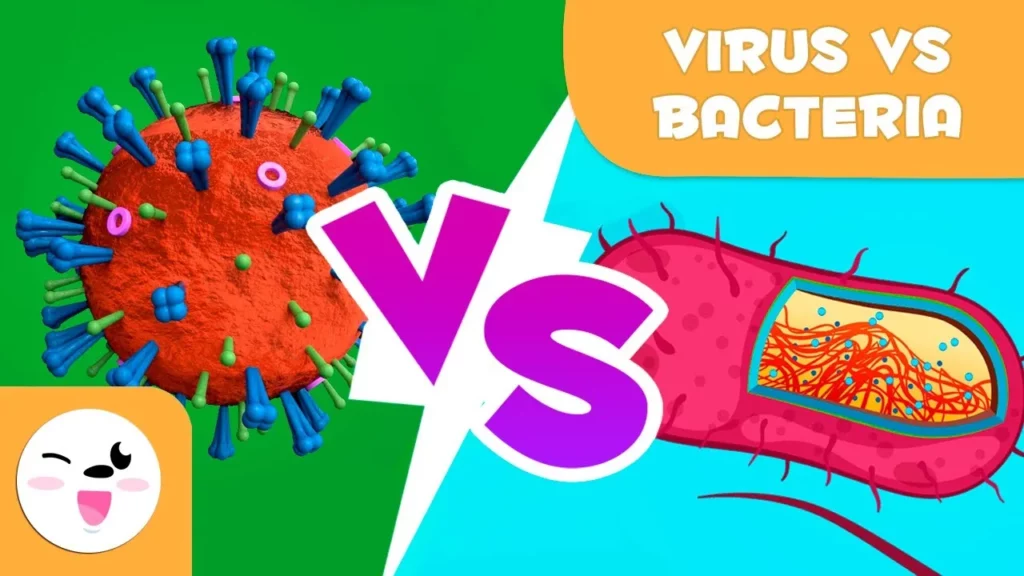
In this lesson, we explored the key differences and similarities between viruses and bacteria. Both can cause diseases and spread through vectors, but bacteria are living organisms capable of independent growth and reproduction, while viruses require a host to replicate. Additionally, they differ in size, structure, and treatment methods, with antibiotics effective against bacteria but not viruses, which are instead prevented through vaccines.
Polygons – Geometry for Kids
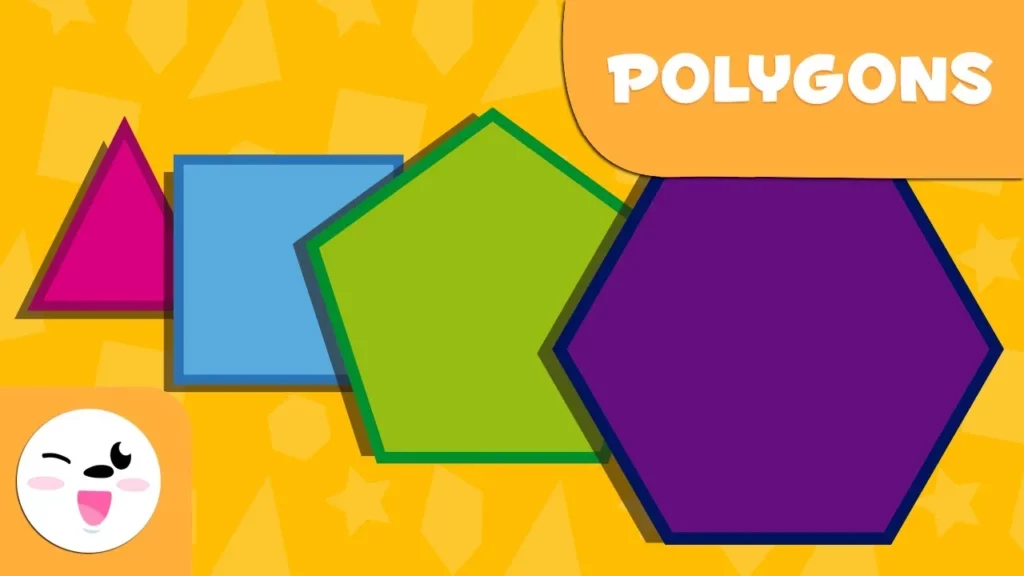
In this lesson, we explored polygons, which are closed shapes formed by connecting straight lines. We learned about their key components, including sides, vertices, angles, and diagonals, and distinguished between regular and irregular polygons based on their sides and angles. Additionally, we identified various types of polygons by the number of sides they have, such as triangles, quadrilaterals, pentagons, and hexagons, encouraging students to observe these shapes in everyday objects.
School Vocabulary I – Vocabulary for Kids
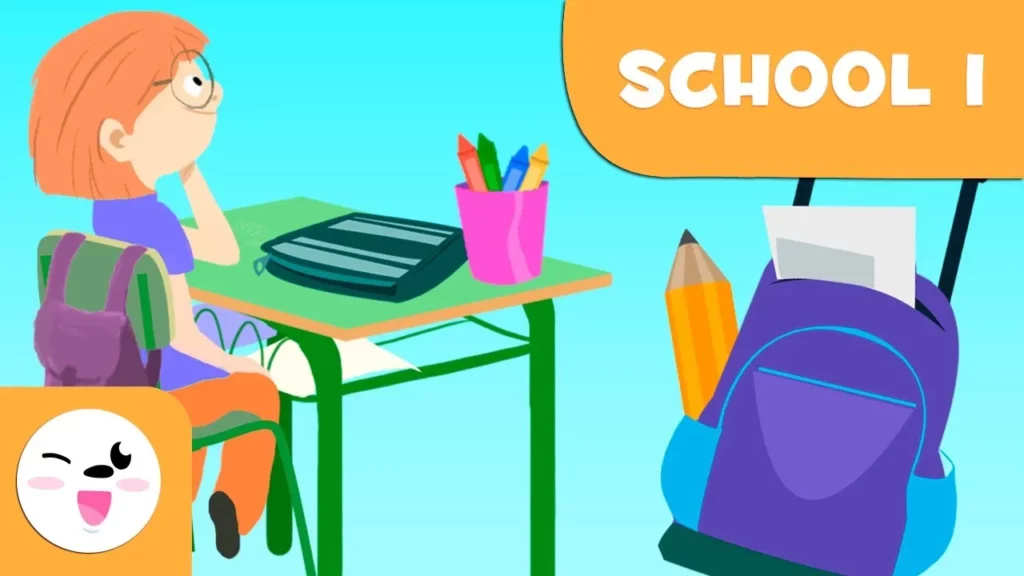
In today’s lesson, we explored essential school vocabulary, including words like classroom, teacher, book, and pencil. We learned about the roles of various items and people in our school environment, emphasizing their importance in our learning journey. The lesson concluded with a fun review to reinforce our new words and concepts.
What are fungi? – The Fungi Kingdom for kids
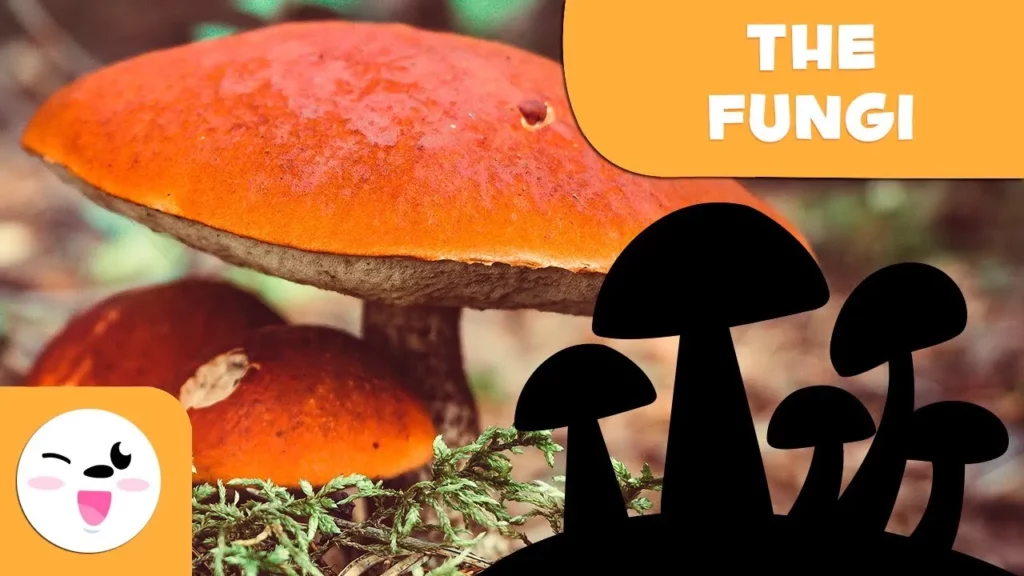
In this lesson, students learn about fungi, a unique group of organisms that belong to their own kingdom, distinct from plants and animals. The lesson covers the various types of fungi, their reproduction through spores, their roles in nature as decomposers, and their significance in human life, including their use in food and medicine. Overall, fungi are highlighted as essential contributors to ecosystems and human health.
School Vocabulary II – Vocabulary for Kids
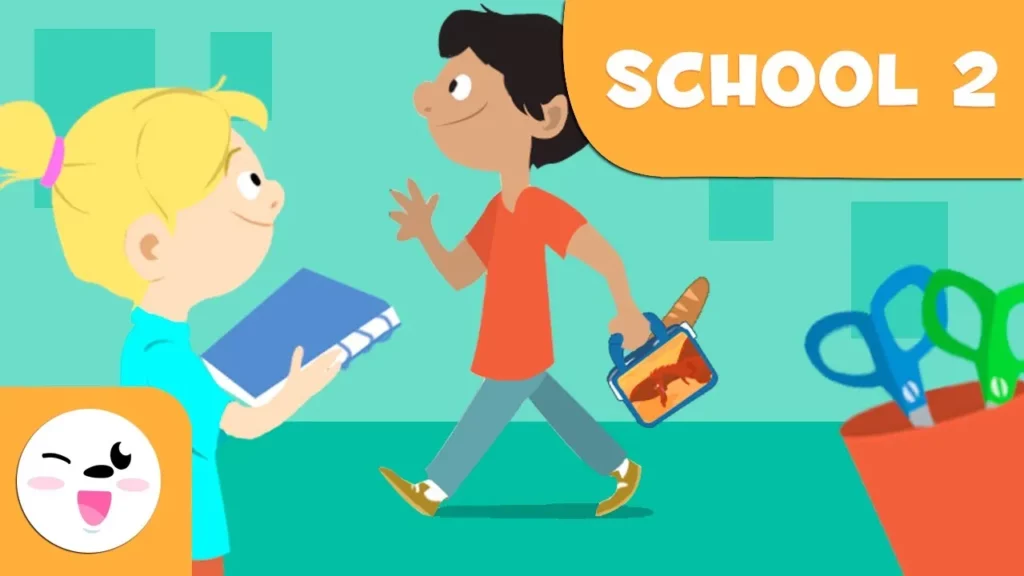
In this lesson, students explore essential school vocabulary through engaging descriptions of common items like notebooks, markers, and scissors. Each word is introduced with its function and importance in a school setting, encouraging students to remember and use these terms in their daily activities. The lesson emphasizes learning through fun and interactive methods, making it enjoyable for young learners.
Sports I – Vocabulary for Kids
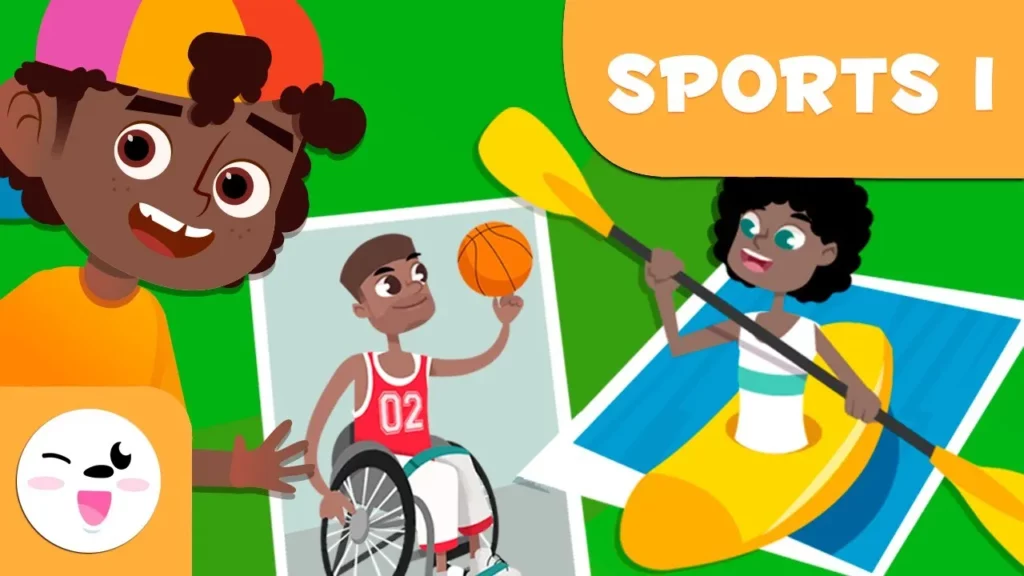
In the lesson “Sports Fun with Stickers!”, students explore various sports through engaging stickers, learning about activities like tennis, swimming, basketball, soccer, cycling, athletics, rowing, rugby, skiing, and scuba diving. Each sport is introduced with a brief description, highlighting the fun and excitement of participating in these activities. The lesson concludes with a recap of the sports covered, encouraging students to look forward to more learning in future sessions.
What are microorganisms? Bacteria, Viruses and Fungi
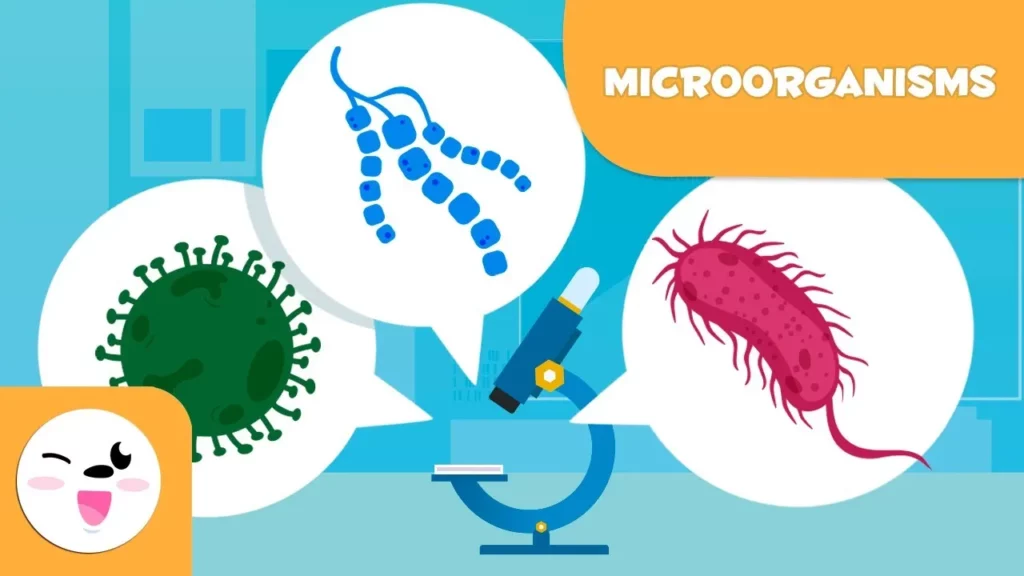
This lesson introduces microorganisms, which are tiny, single-celled living organisms, including bacteria, viruses, and fungi. It explains the characteristics and differences among these types, highlighting that while some bacteria are beneficial, others can cause illness, and that viruses require a host to survive. The lesson emphasizes the importance of hygiene in staying healthy and encourages further exploration of the fascinating world of microorganisms.