
What is the coronavirus? Prevention and Advice for Kids – COVID-19
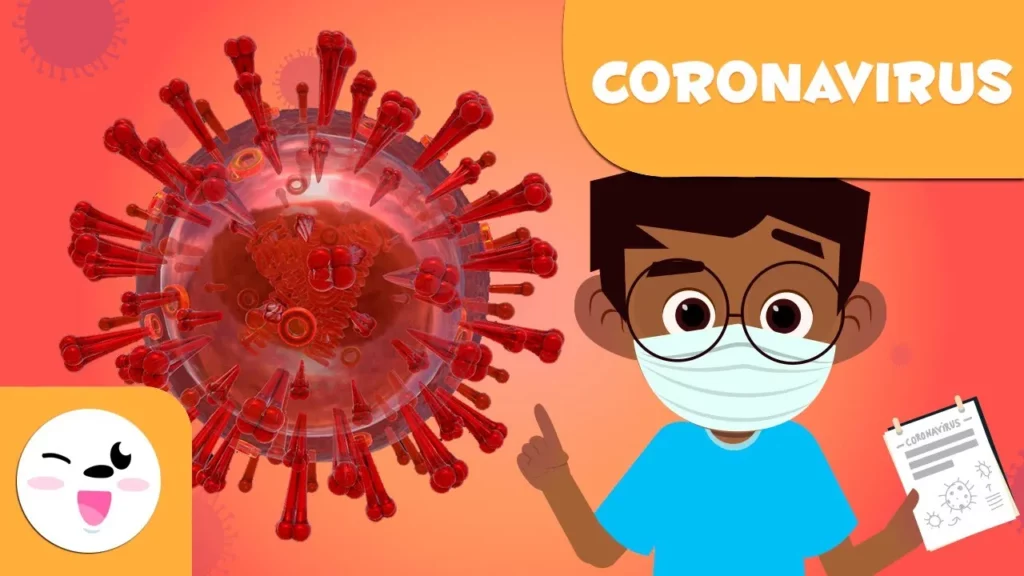
The lesson introduces kids to COVID-19, a virus that caused a global pandemic starting in 2020. It explains how the virus spreads through sneezing, coughing, and touching contaminated surfaces, and emphasizes the importance of safety measures such as handwashing, wearing masks, and maintaining distance from others. By following these guidelines, children can help prevent the spread of the virus and be “superheroes” in keeping themselves and others safe.
School Vocabulary III – Vocabulary for Kids
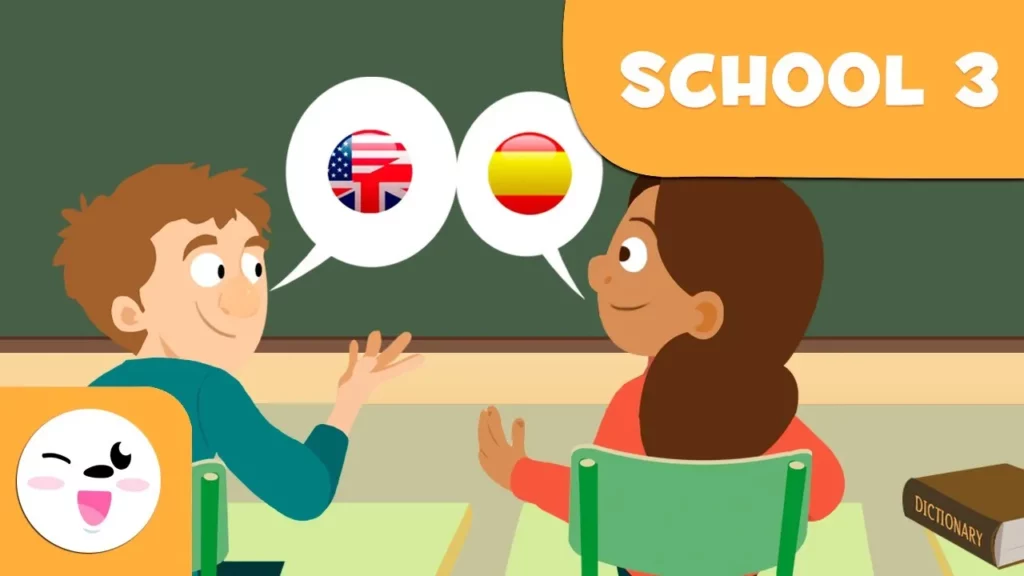
In this lesson, students learn essential school vocabulary, including terms like “blackboard,” “dictionary,” “backpack,” and “school timetable,” which help them understand their learning environment. The lesson also introduces various school subjects such as math, literature, natural science, geography, history, languages, arts, and physical education, emphasizing the importance of each in their education. By engaging with these words and concepts, students enhance their understanding of school life and the subjects they study.
Sports II – Vocabulary for Kids

In today’s lesson, we explored various sports while completing a sports sticker album, learning about the equipment and basic rules for each sport. We covered table tennis, badminton, baseball, hockey, paragliding, gymnastics, handball, horseback riding, sailing, and volleyball, highlighting the unique aspects of each activity. This engaging approach helped us understand and appreciate the diversity of sports available to enjoy.
What is perimeter? – Geometry for Kids
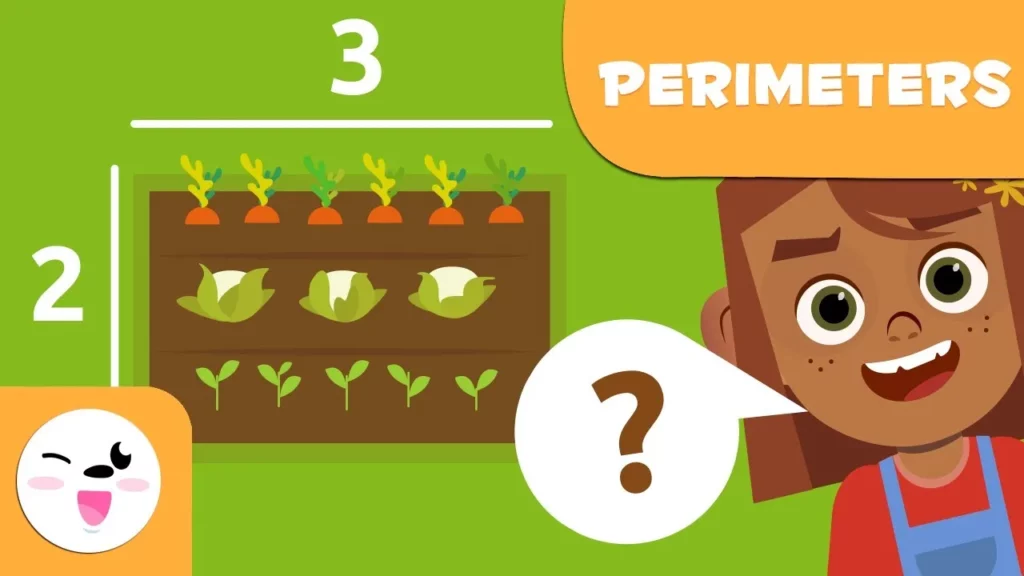
In this lesson, students learned about the concept of perimeter, which is the total distance around the outside of a shape. They discovered how to calculate the perimeter by adding the lengths of all sides, using examples such as triangles, squares, and rectangles. The lesson emphasized the practical importance of knowing the perimeter for real-life applications, like building fences or measuring spaces.
Hygiene Habits for Kids – Compilation – Handwashing, Personal Hygiene and Tooth Brushing
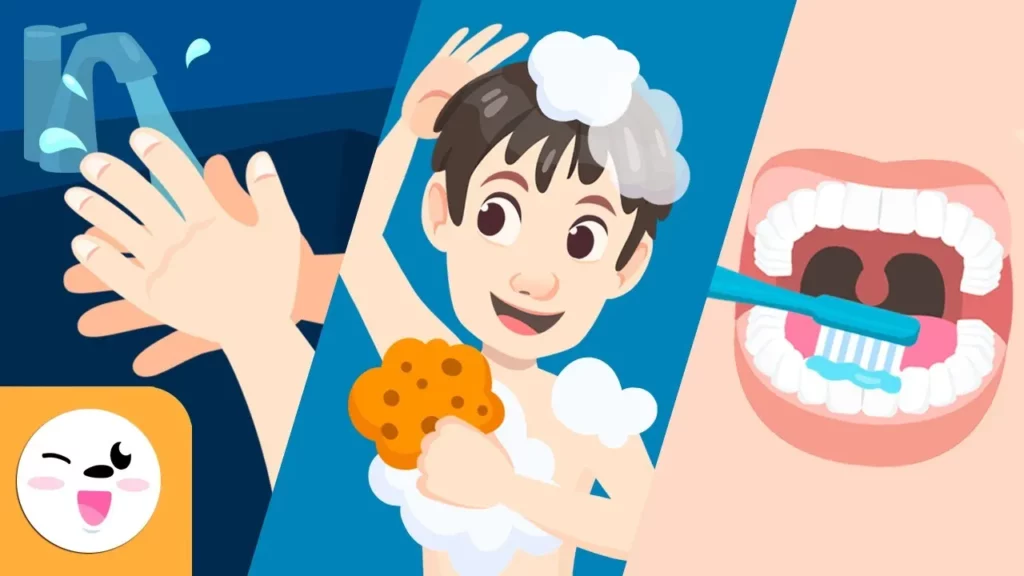
In this lesson on hygiene habits for kids, we learned the importance of handwashing to keep germs at bay, emphasizing the need to wash hands for at least 30 seconds and detailing the ten steps for proper technique. Additionally, we covered personal hygiene practices such as daily showering, nail care, and the correct way to brush teeth to maintain oral health. By following these hygiene habits, kids can stay clean, healthy, and confident every day.
Climate Change – The environment for Kids (Updated Version)
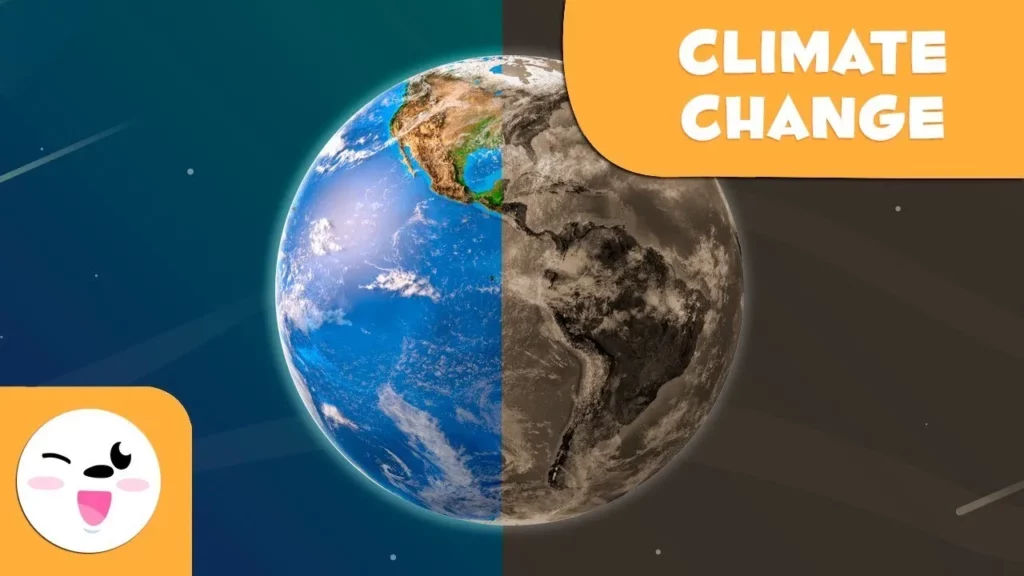
The lesson on climate change for kids explains the concept of climate and how it has changed over time, leading to global warming and various environmental issues such as rising sea levels and increased natural disasters. It highlights the role of greenhouse gases, particularly carbon dioxide from fossil fuels, in warming the Earth and discusses the negative impacts of climate change on ecosystems and economies. The lesson concludes by encouraging proactive measures to combat climate change, such as using renewable energy, reducing plastic use, and planting trees, empowering kids to contribute to a healthier planet.
Multiplication – Learn To Multiply with The Wizard’s Apprentice
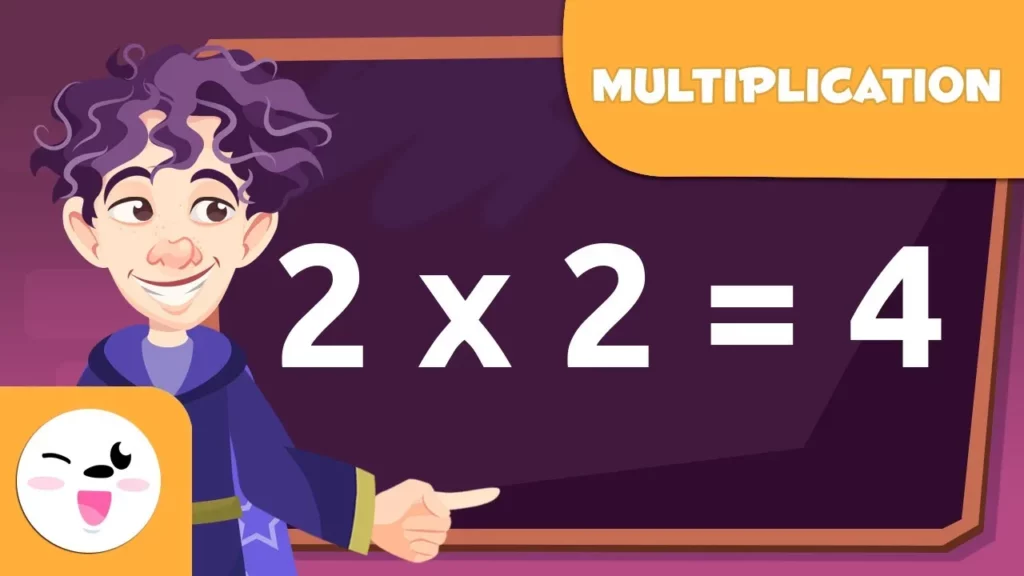
In this lesson, students learn the basics of multiplication through engaging examples involving counting magic wands and buying toads. The lesson emphasizes that multiplication is a faster way to add the same number repeatedly and introduces key concepts such as factors, products, and the commutative property, which states that the order of multiplication does not affect the result. By the end, students are encouraged to practice multiplication to enhance their math skills.
Number Pi – π – Math for Kids – What is Number Pi?
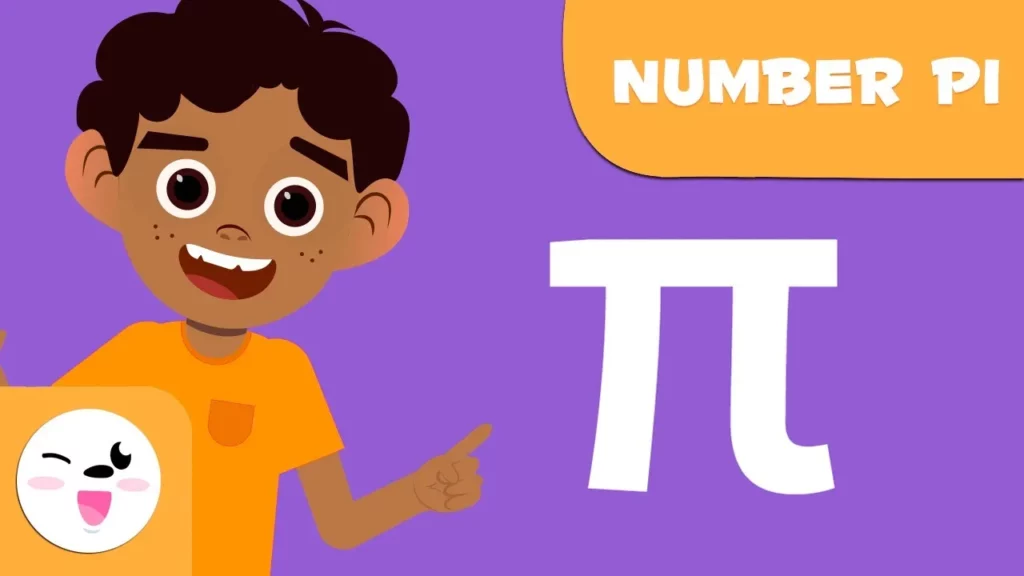
In this lesson, we explored the number pi (π), a mathematical constant that represents the relationship between a circle’s perimeter and its diameter, approximately equal to 3.14. We learned that this value remains consistent for all circles, and through simple experiments, we can observe this relationship in everyday objects. Pi is not only fundamental in mathematics but also plays a crucial role in various fields such as architecture and engineering.
What is the Greenhouse Effect? – The Environment for Kids (Updated Version)
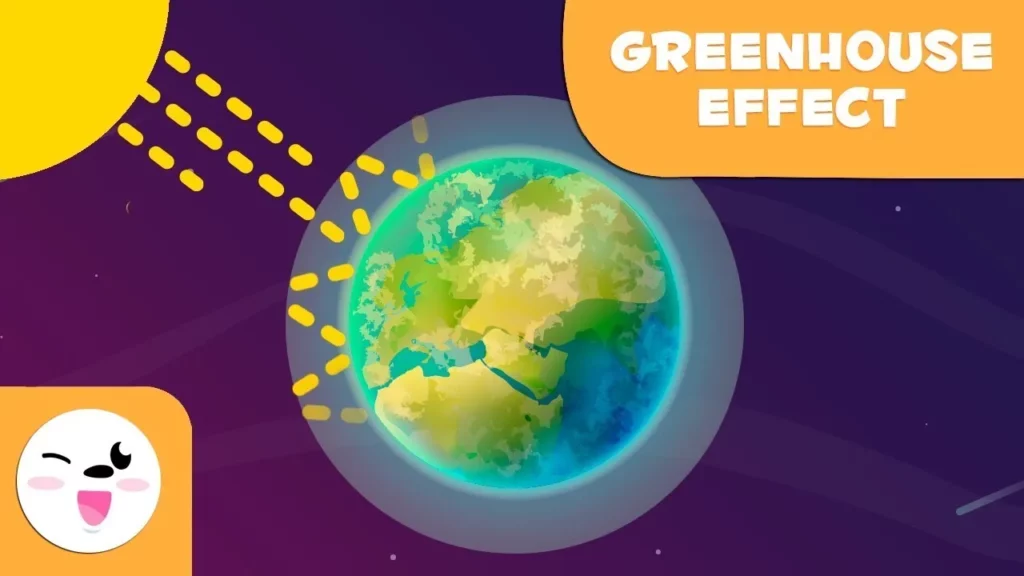
The lesson on the greenhouse effect explains how this natural process is essential for life on Earth by trapping heat from the sun through greenhouse gases in the atmosphere. It highlights the increase in these gases due to human activities, particularly since the industrial revolution, leading to global warming and environmental challenges. The lesson encourages proactive measures, such as recycling and using renewable energy, to combat climate change and protect the planet.
How to Calculate the Length of the Circumference – Calculating Skills for Kids
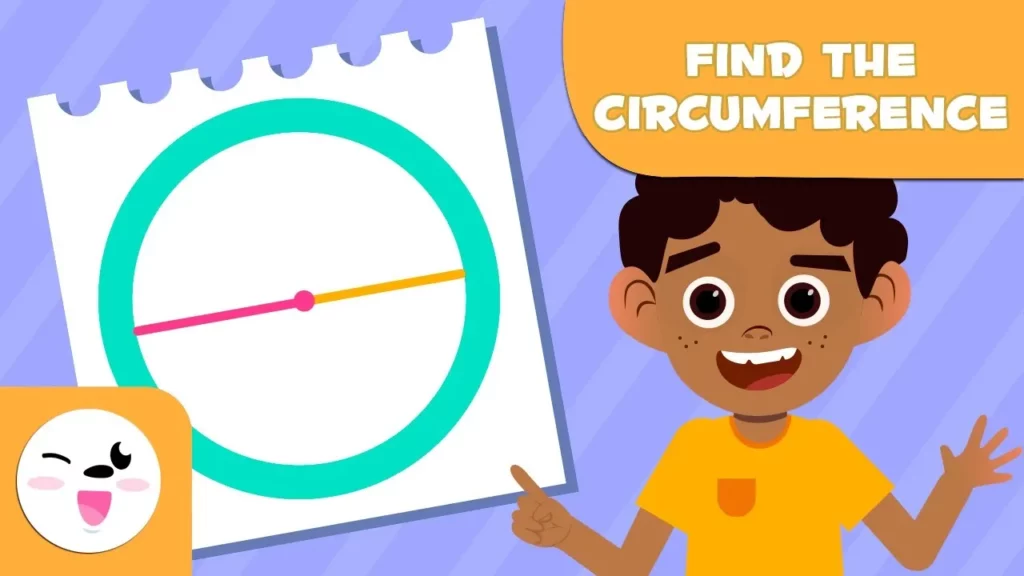
In this lesson, we learned how to calculate the circumference of a circle, which is the distance around it, using the mathematical constant pi (approximately 3.14). We explored the relationship between the radius and diameter of a circle and practiced calculating circumference through examples, emphasizing the practical applications of this skill in various real-life scenarios. Understanding these concepts not only enhances our math skills but also prepares us for tasks in construction, design, and more.