
Divisions – Learn to Divide with our Monkey Friends
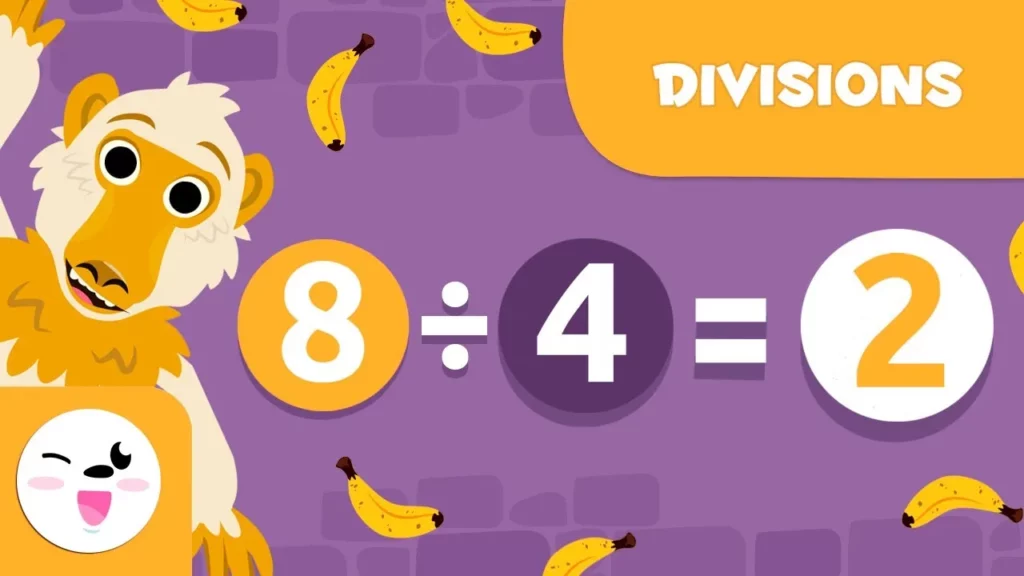
In this lesson, students learn about division through a fun scenario involving monkeys sharing bananas and mangoes. The lesson illustrates how to divide items equally among friends, demonstrating that nine bananas shared among three monkeys results in three bananas each, and eight mangoes shared among four monkeys gives two mangoes each. Students are encouraged to practice division with a challenge, reinforcing their understanding of the concept.
Learning How to Set the Table – Vocabulary for Kids
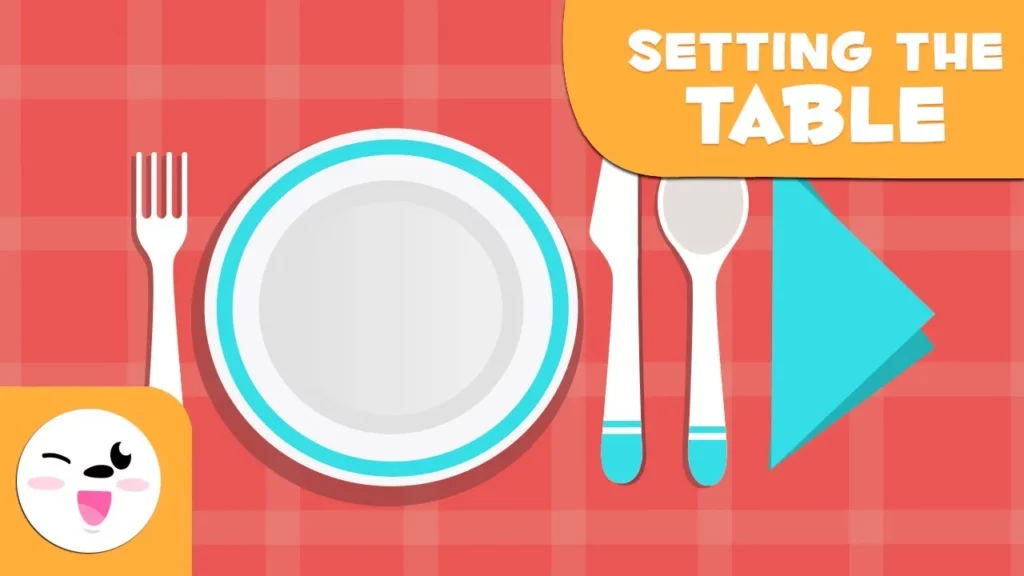
In this lesson, children learn how to set the table by identifying various items needed for a meal, such as a tablecloth, plates, glasses, and utensils like spoons, forks, and knives. The lesson emphasizes the purpose of each item and their proper placement on the table, making it both educational and engaging for young learners. By the end, students are encouraged to recall what they’ve learned and are excited to enjoy their meal together.
Diseases and Medicine – How do Vaccines Work? – The Immune System

In this lesson, we explored the immune system’s role in protecting the body from diseases and how medicines, particularly vaccines, enhance its effectiveness. Vaccines train the immune system to recognize and combat viruses, while antibiotics target bacterial infections, though they must be used cautiously to avoid resistance. Maintaining a healthy lifestyle is crucial for keeping the immune system strong and effective against harmful invaders.
School – Vocabulary for Kids – Compilation Video
In today’s lesson, we explored essential vocabulary related to school, including key terms like “classroom,” “teacher,” and various school supplies such as “notebook” and “pencil.” We also discussed different subjects we study, such as math, literature, and science, emphasizing the importance of learning and collaborating with classmates. Remember to keep discovering new words and concepts as you continue your educational journey!
Explore Terrestrial Habitats – Types of Habitats for Children
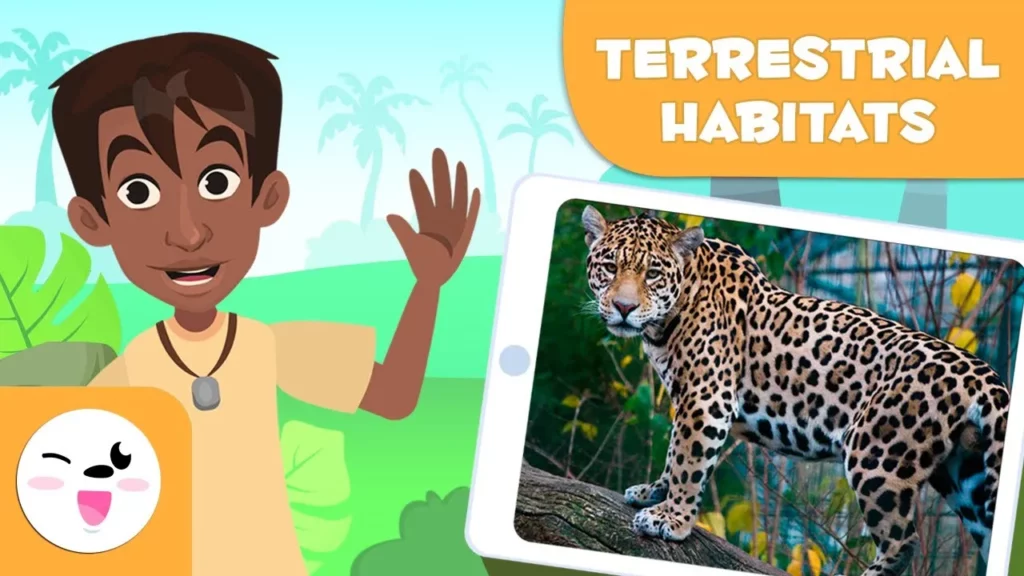
In this lesson, children embark on an adventure to explore various terrestrial habitats, including deserts, jungles, woods, prairies, and savannahs. They learn how each habitat has unique characteristics that support different plants and animals, highlighting the adaptations that allow life to thrive in these environments. The lesson concludes with an invitation to continue exploring aquatic habitats in future adventures.
Emotions for Kids – Happiness, Sadness, Fear, Anger, Disgust and Surprise
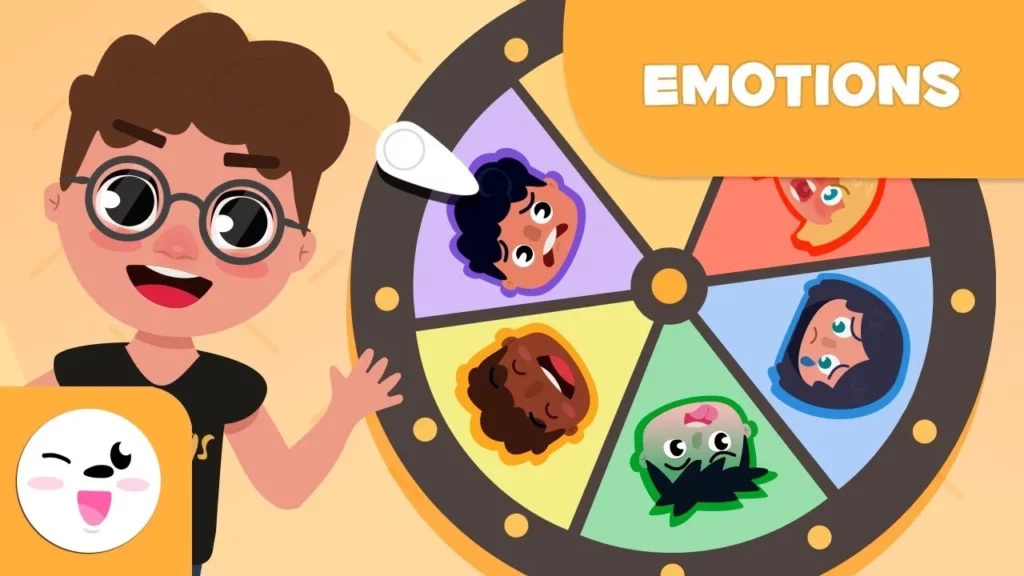
In today’s lesson, we explored six key emotions: happiness, sadness, fear, anger, disgust, and surprise, using an interactive emotions wheel. Each emotion was illustrated with relatable examples and personal anecdotes, helping kids understand when they might feel these emotions in their own lives. The lesson emphasized the importance of recognizing and naming feelings, making it a fun and engaging way for children to learn about their emotions.
Technology I – Vocabulary for Kids – Laptop, monitor, mouse, speakers, webcam, microphone…

In today’s lesson, we explored essential technology words that are important for kids to understand. We learned about various computer components and devices, including the computer, monitor, mouse, keyboard, speakers, webcam, microphone, laptop, printer, scanner, and flash drive, each serving a unique purpose in our digital lives. This foundational knowledge will help kids navigate and communicate effectively in a technology-driven world.
All SPORTS Vocabulary – Physical Education – Vocabulary for Children – Compilation

In this lesson, children learn about various sports through a fun and interactive sticker album activity. Each sport, including tennis, swimming, basketball, and more, is introduced with a brief description, highlighting the key actions and excitement associated with each one. By the end, students are encouraged to remember the vocabulary related to a total of twenty sports, fostering both language skills and an appreciation for physical activities.
What are Carbohydrates? – Healthy Eating for Children
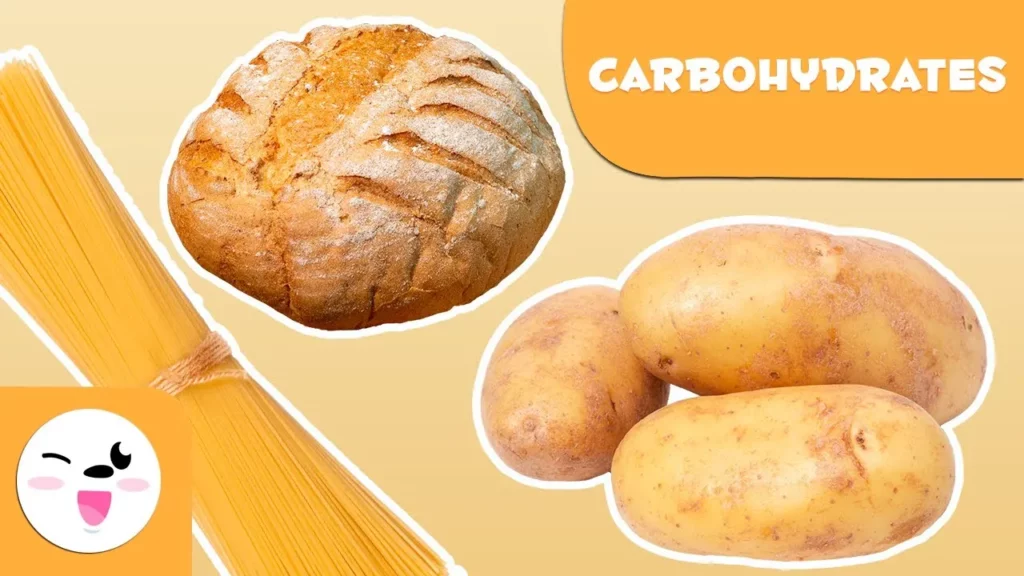
This lesson introduces carbohydrates as essential nutrients that provide energy for our bodies and highlights their importance in a balanced diet for children. It explains the three types of carbohydrates—simple, disaccharides, and complex—along with their sources and health benefits. The lesson encourages the consumption of healthier, plant-based carbohydrates while advising moderation for less healthy, sugar-rich options to maintain overall health.
What are proteins? – Healthy Eating for Kids
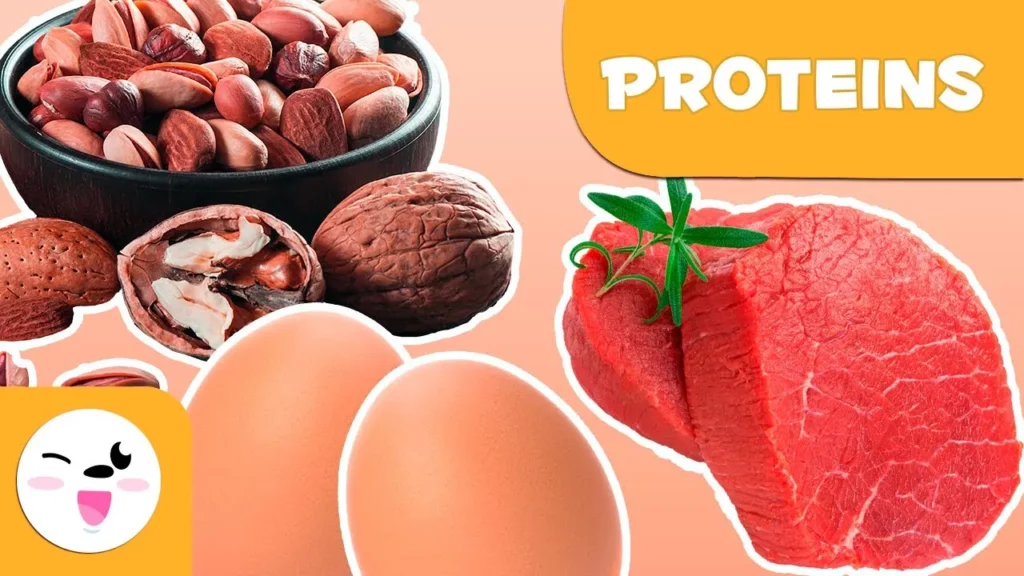
In this lesson, we learned that proteins are essential nutrients that help build and repair body tissues, support the immune system, and carry vitamins. There are two main types of proteins: animal proteins, found in meat and dairy, and vegetable proteins, found in legumes, nuts, and seeds. A balanced diet that includes a variety of protein sources is important for growth and overall health.