
Technology III – Vocabulary for Kids – Mobile phone, tablet, battery, charger, earphones, camera…
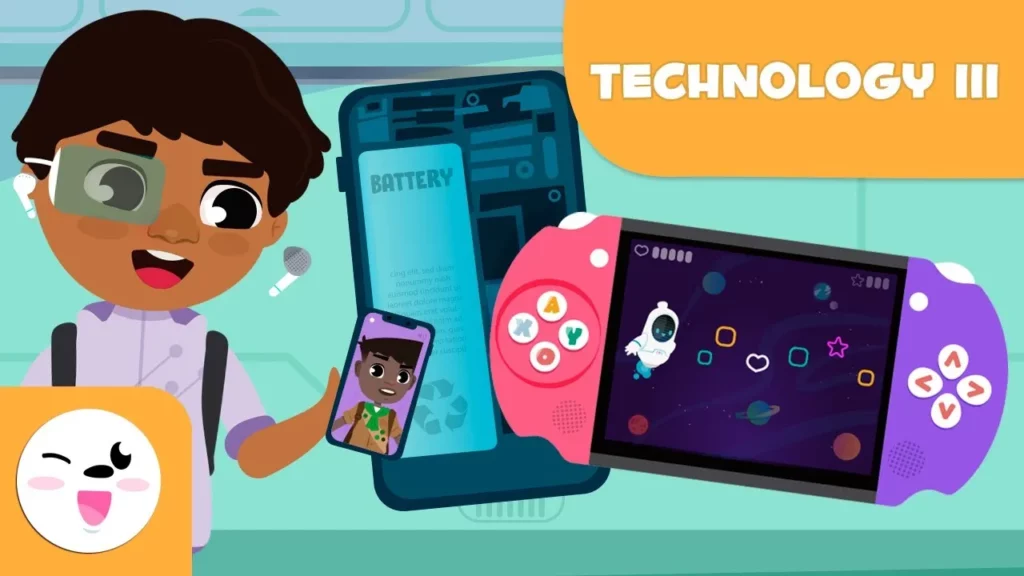
In today’s lesson, we explored various technology-related vocabulary, including terms like mobile phone, tablet, battery, charger, and more. Each word was accompanied by a brief explanation of its function and importance in our daily lives, helping us understand how these devices work and enhance our experiences. Overall, the lesson aimed to make learning about technology fun and engaging!
Microorganisms – Compilation Video – Bacteria, Viruses and Fungi – Explanation for Kids
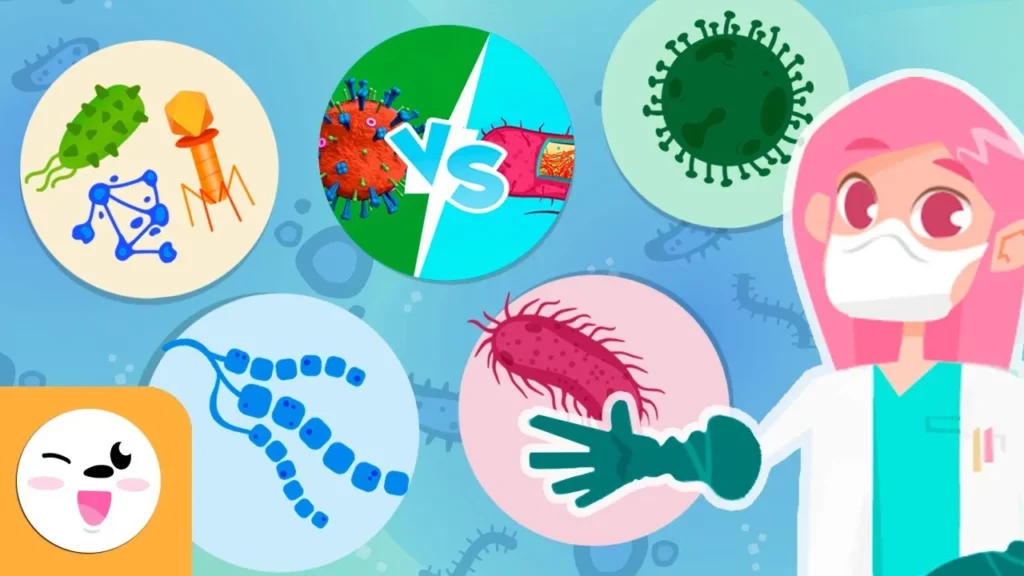
This lesson explores the world of microorganisms, focusing on bacteria, viruses, and fungi, highlighting their structures, functions, and roles in health and the environment. It explains how viruses invade hosts to reproduce and cause illness, while bacteria can be both beneficial and harmful, with antibiotics available for treatment. Additionally, it discusses the unique characteristics of fungi, their ecological importance, and the differences between bacteria and viruses, emphasizing the significance of hygiene and vaccination in disease prevention.
Circle, Circumference and Number Pi – Compilation Video
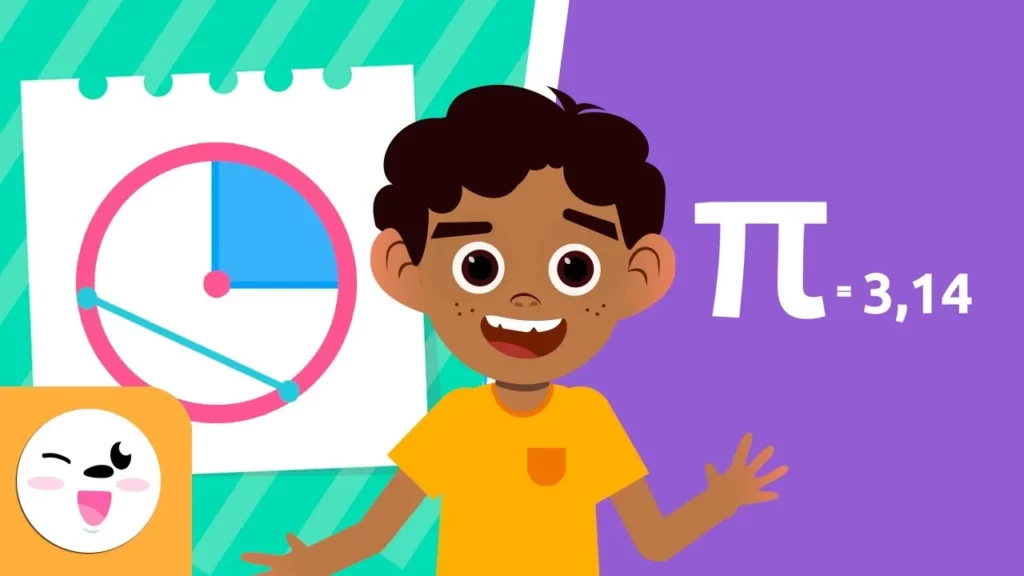
In this lesson, we explored the concepts of circles and their circumferences, highlighting the distinction between the two: the circumference is the curved line surrounding a circle, while the circle itself encompasses the area within that line. We also introduced the mathematical constant pi (π), which represents the relationship between a circle’s circumference and its diameter, approximately equal to 3.14. By using formulas involving pi, students learned how to calculate the circumference based on the radius or diameter, applying these concepts to real-world examples.
Adding and Subtracting Fractions – Same Denominator – Math for Kids
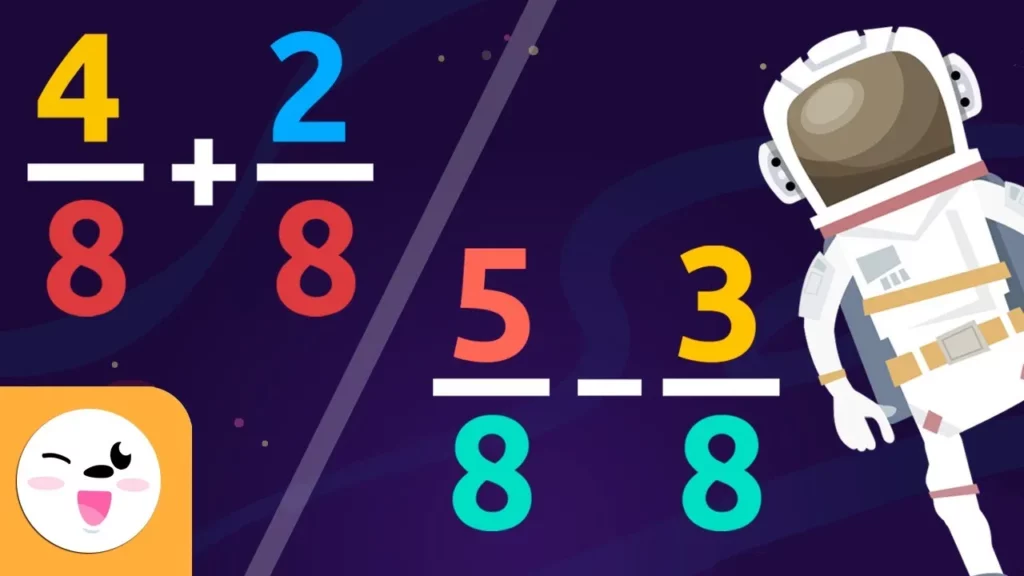
In this lesson, students learn how to add and subtract fractions with the same denominator. They discover that to add fractions, they keep the denominator constant and simply add the numerators, while for subtraction, they also keep the denominator the same and subtract the numerators. Through engaging examples involving friendly aliens and trees on a fictional planet, students practice these concepts to reinforce their understanding.
Explore Aquatic Habitats – Types of Habitats for Kids
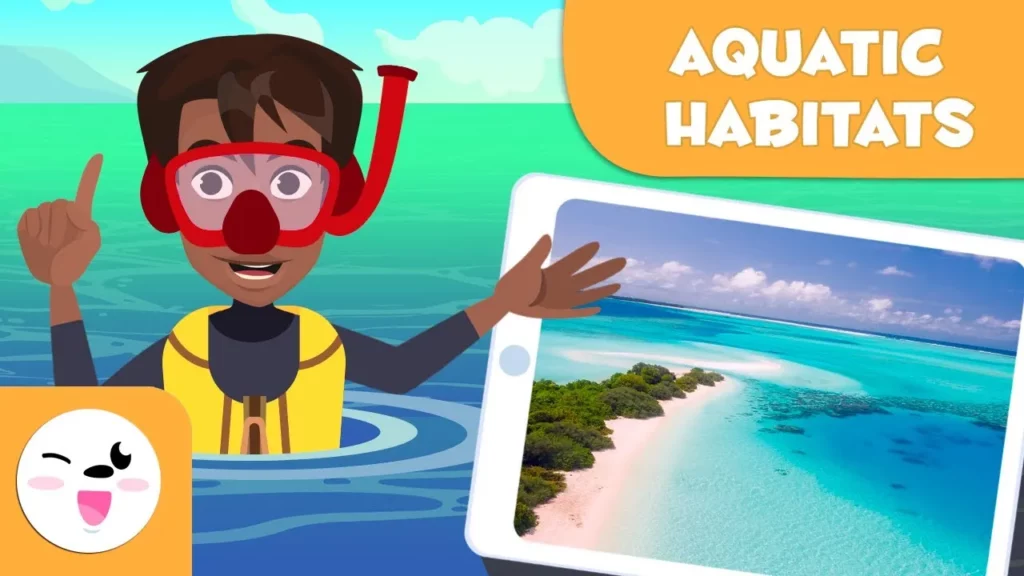
In this lesson, we explored the fascinating world of aquatic habitats, focusing on the two main types: freshwater habitats, such as rivers and lakes, and saltwater habitats, like oceans and seas. We learned about the diverse life forms that inhabit these environments, including various fish and plants, as well as the adaptations that allow them to thrive underwater. The lesson emphasized the importance of these habitats for sustaining life and highlighted the impact of pollution on their ecosystems.
What are vitamins and mineral salts? – Healthy Eating for Kids
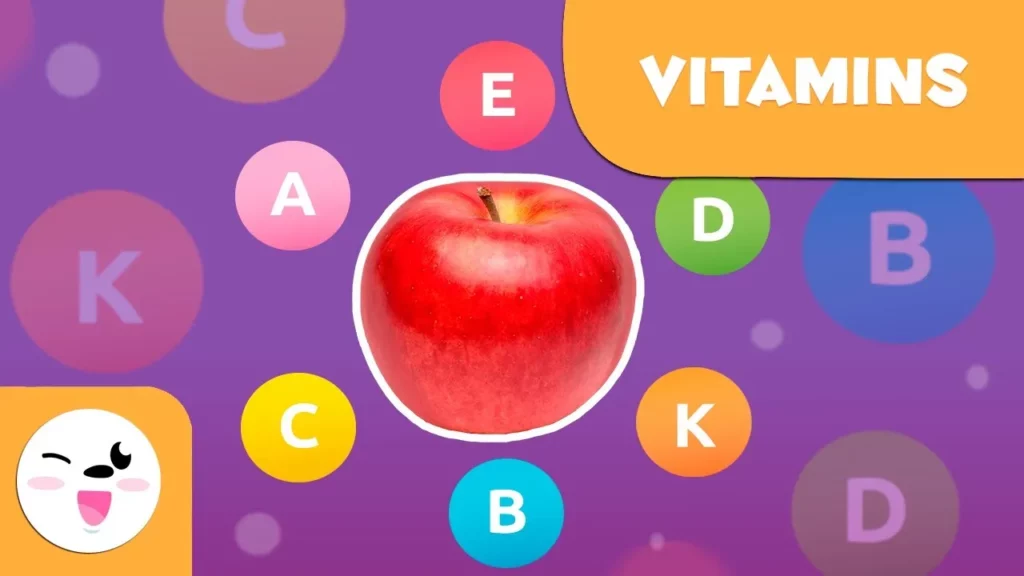
In this lesson, children learn about the importance of vitamins and minerals in their diet, including the different types of vitamins (A, B, C, D, E, and K) and essential minerals like iron and calcium. The lesson emphasizes the significance of consuming a variety of fruits and vegetables to ensure a balanced intake of these nutrients, and it offers fun meal ideas to incorporate more vitamins and minerals into their daily eating habits.
What are ecosystems? Types of Ecosystems for Kids
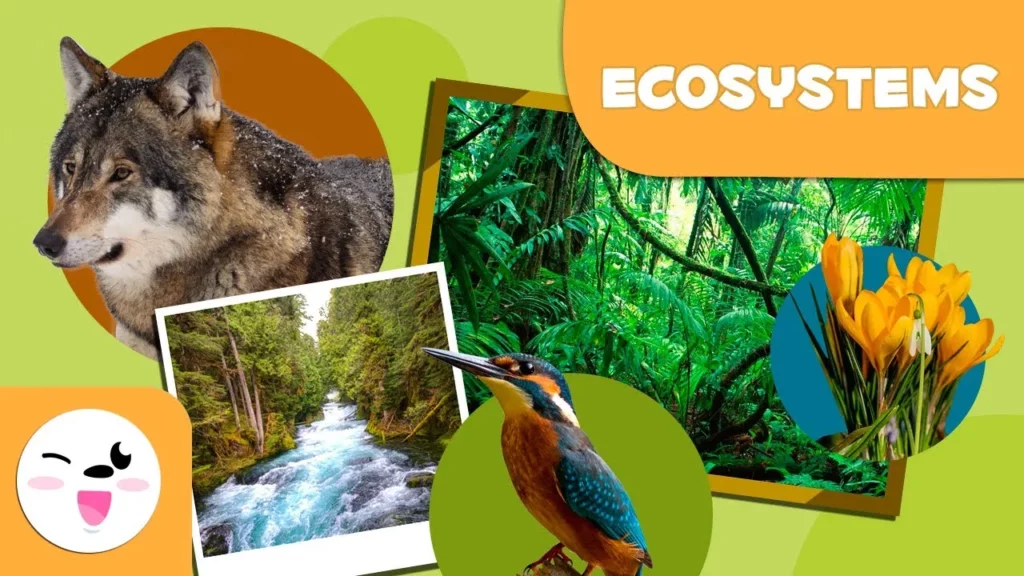
In this lesson, we explored the concept of ecosystems, which are communities where living organisms interact with their non-living environment. We learned about the two main types of ecosystems—natural, which develop independently, and artificial, created by humans—and discussed their importance in maintaining ecological balance. Understanding these ecosystems helps us appreciate the diversity of life on Earth and the need to protect our environment.
Kitchen Utensils – Episode 1 – Vocabulary for Kids
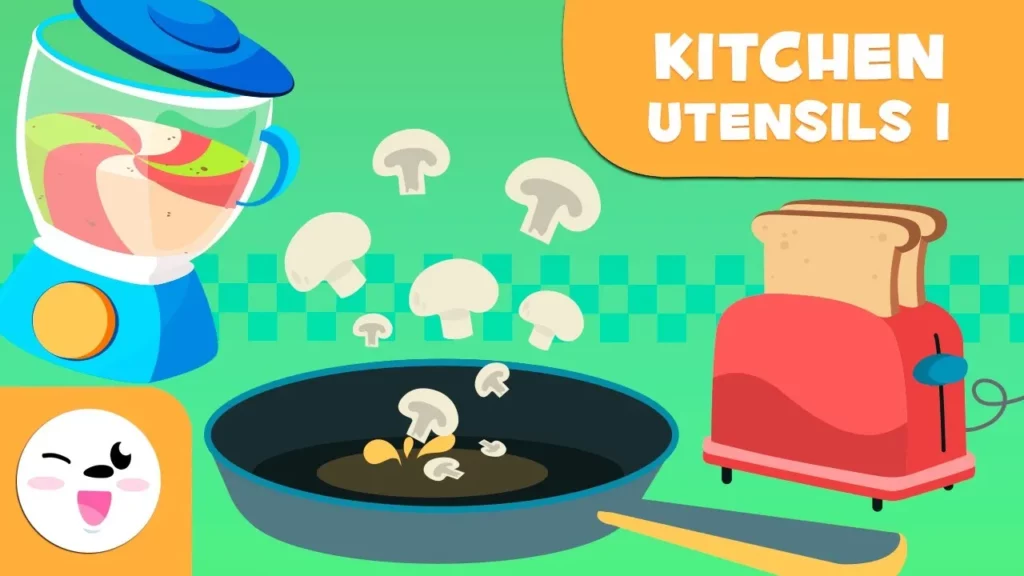
In this lesson, kids embark on an exciting kitchen adventure to learn about various cooking tools and machines. They discover the functions of items like the fry pan, pot, pressure cooker, and blender, while also practicing their vocabulary related to cooking. The lesson concludes with a fun recap of all the kitchen utensils introduced, encouraging kids to remember and engage with the material.
SUPERMARKET FOODS – Part 1 – Food Vocabulary for Kids
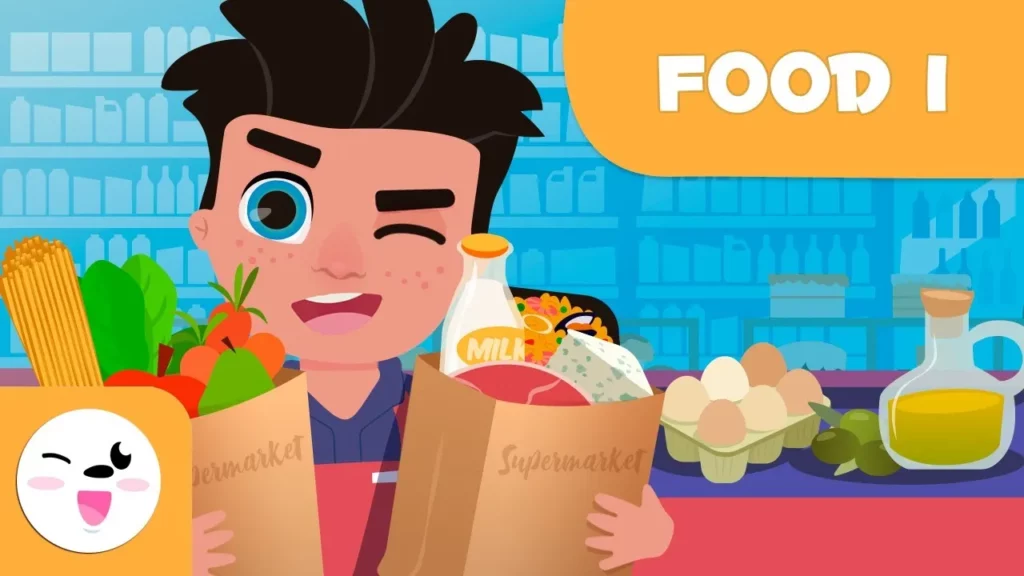
In today’s lesson, we explored various food categories found in the supermarket, including fruits, vegetables, fish, meat, oil, eggs, milk, cheese, rice, and pasta. Each food group was highlighted for its nutritional benefits and deliciousness, encouraging students to think about their favorite foods. The lesson aimed to expand vocabulary related to food while promoting healthy eating habits.
Water Saving Tips and Tricks – Let’s Save the Planet – The Environment for Kids
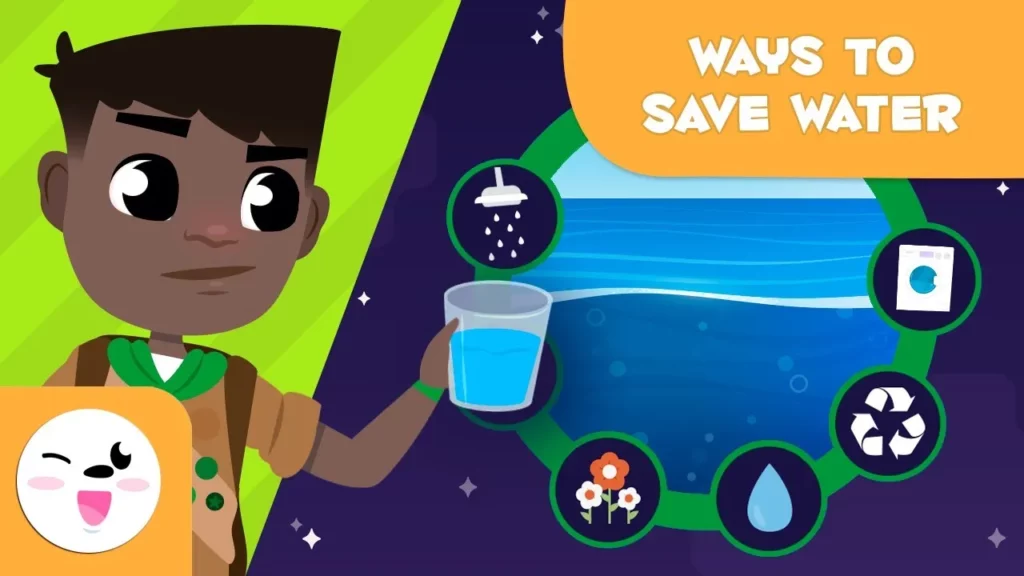
In this lesson, we learned about the critical importance of water conservation and the limited availability of fresh water on our planet. We explored common ways we waste water unknowingly and discussed simple, effective strategies to reduce water usage at home, such as turning off taps while brushing teeth and collecting rainwater for gardening. By adopting these practices, we can contribute to saving water and protecting the environment.