
What is EMPATHY? Explaining Empathy to Kids – Emotions
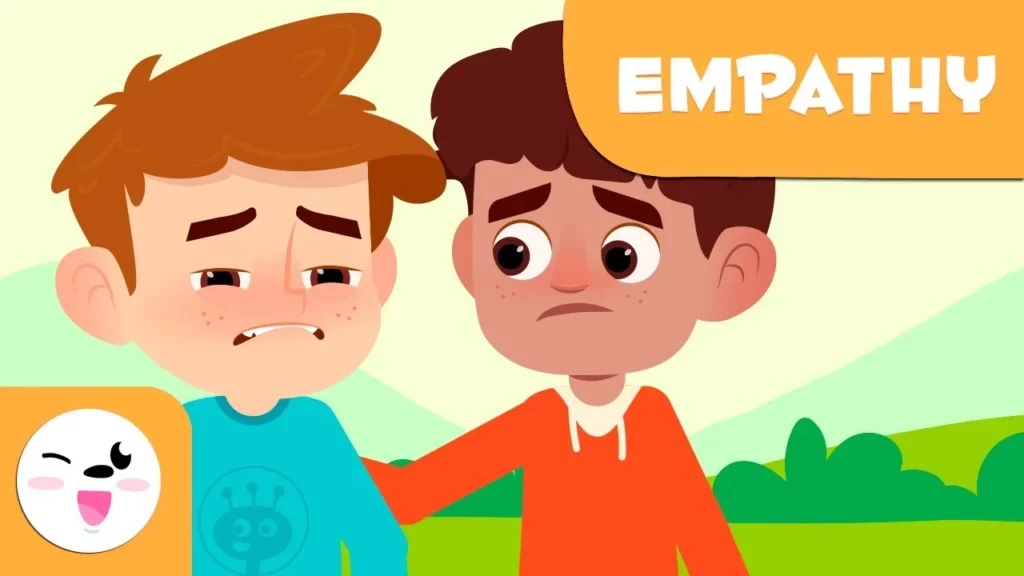
In this lesson, we explore the concept of empathy, which involves understanding and sharing the feelings of others by imagining ourselves in their situations. Through relatable examples, such as comforting a friend or family member in distress, children learn practical steps to practice empathy, including observing emotions, reflecting on their own feelings, and offering support. The lesson emphasizes the importance of kindness and understanding in building strong friendships.
The Human Eye and Its Parts – How Vision Works – Compilation Video – Senses for Kids
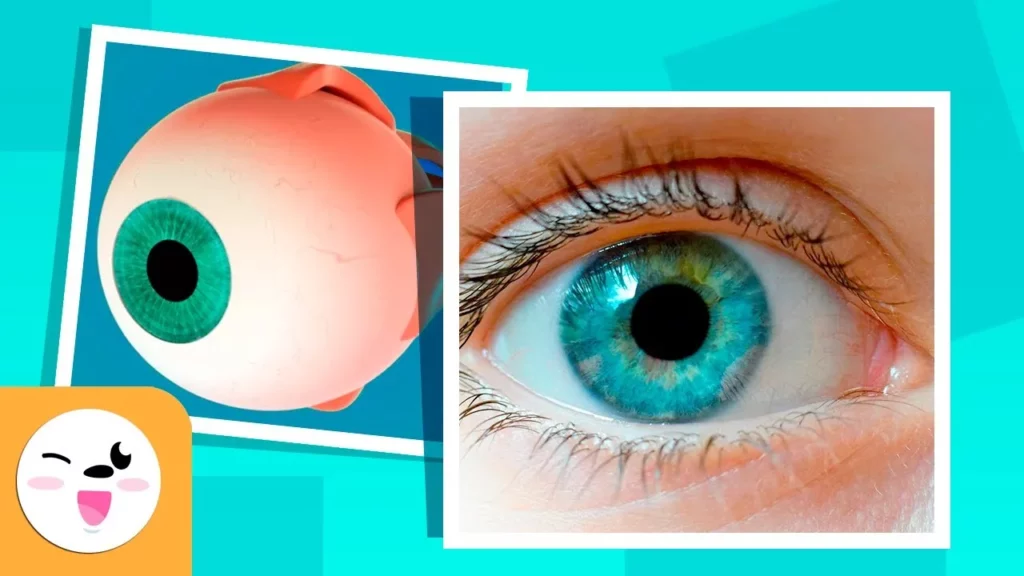
In this lesson, we explored the human eye and its essential parts, which work together to enable our sense of sight. Key components such as the cornea, iris, retina, and optic nerve play crucial roles in processing visual information, while protective features like eyelids, eyelashes, and eyebrows help keep our eyes safe and clean. Understanding how these parts function together not only enhances our appreciation of vision but also emphasizes the importance of taking care of our eyes.
THE FULL STOP – Puntuaction Marks – Grammar for Kids
In this lesson, we learned about the full stop, a crucial punctuation mark that signifies the end of a sentence or paragraph, helping to clarify our writing. The full stop not only indicates the conclusion of a thought but also requires that the next word begins with a capital letter, ensuring proper sentence structure. Understanding how to use full stops effectively enhances our communication skills in writing and speaking.
The Human EAR for Kids – Compilation Video – Sense Organs
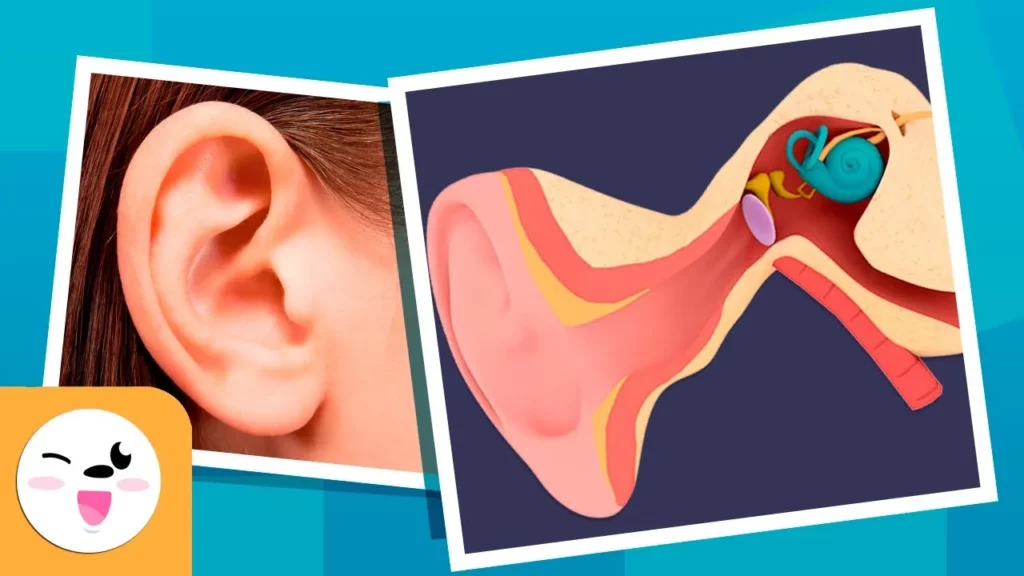
In this lesson, we learned about the human ear and its three main parts: the outer ear, middle ear, and inner ear, each playing a crucial role in hearing and balance. Sound travels through the ear, starting from the auricle, moving through the auditory canal, and causing the eardrum and tiny bones in the middle ear to vibrate, ultimately reaching the cochlea in the inner ear, where vibrations are converted into signals for the brain. Additionally, we discussed the importance of taking care of our ears to protect our hearing.
ROCKS – Formation, Classification and Uses – Science for Kids
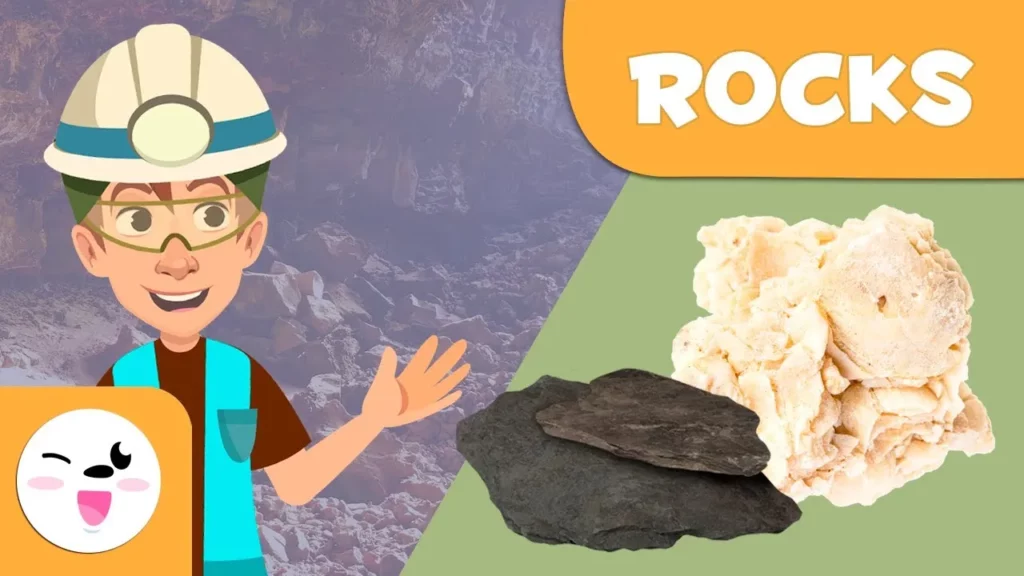
In this lesson, we explored the fascinating world of rocks, learning about their formation, classification, and various uses. Rocks are composed of minerals and are categorized into three main types: igneous, sedimentary, and metamorphic, each formed through different processes. Additionally, we discussed how rocks have been utilized throughout history and continue to play a vital role in our daily lives, from construction to energy production.
The Sense of SMELL for Kids – Compilation Video – Sense Organs
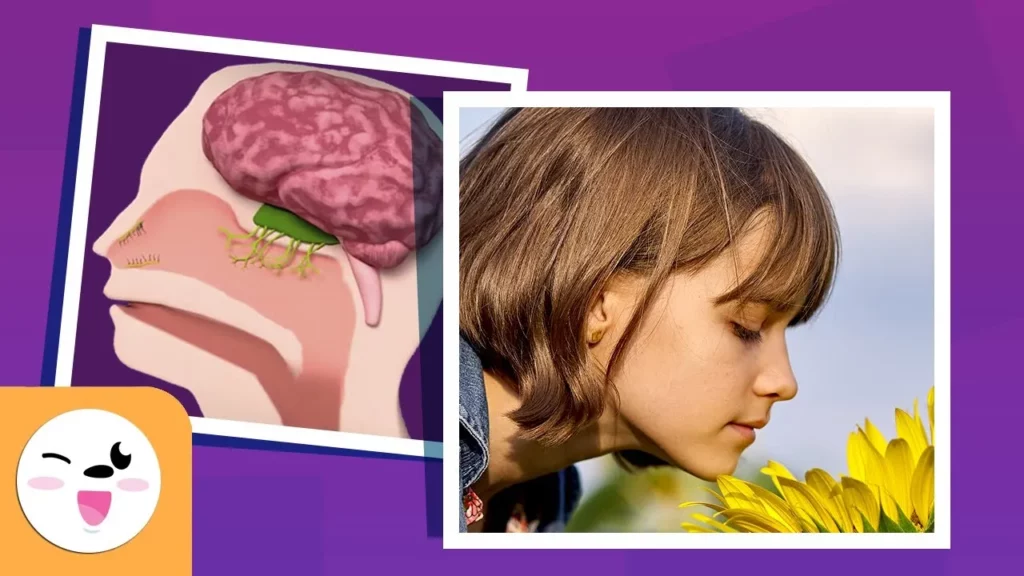
In this lesson, kids learn about the sense of smell and how the nose functions as a “smell detective” by detecting different odors and sending signals to the brain. The lesson covers the anatomy of the nose, including nostrils, nasal cavity, and olfactory membrane, and explains how these parts work together to filter air and identify scents. Additionally, it highlights the impressive smelling abilities of animals like dogs, encouraging curiosity and further exploration of the topic.
THE ENVIRONMENT for Kids – Climate Change, Greenhouse Effect, Looking after the Planet and Energy
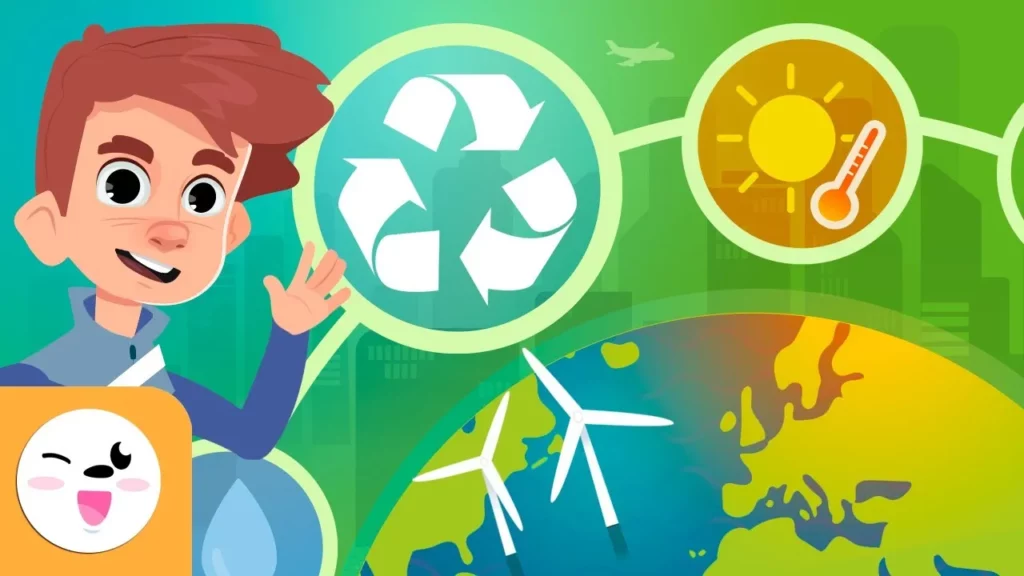
This lesson introduces kids to the concepts of climate change and the greenhouse effect, explaining how human activities, particularly the burning of fossil fuels, have led to global warming and its impacts on the environment. It emphasizes the importance of taking action to combat climate change through renewable energy, responsible consumption, water conservation, and reducing waste. By adopting simple, eco-friendly practices, everyone can contribute to protecting the planet for future generations.
Kitchen Utensils – Episode 3 – Vocabulary for Kids
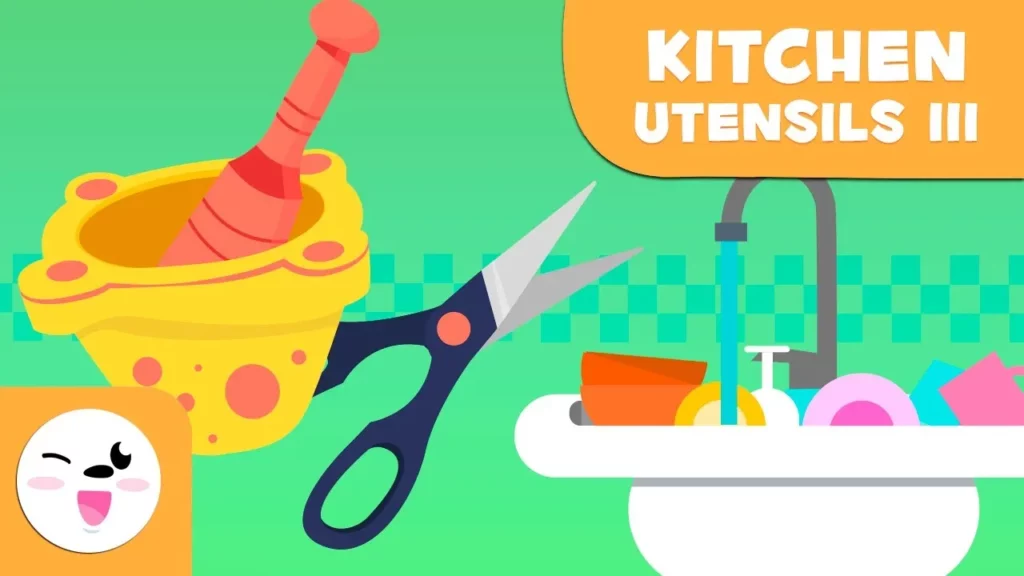
In this lesson, kids explore various kitchen utensils, learning their names and functions in a fun and engaging way. Tools like the squeezer, skimmer, colander, and grater are introduced, each accompanied by simple explanations that highlight their uses in cooking and food preparation. The lesson encourages curiosity and invites children to continue learning through additional videos.
Healthy Eating for Kids – Compilation Video: Carbohydrates, Proteins, Vitamins, Mineral Salts, Fats
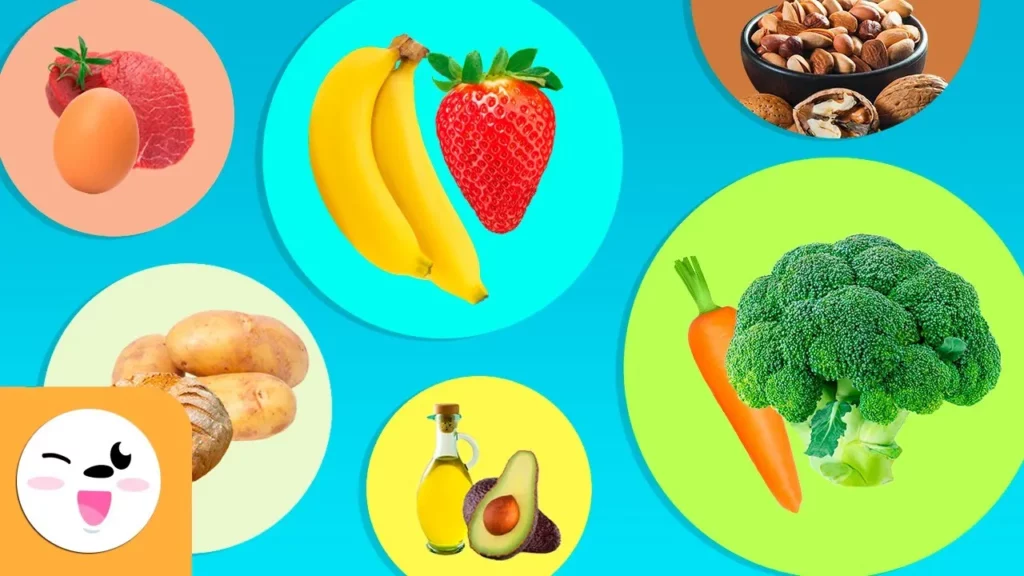
In this lesson on healthy eating for kids, we learned about the importance of a balanced diet that includes essential nutrients such as carbohydrates, fats, proteins, vitamins, minerals, and water. Healthy eating helps us grow strong, maintain energy, and prevent diseases like obesity and diabetes. By following tips like eating a variety of foods, staying hydrated, and exercising regularly, we can make smart choices for our health.
TOYS – Vocabulary for Kids
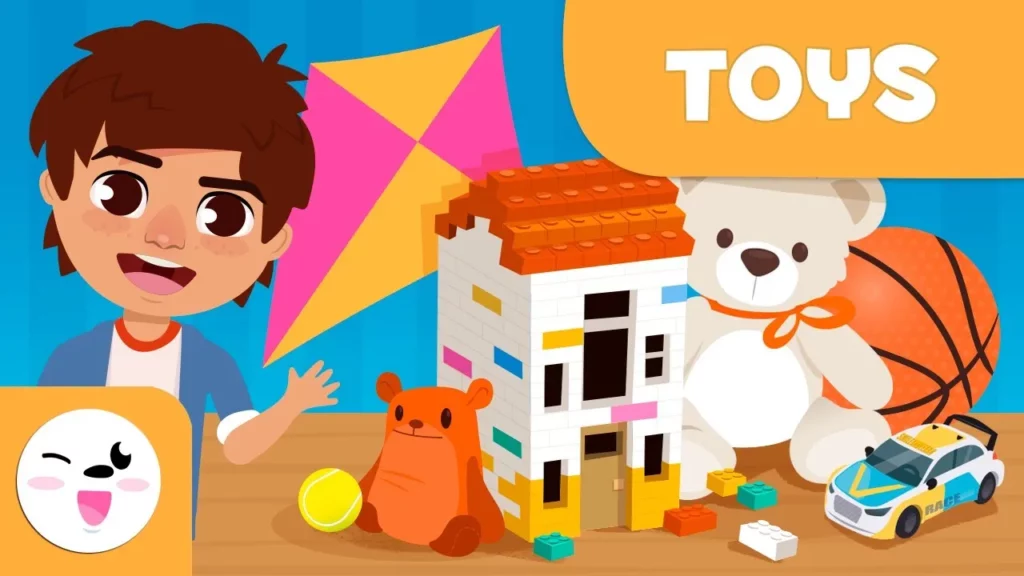
In today’s lesson, we explored a variety of fun toys and learned new vocabulary related to them, including balls, dolls, teddy bears, and bicycles. Each toy was introduced with a brief description and an engaging activity, encouraging students to think about their own experiences with these toys. Overall, it was a delightful adventure that emphasized the joy of learning through play!