
VISUAL MEMORY CHALLENGE for Kids | Are you up for it? | Increase Concentration Through Play ????
The “Great Memory Challenge” is an engaging game designed to enhance memory skills by having players memorize the locations of pictures across ten progressively challenging levels. Each level tests the player’s ability to recall where specific images are hidden, encouraging focus and quick thinking. By the end of the challenge, participants not only improve their memory but also discover the joy of learning through play.
The Skeletal System – Bones for Kids (Updated Version)
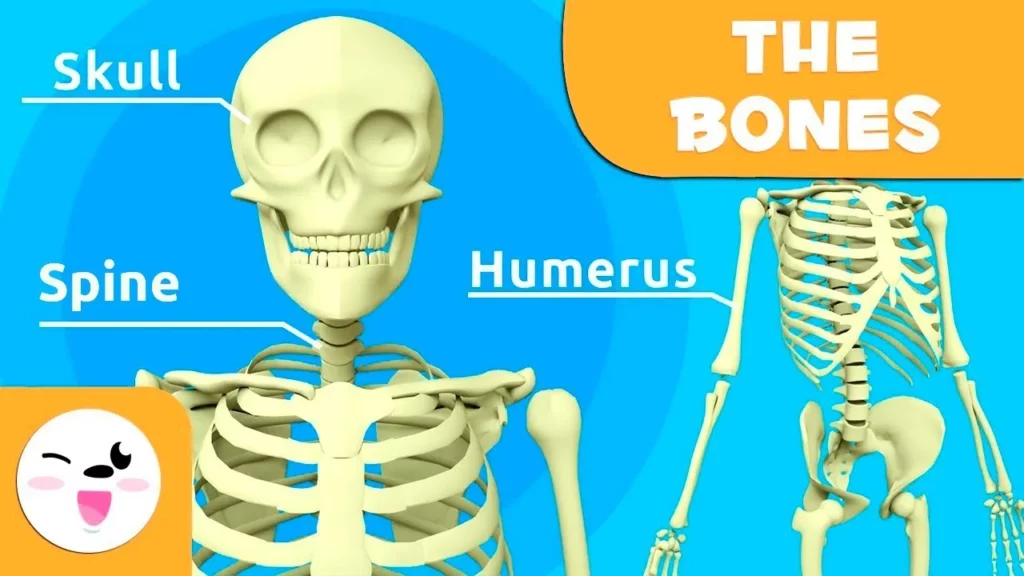
In this lesson, children explore the skeletal system, which consists of bones, joints, and cartilage that provide structure and support to the body. They learn about the functions of bones, the importance of joints for movement, and the role of cartilage in cushioning joints. The lesson also highlights the number of bones in the body and introduces key bones, encouraging further exploration of this fascinating topic.
SYNONYMS for Kids – What are synonyms? – Words that have the same meaning
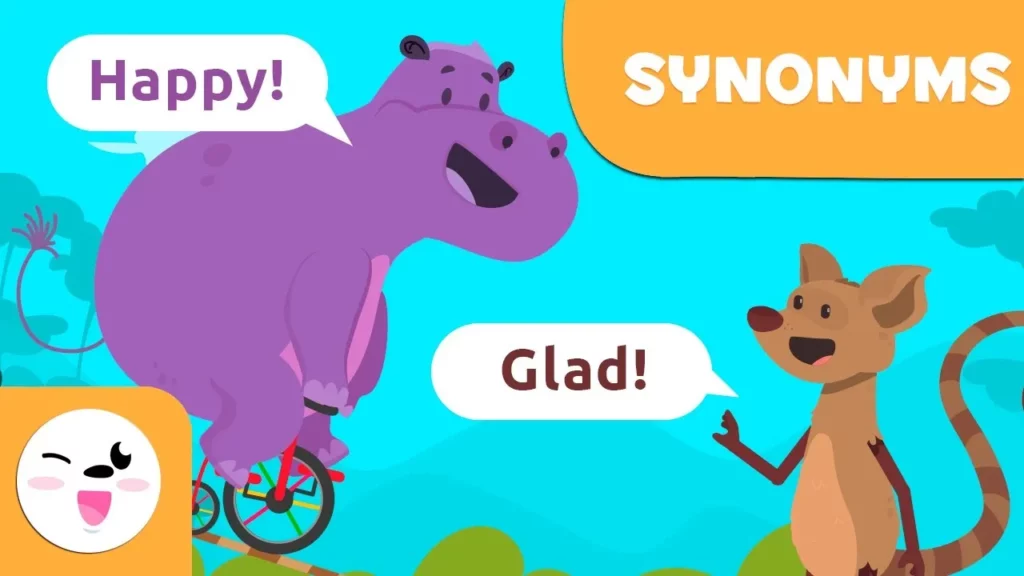
In this lesson, kids learn about synonyms—words that have the same or very similar meanings, such as “big,” “huge,” and “gigantic.” Understanding synonyms enhances writing by making it more vibrant and expressive, similar to using a variety of colors in a drawing. The lesson encourages practice through a fun synonym game and emphasizes the importance of spelling while exploring new words.
Time Periods for Kids – Days of the Week, Months of the Year and Seasons – Compilation Video
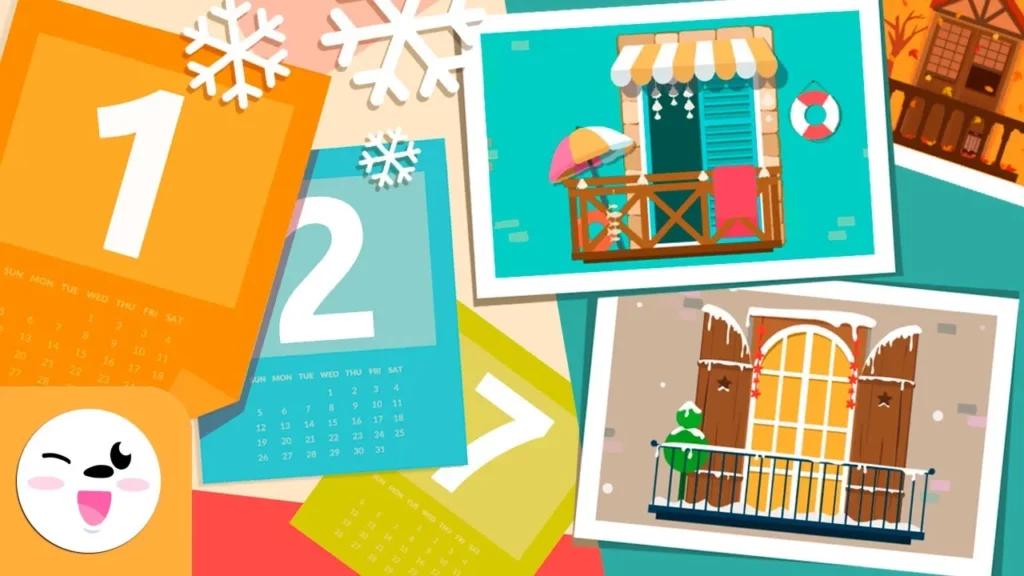
In this lesson, kids learn about the basic time periods: the days of the week, the months of the year, and the seasons. They discover that there are seven days in a week, twelve months in a year, and four seasons, each with its own unique characteristics. The lesson encourages children to engage with the material by repeating the names and reflecting on their favorite days and seasons.
Relation Between the Vital Functions and the Organ Systems of the Human Body – Science for Kids
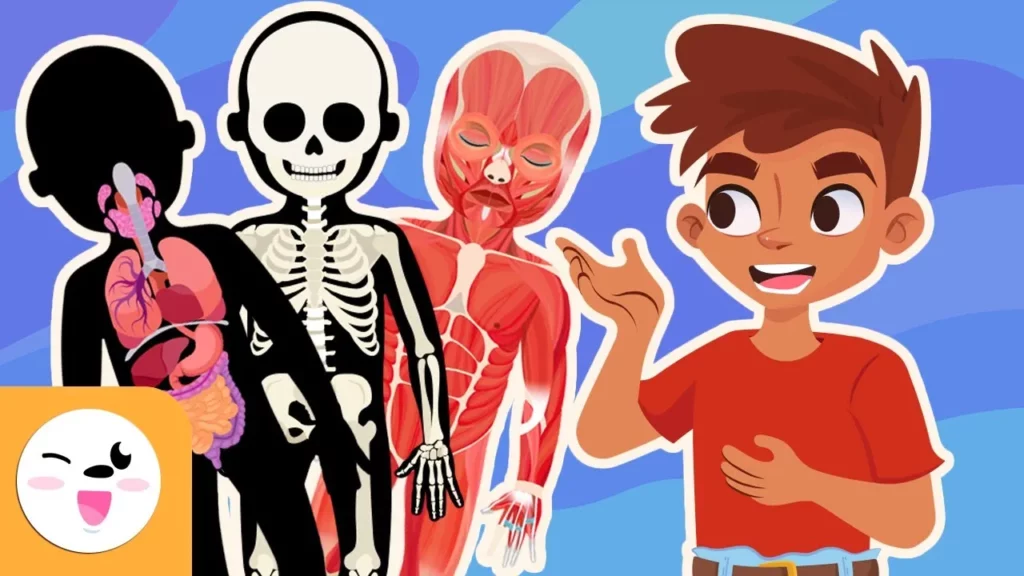
In this lesson, we explored the connection between vital functions—interaction, nutrition, and reproduction—and the various organ systems in the human body. We learned how systems like the nervous, digestive, respiratory, circulatory, and reproductive systems collaborate to help us respond to our environment, obtain nutrients, and ensure the continuation of our species. Understanding these relationships highlights the importance of maintaining our health for optimal functioning of these systems.
HISTORY for Kids – From Prehistoric Times to the Era of the Industrial Revolution – Compilation
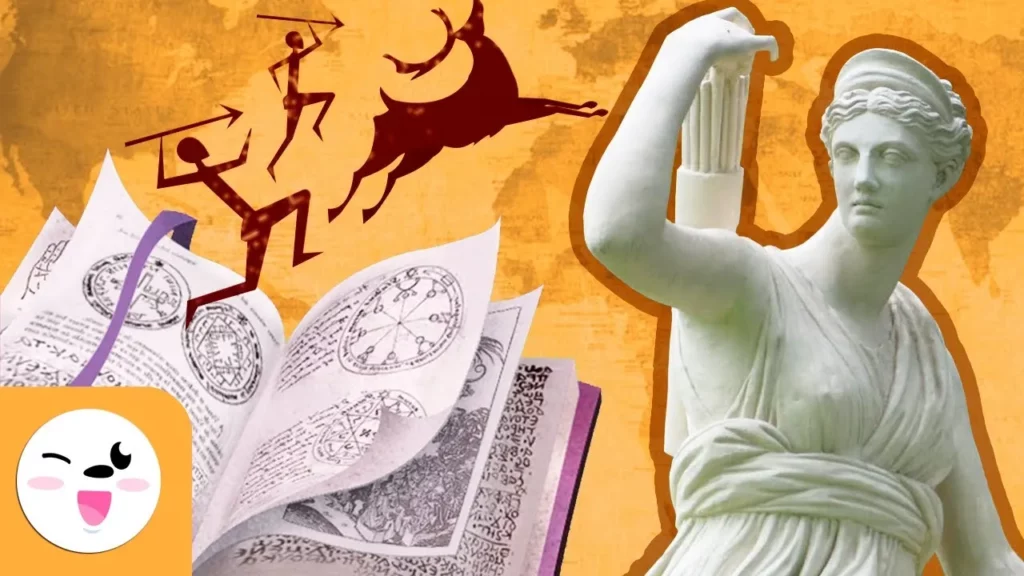
This lesson provides an overview of human history from pre-history to the Industrial Revolution, highlighting key developments and civilizations. It begins with the emergence of early humans in Africa, the evolution of tools and agriculture during the Paleolithic and Neolithic periods, and the advancements in metalworking. The lesson then explores ancient civilizations such as Egypt, Greece, and Rome, before discussing the societal structure of the Middle Ages and the transformative changes brought about by the Industrial Revolution in the 18th century.
The CONTINENTS for Kids – Geography for Kids
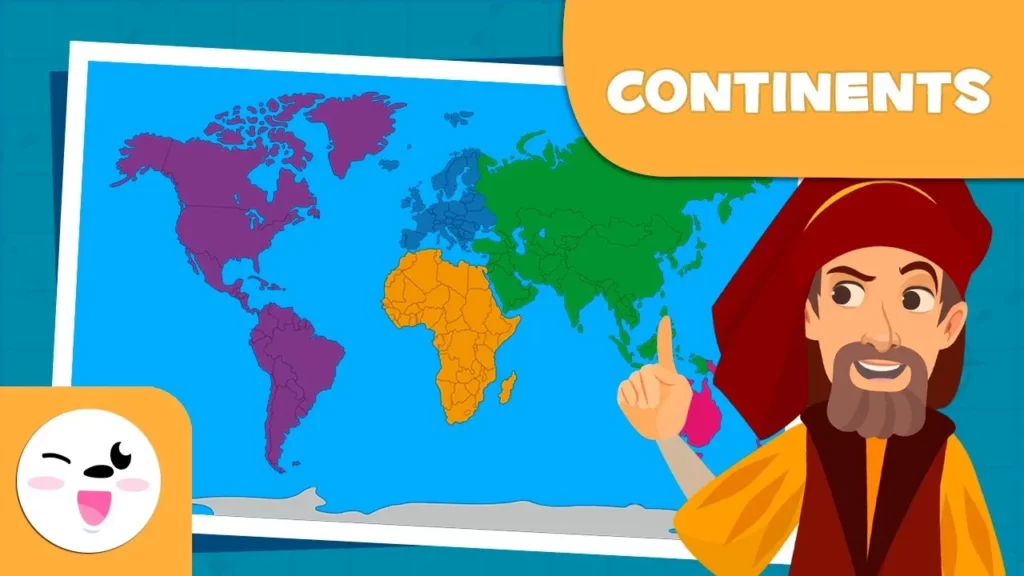
In this lesson, we explored the six continents of the world: Europe, Africa, Asia, the Americas, Oceania, and Antarctica, highlighting their unique geographical and cultural characteristics. We learned about the size and population of each continent, as well as fun facts, such as the division of the Americas into North, Central, and South America. The lesson emphasized the importance of understanding our planet’s diverse landmasses and encouraged further exploration and learning.
VISUAL MEMORY TEST for Kids | Improve Your Concentration Skills | Find the Correct Picture
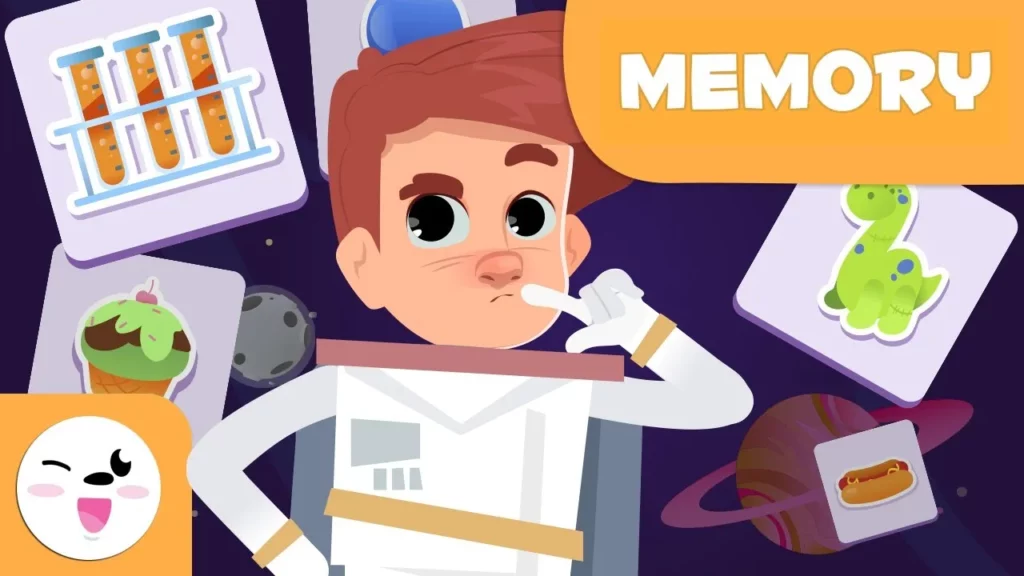
In this lesson, participants engage in a fun memory game that challenges them to remember the locations of various pictures hidden behind numbered cards. As they progress through ten levels, they practice and enhance their memory skills, receiving positive reinforcement for their successes. The lesson concludes by encouraging continued learning and exploration through more games and activities.
ANTONYMS For Kids – What are anotonyms? – Words With Opposite Meaning
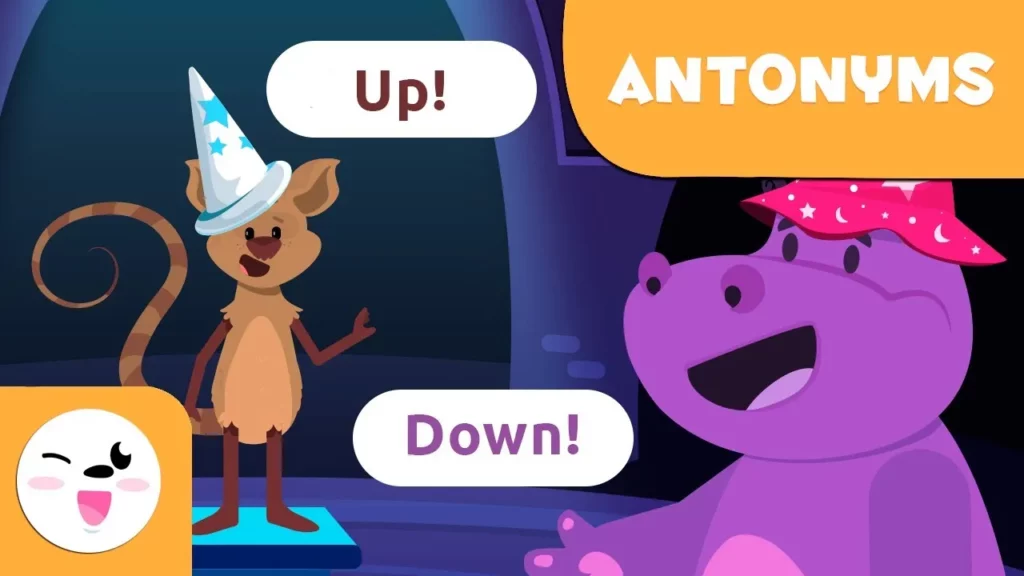
In this lesson, children are introduced to the concept of antonyms, which are words with opposite meanings, through an engaging story about a magic spell. The lesson includes examples such as “big” and “tiny,” “short” and “tall,” and encourages interactive practice by asking students to identify antonyms for given words. By the end of the lesson, students are excited to apply their newfound knowledge of antonyms in a fun and magical way.
Rocks and Minerals for Kids – Compilation Video – Science for Kids
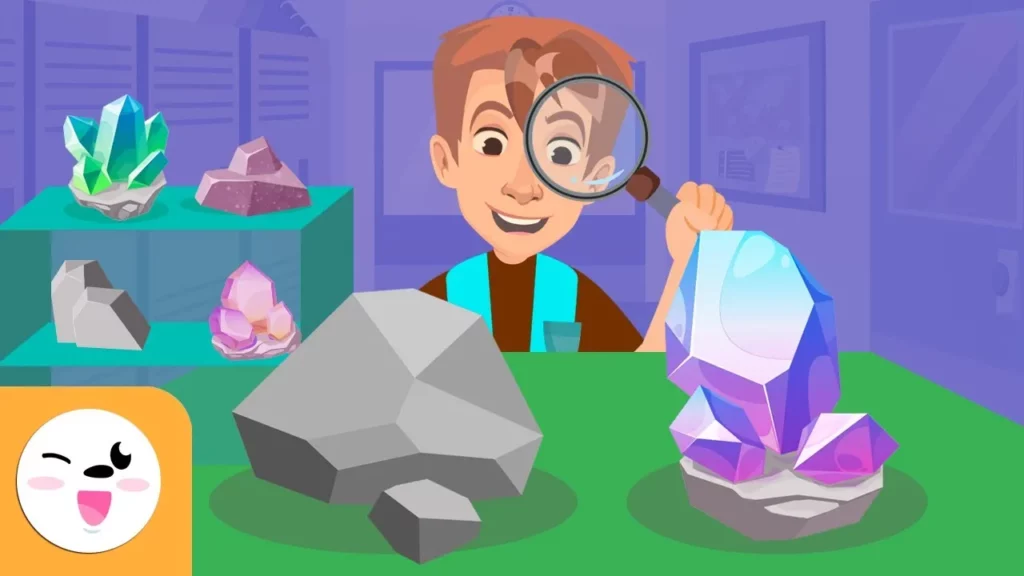
In this lesson, children explore the fascinating world of rocks and minerals, learning that rocks are solid parts of the Earth made up of minerals. They discover the three main types of rocks—igneous, sedimentary, and metamorphic—and the unique properties of minerals, such as hardness, shape, luster, and color. The lesson encourages hands-on exploration through a fun activity where kids can collect and examine different rocks and minerals, deepening their understanding of these natural wonders.