
WORLD FLAGS – Flags of Europe and the Americas for Kids – Compilation Video
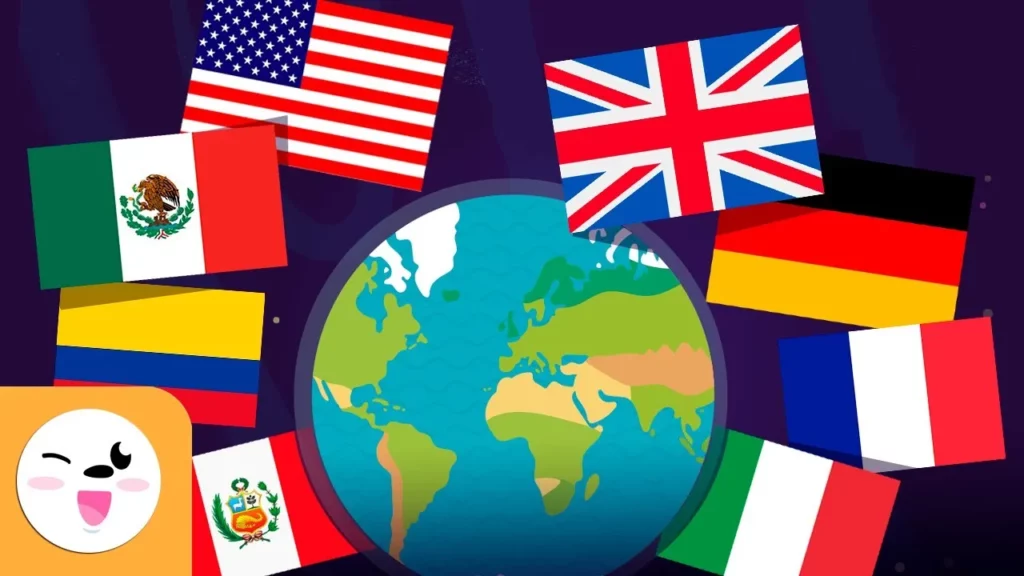
In this lesson, children are introduced to the flags of various countries in America and Europe, learning to recognize and describe their unique designs. The lesson covers a wide range of flags, including those of Antigua and Barbuda, Argentina, Brazil, and several European nations like Germany and France, encouraging kids to recall and identify them. Through engaging descriptions and visual elements, the lesson aims to enhance children’s knowledge of geography and cultural symbols.
Types of STORES for Kids – Going Shopping Around the City – Vocabulary for Kids
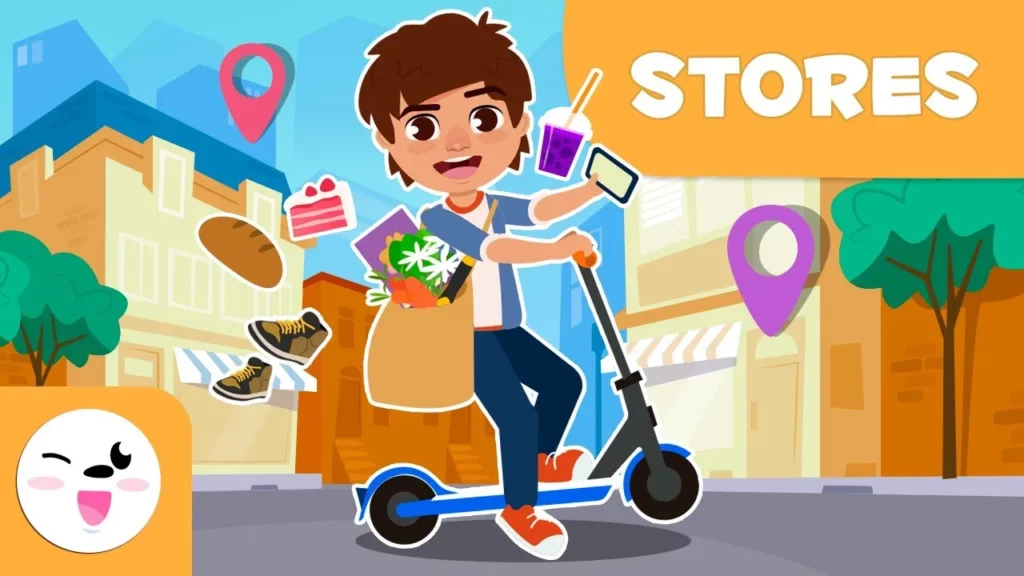
In this lesson, children embark on a shopping adventure to explore various types of stores in the city, including bakeries, fruit stores, butcher shops, and more. Each store offers unique products, from delicious treats and fresh produce to toys and books, helping kids learn about the different items they can find while shopping. The lesson concludes with a fun recap of the stores visited, reinforcing their names and the items they sell.
FULL STOP and COMMA – How are they different? – Compilation Video – Punctuation Marks – Literacy
In this lesson, we explored the roles of full stops and commas in punctuation. Full stops indicate the end of sentences and paragraphs, signaling a complete thought, while commas create short pauses within sentences, helping to clarify meaning and separate items in lists. Understanding these punctuation marks enhances our writing clarity and effectiveness.
OCEANS for Kids – Geography for Kids
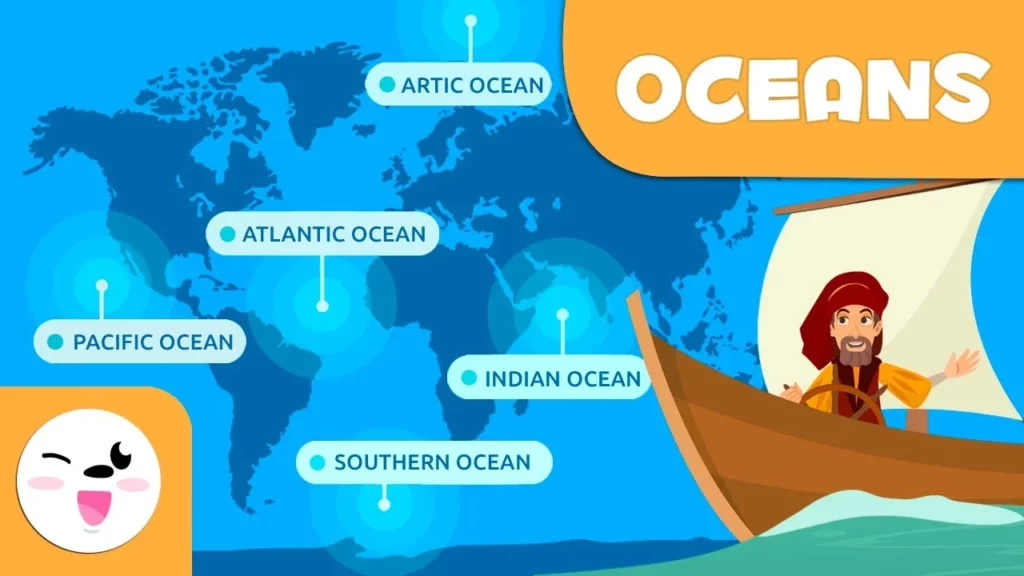
In today’s lesson, we explored the five major oceans of the Earth: the Pacific, Atlantic, Indian, Arctic, and Southern Oceans. Each ocean has unique characteristics, such as the Pacific being the largest and home to the Mariana Trench, while the Arctic is the smallest and mostly covered in ice. We also discussed the importance of protecting these vital ecosystems from threats like pollution and global warming.
SOCCER for Kids | Basic Rules | Episode 1
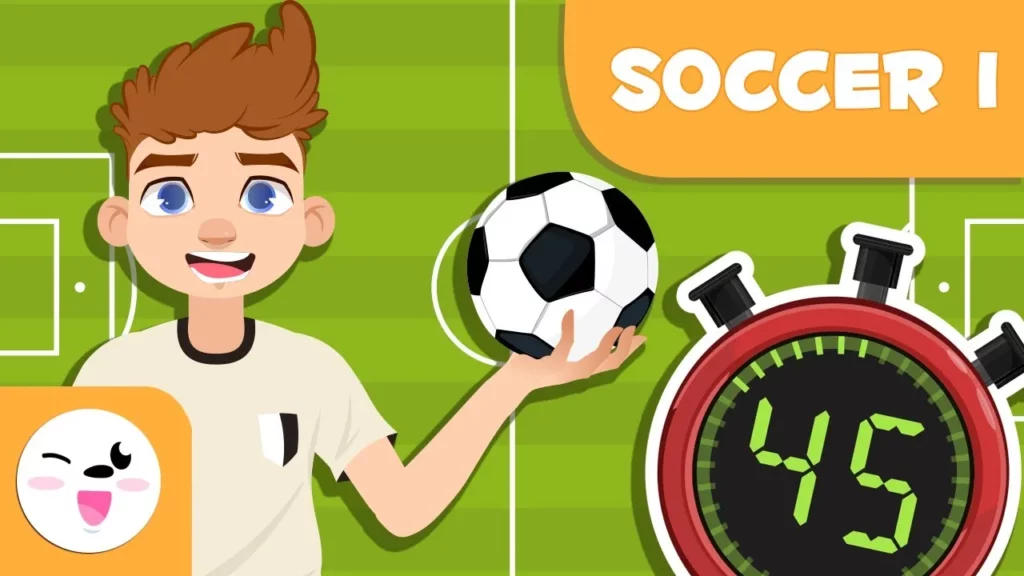
In this lesson, kids learn the basic rules of soccer, including the layout of the field, how to play the game, and the roles of different positions on a team. The game is played with a ball, where players use their feet, chest, or head to pass and score goals, while the goalkeeper is the only player allowed to use their hands within the goal area. Emphasis is placed on fair play and the importance of following rules to ensure a fun and safe experience for everyone.
DINOSAURS for Kids ???? Learn DINOSAURS ???? Memory Game | Where is the dinosaur?
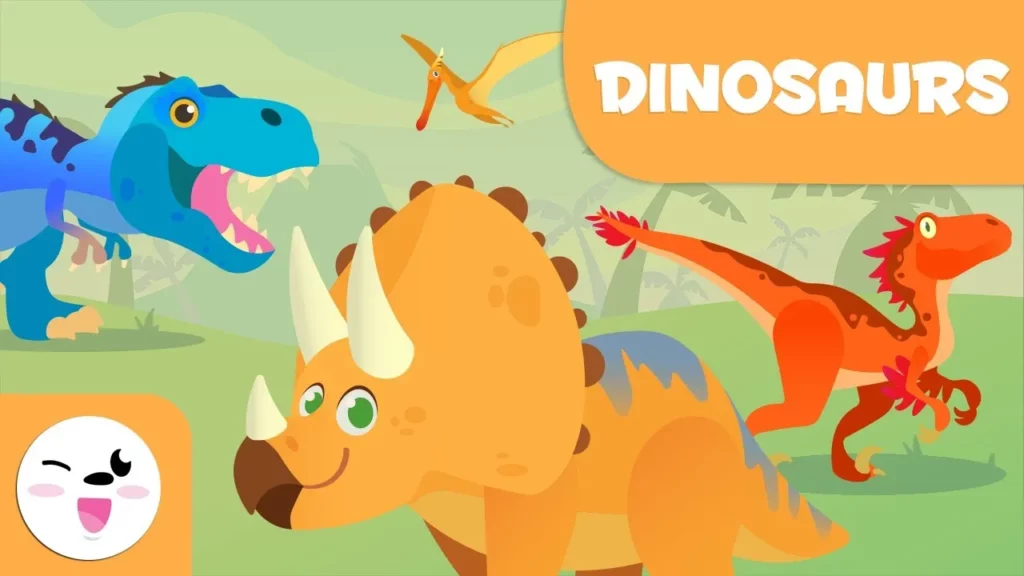
In the “Dinosaurs for Kids” lesson, participants engage in a memory challenge where they must remember the locations of dinosaur pictures across ten progressively difficult levels. Each level provides a brief opportunity to memorize the images before testing recall, encouraging focus and memory skills while making learning fun. By the end of the challenge, players are congratulated for their achievements and invited to explore more educational content.
SOCCER for Kids | Basic Rules | Episode 2
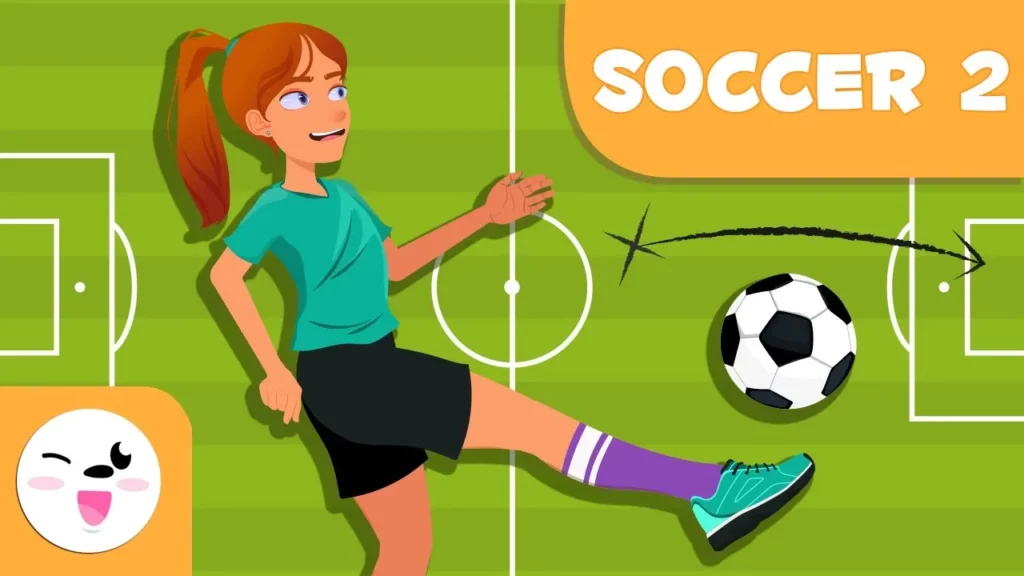
In this lesson on soccer for kids, we learned about the basic rules that govern how a soccer game starts and how to restart play when the ball goes out of bounds. Key concepts include the coin toss to determine which team starts on which side, the different types of kicks such as throw-ins, corner kicks, and goal kicks, as well as the significance of kickoffs at the beginning of the game and after goals are scored. The lesson emphasizes teamwork and encourages further exploration of soccer through additional educational videos.
SYNONYMS and ANTONYMS | Compilation | What is the difference between synonyms and antonyms?
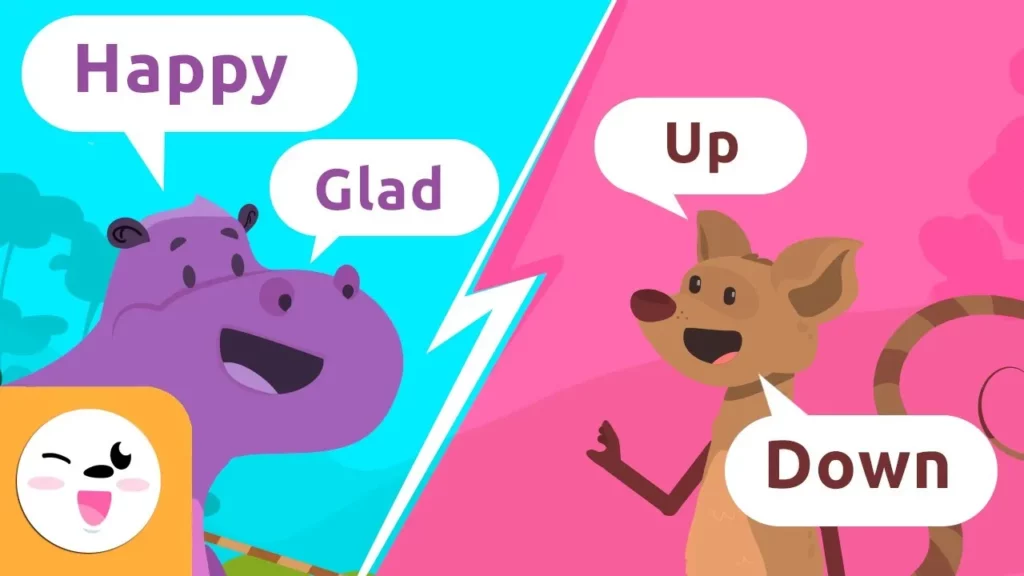
In this lesson, we explored synonyms and antonyms, learning that synonyms are words with similar meanings, which can enhance our writing by making it more vibrant and engaging. We also discovered that antonyms are words with opposite meanings, helping us understand contrasts in language. By practicing with examples, we can become more skilled in using these words to create lively and expressive sentences.
AUTOTROPHIC AND HETEROTROPHIC Organisms – In what are they different? – Science for Kids
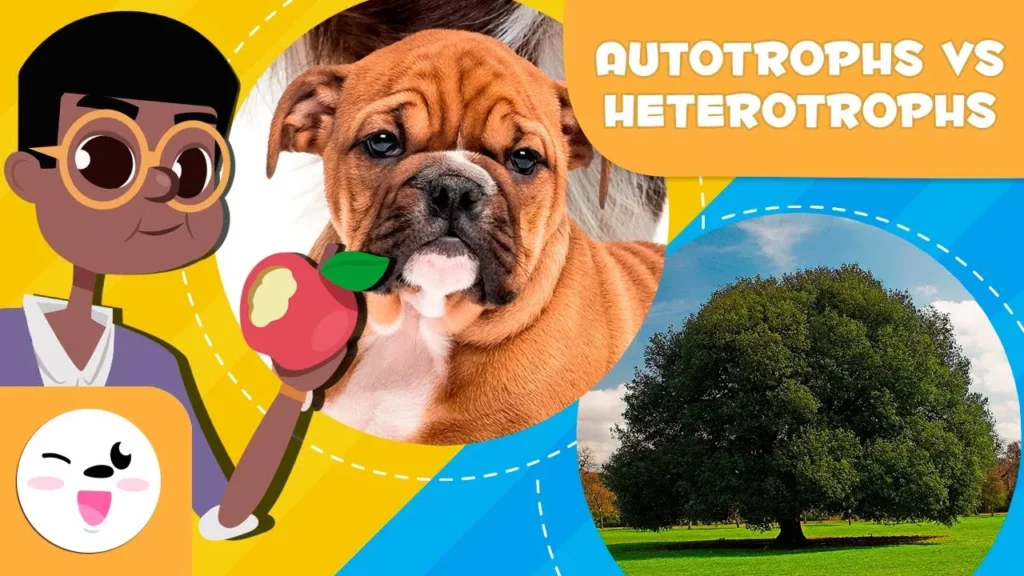
In this lesson, we explored the differences between autotrophic and heterotrophic organisms. Autotrophs, like plants, can produce their own food through processes such as photosynthesis, while heterotrophs, including animals and humans, rely on consuming other living things for energy. Understanding these two groups helps us appreciate how different organisms obtain the nutrition they need to survive.
CONTINENTS and OCEANS for Kids | Compilation | How many continents and oceans are there?
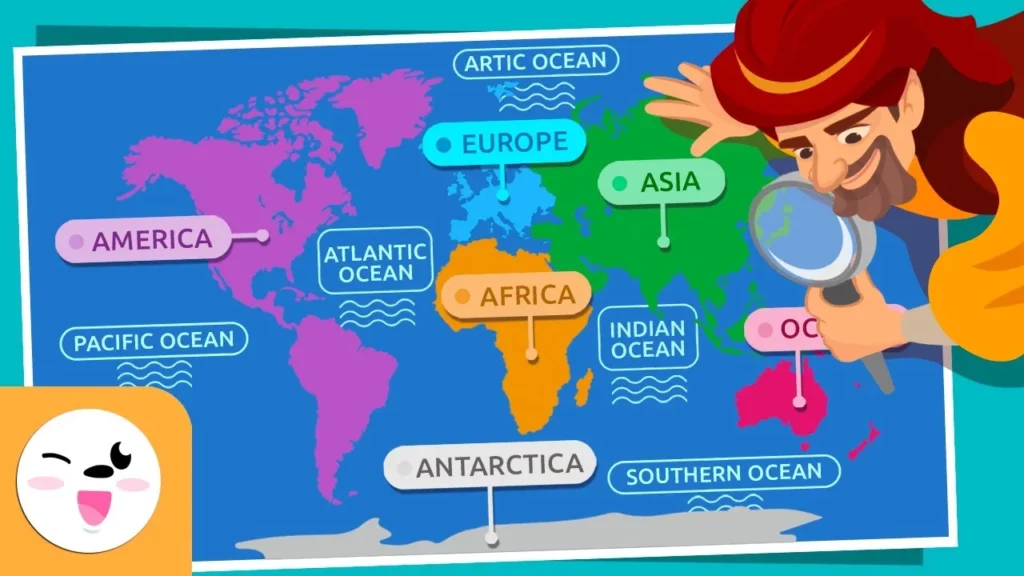
In this lesson, children embark on an adventure to learn about the six continents—Europe, Africa, Asia, the Americas, Oceania, and Antarctica—and the five oceans: the Pacific, Atlantic, Indian, Arctic, and Southern Oceans. Each continent and ocean is explored in terms of its size, characteristics, and significance, emphasizing the importance of protecting our planet’s natural resources. The lesson concludes with a call to action for kids to help keep the oceans clean and healthy.