
DIVISIBILITY RULES for Kids ???????? Dividing by 4 and 8 ➗ Episode 3
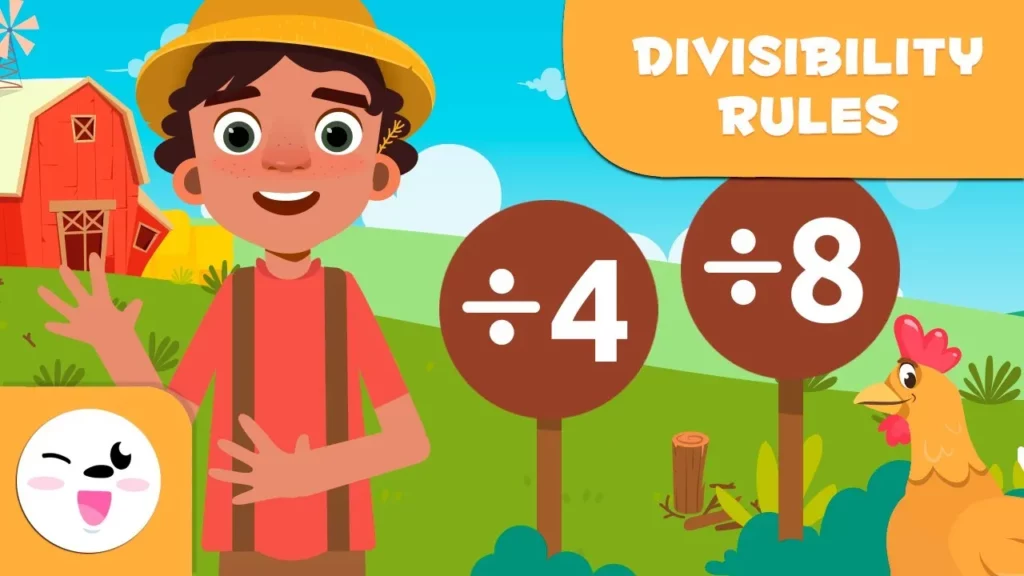
In this lesson, Trevor Divisor introduces the concept of divisibility rules, specifically focusing on how to determine if numbers can be divided by four and eight without leaving a remainder. Using examples from his farm, he demonstrates how to apply these rules to ensure that his sheep and chickens have appropriate accommodations for winter. The lesson encourages further exploration of divisibility concepts and invites learners to visit a related educational channel for more information.
COOKING FOR KIDS ???????? Verbs, Vocabulary and Recipes ???????????? Compilation
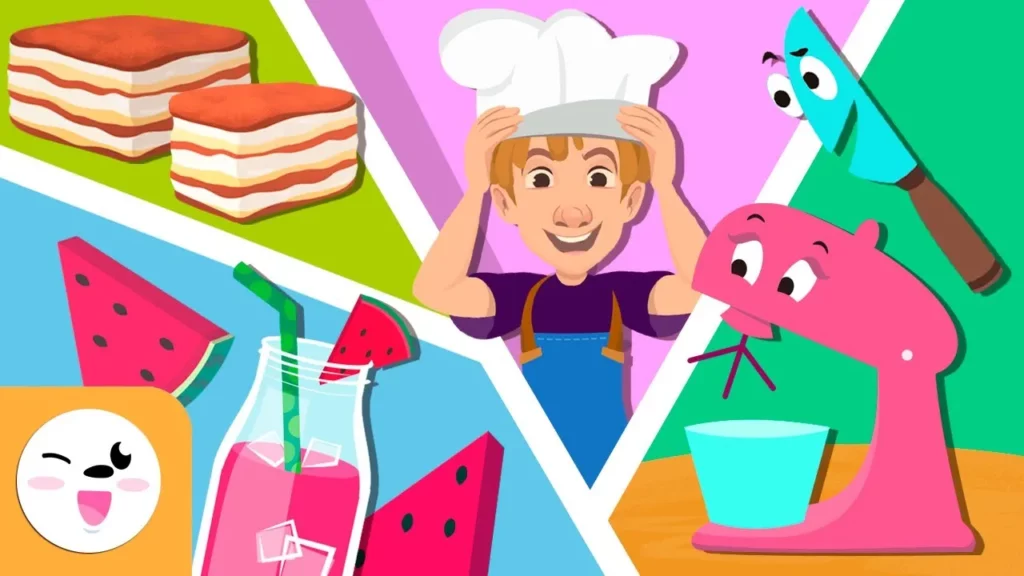
In today’s cooking class, kids learned essential cooking verbs and kitchen tools, enhancing their culinary vocabulary. They practiced using terms like “peel,” “chop,” and “blend,” and explored various kitchen utensils and appliances. The lesson culminated in making two delicious recipes: tiramisu for Grandma’s birthday and a refreshing watermelon smoothie, emphasizing the joy of cooking and creativity in the kitchen.
ADJECTIVES ???? Animals ???? Vocabulary for Kids ???????? Episode 1
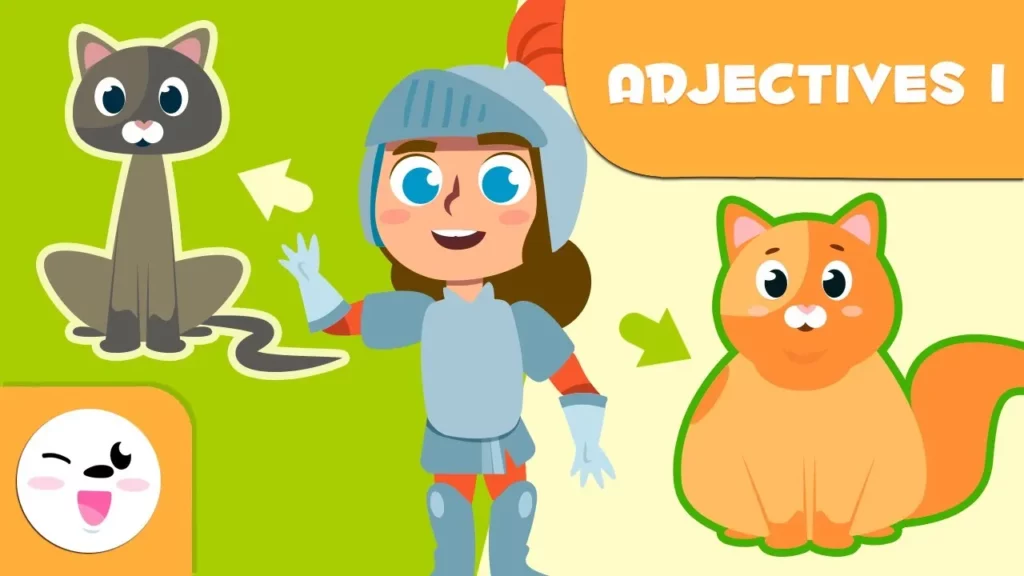
In this lesson, students learned about adjectives, which are words that describe people, animals, places, or things. Through engaging examples featuring various animals, they explored pairs of adjectives such as small/big, slow/fast, short/long, clean/dirty, and thin/fat. The lesson emphasized the fun of learning adjectives and encouraged students to continue their educational journey.
Elephant ???? Animals for Kids ???? Episode 5
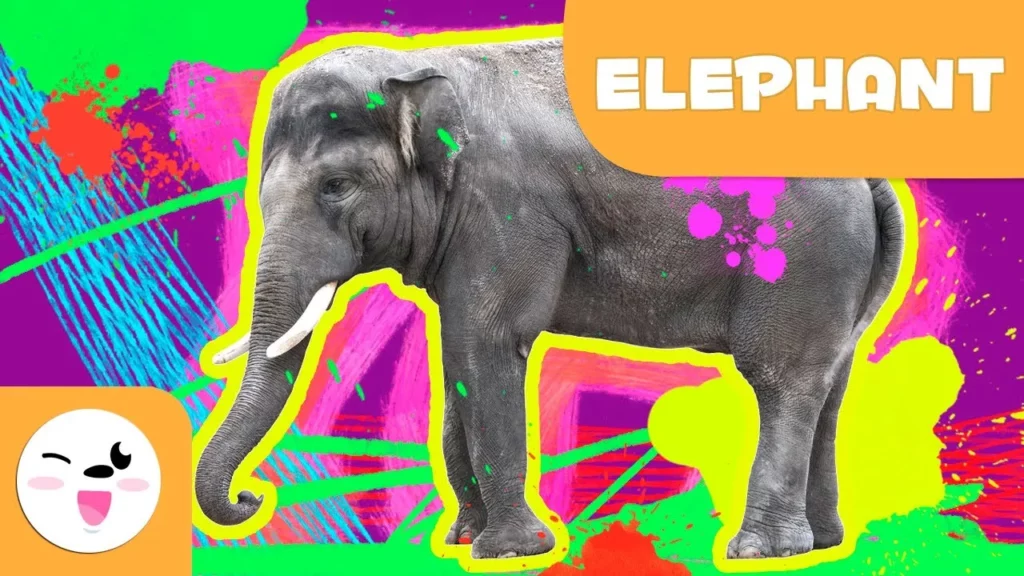
In this lesson, children learn about elephants, the largest land animals, known for their impressive size and unique social structures. The lesson covers various aspects of elephants, including their habitats, family dynamics, eating habits, and their crucial role in the environment. By exploring these fascinating facts, kids gain a deeper appreciation for these majestic creatures and their importance in nature.
Frog ???? Animals for Kids ????️ Episode 6
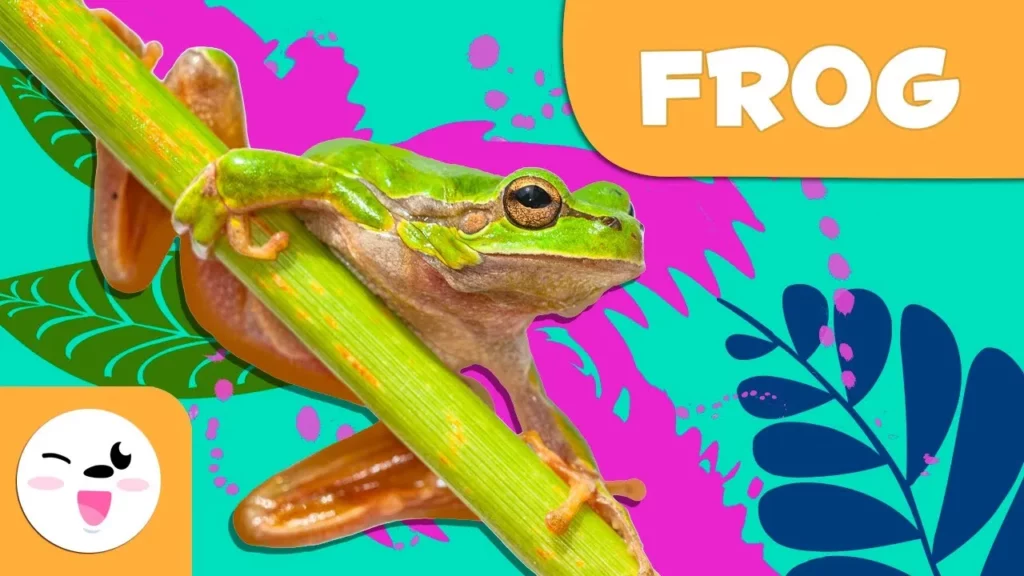
In this lesson, we explored fascinating facts about frogs, including their classification as amphibians, their diverse sizes, and the differences between frogs and toads. We learned about their unique breathing methods, life cycle, impressive jumping abilities, and the importance of conservation efforts to protect these remarkable creatures from environmental threats. Overall, the lesson highlighted the significance of frogs in our ecosystem and encouraged awareness of their conservation.
DINOSAURS for kids???? Carnivorous, Herbivorous and Curious Dinosaurs ???? Compilation
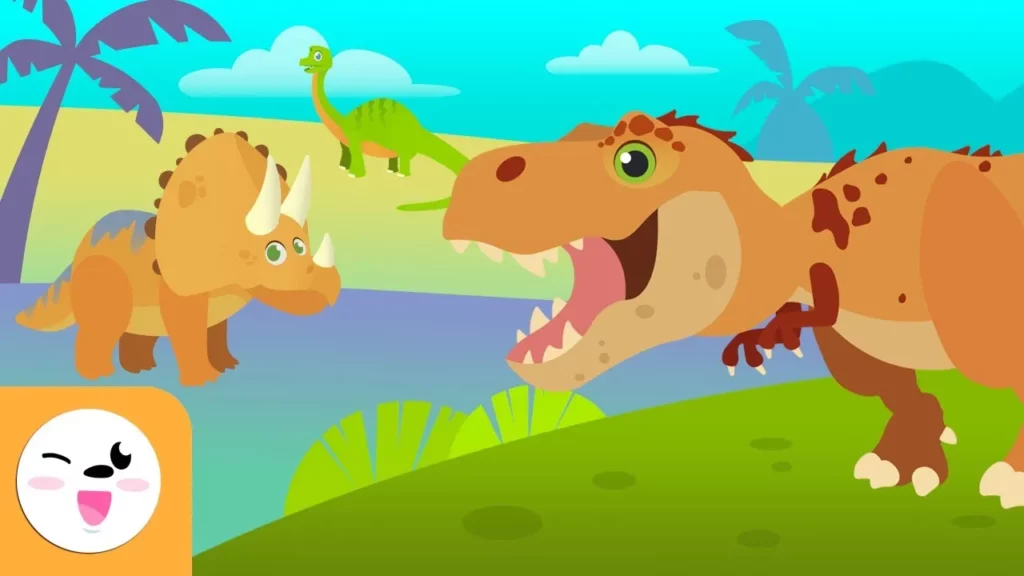
In this lesson, students embark on an exciting journey to learn about various dinosaurs, categorized into curious, herbivorous, and carnivorous types. They discover fascinating facts about dinosaurs like the Linhenykus, Triceratops, and T-Rex, exploring their unique characteristics and diets, while also encouraging further exploration of the dinosaur world through videos and additional resources.
ADJECTIVES ???? People ???? Vocabulary for Kids ???????? Episode 2
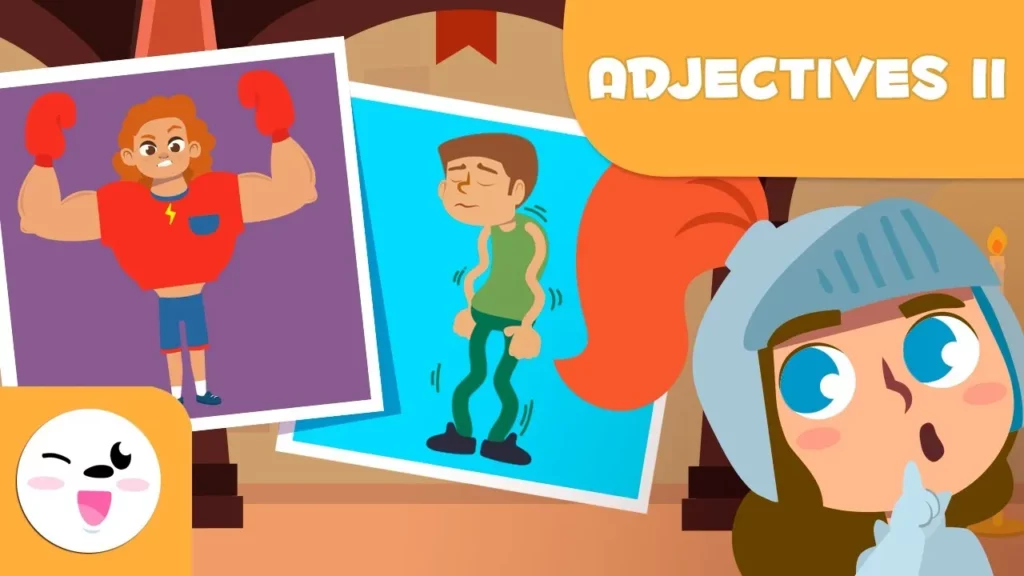
In today’s lesson, we explored adjectives, which are special words that describe people, animals, places, or things. We focused on adjectives that describe people, learning pairs such as tall and short, blonde and brown, old and young, sad and happy, and strong and weak. By the end of the lesson, students were encouraged to review these adjectives and look forward to learning about adjectives that describe places in the next session.
NATURAL DISASTERS ???????? Compilation ????⛈️ Hurricane, Drought, Tsunami, Storm, Earthquake, Avalanche…
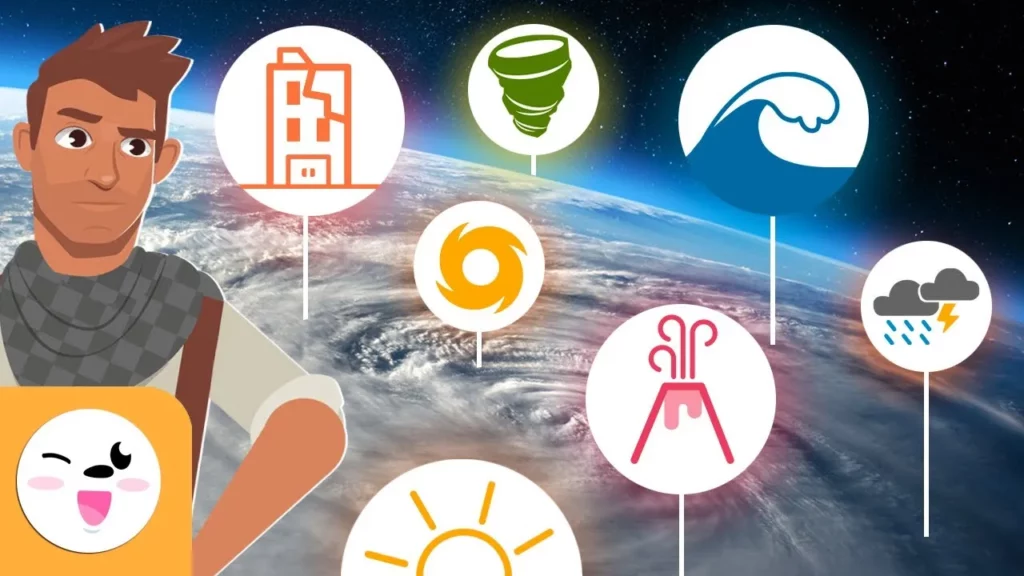
The lesson on natural disasters explores various types of natural events, such as earthquakes, volcanic eruptions, tsunamis, tornadoes, hurricanes, wildfires, floods, droughts, heat waves, avalanches, landslides, and storms. It emphasizes the importance of understanding these phenomena to prepare for and stay safe during dangerous situations, while also highlighting the increasing frequency and severity of natural disasters due to climate change. The lesson encourages proactive measures like recycling and energy conservation to help mitigate these environmental challenges.
Giraffe ???? Animals for kids ???? Episode 7
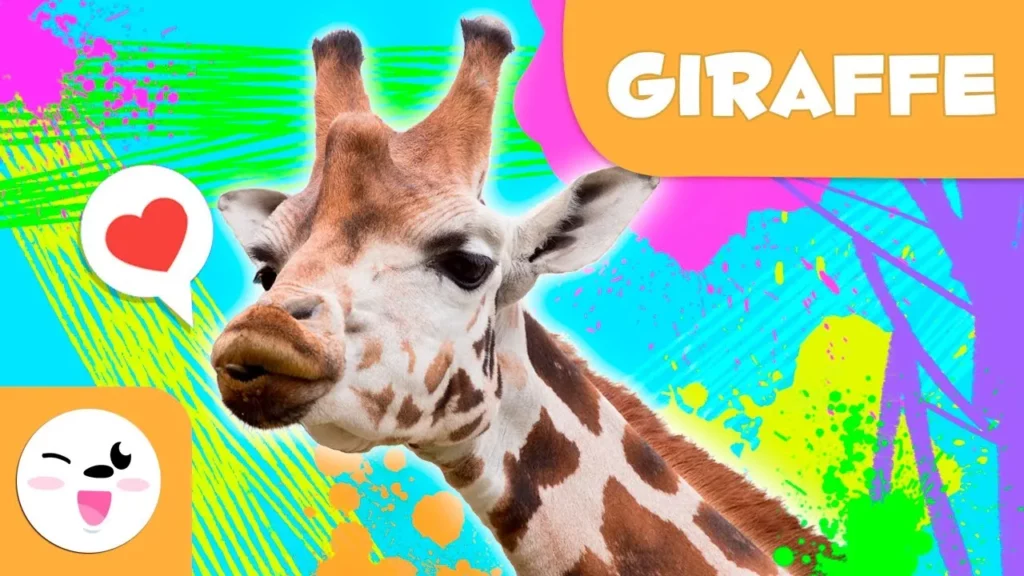
In this lesson, children learn about giraffes, the tallest land animals, known for their long necks and unique features. Key facts include their impressive height of up to 14 feet, their social behavior in herds, and their diet of leaves from tall trees. The lesson also highlights the importance of giraffe conservation, as some species are endangered due to habitat loss and hunting.
ADJECTIVES ????️ Places ❄️ Vocabulary for Kids ???? Episode 3
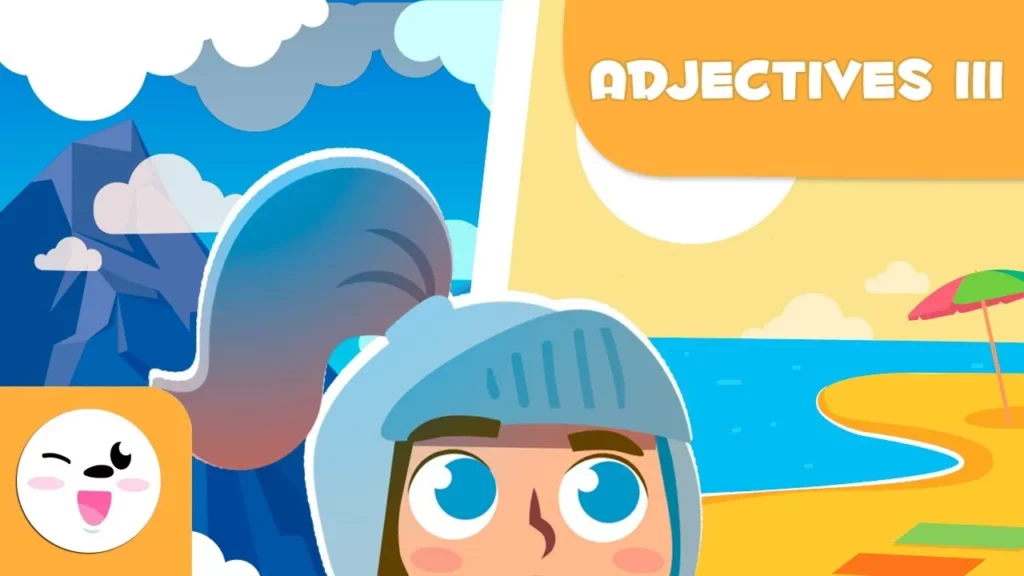
In this lesson, we explored adjectives, which are words that describe people, animals, places, or things, enhancing our understanding of their characteristics. We specifically focused on adjectives that describe places, learning terms such as “tidy,” “untidy,” “wide,” “narrow,” “hot,” “cold,” “sunny,” “cloudy,” “silent,” and “noisy.” By the end of the lesson, students were encouraged to remember these adjectives and look forward to learning more about adjectives that describe objects in future lessons.