
The Number 1 Song ???? Learn to Write Number 1 ????
In this lesson, students are introduced to the number one, learning its significance as the first number and how to write it with a simple downward stroke. They are encouraged to practice writing the number and to explore their surroundings for examples of things that are singular, fostering both writing skills and observational learning. The lesson emphasizes the joy of learning and encourages a positive attitude towards practice and discovery.
I BEFORE E EXCEPT AFTER C ????♀️ SPELLING AND GRAMMAR for Kids ???? Superlexia ⭐ Episode 9
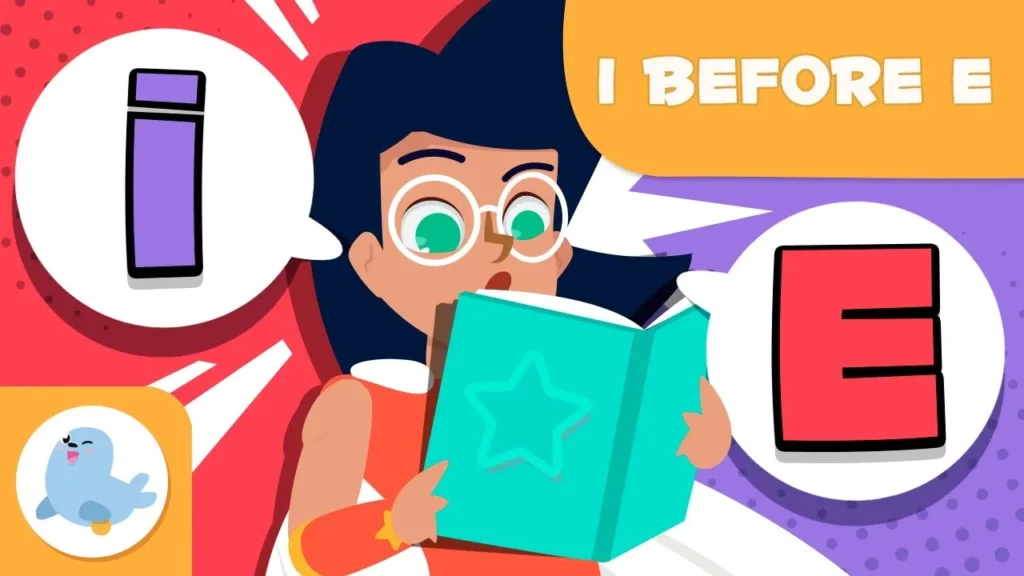
In this lesson, SuperLexia introduces the “I before E except after C” spelling rule, which helps kids remember how to correctly spell certain words. The rule states that I typically comes before E, except when preceded by C or when the sound resembles an A, as in “neighbor.” The lesson also highlights exceptions to the rule and encourages practice to master spelling.
Penguins Are Great Friends! ????
In the lesson “Penguins Are Great Friends!”, students learn about the social nature of penguins, who thrive in large groups and form strong bonds with one another. The lesson also highlights the challenges penguins face due to environmental threats and emphasizes the importance of taking action to protect their habitats through sustainable practices. By understanding these amazing birds and their needs, we can contribute to their conservation and ensure their survival.
LION, ELEPHANT and GIRAFFE ???????????? Animals of the Savannah for Kids ???? COMPILATION
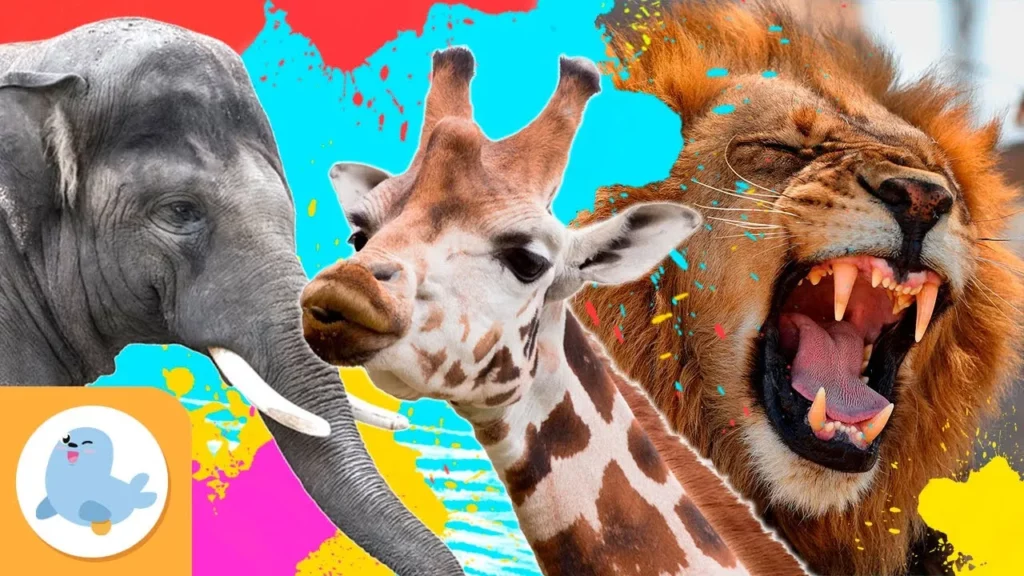
In this lesson, children explore the fascinating animals of the savannah: lions, giraffes, and elephants. They learn about the lions’ social structure and hunting habits, the giraffes’ unique height and dietary preferences, and the elephants’ size, social dynamics, and environmental importance. The lesson emphasizes the characteristics and behaviors of these incredible mammals, encouraging curiosity and further exploration of wildlife.
VOLCANO ???? What is a Volcano? ⛰️ Natural Disasters in 1 Minute
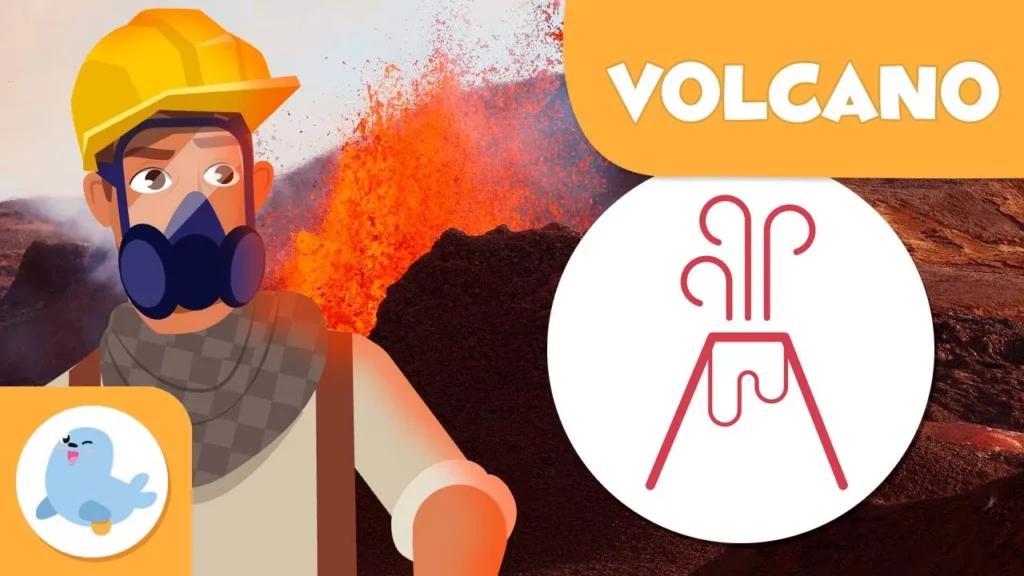
In this lesson, we explored the fascinating world of volcanoes, focusing on the process of volcanic eruptions, which occur when magma escapes from beneath the Earth’s surface through fissures. We learned that eruptions not only produce lava but also release gases and ash that can pose dangers to the environment and living beings. Additionally, we discovered the significance of the Pacific Ring of Fire, a region with a high concentration of volcanoes, and the connection between volcanic activity and earthquakes.
TSUNAMI ???? What Is a Tsunami? ???? Natural Disasters in 1 Minute
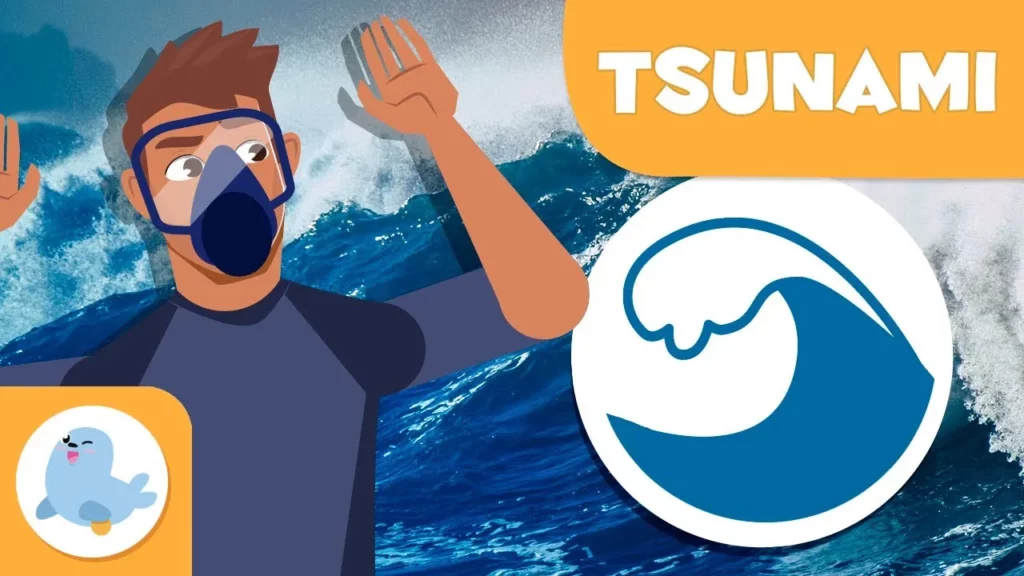
Tsunamis are massive waves caused by underwater events such as earthquakes or volcanic eruptions, which can lead to significant destruction when they reach land. They can travel across oceans at speeds of up to 500 miles per hour, impacting distant regions. Understanding tsunamis and utilizing international alert systems are crucial for preparedness and safety, allowing communities to evacuate and minimize injuries during such natural disasters.
EARTHQUAKE ???? What Is an Earthquake? ???? Natural Disasters in 1 Minute
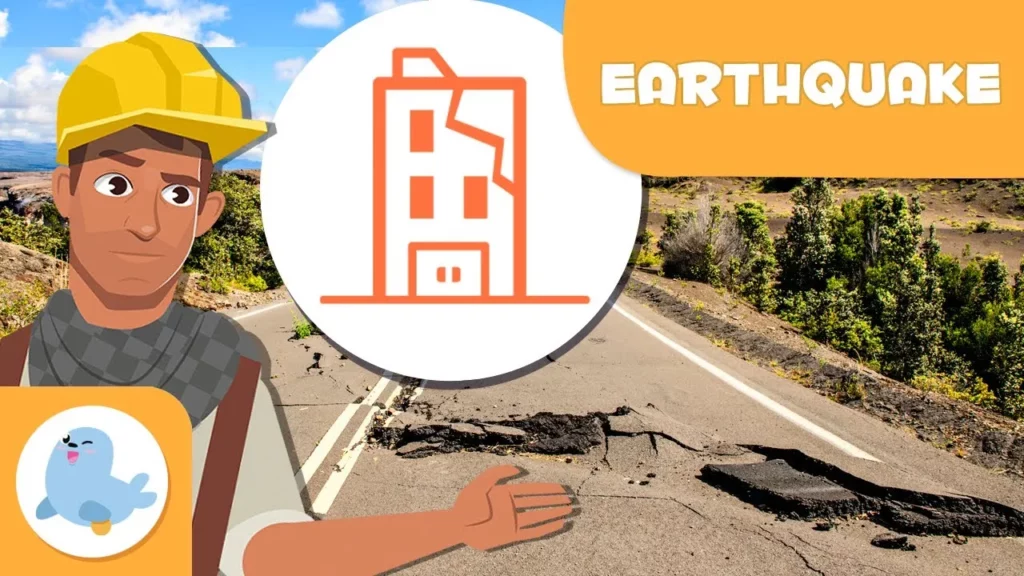
This lesson introduces earthquakes, explaining that they occur when tectonic plates shift, causing the ground to shake. It discusses the varying strength of earthquakes, measured by the Richter scale, and emphasizes the importance of studying them to understand Earth’s dynamics and enhance safety. Additionally, it provides safety tips for what to do during an earthquake, encouraging further exploration of our planet.
HURRICANE ???? What Is a Hurricane? ???? Natural Disasters in 1 Minute
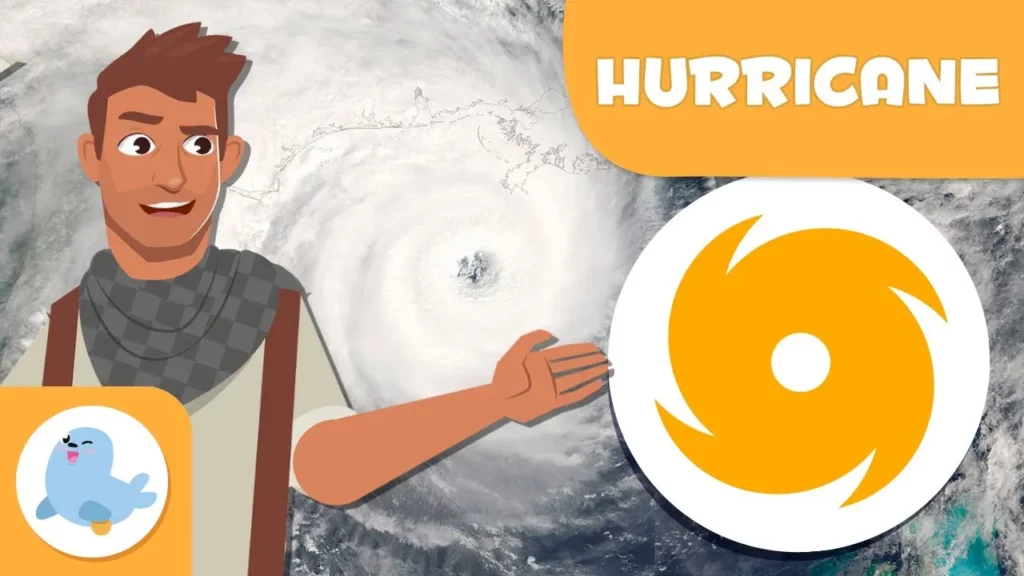
Hurricanes are powerful storms that form over warm ocean waters and can vary in name depending on their location, such as cyclones or typhoons. They can span up to 1,100 miles and have winds reaching speeds of up to 150 miles per hour, causing significant damage when they make landfall. Scientists categorize hurricanes on a scale from one to five to assess their strength and help people prepare for potential impacts.
Butterfly ???? Animals for Kids ???? Episode 11
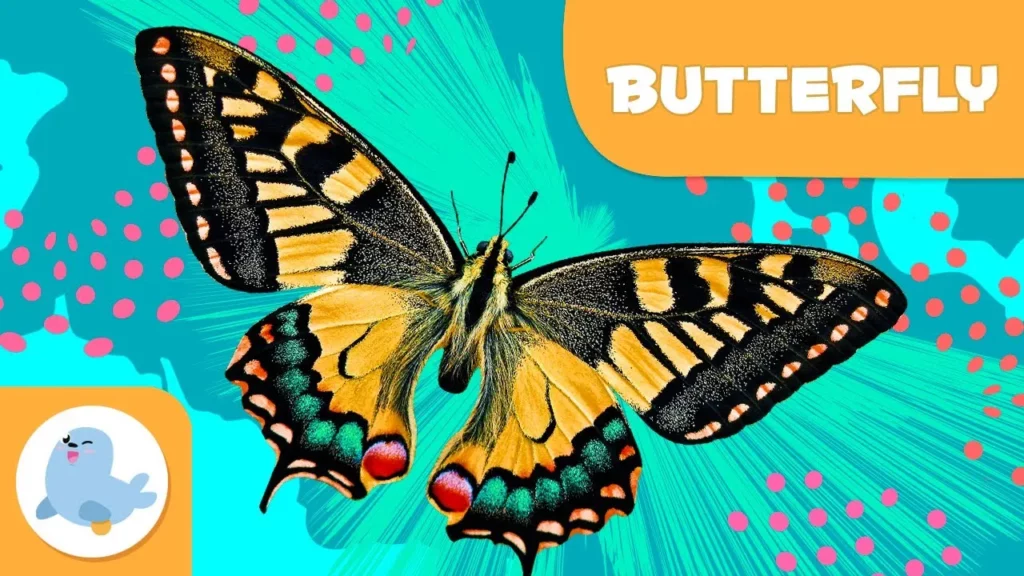
In this lesson, children learn about butterflies, colorful invertebrates that belong to the insect family and play a crucial role in pollination. The lesson covers their unique features, life cycle stages—egg, caterpillar, chrysalis, and adult—and interesting facts such as their transparent wings and ability to taste with their feet. Additionally, it highlights their short lifespan, natural predators, and the importance of butterflies in the environment.
Organization of Living Beings ????????????????♂️ Cells, Tissues, Organs, Organ Systems and Organisms ????
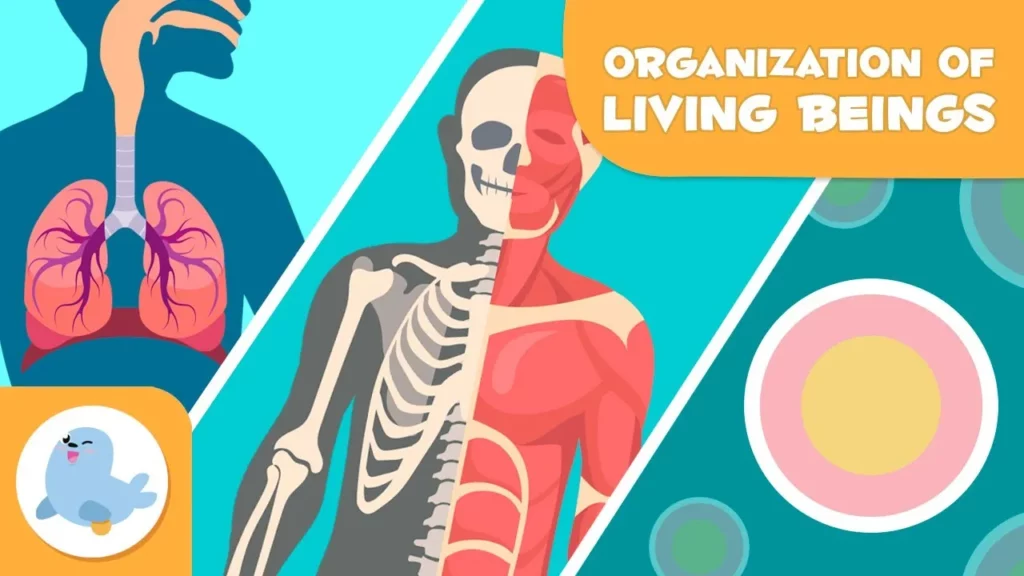
In this lesson, we explored the organization of living beings, starting from the basic unit of life, the cell, and progressing through tissues, organs, organ systems, and finally to the complete organism. We learned about the four main types of tissues—connective, epithelial, muscle, and nervous—and how they work together to form organs that perform specific functions. By understanding how these components interact, we gain insight into the complexity and teamwork that allows our bodies to function effectively.