
The Classification of Living Things ???? ???? 5 ANIMAL KINGDOMS ???? Science for Kids
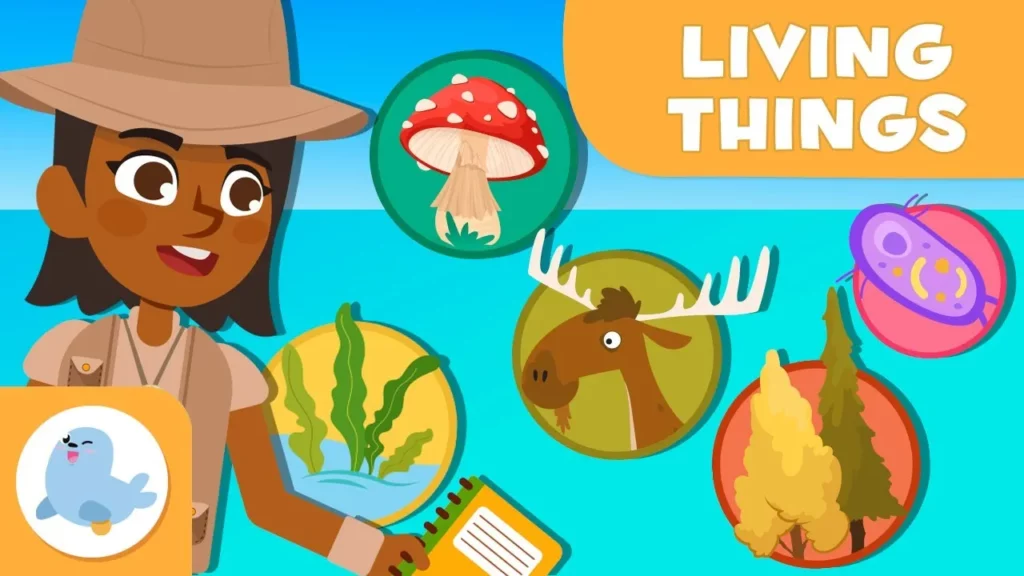
In today’s lesson, we explored the classification of living things, focusing on the five kingdoms: Animal, Plant, Fungi, Monera, and Protista. Each kingdom is defined by unique characteristics, such as multicellularity, modes of nutrition (autotrophic or heterotrophic), and mobility, helping us understand the diversity of life on Earth. We also discussed the vital functions that all living organisms share: interaction, nutrition, and reproduction.
LETTER B and LETTER V ???? Learn the ABC’s ???? Compilation
In today’s lesson, we explored the letters B and V, learning how to write each letter and identifying words that begin with them. We practiced writing both uppercase and lowercase forms, and engaged in fun activities like singing songs to reinforce our learning. Keep practicing these letters, and remember that there are many more to discover!
LETTER G and LETTER J ???? Learn the ABC’s ???? Compilation
In today’s lesson, we explored the letters G and J, focusing on their sounds, writing techniques, and words that begin with each letter. We learned how to write both the capital and lowercase forms of G and J, and discovered fun words like “gorilla,” “galaxy,” “jewel,” and “jungle.” The lesson encouraged creativity and practice at home while fostering a love for learning.
PROGRESSIVE MUSCLE RELAXATION for Kids ????♀️ BODY ???????? Guided Session ???????? Episode 2
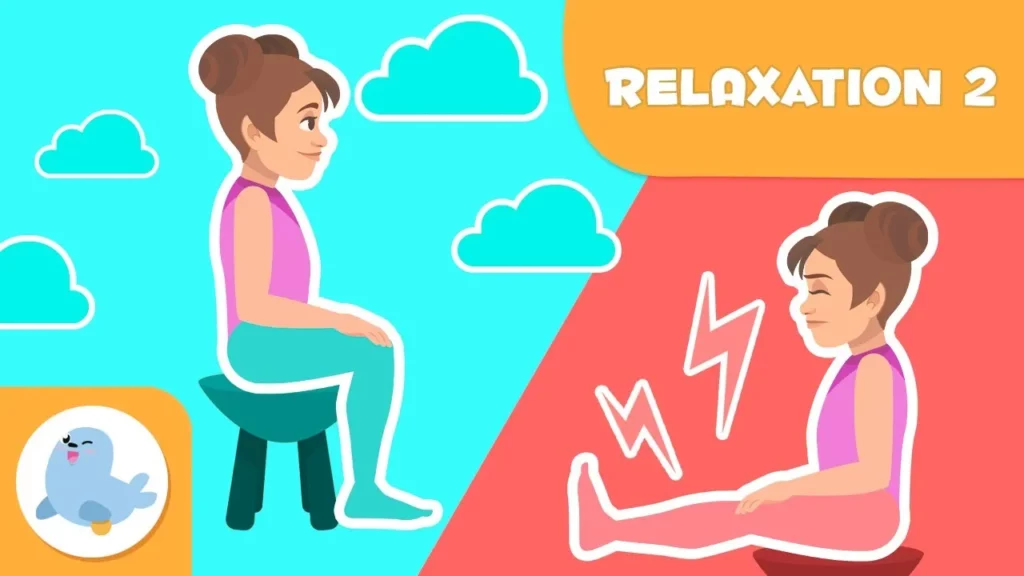
In this lesson on Progressive Muscle Relaxation for Kids, students learn a fun and simple technique to help their bodies feel calm by tensing and then relaxing different muscle groups. The process involves focusing on breathing and systematically relaxing the back, arms, belly, and legs, allowing children to notice the difference between tension and relaxation. This technique can be used whenever they feel stressed, promoting overall well-being and relaxation.
Addition of ANGLES ➕ Sexagesimal System ???? Math for Kids
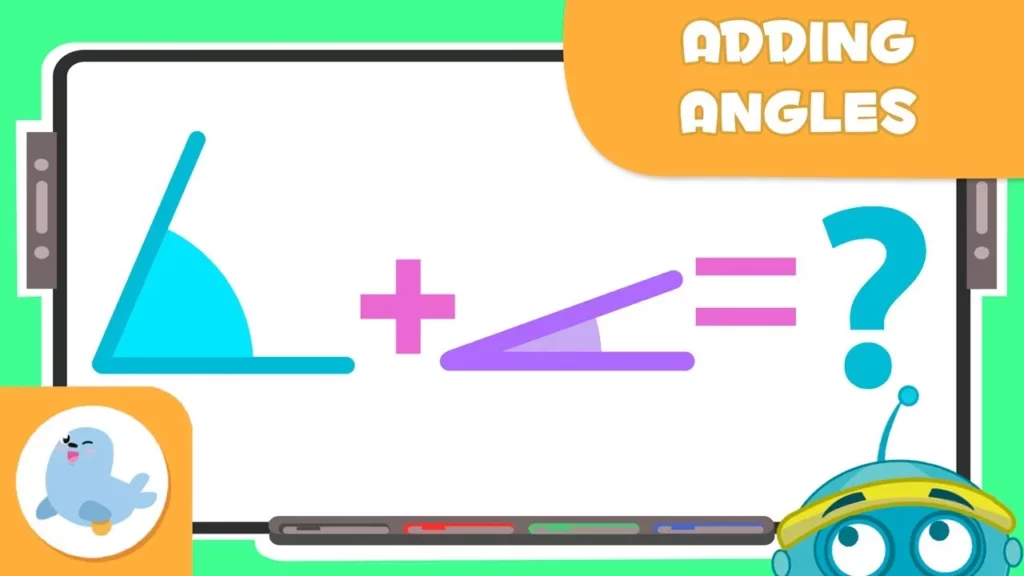
In this lesson, we explored the addition of angles using the sexagesimal system, which measures angles in degrees, minutes, and seconds. We learned how to align and add these measurements step-by-step, addressing the need to convert excess seconds and minutes when their sums exceed 60. Through practical examples, we demonstrated the process and encouraged practice to master angle addition.
LETTER C, LETTER K and LETTER Q ???? Learn the ABC’s ???? Compilation
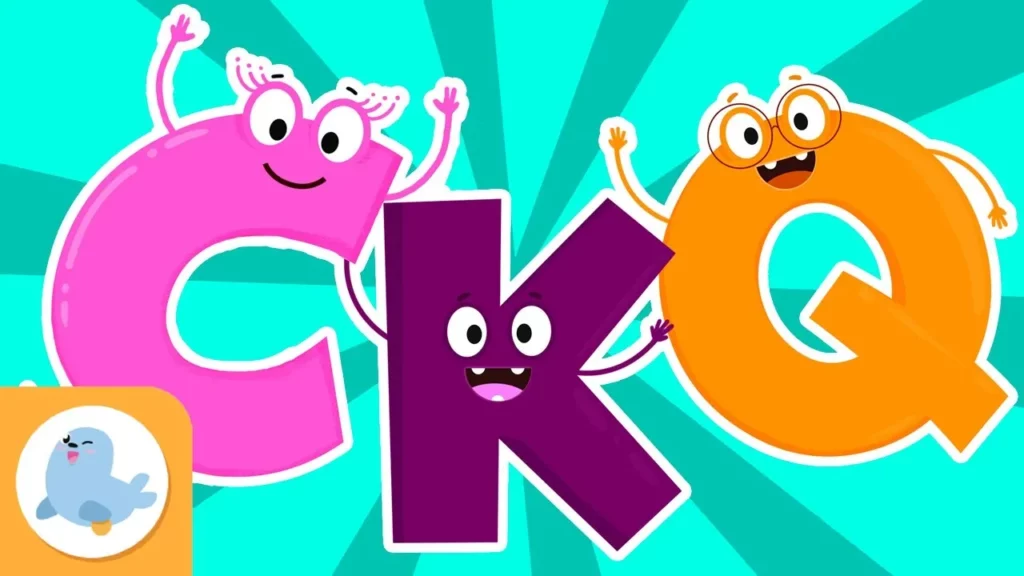
In today’s lesson, we explored the letters C, K, and Q, discovering their unique sounds and how to write them. We learned that C can sound hard or soft depending on its companions, K has a fun cheerleader shape, and Q prefers to team up with U for a stronger sound. The lesson encouraged us to think of words that start with each letter and to practice writing them at home.
PROGRAMMING for kids ???? Basic concepts ???? Part 1
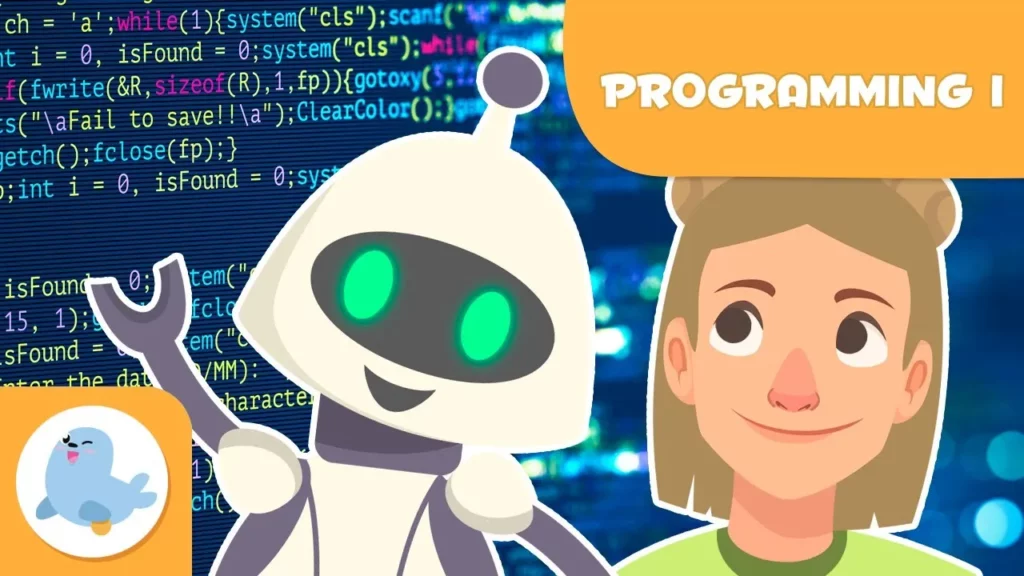
In this lesson, we explored the basics of programming, which is a special language used to communicate with computers and machines by giving them instructions. We learned about different programming languages, the importance of algorithms as step-by-step guides for problem-solving, and how programming is integral to many everyday tasks and activities, including video games. Overall, the lesson encourages curiosity and further exploration in the world of programming.
CROCODILES ???? Animals for Kids ????️ Episode 14
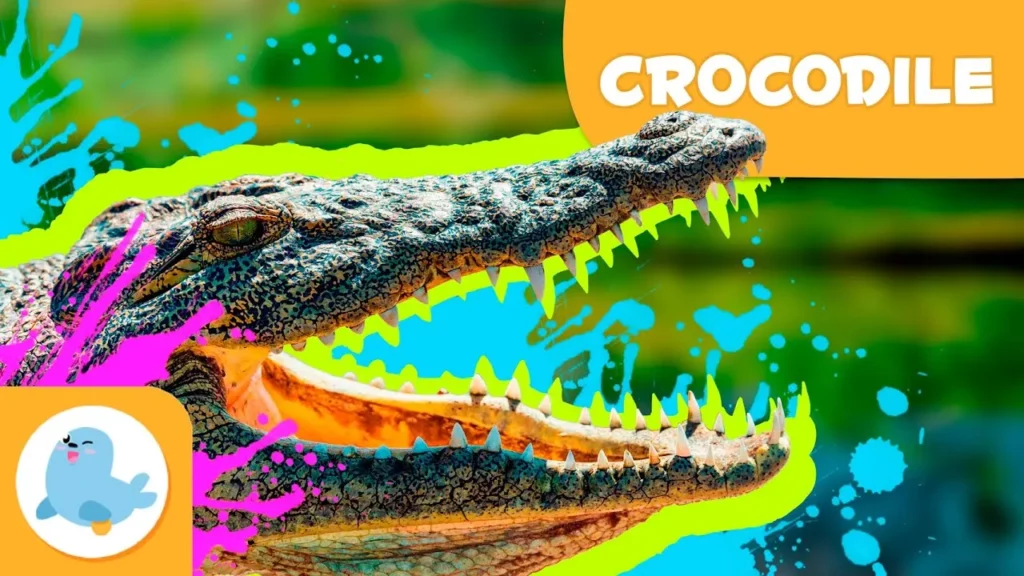
In this lesson about crocodiles, kids discover that these fascinating reptiles are carnivorous, can grow very large, and live in warm regions around the world. They learn about crocodile habitats, diet, lifespan, and unique features like their sharp teeth and the interesting fact that they eat small rocks to aid digestion. The lesson also highlights the importance of protecting crocodiles, as many species are endangered due to habitat loss.
2 DIGIT DIVISION ➗ Long Division ???????????? Divide two digit numbers
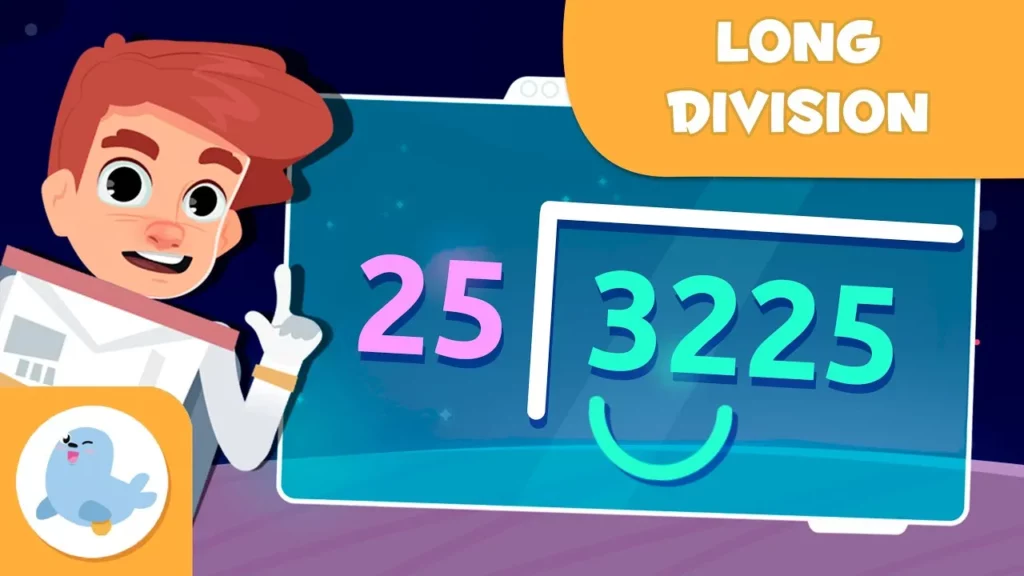
In this lesson, students learn how to perform long division with two-digit divisors, using the example of dividing 3225 by 25. The process involves selecting appropriate digits from the dividend, estimating the closest multiplication, and systematically bringing down numbers until the division is complete, resulting in a quotient of 129 with no remainder. The lesson emphasizes the importance of checking work to ensure accuracy in division.
PROGRAMMING for kids ???? Block Programming ???? Part 2
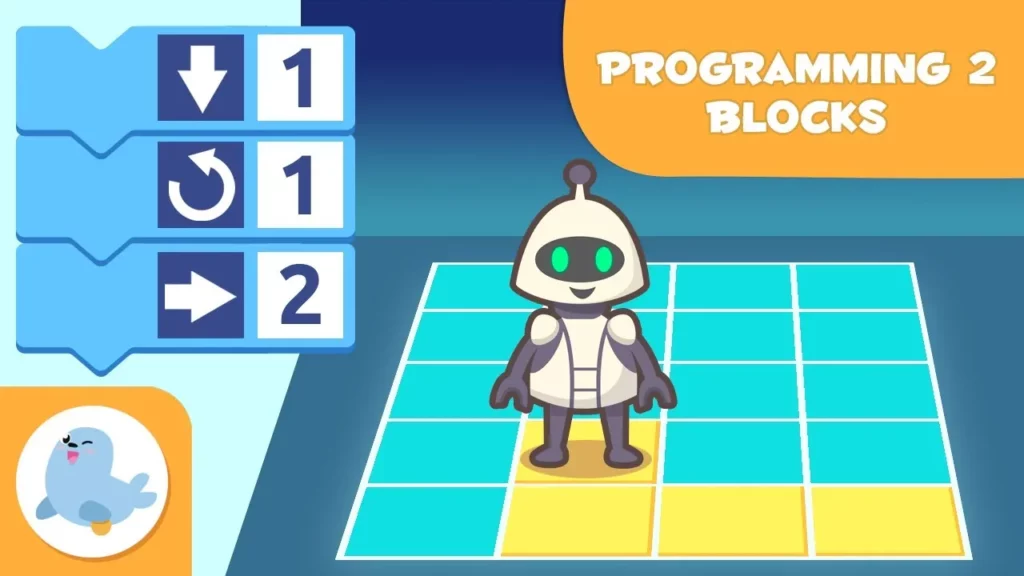
In the lesson “Programming for Kids: Block Programming Fun!”, students are introduced to the concept of programming and specifically block coding, which uses colorful blocks to create commands for characters or robots. The lesson highlights different types of blocks, such as motion and control blocks, and encourages creativity by demonstrating how to choreograph a dance routine using these blocks. Overall, it emphasizes the fun and engaging aspects of learning to code through block programming.