
The Worst Pandemics in History – What Do They Teach Us?
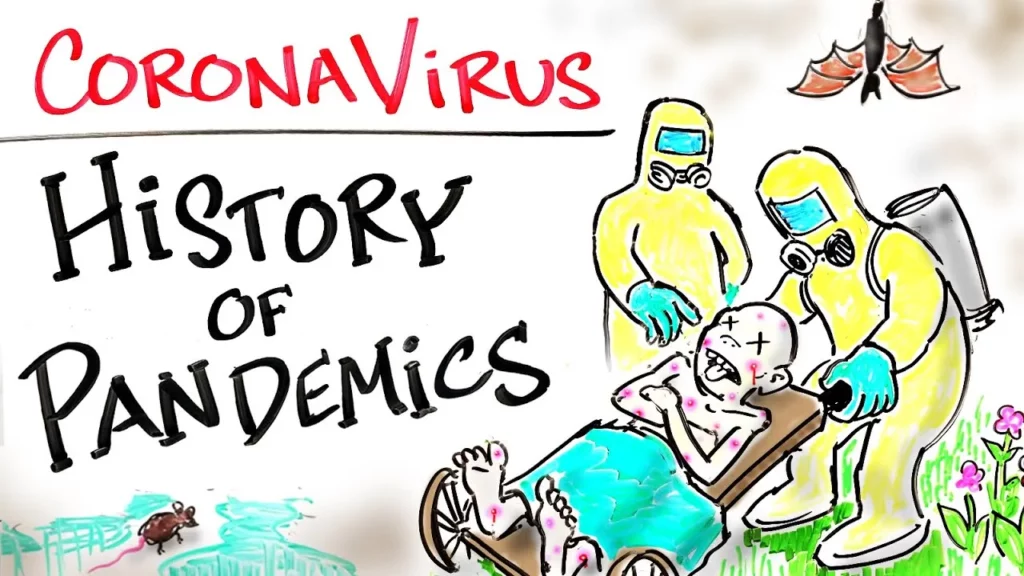
The lesson discusses how the spread of infectious diseases is exacerbated by the close living conditions in crowded urban environments, highlighting historical pandemics like the Plague of Justinian and the Spanish flu. It emphasizes the importance of preparedness, hygiene, and self-sufficiency in mitigating the risks of disease outbreaks, while also reflecting on the lessons learned from past pandemics to foster resilience in society. Ultimately, the lesson encourages proactive measures and a deeper understanding of our relationship with infectious diseases.
Why Don’t Country Flags Use the Color Purple? THE BOOK!
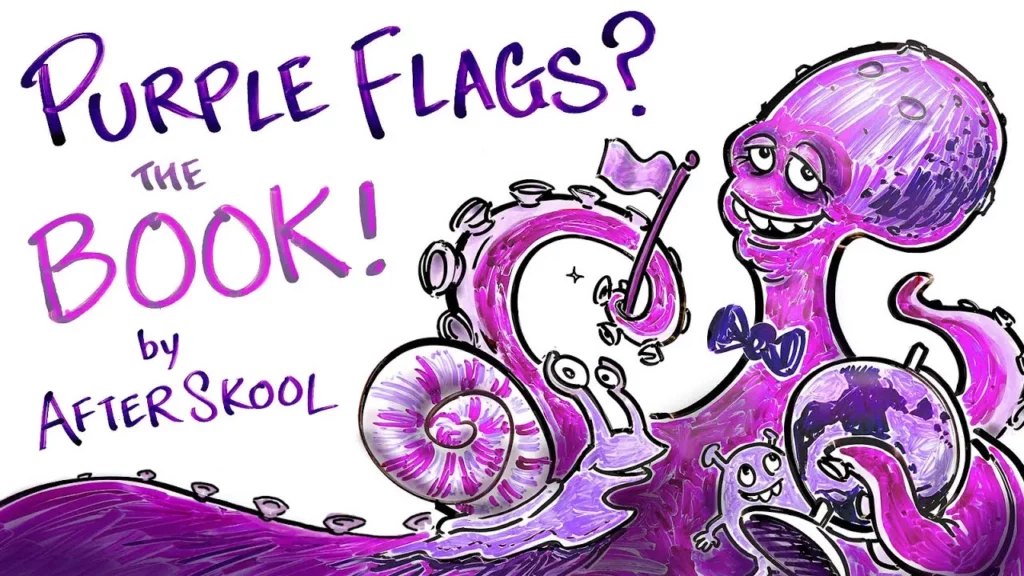
The lesson explores the intriguing absence of the color purple in country flags, revealing that its rarity stems from the historical expense of purple dye, which was derived from sea snails and only affordable for the wealthy elite. The accompanying book, “Why Don’t Country Flags Use the Color Purple?”, delves deeper into this topic, blending history, geography, science, and art, and is designed to be an engaging read for all ages.
The Bystander Effect vs. The Good Samaritan Effect
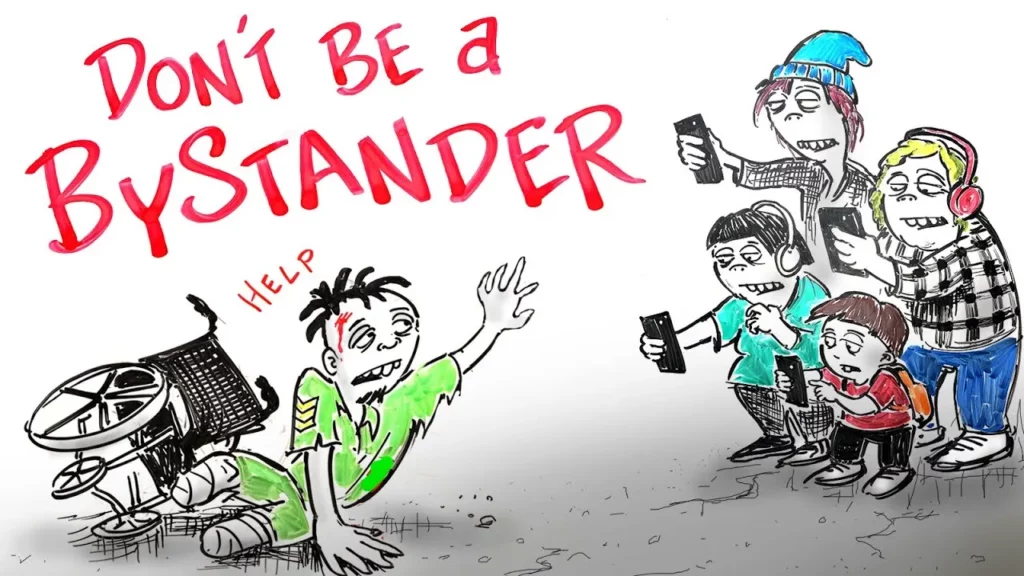
The lesson emphasizes the importance of choosing compassion over indifference, highlighting the stark contrast between acts of kindness and the bystander effect, where individuals fail to help others in distress. Through stories of both heroic rescues and tragic neglect, it illustrates the moral responsibility to assist those in need, inspired by the parable of the Good Samaritan. Ultimately, it encourages personal change and proactive kindness, suggesting that individual actions can inspire a broader positive impact in the world.
A Global Fertility Crisis – Dr. Shanna Swan
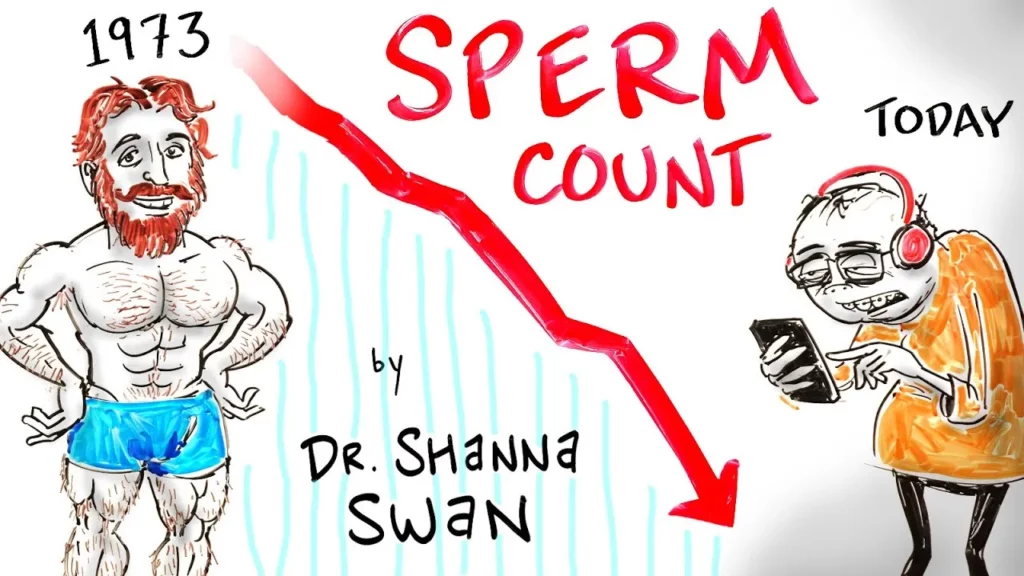
The lesson discusses the significant decline in sperm counts and overall reproductive health over the past few decades, highlighting a 59% drop in total sperm counts from 1973 to 2011. This decline is attributed to a combination of environmental factors, including exposure to endocrine-disrupting chemicals like phthalates, as well as lifestyle choices such as obesity and smoking. While the trends are concerning for future population stability, there is hope that reducing chemical exposure and promoting healthier lifestyles can improve reproductive outcomes.
Why Is FREE SPEECH Important?
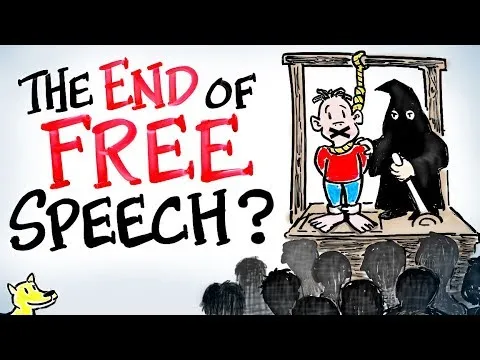
The lesson on “Understanding Free Speech: A Journey Through Ideas” emphasizes the significance of free speech as a fundamental human right that allows individuals to express their thoughts and ideas openly. It highlights the need to balance this right with respect for others, advocating for the challenge of harmful ideas through reasoned discourse rather than silencing them. The lesson also underscores the historical impact of groundbreaking ideas and the importance of fostering a society where diverse opinions can coexist and contribute to collective growth.
How To Work Less & Be More Productive – Tim Ferriss
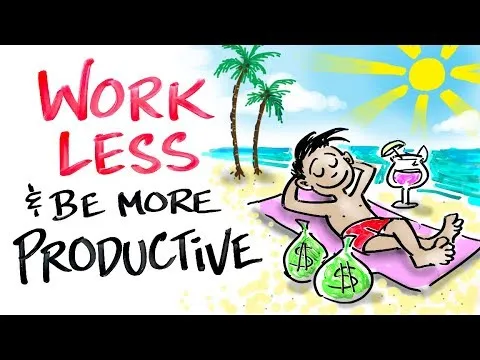
The lesson emphasizes the possibility of achieving a balanced life by adopting a four-hour workweek mindset, which involves redefining priorities and eliminating distractions. It outlines four key steps: Definition, Elimination, Automation, and Liberation, encouraging individuals to focus on what truly matters and to design a lifestyle that allows for both personal fulfillment and professional success. Inspired by Tim Ferriss’s “The 4-Hour Workweek,” the lesson advocates for rethinking traditional work-life balance and prioritizing time over mere busyness.
FIXED Mindset vs. GROWTH Mindset – Mike Rashid
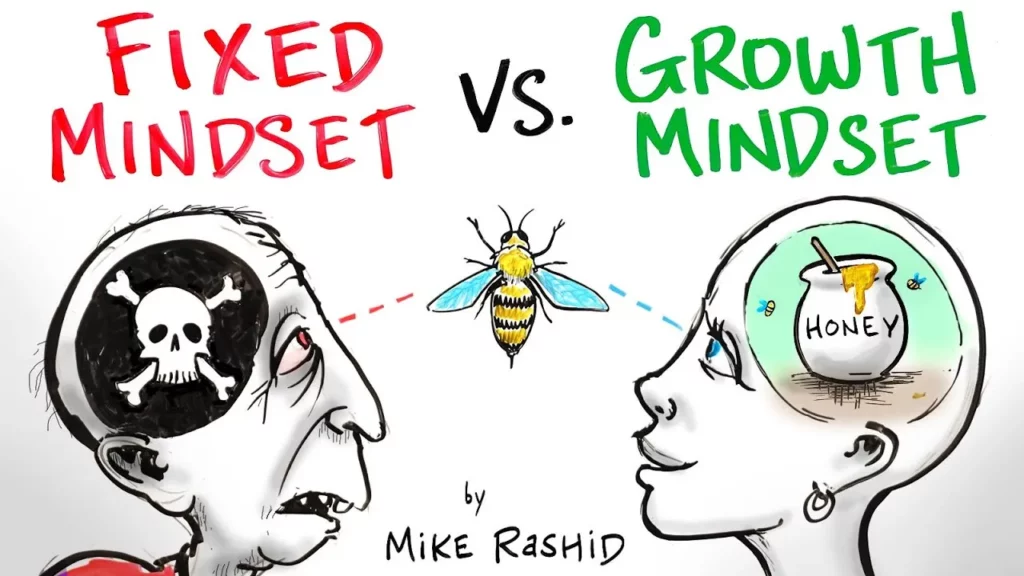
In this lesson, Mike Rashid King emphasizes the importance of adopting a growth mindset, which is the belief that abilities can be developed through effort and perseverance. He encourages individuals to view challenges as opportunities for growth, highlighting the transformative power of perspective and personal responsibility, illustrated by his own journey from homelessness to self-improvement. By embracing positive self-talk and understanding the brain’s capacity for change, participants are empowered to unlock their potential and navigate life’s challenges with resilience.
The Tipping Point – Infinite Waters
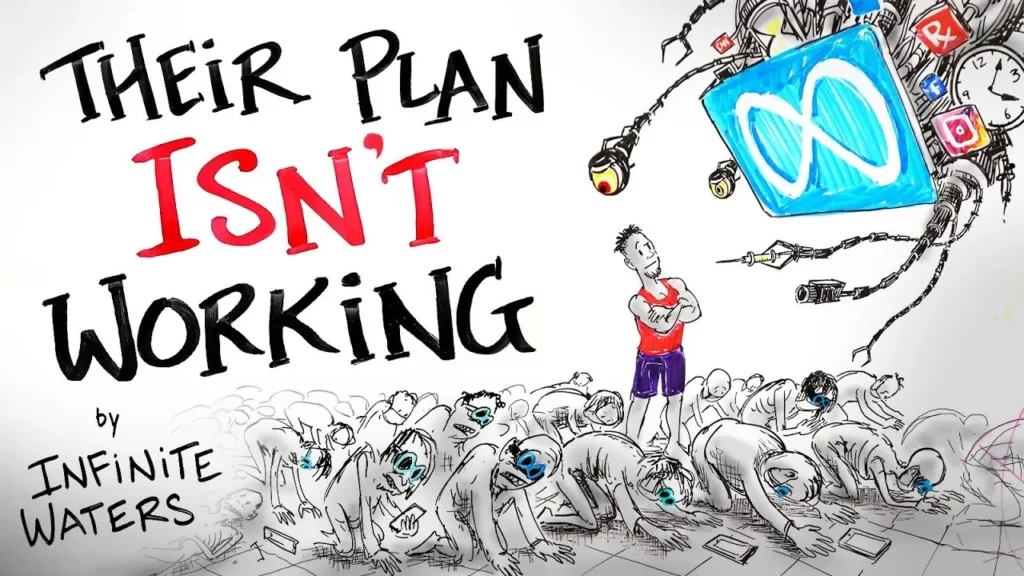
The lesson “Embracing Change: Navigating the Tipping Point” emphasizes the importance of remaining calm amidst chaos and recognizing the transformative potential of current global changes, particularly in the wake of the pandemic. It highlights the rising mental health challenges, especially among children, while encouraging individuals to embrace this tipping point as an opportunity for new beginnings and collective action. Ultimately, the lesson advocates for unity, self-sufficiency, and a shift towards a more loving and resilient society, urging people to reclaim their freedoms and prioritize human connections over technological distractions.
4 False Beliefs that Society is Built On – Dr. Bruce Lipton
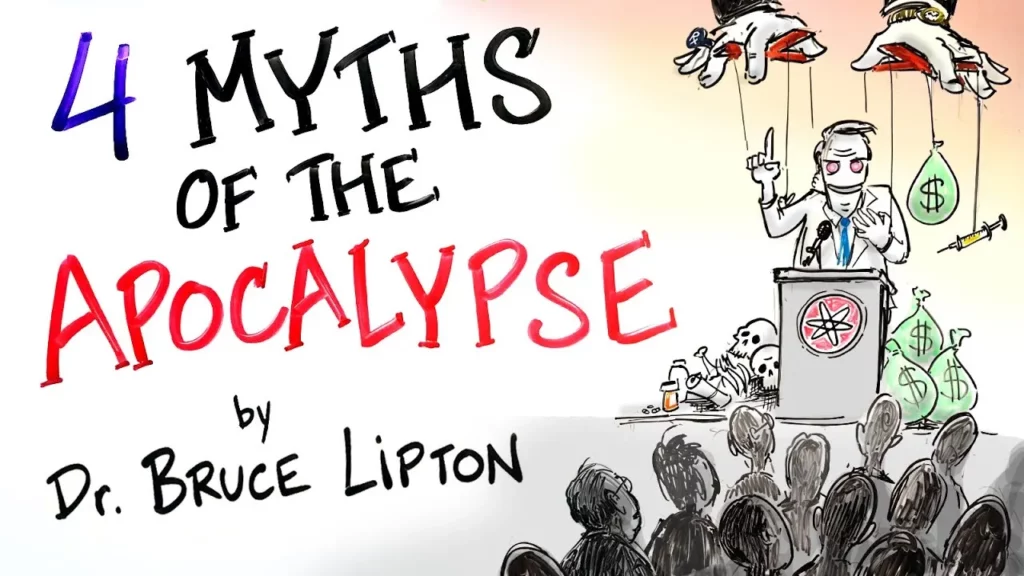
The lesson “Understanding Our World: From Chaos to Harmony” emphasizes that despite the chaos and challenges we face today, our origins are rooted in cooperation and potential for harmony. It encourages a rethinking of traditional beliefs, particularly the four misconceptions about our understanding of the universe, genetics, evolution, and competition, which limit our perception of power and agency. By embracing new scientific insights and recognizing our role as active creators, we can transform our experiences and work collaboratively towards a more harmonious future.
HUMAN 2.0 – Spiritual Warfare is upon us – Infinite Waters
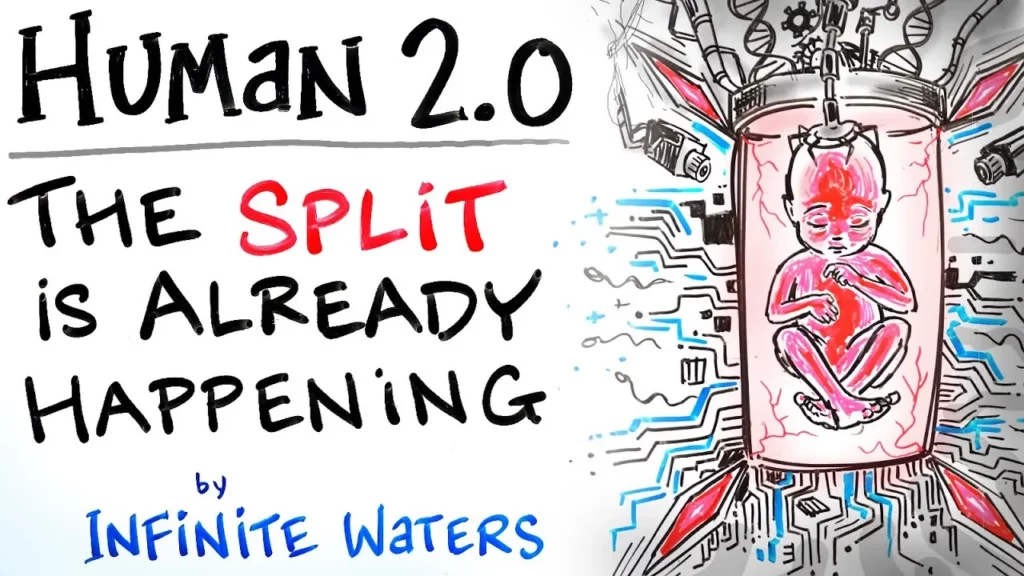
In this lesson, we explore the evolving relationship between humans and technology, highlighting concepts like transhumanism, post-humanism, and the singularity. As we navigate significant changes in our world, particularly in the wake of the global pandemic, we are encouraged to embrace our humanity and remain grounded through connection with nature and mindfulness. Ultimately, the lesson emphasizes the importance of love and unity in shaping a future where technology serves as a tool for empowerment rather than control.