
You ARE What You Eat
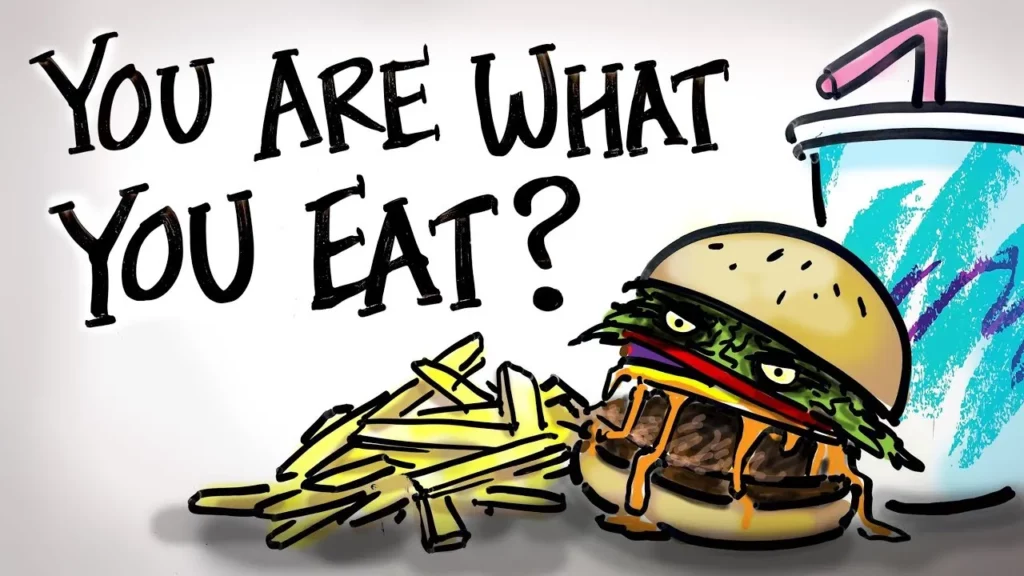
The lesson “Understanding ‘You Are What You Eat'” explores the cultural and scientific significance of the phrase, emphasizing that the food we consume directly impacts our health and well-being. It explains how nutritious foods support the body’s ability to replace billions of cells daily, while unhealthy diets can hinder this process and lead to poor health. Ultimately, the lesson encourages making healthier food choices to ensure the body functions optimally.
New Discoveries That Completely Alter Human History – UnchartedX
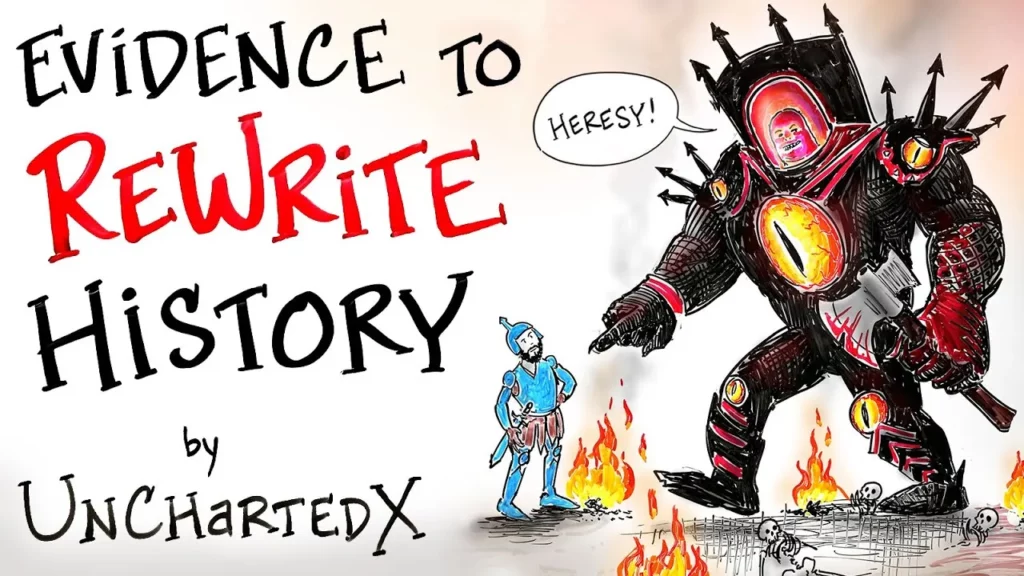
In this lesson, Ben from the UnchartedX YouTube channel invites viewers to explore the complexities and mysteries of ancient human history, challenging established narratives that have long dominated academic discourse. He highlights recent discoveries that suggest a more intricate timeline of human evolution and civilization, including evidence of advanced societies predating traditional historical accounts and the impact of cataclysmic events on human development. The lesson encourages a re-examination of our past, advocating for a broader understanding of history that incorporates new findings and perspectives.
Millennials in the Workforce, A Generation of Weakness – Simon Sinek
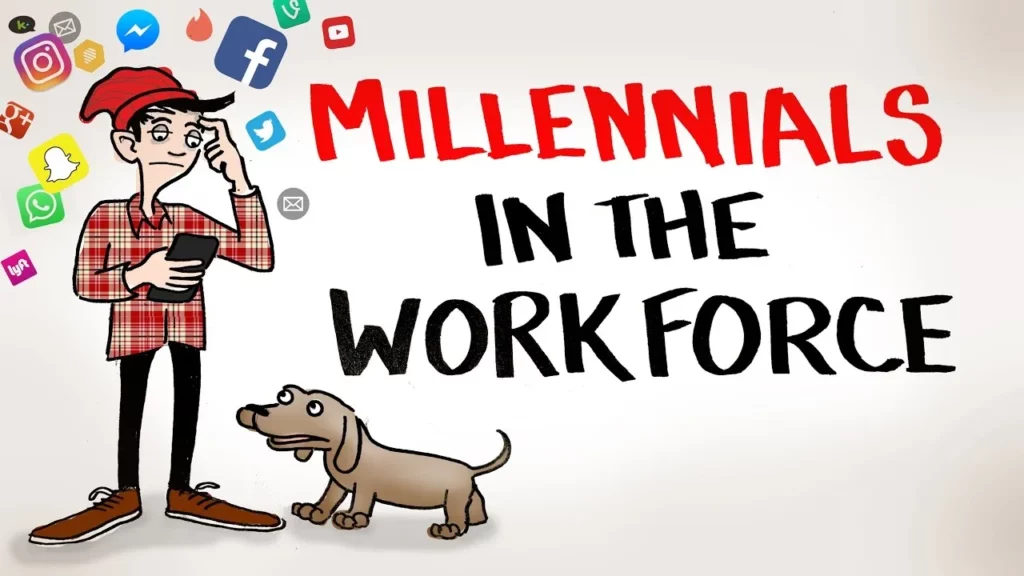
The lesson on the Millennial Generation highlights the misconceptions surrounding this group, often labeled as entitled or unfocused, while emphasizing their desire for meaningful work and fulfillment. Key influences such as parenting styles, technology, impatience, and corporate environments contribute to the challenges they face, often leading to feelings of inadequacy and disillusionment. To foster their growth and satisfaction, organizations should create supportive environments that prioritize personal development and meaningful connections.
Why Do Bad Habits Feel SO GOOD?
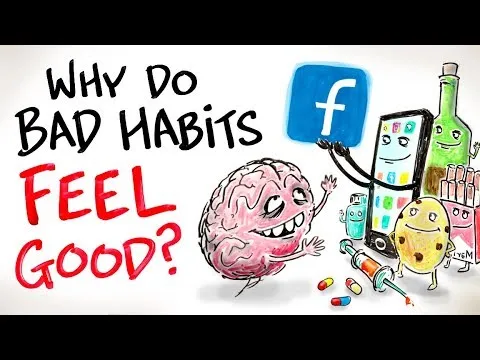
The lesson explores the paradox of why we are drawn to habits that are detrimental to our health, such as smoking and unhealthy eating, despite knowing their risks. It highlights that our brains are wired to seek comfort and reward, leading us to justify these behaviors as a means of temporary relief from stress. Ultimately, the lesson emphasizes that true growth and transformation often require stepping out of our comfort zones, as lasting change comes from embracing discomfort rather than seeking fleeting comfort.
The Divine Artist – Alex Grey – Channeling The Cosmic Creative Force
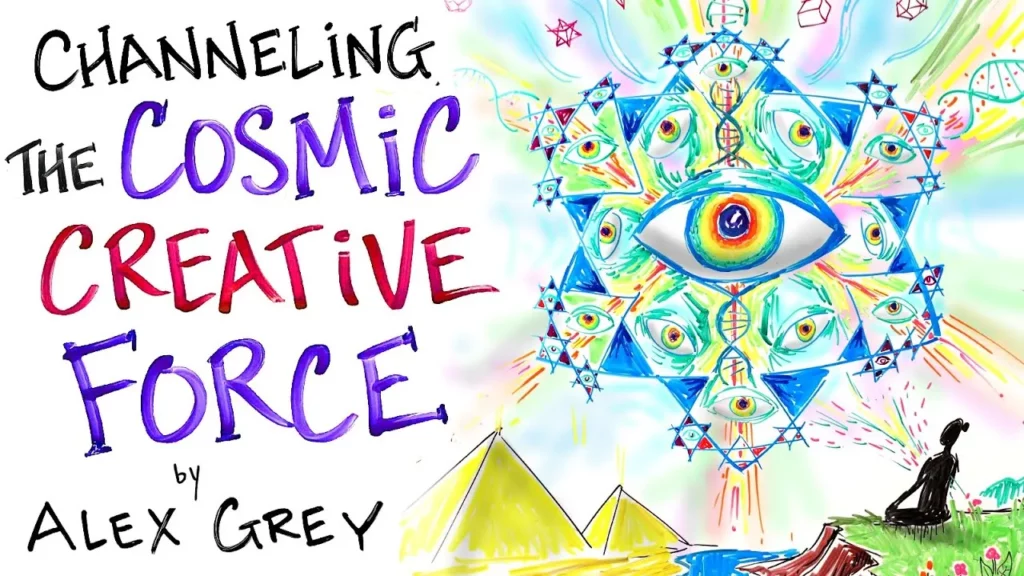
In “Exploring Cosmic Creativity: Art, Consciousness, and the Universe,” Alex Grey discusses the profound connection between art, consciousness, and the cosmos, emphasizing that creativity is a manifestation of the universal creative force that has shaped existence since the Big Bang. He posits that engaging in artistic expression allows individuals to tap into this cosmic energy, serving as a spiritual practice that aligns them with the divine. Ultimately, Grey encourages viewers to recognize their role as visionary artists in life, using creativity to restore their inner vision and foster a deeper connection with the universe and each other.
Exposing Scientific Dogmas – Banned TED Talk – Rupert Sheldrake
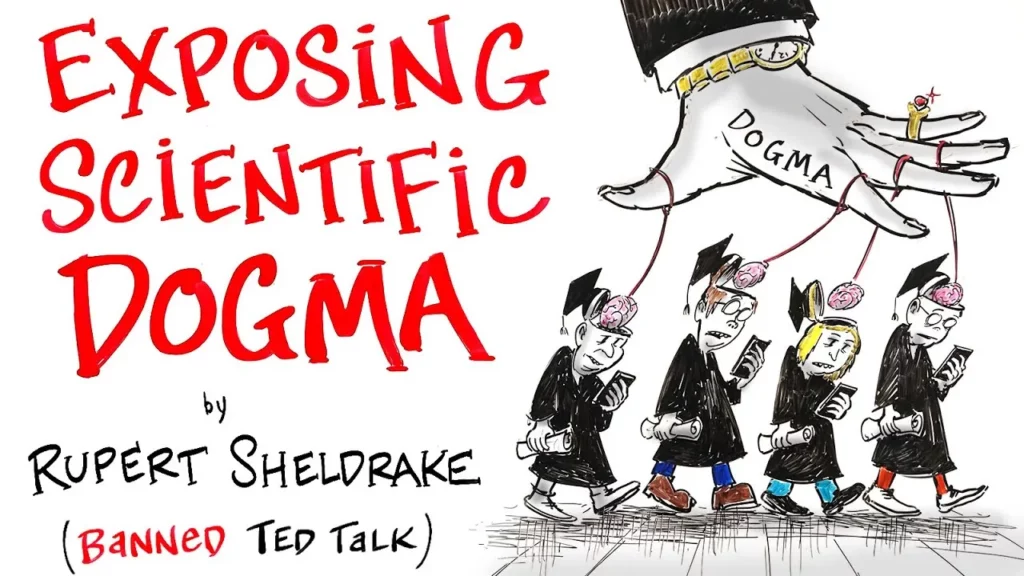
The lesson “Challenging the Boundaries of Scientific Belief” explores the limitations of a materialist worldview in science, which often constrains inquiry by adhering to rigid dogmas. By questioning ten core assumptions of modern science, such as the fixed nature of laws and the confinement of consciousness to the brain, the lesson advocates for a more dynamic and evolving understanding of the universe. This shift could foster a new scientific renaissance, encouraging a holistic approach to exploration and knowledge.
Tranquil Guided Meditation for Spiritual Awakening (7 min)

The lesson on “Finding Inner Peace Through Meditation” guides participants on a journey of self-discovery and tranquility through meditation practices. It emphasizes the importance of calming the mind, connecting with one’s inner light, and setting intentions to harness universal energy for personal aspirations. By using techniques such as deep breathing and the mantra “anaribahana,” individuals are encouraged to embrace their inner peace and manifest their desires.
Why Smart People Believe Stupid Things
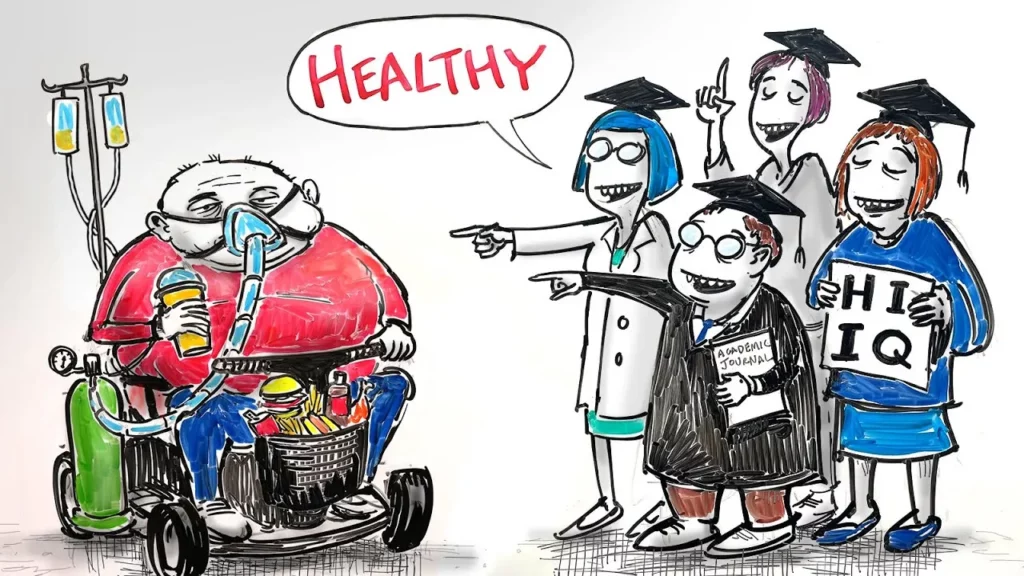
The lesson explores the relationship between intelligence and bias, revealing that even highly intelligent individuals can hold onto false beliefs due to ideological biases. Research indicates that intelligence can be used to rationalize personal beliefs rather than pursue objective truth, leading to identity-protective cognition. To combat these biases, the lesson emphasizes the importance of fostering curiosity and humility, suggesting that true rationality requires character alongside intelligence.
DIVIDE & RULE – The Plan of The 1% to Make You DISPOSABLE – Vandana Shiva

The lesson emphasizes the profound impact of our perceptions on how we engage with the world, advocating for a shift from a mechanistic to a quantum perspective that recognizes interconnectedness and uncertainty. It critiques the current economic and technological landscape, highlighting how concentrated power and profit-driven motives can lead to exploitation and social injustice. Ultimately, it calls for a collective embrace of interconnectedness to foster sustainability and equity, urging us to protect the freedoms of all beings and work towards a shared vision of abundance.
PANSPERMIA – Did Life Begin on Earth? Are Mushrooms USING US to Get to Space?
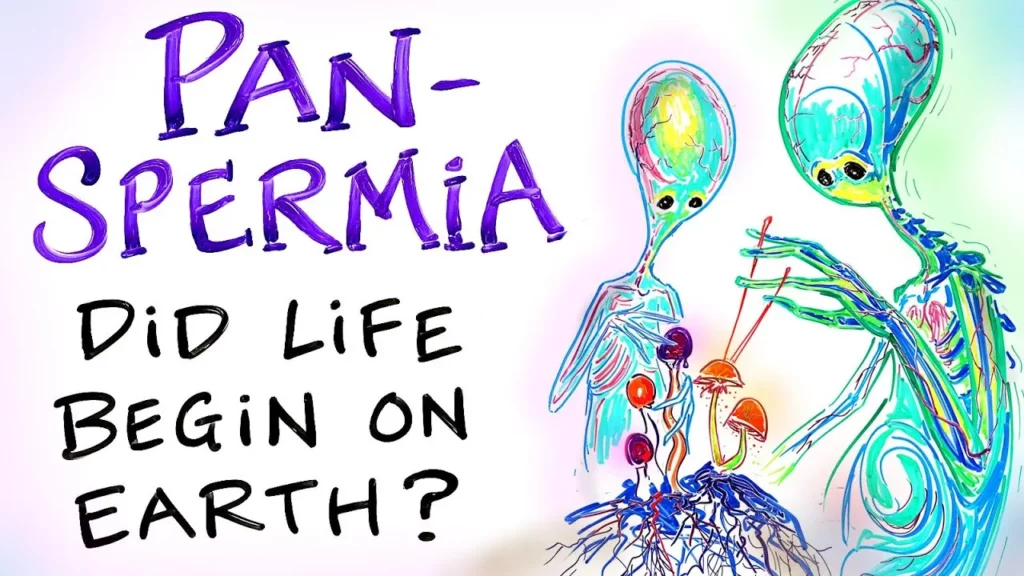
This lesson explores the remarkable resilience of fungi and their potential influence on life on Earth and in space. It discusses the concept of panspermia, suggesting that fungal spores may have contributed to the origins of life on our planet, and examines the evolutionary journey of fungi, including their symbiotic relationships with plants. Additionally, it touches on the intriguing “stoned ape” theory, which posits that psychedelic mushrooms may have played a role in the evolution of human consciousness, highlighting the interconnectedness of fungi, space exploration, and human curiosity.