
ELECTRICITY, MAGNETISM and ELECTROMAGNETISM ⚡ Science for Kids ???? COMPILATION
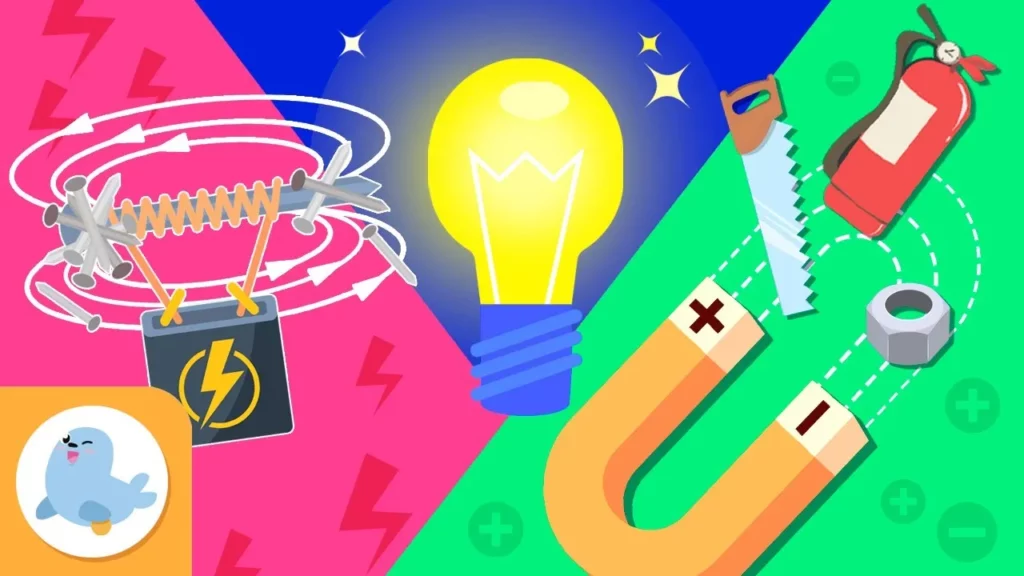
In this lesson, students explore the fascinating concepts of electricity, magnetism, and electromagnetism through engaging activities and experiments. They learn about the different sources of electricity, such as fossil fuels, wind, hydroelectricity, and solar energy, as well as the importance of circuits, conductors, and insulators. The lesson also introduces magnetism and electromagnetism, highlighting their applications in everyday life and encouraging students to continue their exploration of these scientific principles.
ROMAN NUMERALS ???? Introduction ???? Episode I ☝???? I, II, III, IV…
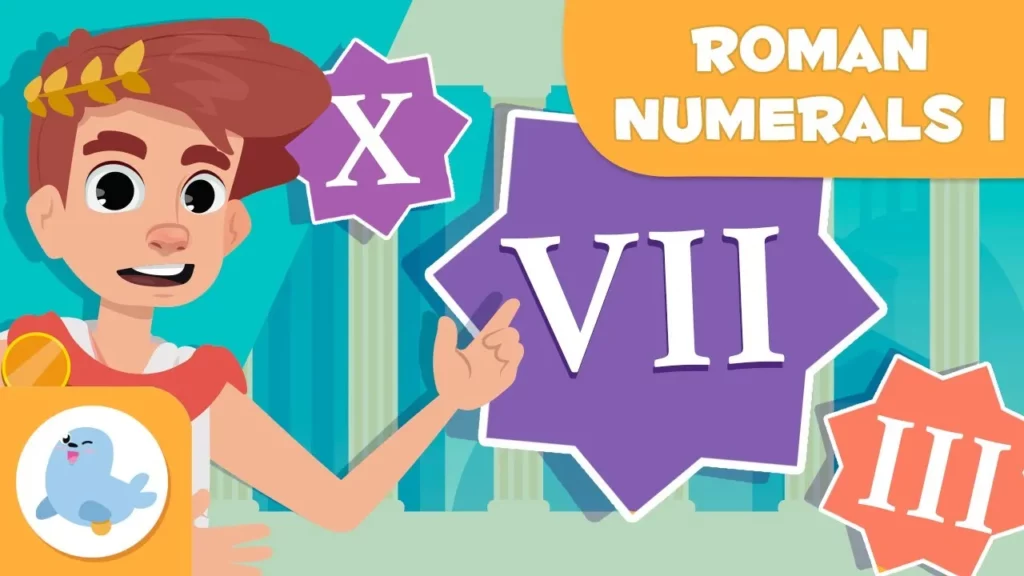
In this lesson, we explored the fascinating history and structure of Roman numerals, which originated in ancient Rome and were influenced by the Etruscans. We learned about the seven key letters used in the Roman numeral system, their additive and subtractive properties, and how they differ from modern Arabic numerals. Additionally, we discovered the contemporary uses of Roman numerals, such as in the names of monarchs, major events, and on clocks.
ADJECTIVES and VERBS ???? Language Arts for Kids ???? Compilation
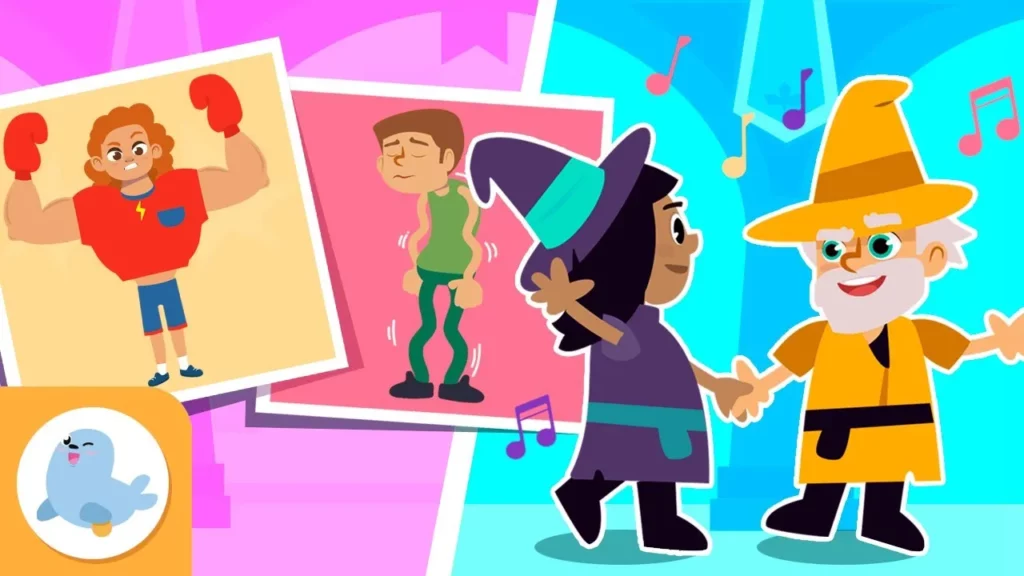
In today’s lesson, we explored action words, known as verbs, and describing words, called adjectives. We learned a variety of verbs such as “walk,” “jump,” and “eat,” as well as adjectives like “small,” “big,” and “happy,” helping us understand what actions are taking place and how to describe people, animals, and things. Keep practicing these words to become an expert in both verbs and adjectives!
Phonics for Kids ???? The /f/ Sound ???? Phonics in English ????
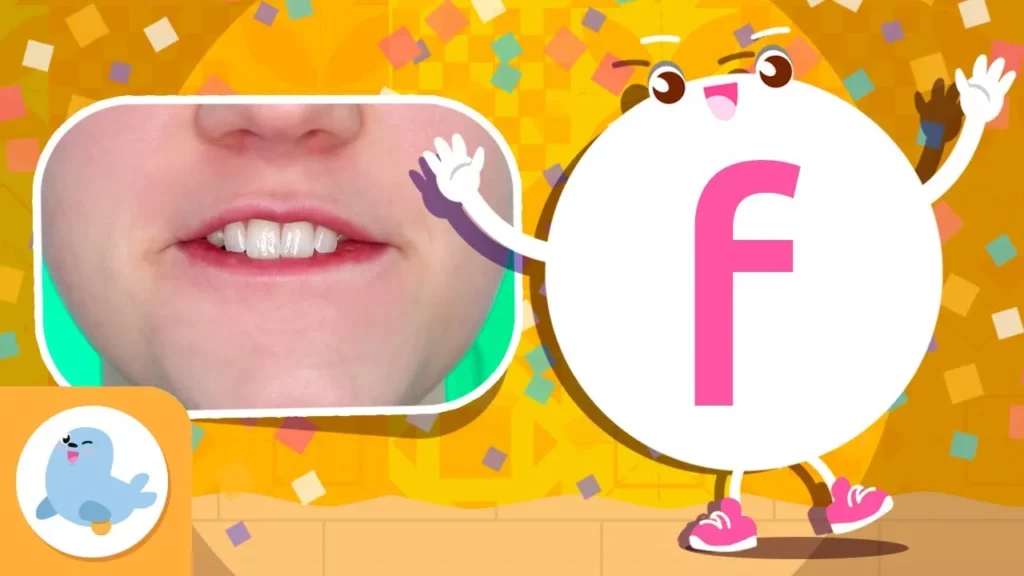
In this lesson, children are introduced to the /f/ sound through the character Felly and engaging activities. They learn words that begin with the /f/ sound, such as “fan,” “farm,” “fin,” “fox,” and “flamingo,” while participating in fun singing and repetition exercises. The lesson encourages continued learning and exploration of phonics in an enjoyable way.
Calculating Area ???????? Squares, Rectangles, Triangles, Rhombuses, Circles ???????? Compilation
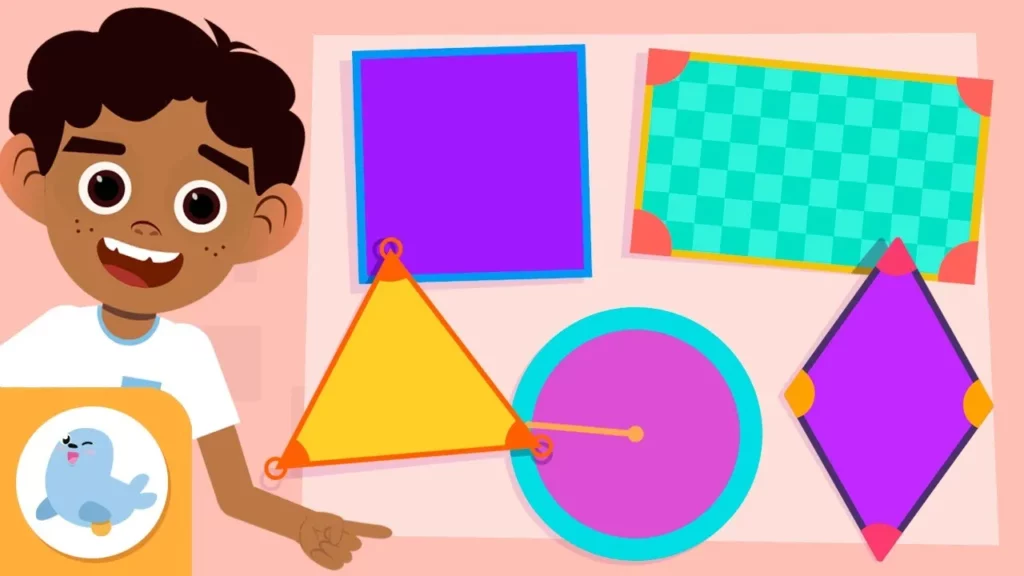
In this lesson, we learned how to calculate the area of various shapes, including squares, rectangles, triangles, rhombuses, and circles. Each shape has a specific formula: for squares and rectangles, we multiply side lengths; for triangles, we use base times height divided by two; for rhombuses, we multiply the diagonals and divide by two; and for circles, we multiply Pi by the radius squared. Understanding these calculations can be applied to real-life situations, such as construction and crafting.
FOOD CHAINS for Kids ????⬅????⬅????⬅???? Trophic Levels ???? Episode 1
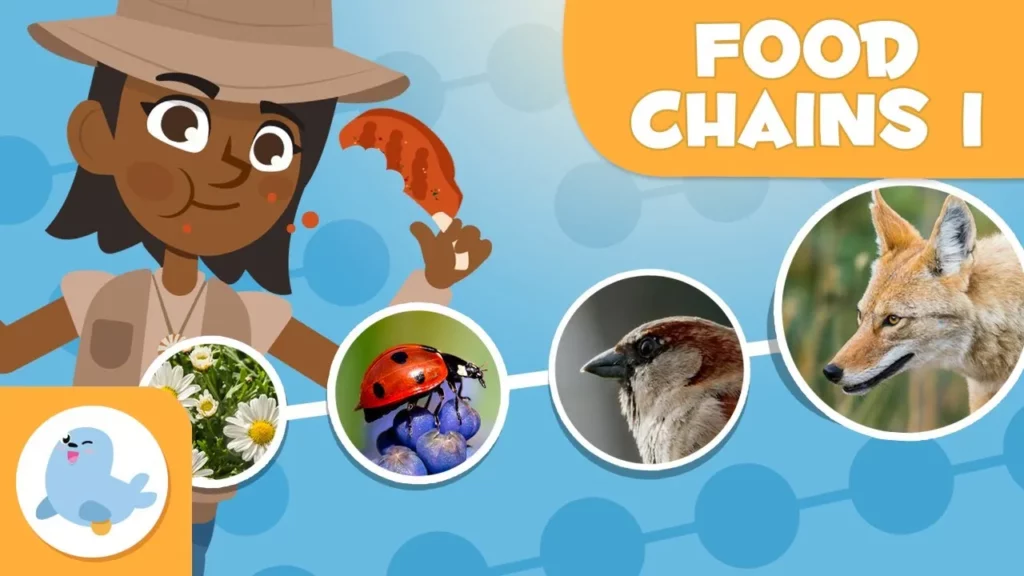
In this lesson on food chains, children learn how energy flows through ecosystems, starting with producers like plants that create their own food, followed by primary, secondary, and tertiary consumers that eat one another. The lesson emphasizes the importance of decomposers, such as bacteria and fungi, in recycling nutrients back into the soil, thus restarting the food chain. Through engaging examples, kids discover the interconnectedness of living things and the various trophic levels that make up food chains.
DAYS of the WEEK and MONTHS of the YEAR ???? Compilation ???? Monday, Tuesday, Wednesday, Thursday…
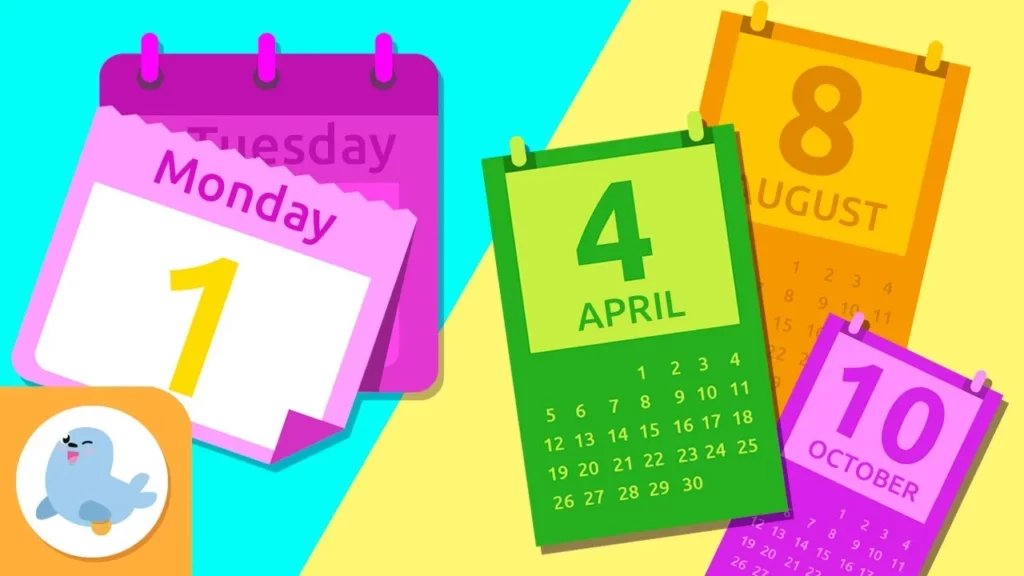
In this lesson, we learned about the days of the week and the months of the year. There are seven days in a week, starting with Monday and ending with Sunday, while a year consists of twelve months, from January to December. The lesson encourages engagement and exploration, inviting learners to share their favorite day of the week.
Phonics for Kids ????The /b/ Sound ???? Phonics in English ????
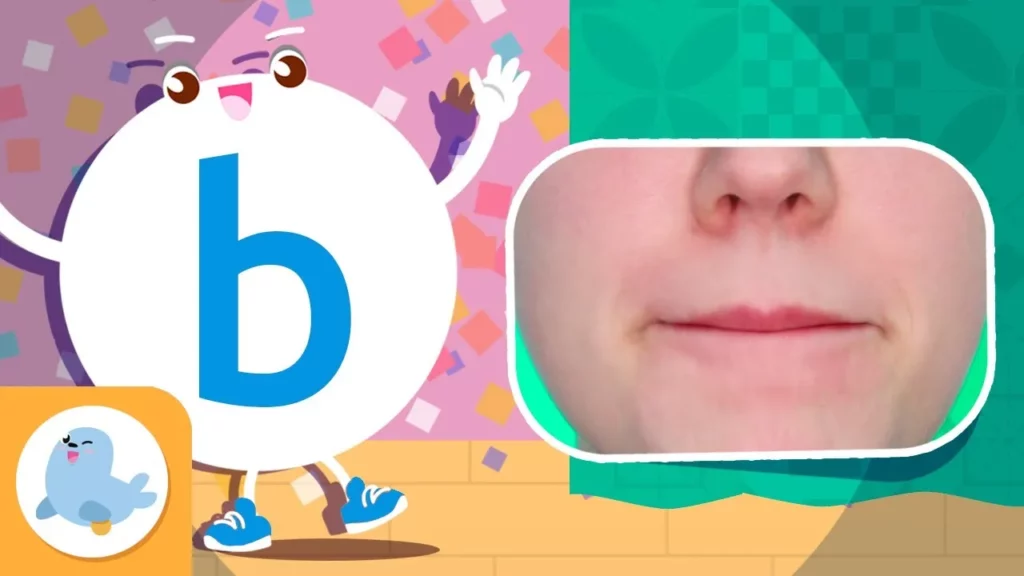
In today’s lesson, Felly introduced the /b/ sound, highlighting its presence in words like “ball,” “bag,” and “boat.” Through singing and interactive activities, students engaged with the sound in a fun and memorable way, encouraging them to explore more phonics in future lessons. The session emphasized the joy of learning sounds while inviting students to continue their educational journey with additional resources.
Climate Action ☀️ SDG 13 ????️ Sustainable Development Goals for Kids
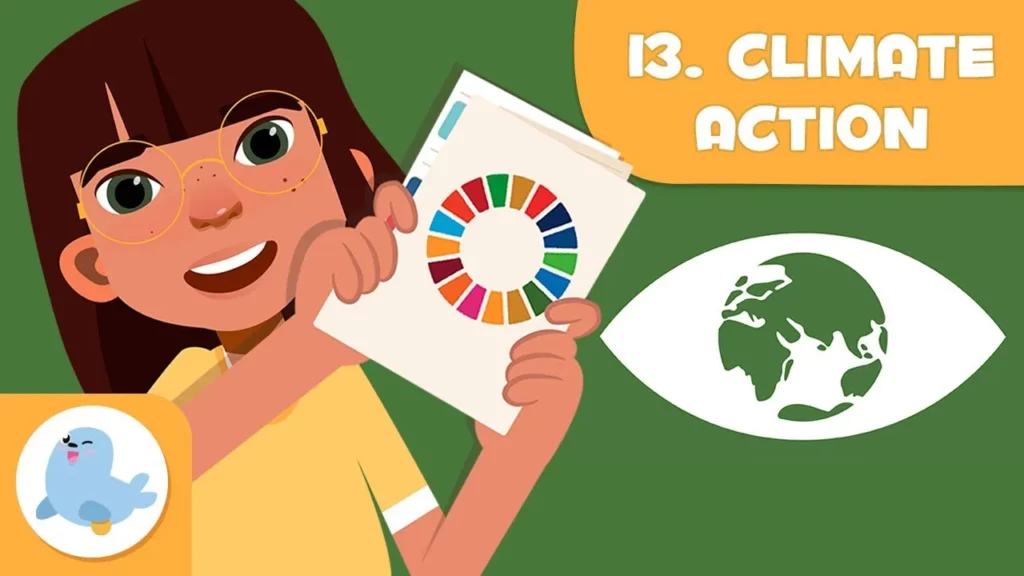
In today’s lesson, we explored Sustainable Development Goal 13: Climate Action, emphasizing the importance of addressing climate change caused by greenhouse gases like carbon dioxide. We discussed the impacts of climate change, such as rising ocean temperatures and extreme weather, and highlighted simple actions everyone can take to help, like saving energy, practicing the three R’s (Reduce, Reuse, Recycle), and using sustainable transportation. Together, we can make a significant difference in protecting our planet for future generations.
FOOD CHAINS for Kids ????⬅????⬅????⬅???? Terrestrial and Aquatic ???? Episode 2
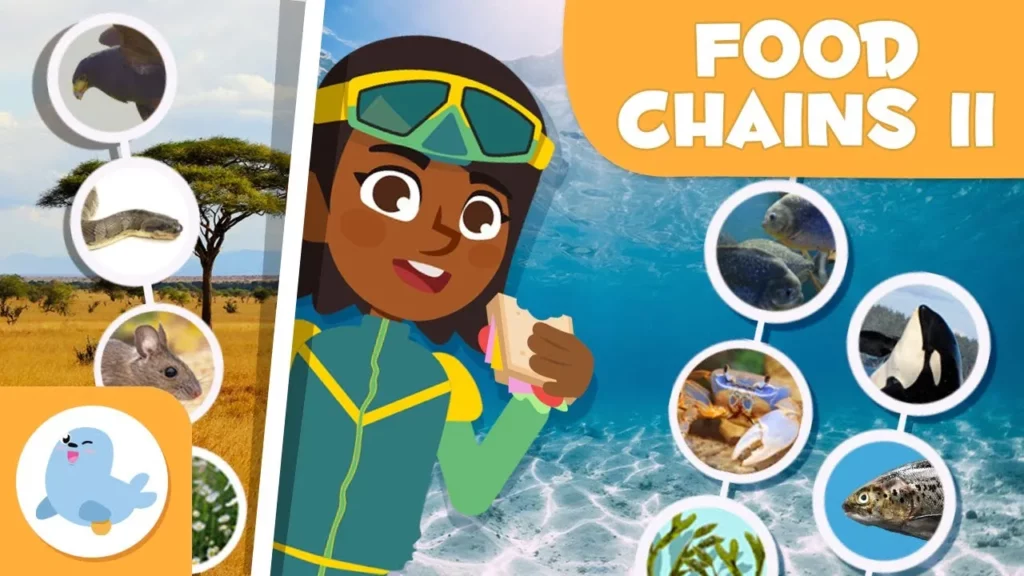
In this lesson, we explored the concept of food chains, which illustrate how energy is transferred between living organisms in different habitats, including terrestrial (land) and aquatic (water) environments. We learned about examples of food chains, such as how plants provide energy to primary consumers like caterpillars, which are then eaten by secondary consumers like moles, and so on, highlighting the role of decomposers in recycling nutrients. The lesson emphasized the interconnectedness of ecosystems and encouraged further exploration of this fascinating topic.