
REPRODUCTION IN ANIMALS ???????? SEXUAL and ASEXUAL ???????????? OVIPAROUS, VIVIPAROUS, OVOVIPAROUS
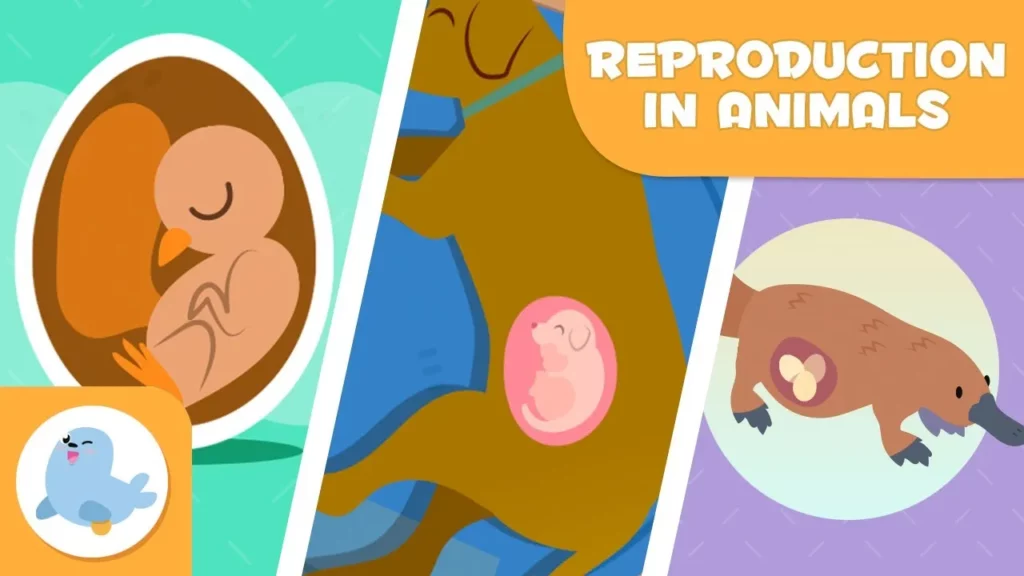
In this lesson, we explored the different ways animals reproduce, focusing on two main types: asexual and sexual reproduction. Asexual reproduction involves a single parent creating copies of itself, while sexual reproduction requires both a male and female, leading to three classifications of animals: oviparous (egg-laying), viviparous (giving birth to live young), and ovoviviparous (eggs that hatch inside the mother). Through this, we learned about the fascinating diversity of animal reproduction and the unique characteristics of various species.
Phonics for Kids ???? The Long A Sound (AI) ???? Phonics in English ????
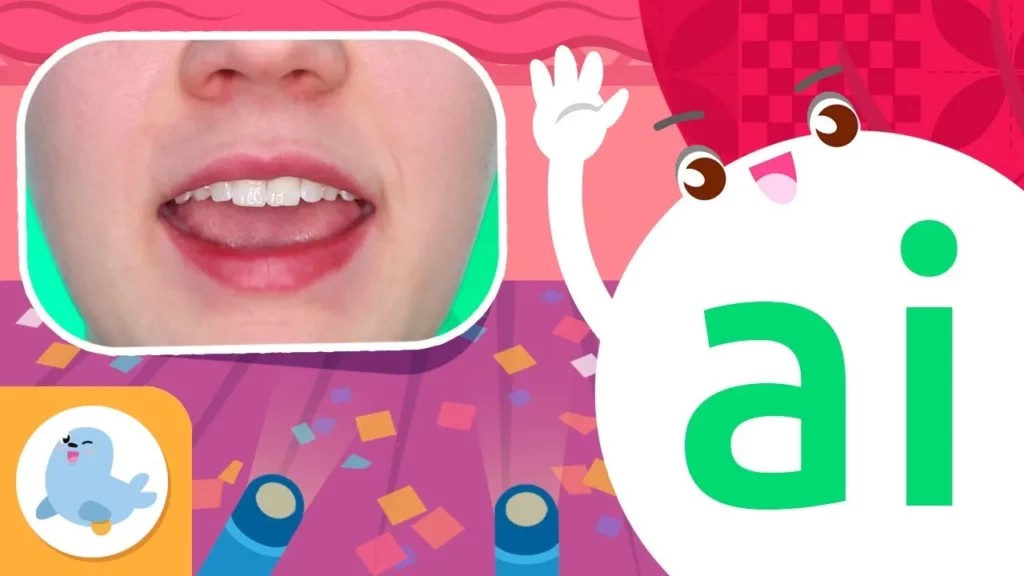
In this lesson, children are introduced to the long A sound, specifically focusing on the “AI” combination through engaging activities and songs. Felly, the character guiding the lesson, encourages kids to recognize the sound in words like “rain” and “train,” making learning interactive and enjoyable. The lesson concludes by inviting children to continue their educational journey with more fun videos.
Life Below Water ???? SDG 14 ???? Sustainable Development Goals for Kids
In this lesson on Sustainable Development Goal 14, “Life Below Water,” students learn about the importance of oceans and marine ecosystems, which cover three-quarters of the Earth’s surface and are vital for climate regulation, food, and resources. The lesson highlights the challenges facing oceans, such as pollution and overfishing, and encourages students to take action, like keeping beaches clean, to help protect underwater life and promote sustainability.
Phonics for Kids ???? The J Sound ???? Phonics in English ????
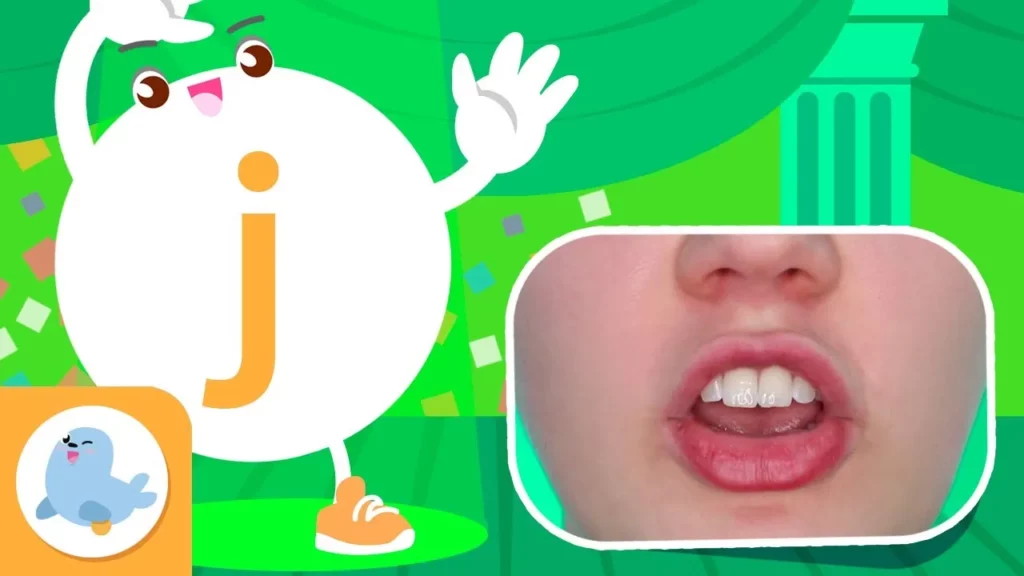
In this lesson, children are introduced to the J sound through engaging activities and songs, starting with the word “juice.” They learn to identify and pronounce words that begin with the J sound, such as “jam,” “jump,” and “jets,” while participating in a fun and interactive environment. The lesson encourages continued learning with additional resources available on the Smile and Learn educational channel.
Learn About Letter S ???? Shay the Snake’s Steak ????✏️
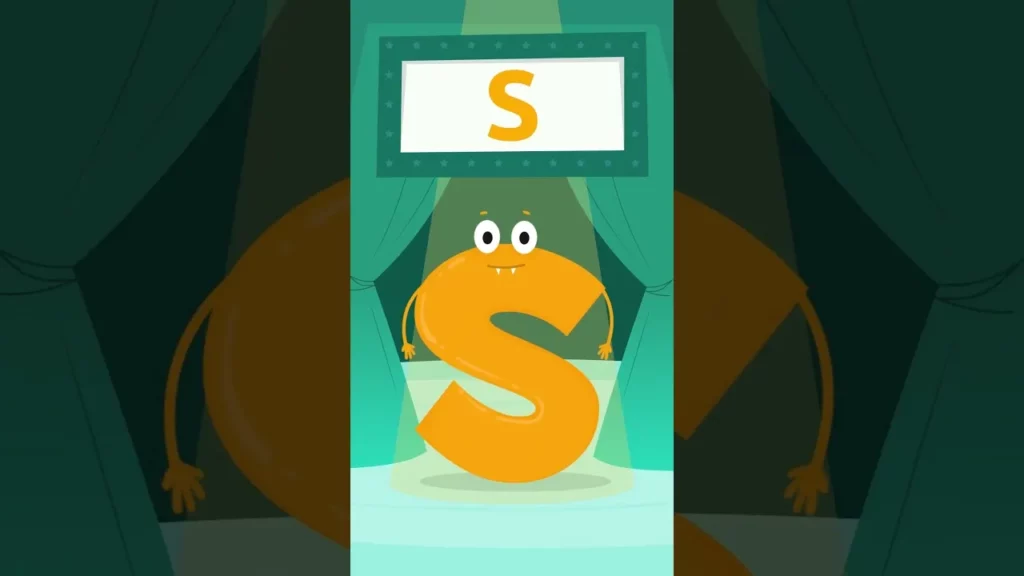
In today’s lesson, we joined Shay the Snake on an exciting adventure to learn about the letter S. We practiced making the S sound, resembling a hissing snake, and learned how to write both the big S and little s through fun, engaging instructions. Shay encouraged us to keep practicing, reminding us that S stands for snake, steak, and smile!
PRIME AND COMPOSITE NUMBERS for Kids ???? What are Prime Numbers? ???? MATH for Kids
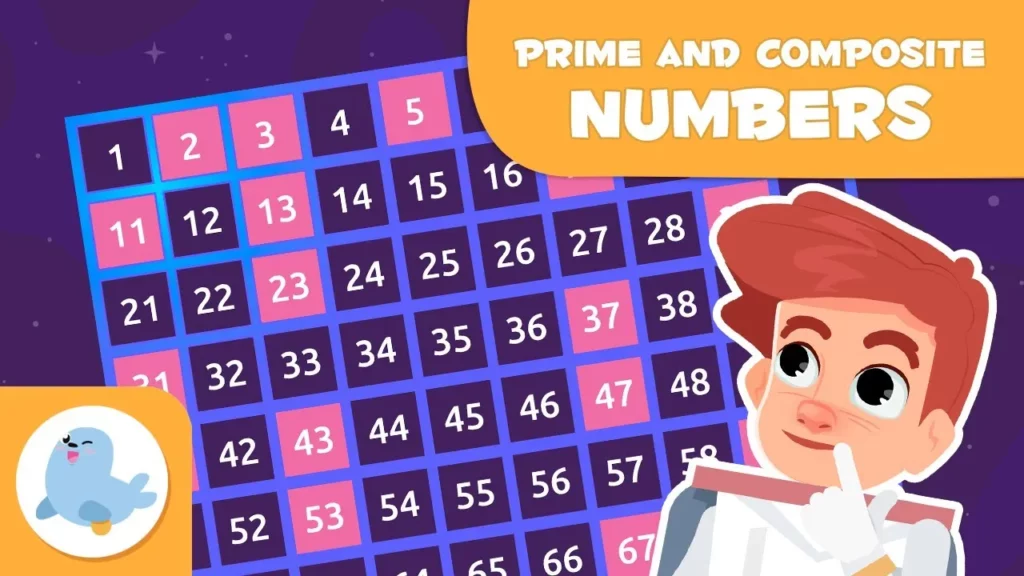
In this lesson, we explored the concepts of prime and composite numbers. Prime numbers are defined as numbers that can only be divided evenly by 1 and themselves, having exactly two divisors, while composite numbers have more than two divisors. Through examples like 5 and 11 for prime numbers, and 4 and 9 for composite numbers, we learned how to identify and differentiate between these two types of numbers.
Reduce, Reuse, Recycle ???? The 3 R’s ???? Responsible Consumption for Kids
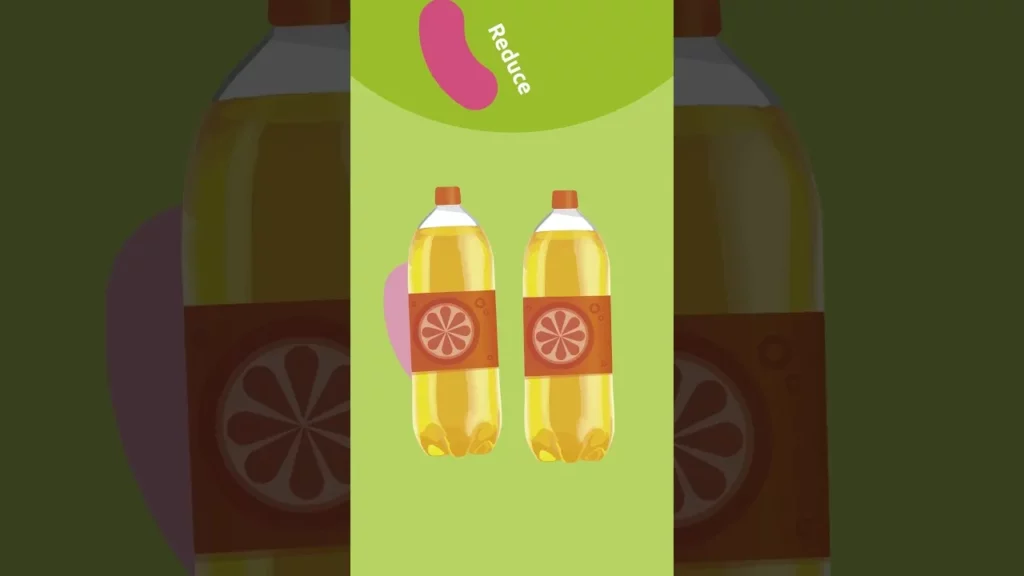
The lesson on the 3 R’s—Reduce, Reuse, and Recycle—teaches kids how to practice responsible consumption to help protect the planet. By reducing waste, finding new uses for items, and recycling materials, we can minimize our environmental impact and contribute to a cleaner, healthier Earth. Encouraging these simple habits empowers children to make a positive difference in their everyday lives.
NERVOUSNESS for Kids ???? What is Nervousness? ???? Complex Emotions for Kids
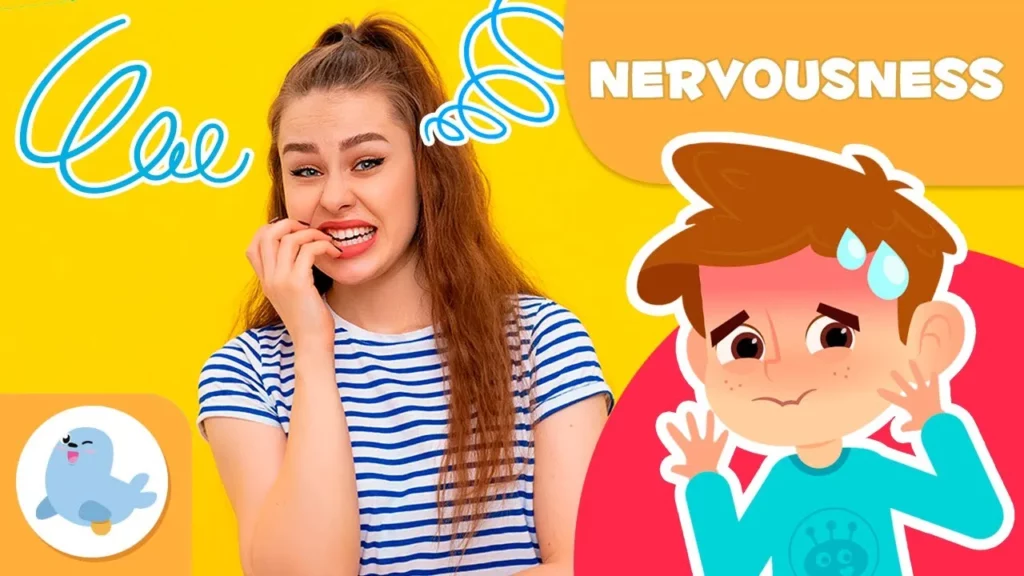
In the lesson “Understanding Nervousness: A Guide for Kids,” children learn about emotions, specifically focusing on nervousness. The lesson explains that emotions are natural reactions to our surroundings, and while nervousness can feel uncomfortable, it serves a purpose by preparing us for new experiences. By recognizing and managing their emotions, kids can better understand themselves and others, fostering empathy and communication.
The Number 2 Song ???? Learn to Write the Number 2 ????
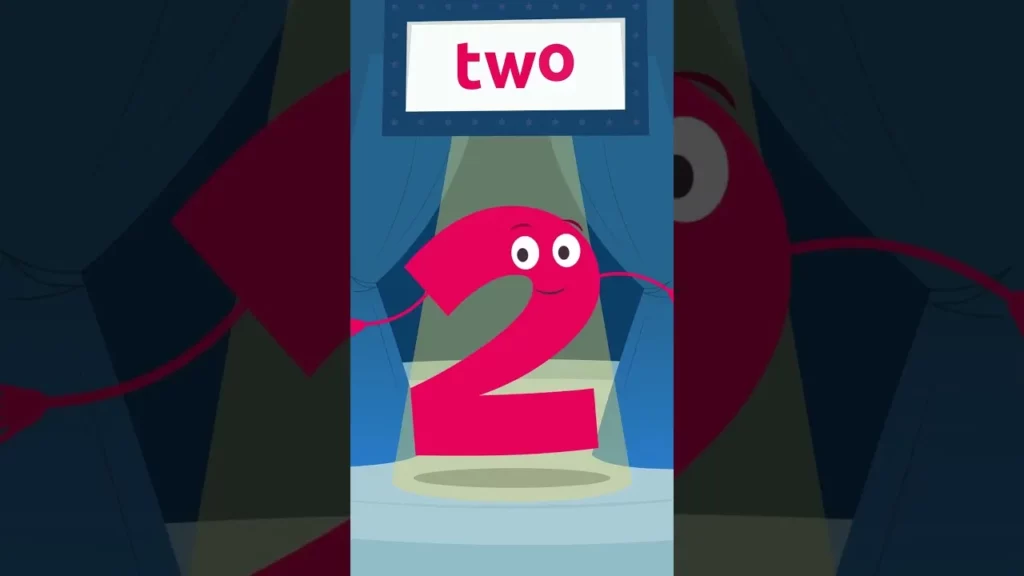
In this lesson, children are introduced to the number two through engaging activities and fun examples, such as twin brothers representing the concept of pairs. They learn how to write the number two step-by-step, practicing their skills while enjoying the process. The lesson encourages exploration by asking children to find pairs of their favorite items, reinforcing the idea of the number two in a playful manner.
BOREDOM for Kids ???? What is Boredom? ???? Complex Emotions for Kids
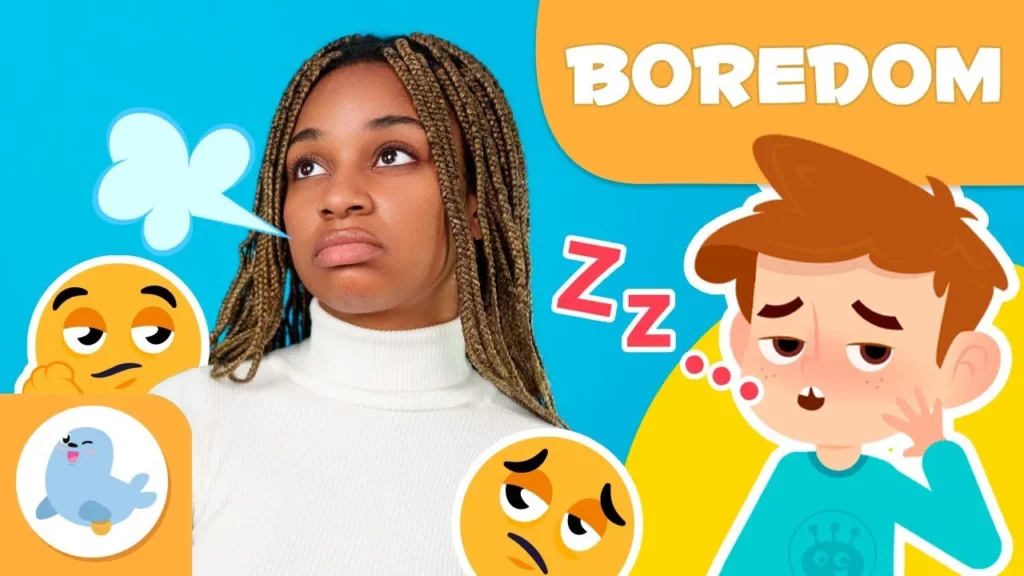
In this lesson, kids learn about boredom as an important emotion that can arise when they are not engaged in fun activities. The lesson emphasizes that while boredom may feel uncomfortable, it can also spark creativity and self-reflection. Additionally, it offers strategies for overcoming boredom, such as engaging in imaginative play or talking to friends and family.