
Why This Virtual Human Is Being Injured by Scientists
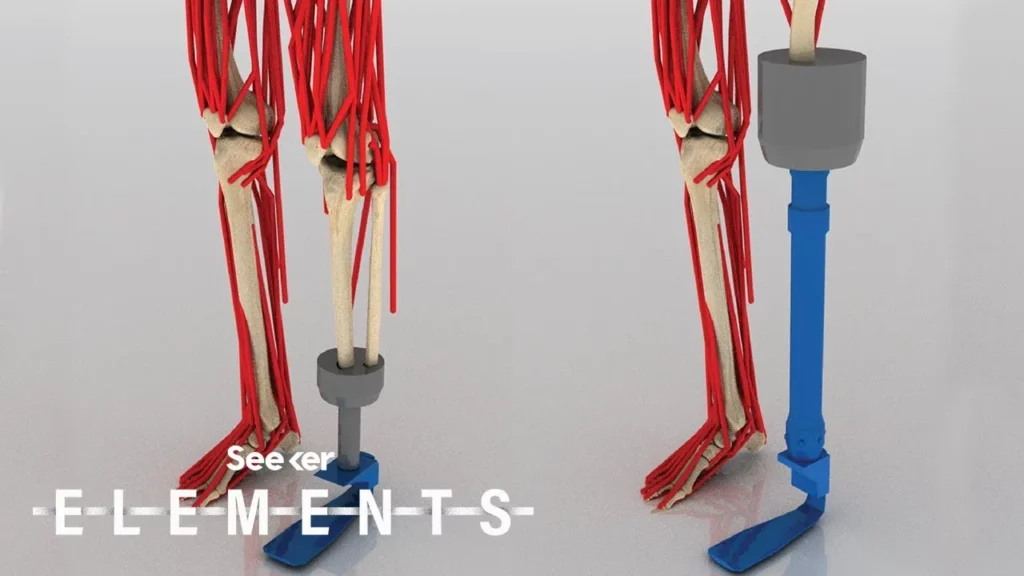
The lesson explores the intersection of artificial intelligence (AI) and human physiology, highlighting how advancements in AI are enabling machines to learn and replicate human movements. Researchers in South Korea have developed a simplified human model to train AI in various physical tasks, demonstrating its adaptability and potential applications in physical therapy, surgery, and robotics. This innovative approach not only enhances our understanding of human movement but also paves the way for future developments in bipedal robotics that could integrate seamlessly into human environments.
Is Chewing Gum Better Than Flossing?
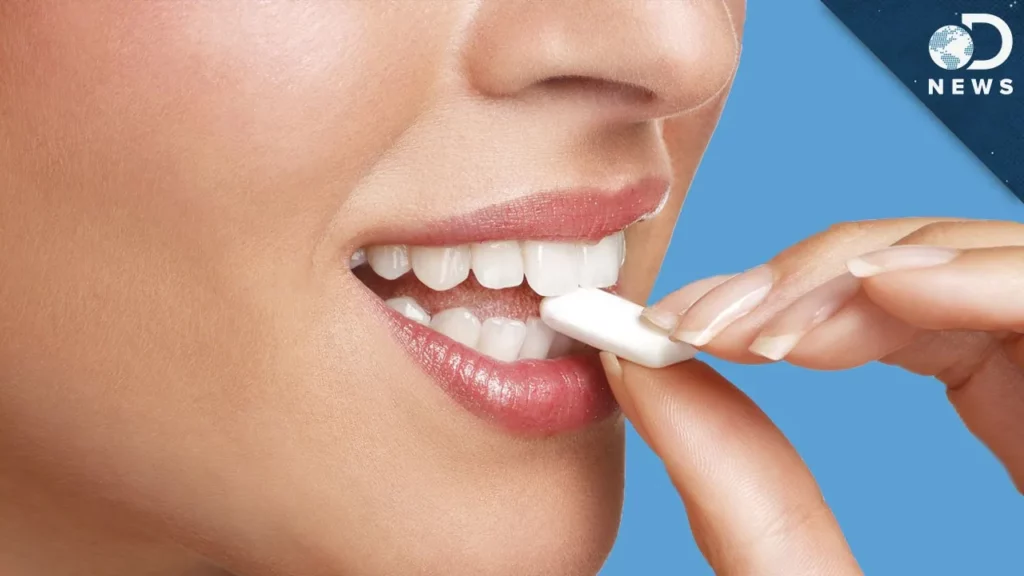
The lesson highlights the surprising benefits of chewing gum for oral health, suggesting that it can be nearly as effective as flossing in reducing bacteria and food particles in the mouth. While gum can trap a significant amount of bacteria, it should not replace flossing entirely, as it has limitations in targeting specific areas and loses effectiveness quickly. Choosing sugar-free gum with artificial sweeteners is recommended for better dental health.
Can We Make A Real-Life Batman Suit?
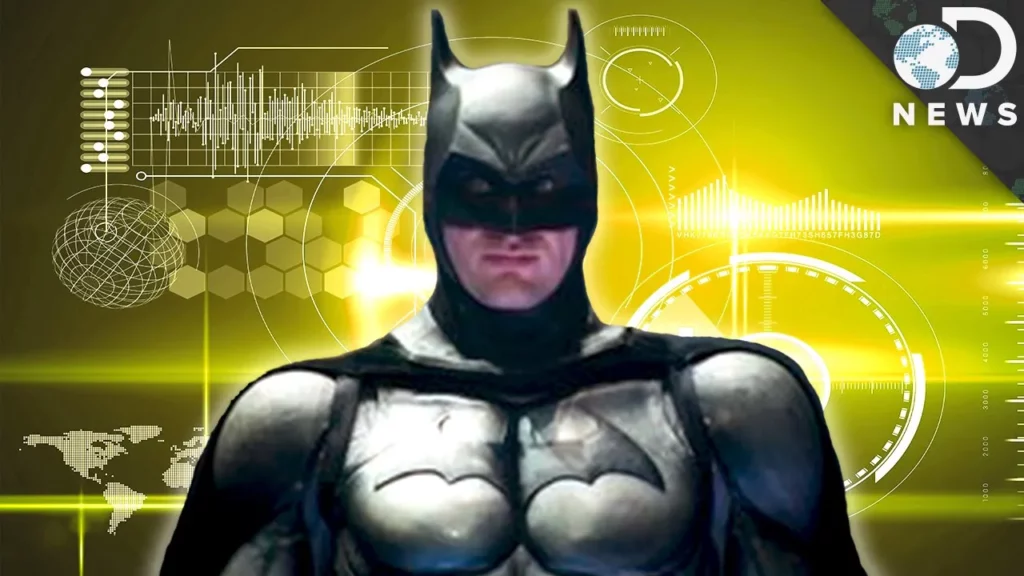
The lesson explores the concept of heroes, contrasting traditional superheroes like Batman with real-life heroes, particularly those in the military. It highlights how Batman, despite being an ordinary person with wealth rather than superpowers, inspires technological advancements in military gear through programs like BATMAN, which aims to enhance soldiers’ capabilities with innovative tools and gadgets. The lesson emphasizes the importance of creativity and innovation in both fictional and real-world contexts, showcasing how ordinary individuals can make extraordinary contributions.
Could Ocean Cleanup’s New Interceptor Help Solve Our Plastic Problem?
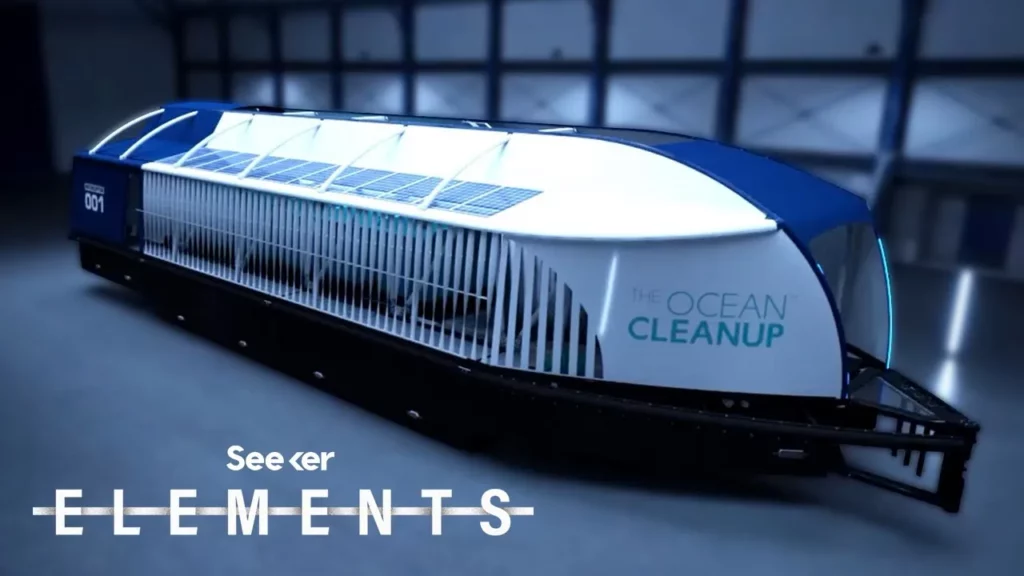
The lesson discusses the significant issue of plastic pollution in the oceans, highlighting the alarming amount of plastic produced annually and its detrimental effects on marine life and human health. It introduces The Ocean Cleanup’s innovative systems, including a floating device designed to collect plastic from the Great Pacific Garbage Patch and The Interceptor, which targets plastic waste in rivers before it reaches the ocean. Despite some criticisms regarding potential harm to marine life, the initiative aims to deploy these systems in 1,000 rivers by 2025 to combat ocean pollution effectively.
Why Do Rocks the Size of Cars Suddenly Break From Cliffs?
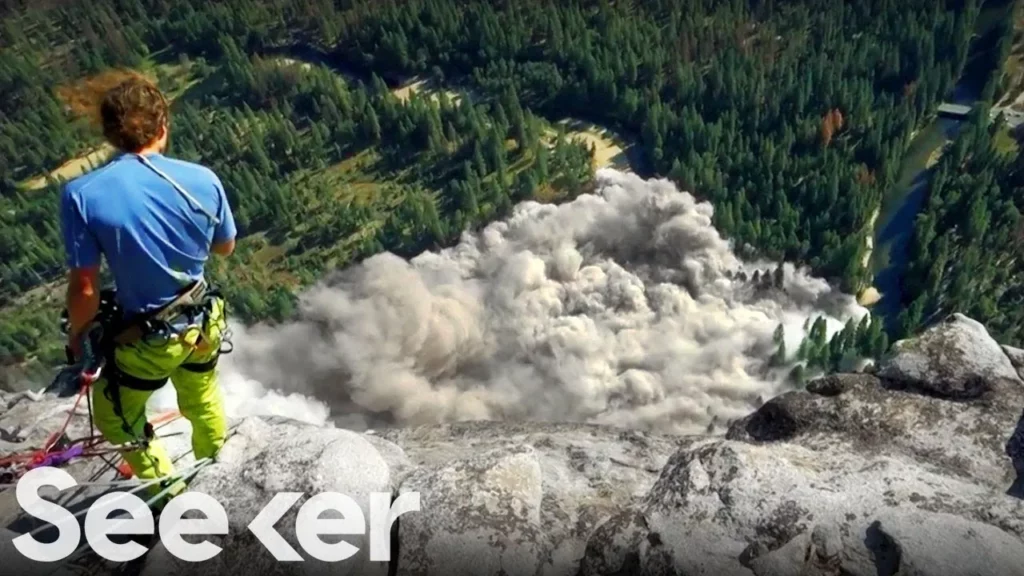
The lesson on “Understanding Rockfalls in Yosemite Valley” highlights the geological phenomenon of rockfalls, which occur frequently in the park due to its steep cliffs. Geomorphologist Greg Stock and USGS engineer Brian Collins utilize advanced technologies like LiDAR and 3D modeling to monitor these events, revealing that while rockfalls can happen suddenly, their causes often develop over decades. Their ongoing research is vital for ensuring visitor safety, as it uncovers patterns and potential triggers, emphasizing the dynamic nature of Yosemite’s landscape.
Why Did We Just Shoot A “Bullet” At An Asteroid?
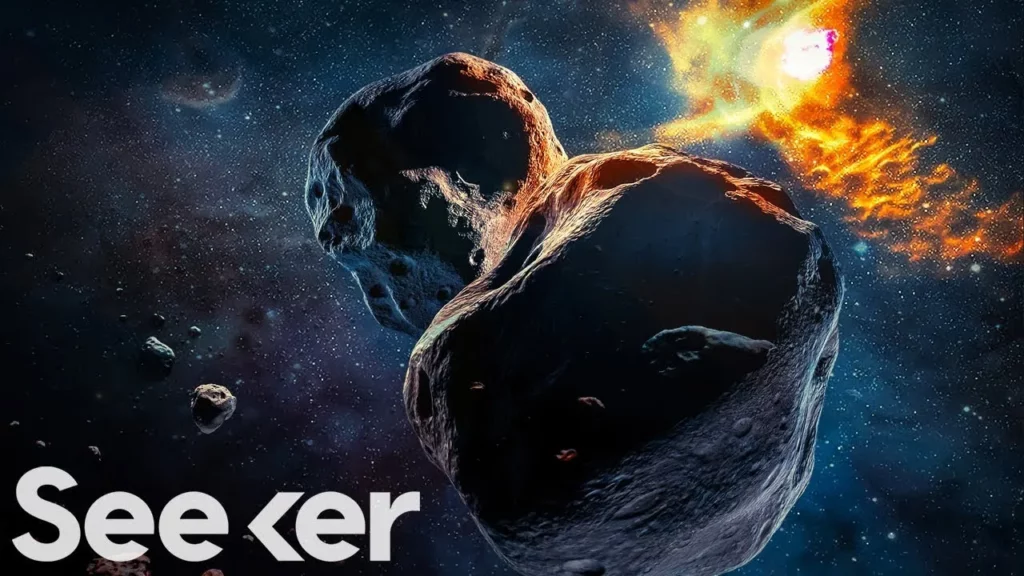
The lesson explores the significance of asteroids in understanding the early solar system and the origins of life on Earth, highlighting the challenges faced by scientists in studying these celestial bodies. Through missions like Japan’s Hayabusa2 and NASA’s OSIRIS-REx, researchers are uncovering valuable insights, while also monitoring potential threats posed by Near-Earth Objects. Asteroids serve as time capsules, offering clues about our universe’s history and the formation of rocky planets, making them a focal point for ongoing and future space exploration.
6 Animals More Dangerous Than Sharks!
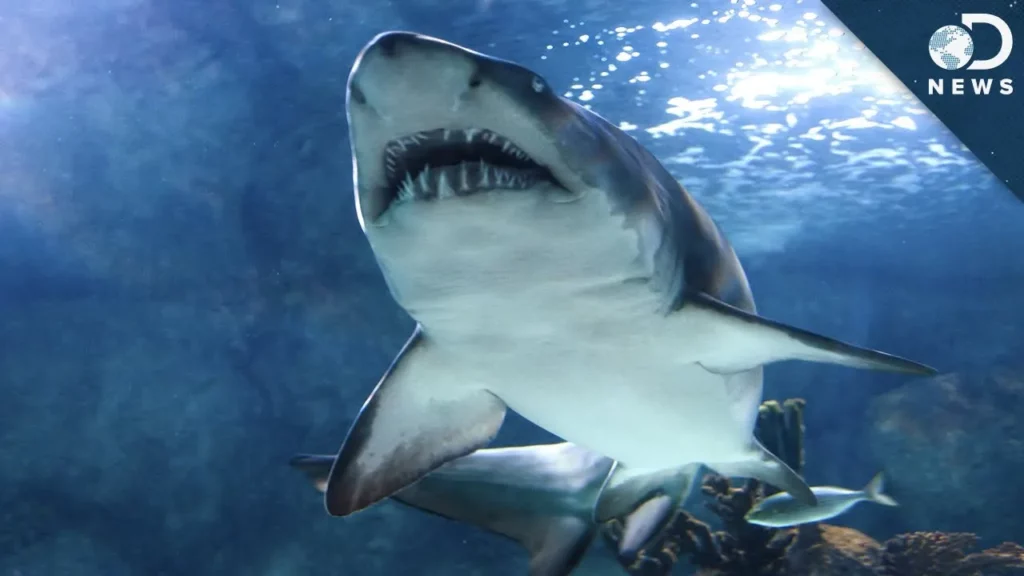
The lesson explores the misconception that sharks are among the most dangerous animals in the ocean, revealing that they are responsible for relatively few attacks on humans each year. In contrast, animals like elephants, hippos, crocodiles, and especially mosquitoes pose a far greater threat, with mosquitoes alone causing nearly a million deaths annually due to disease. Ultimately, the lesson encourages a reassessment of our fears and highlights the importance of understanding the true dangers in the animal kingdom.
Was Pompeii The Worst Volcanic Disaster Ever?
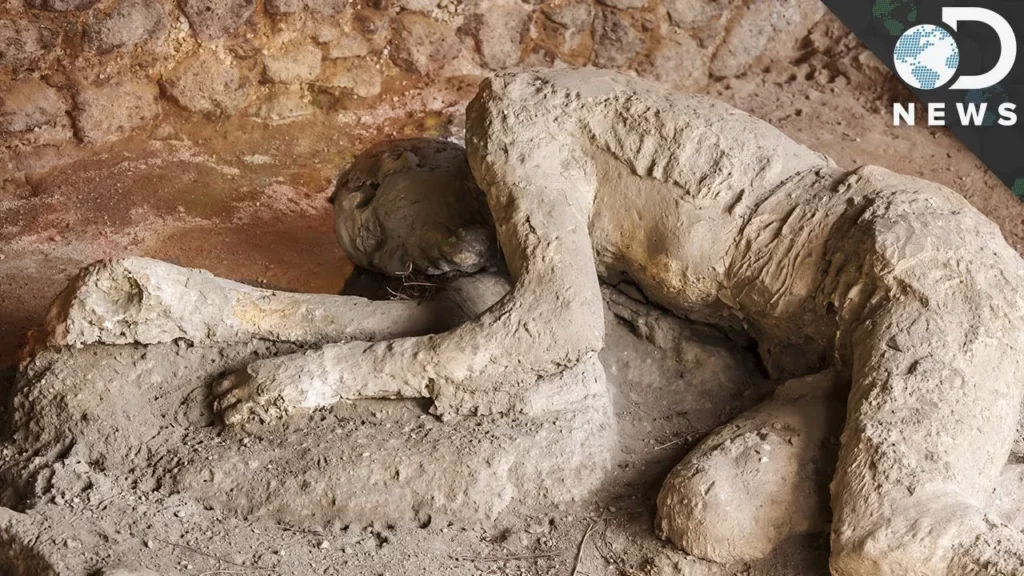
The lesson explores the captivating history of Pompeii, an ancient city buried by the catastrophic eruption of Mount Vesuvius on August 24, 79 CE. It highlights the warning signs leading up to the eruption, the immense power of the volcanic event, and the preservation of the city and its inhabitants through volcanic ash. Additionally, it addresses the ongoing challenges Pompeii faces as a UNESCO World Heritage site, including environmental threats and the looming risk of future eruptions from Mount Vesuvius.
We Only Have Four Facial Expressions!

The lesson explores how human emotions are expressed through facial expressions, highlighting the longstanding belief in six basic emotions as proposed by psychologist Paul Ekman. Recent research challenges this notion, suggesting that humans universally express four core emotions—happiness, sadness, fear, and surprise—while cultural influences shape the nuances of these expressions. Understanding these variations is crucial for effective communication across different cultures.
Why Is The Ocean Salty?
The lesson explains that the ocean’s saltiness primarily comes from sodium chloride and other minerals that are washed into the ocean by rainwater, which breaks down rocks and carries dissolved salts through rivers. Additionally, volcanic activity and hydrothermal vents contribute to the ocean’s salt content. The ocean remains salty because the rate at which salt enters exceeds the rate at which it leaves, with evaporation leaving salt behind while fresh water returns through rain.