
Save Water with Smile and Learn! ????
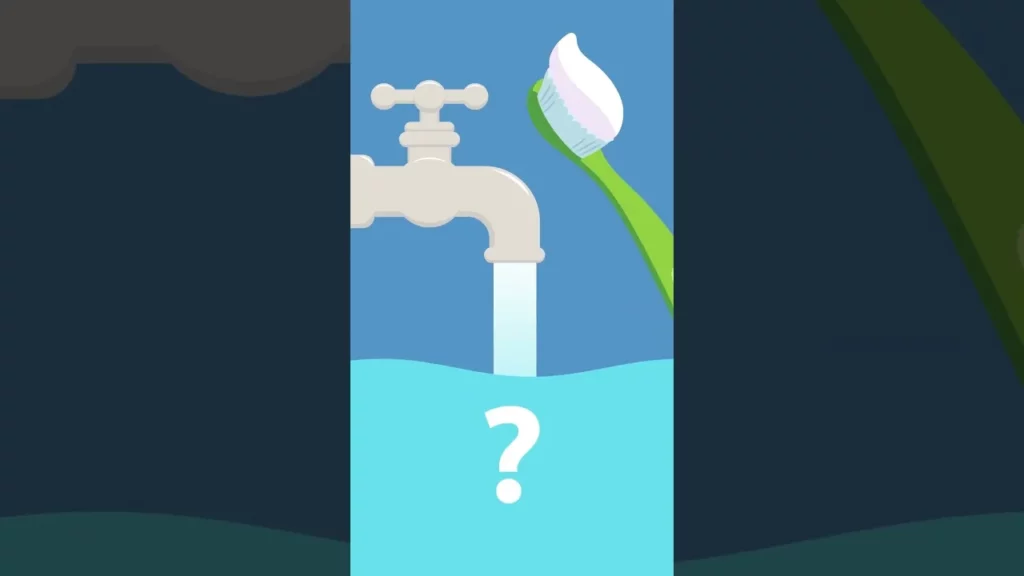
The lesson emphasizes the importance of saving water for all living beings and provides practical tips to do so. Simple actions like taking shorter showers, turning off the faucet while brushing teeth, and fixing dripping taps can significantly reduce water waste. By adopting these habits, everyone can contribute to preserving this vital resource and help protect the planet.
TERRESTRIAL AND AQUATIC HABITATS for Kids???????? Deserts, Jungles, Rivers, Oceans and More ???????? Compilation
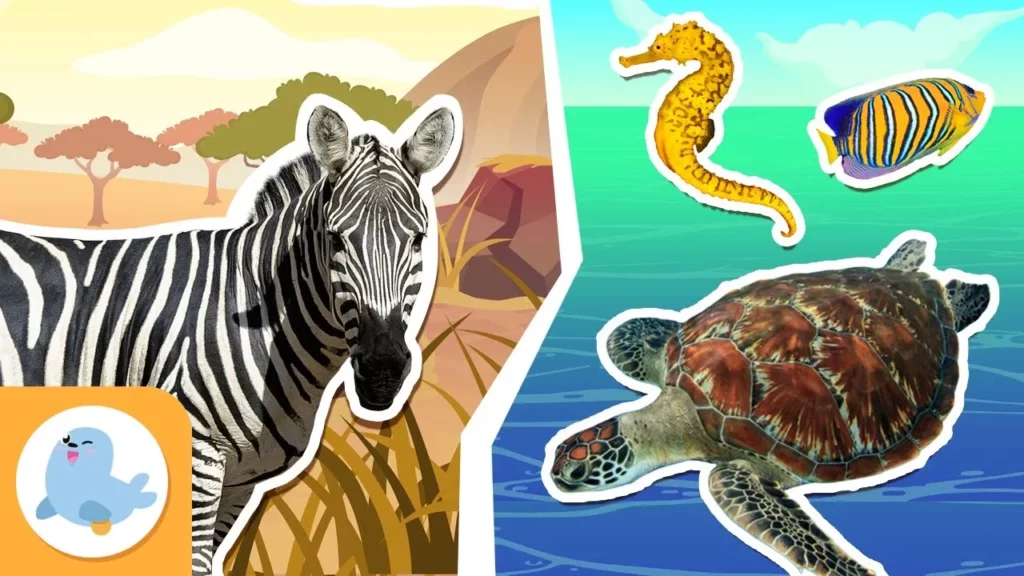
In this lesson, kids explored the concept of habitats, which are essential environments where plants and animals thrive. They learned about two main types of habitats: terrestrial (land) habitats like deserts, jungles, woods, prairies, and savannahs, and aquatic (water) habitats such as rivers, lakes, oceans, and seas, each with unique characteristics and the diverse life forms that inhabit them. The lesson emphasized the importance of these habitats in providing the necessary resources for survival and encouraged continued exploration of the natural world.
Tyrannosaurus Rex ???? The Dinosaurs of Smile and Learn ????
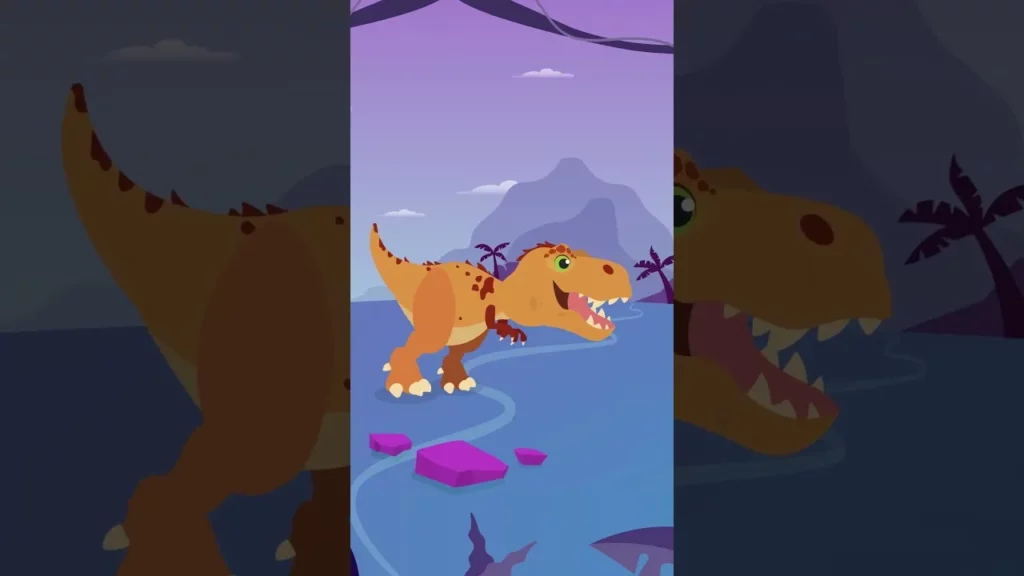
The lesson introduces the Tyrannosaurus Rex (T-Rex), a famous dinosaur known for its large size and fierce appearance. It highlights interesting features of the T-Rex, such as its 60 sharp teeth and tiny hands, while emphasizing its ability to walk quickly despite not being able to run. The lesson encourages a positive attitude towards learning about dinosaurs, reminding us that they can be both fascinating and fun to study.
Life on Land ???? SDG 15 ???? Sustainable Development Goals for Kids
In this lesson, we explored Sustainable Development Goal 15: Life on Land, focusing on the importance of ecosystems, particularly forests, which are vital for both wildlife and human communities. We discussed the challenges facing these ecosystems, such as deforestation and threats to biodiversity, and emphasized the role individuals can play in protecting the environment. By respecting nature and taking action, everyone can contribute to preserving our planet’s precious habitats.
What is Programming? ???? Smile and Learn ????
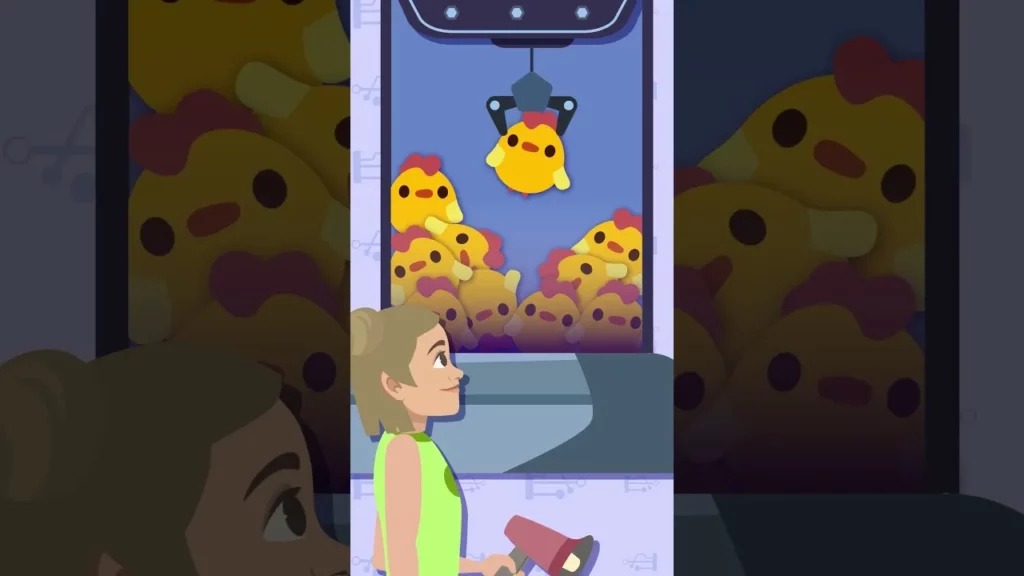
The lesson introduces the concept of programming as the essential language that enables machines, like computers and phones, to understand and execute human instructions. It explains that programming languages consist of specific codes that allow programmers to create software, including video games, highlighting the role of programming in making technology function seamlessly. Overall, it emphasizes the importance and magic of programming in our daily lives.
Spot the Different Flag! ???????? Learn the Flags of EUROPE ???????? Compilation
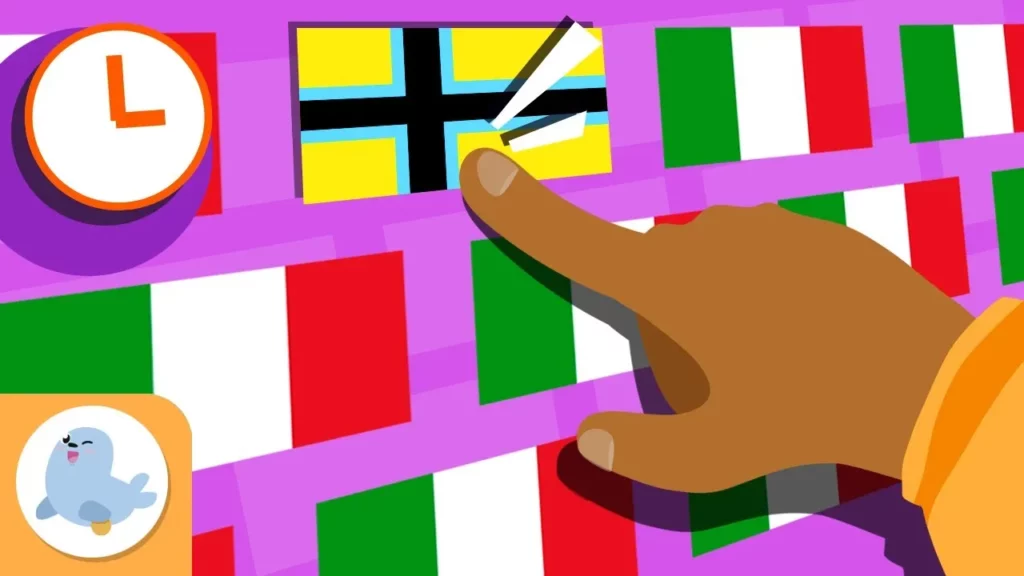
In this engaging lesson, participants are challenged to identify the different flag among a set of images across ten levels, each with a time limit of 15 seconds. As they progress, the difficulty increases, encouraging keen observation and quick thinking. Additionally, learners discover interesting facts about European flags, enhancing their knowledge of the unique stories and symbols represented by each country’s flag.
Take Care of the Environment with Smile and Learn! ???? Will You Join Us on Our Mission? ????
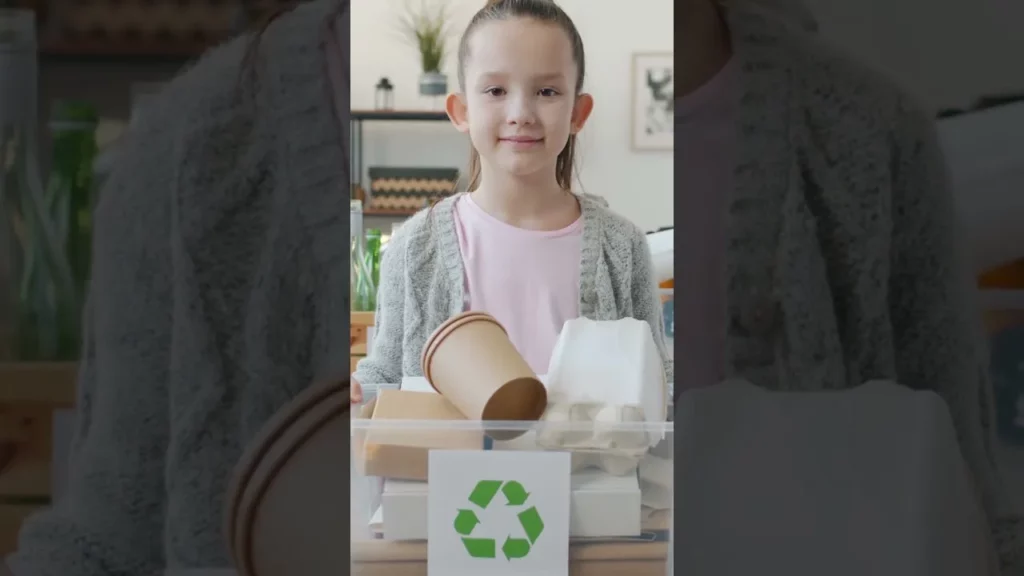
In this lesson, kids are encouraged to become “Earth heroes” by adopting simple and fun practices to protect the environment. Key actions include using reusable bags, saving energy, choosing organic containers, recycling, reusing paper, picking up litter, and respecting nature, all aimed at fostering a cleaner and healthier planet. By participating in these activities, children can contribute positively to their surroundings while learning the importance of environmental stewardship.
FOOD CHAINS for Kids ???? Green and Brown ???? Episode 3
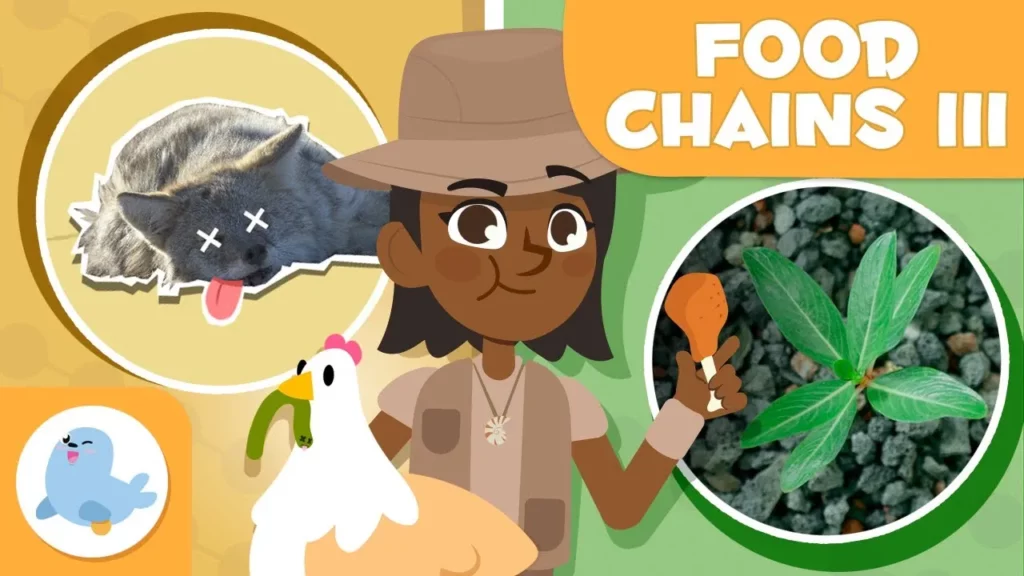
In this lesson, kids learn about food chains, which illustrate how living things are interconnected through what they eat. The lesson distinguishes between green food chains, which begin with living plants (producers), and brown food chains, which start with dead matter (detritus) and highlight the importance of both types in maintaining ecological balance. By understanding these concepts, children gain insight into the natural cycles of life and the food we consume.
Triceratops: The Friendly, Herbivorous Dinosaur ????
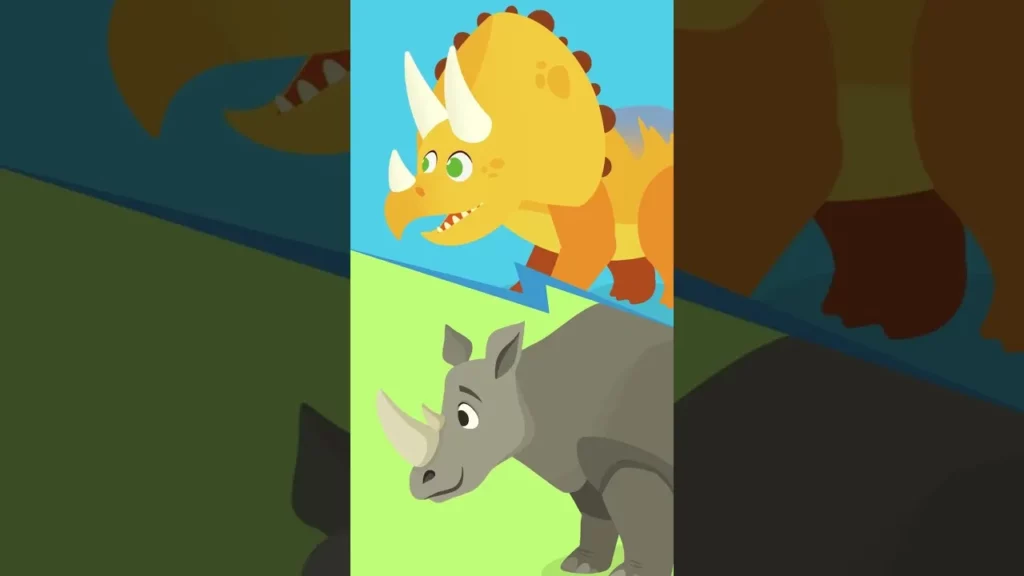
The lesson introduces the Triceratops, a gentle, plant-eating dinosaur known for its distinctive three horns and large frill, which provided protection. It highlights the Triceratops’ similarities to modern rhinos, emphasizing its calm nature and herbivorous diet. Fun facts about its size and historical significance enhance the understanding of this fascinating creature that lived long before humans.
Short and Long Vowel Sounds ????♀️ GRAMMAR and SPELLING for Kids ???? Superlexia ⭐ Episode 1
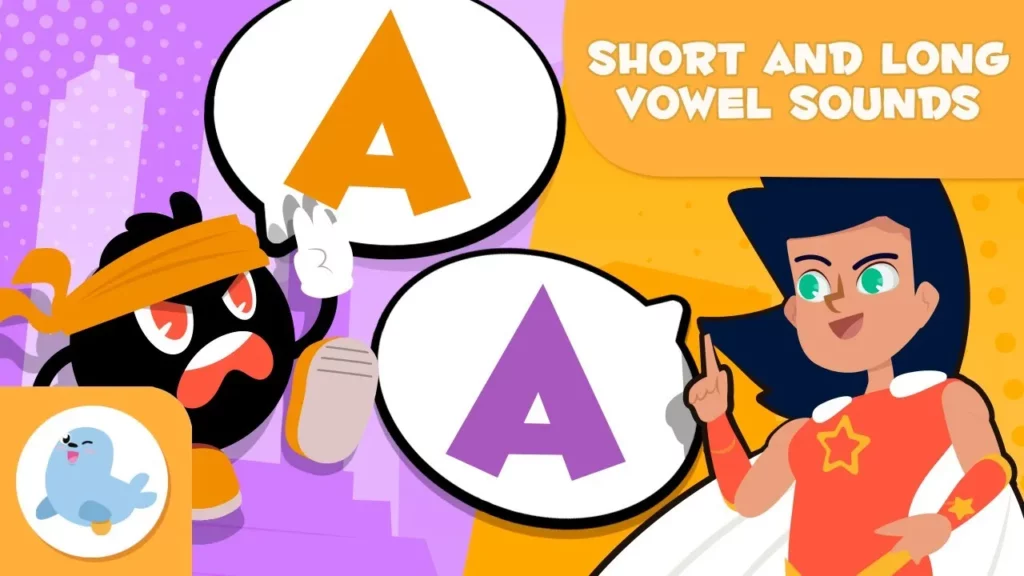
In this lesson, SuperLexia introduces the concept of short and long vowel sounds, explaining that each vowel (A, E, I, O, U) has both a quick, short sound and a longer sound that resembles the vowel’s name. Through examples and practice words, learners are encouraged to identify these sounds, enhancing their spelling and language skills. The lesson concludes with an invitation to continue exploring more educational content.