
What is ECHO? ???? Smile and Learn ????
In this lesson, students learn about echoes, which occur when sound waves bounce off surfaces like walls or mountains and return to the listener. The lesson explains how echoes work, where they can be found, and encourages students to conduct a fun experiment to experience echoes firsthand. Ultimately, it highlights the joy of exploring sound and the natural world.
PLURAL NOUNS ????♀️ Grammar and Spelling for Kids ???? Superlexia ⭐ Episode 4
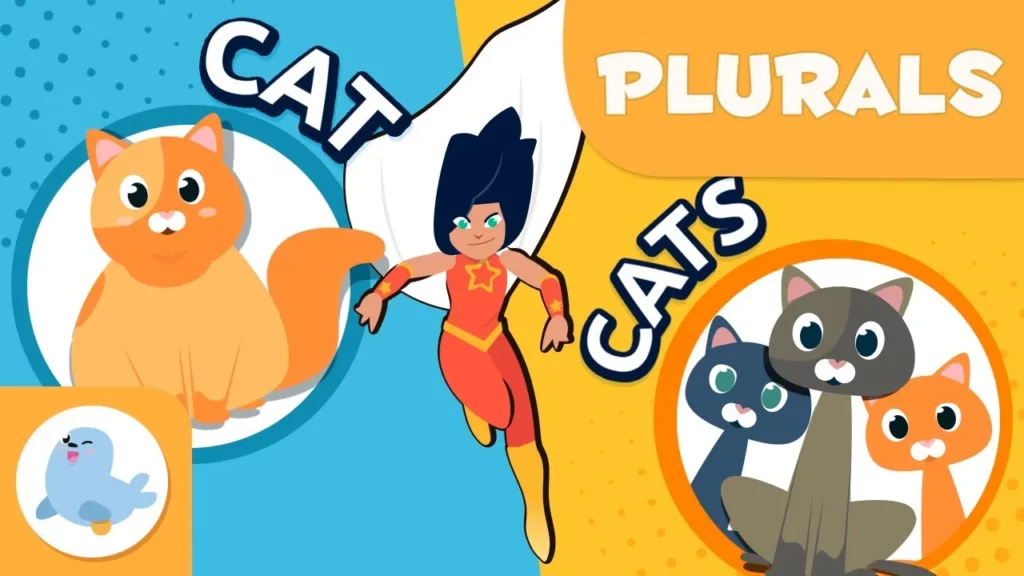
In this lesson, SuperLexia introduces the concept of plural nouns, explaining that they refer to more than one person, place, thing, animal, or idea. The lesson covers the basic rule of adding “s” to make nouns plural, as well as special cases where “es” is added for words ending in “s,” “ch,” “sh,” “x,” or “z,” and the rules for words ending in “y.” Students are encouraged to practice forming plural nouns as a fun way to reinforce their understanding of the topic.
Viruses and How to Protect Ourselves from Them ????

This lesson explains that viruses are non-living infectious agents that require a host to reproduce and can spread through various means, including air and contact with contaminated objects. It highlights the importance of the immune system in defending against viruses and the role of vaccines in preparing the body to fight specific infections. Additionally, it emphasizes healthy habits, such as handwashing and proper nutrition, to strengthen the immune system and prevent illness.
Peace, Justice and Strong Institutions ????️ SDG 16 ????♀️ Sustainable Development Goals for Children
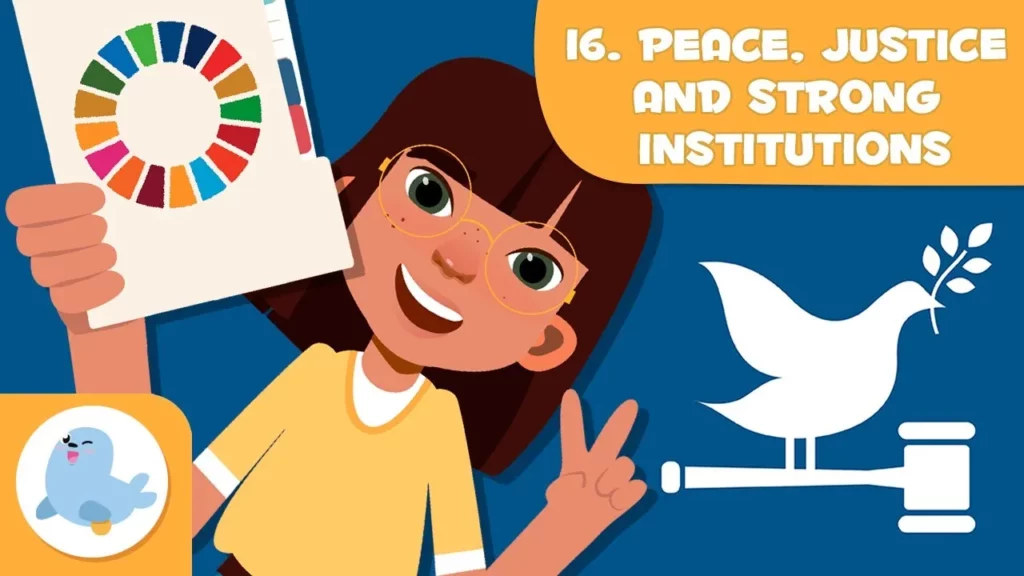
In this lesson, we explored Sustainable Development Goal 16, which emphasizes the importance of peace, justice, and strong institutions in creating a better world. We discussed the meanings of peace as harmonious living, justice as fairness and equal treatment, and the role of strong institutions in maintaining these values. Additionally, we highlighted the challenges faced, such as conflicts affecting children’s education, and encouraged proactive steps individuals can take to promote kindness and fairness in their communities.
Climate vs. Weather: What’s the Difference? ????
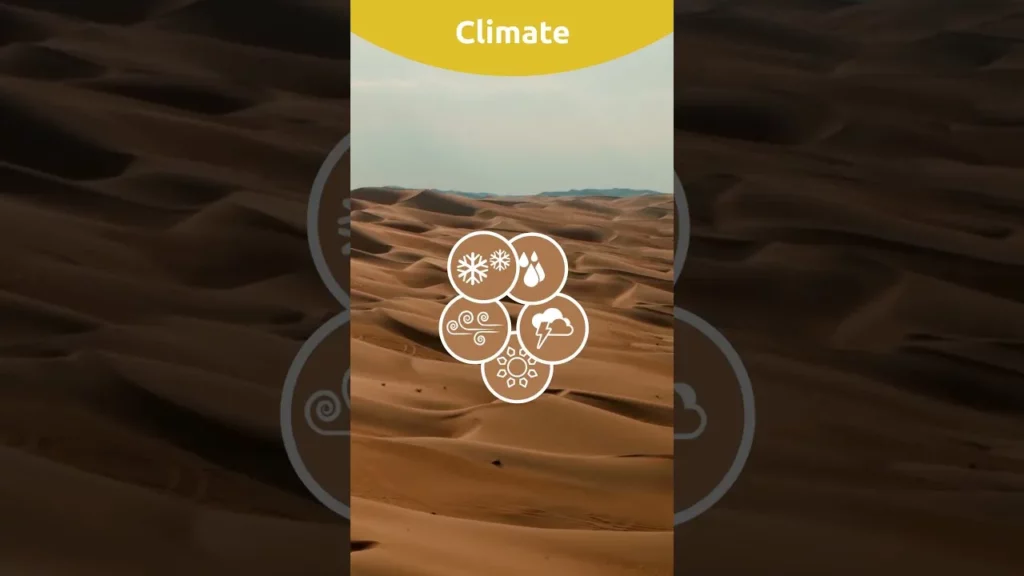
The lesson explains the distinction between weather and climate, highlighting that weather refers to the current atmospheric conditions, such as temperature and precipitation, while climate encompasses the long-term patterns and averages of weather in a specific area. Factors like latitude, altitude, landscape, and proximity to oceans influence a region’s climate. Understanding these differences is crucial for daily planning and for comprehending broader environmental changes.
Partnerships to achieve goals ???? SDG 17 ???? Sustainable Development Goals for Children
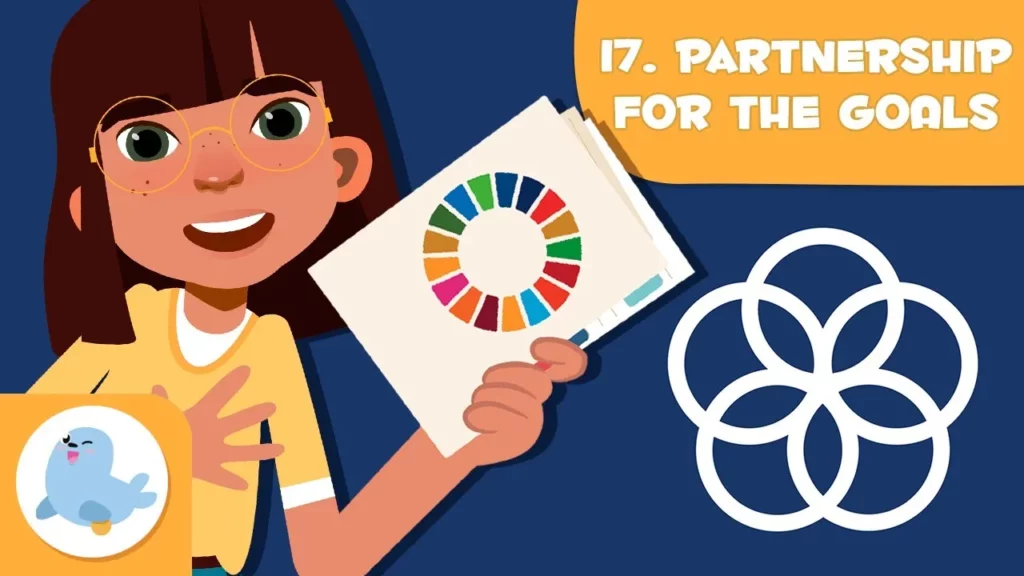
In this lesson, we explored the importance of Sustainable Development Goal 17, which emphasizes the need for partnerships to achieve all the other Sustainable Development Goals (SDGs). By working together—governments, businesses, and individuals can tackle global challenges like climate change and resource sharing, ultimately creating a better world for everyone. The lesson encourages us to join forces and contribute to these efforts for a sustainable future.
Bacteria: Friends and Enemies ????
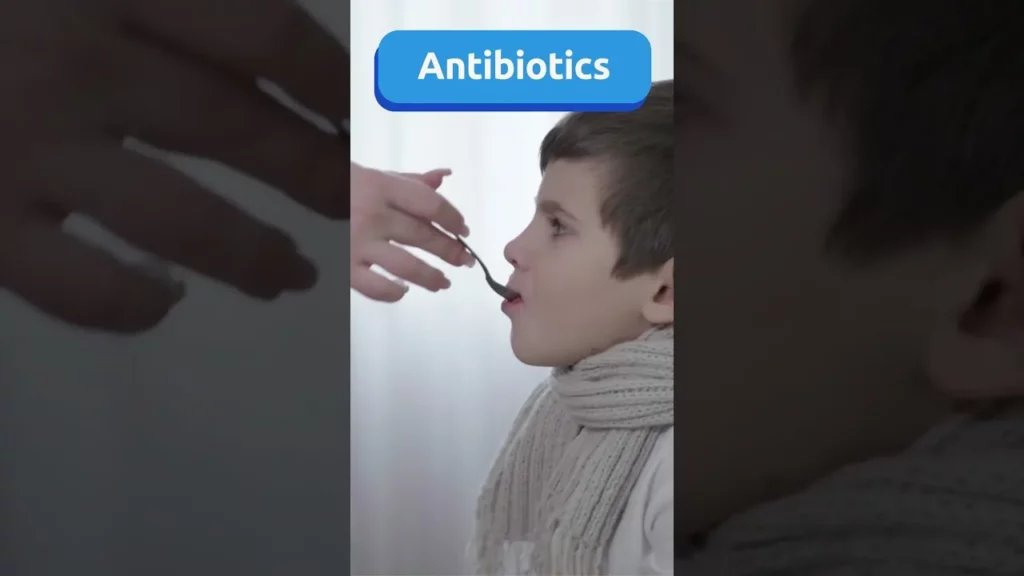
The lesson explores the dual role of bacteria in our lives, highlighting that while some bacteria are harmful pathogens that can cause illnesses, others are beneficial and essential for processes like fermentation in food production and nutrient recycling as decomposers. It also emphasizes the importance of the immune system in defending against harmful bacteria and the use of antibiotics when additional help is needed. Overall, the lesson illustrates the fascinating balance between the friendly and unfriendly aspects of bacteria.
FOOD CHAINS for Kids ????⬅????⬅????⬅???? Definition and classification ???? Compilation
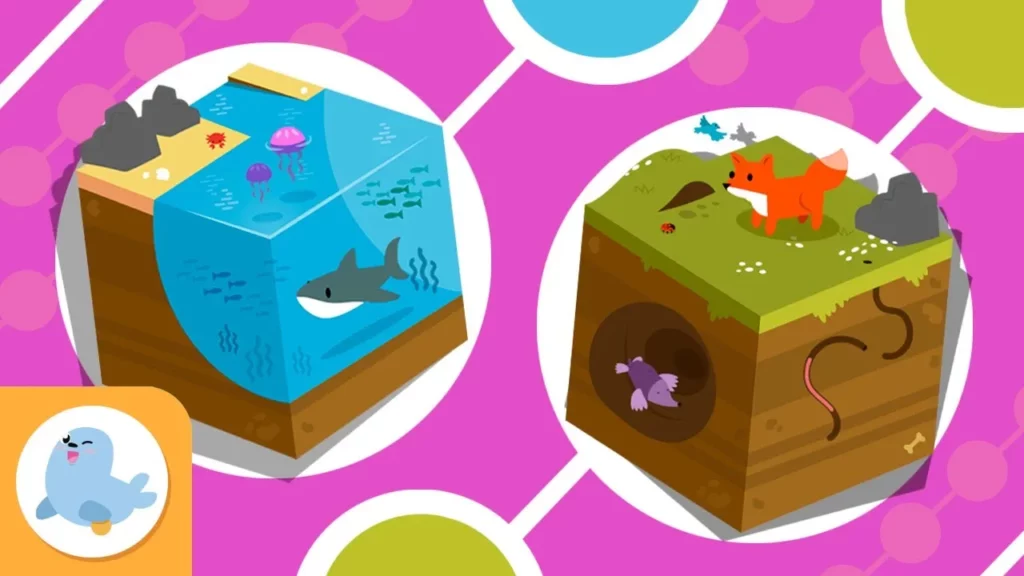
In this lesson, we explored the concept of food chains, which illustrate how energy moves between living organisms through consumption. We learned about different levels within a food chain, including producers, consumers, and decomposers, as well as the distinction between terrestrial and aquatic food chains. The lesson emphasized the interconnectedness of life and the importance of food chains in understanding ecosystems.
THE ROMAN EMPIRE ???? ????
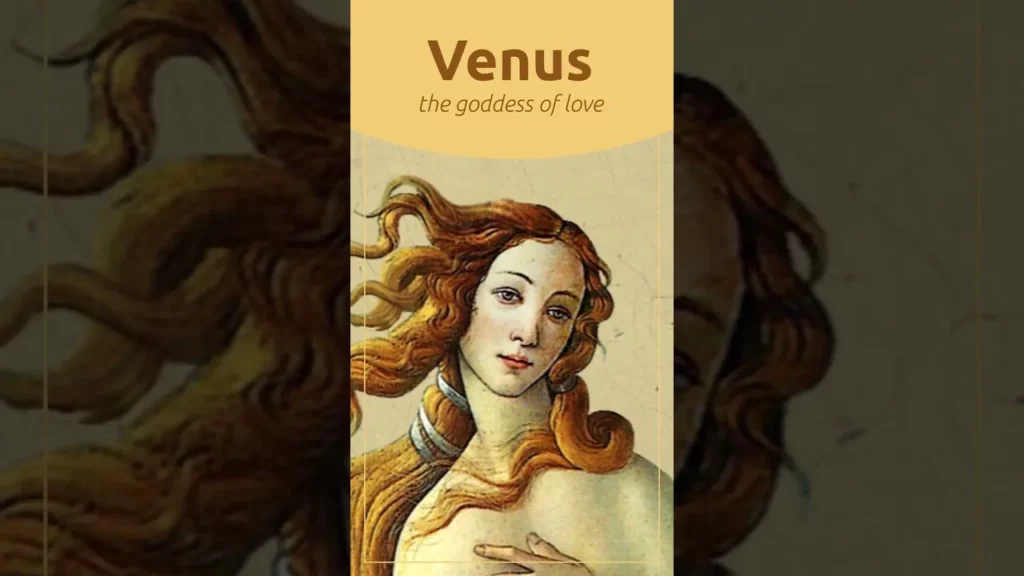
The lesson on the Roman Empire explores the rich history and significant contributions of Ancient Rome, founded over 2,800 years ago along the Tiber River. It highlights the polytheistic beliefs of the Romans, their remarkable engineering achievements such as aqueducts and roads, and their enduring influence on modern society, including political systems and cultural practices. Additionally, it touches on the entertainment of gladiator games and the Romans’ love for writing, showcasing the multifaceted nature of this ancient civilization.
RAIN GAUGES and HYGROMETERS ????????️ Weather Instruments for Kids???? Episode 1
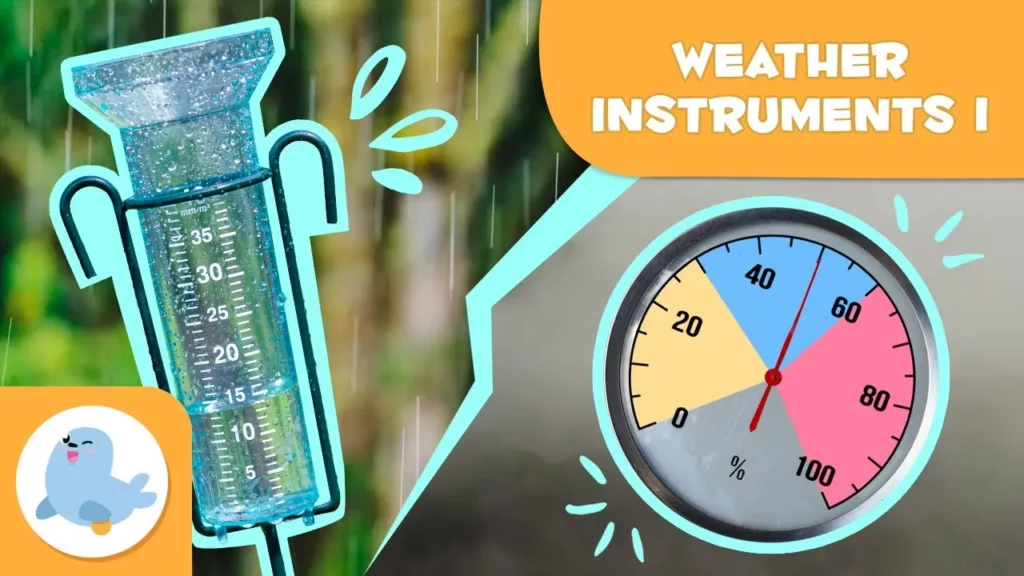
In this lesson, we explored two important weather instruments: rain gauges and hygrometers. A rain gauge measures the amount of precipitation, helping meteorologists predict events like floods or droughts, while a hygrometer measures humidity levels in the air, indicating how much water vapor is present. Understanding these tools enhances our ability to comprehend weather patterns and their implications for the environment.