
How Scientists Stopped Light

In a groundbreaking discovery, scientists from the University of Darmstadt in Germany successfully trapped light inside a crystal for one minute, utilizing a technique that involved manipulating the crystal’s atoms into a state of quantum superposition. This ability to control light could pave the way for advancements in quantum computing, allowing for faster data processing and storage by enabling the simultaneous representation of multiple states. Ultimately, this research highlights the potential of light as a transformative element in the future of technology.
The Extreme Physics Pushing Moore’s Law to the Next Level
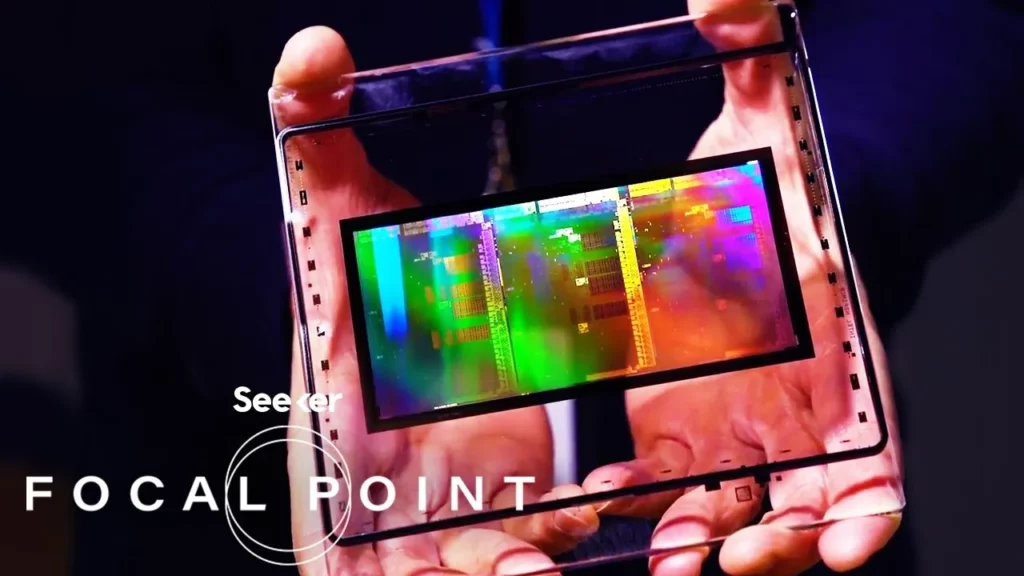
This lesson explores the intricate world of semiconductor manufacturing, highlighting the advanced technologies and engineering processes that drive innovation in electronics. It discusses the evolution of integrated circuits, the significance of Moore’s Law in chip design, and the critical role of photolithography and Extreme Ultraviolet Lithography in producing increasingly powerful chips. As the industry faces new challenges and demands for faster technology, the future promises exciting opportunities for continued advancement.
How To Trick Your Body To Be A Morning Person

This lesson explores the concept of the body’s internal clock, or circadian rhythm, and how genetics influence whether someone is a morning person or a night owl. It highlights the role of the “Period 1” gene in determining sleep patterns and offers practical tips for adjusting one’s sleep schedule to become a morning person, such as gradually changing wake-up times and incorporating natural light into the morning routine. Additionally, it emphasizes the impact of modern lifestyles on sleep and the potential benefits of aligning with one’s natural preferences.
Does Recycling Actually Help?
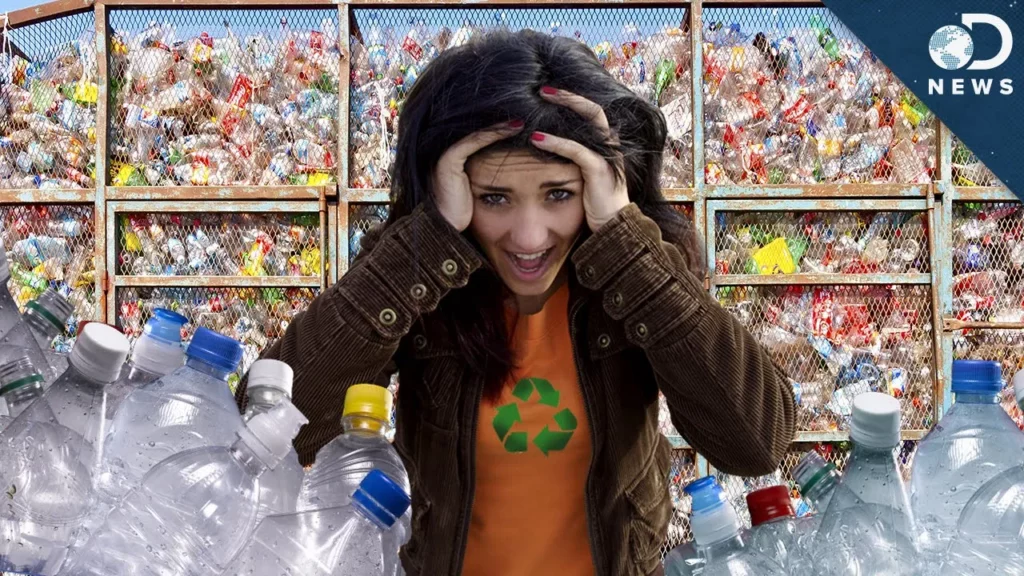
The lesson emphasizes the significant impact of recycling plastic bottles, highlighting that even one bottle can contribute to a larger environmental issue. With approximately 52.77 billion plastic bottles used annually in the U.S., a mere 38 are recycled per person, leading to over 40 billion bottles ending up in landfills. By recycling, we can conserve resources, reduce landfill space, and make a meaningful difference in addressing plastic waste.
Why Can’t We Reverse Nerve Damage?
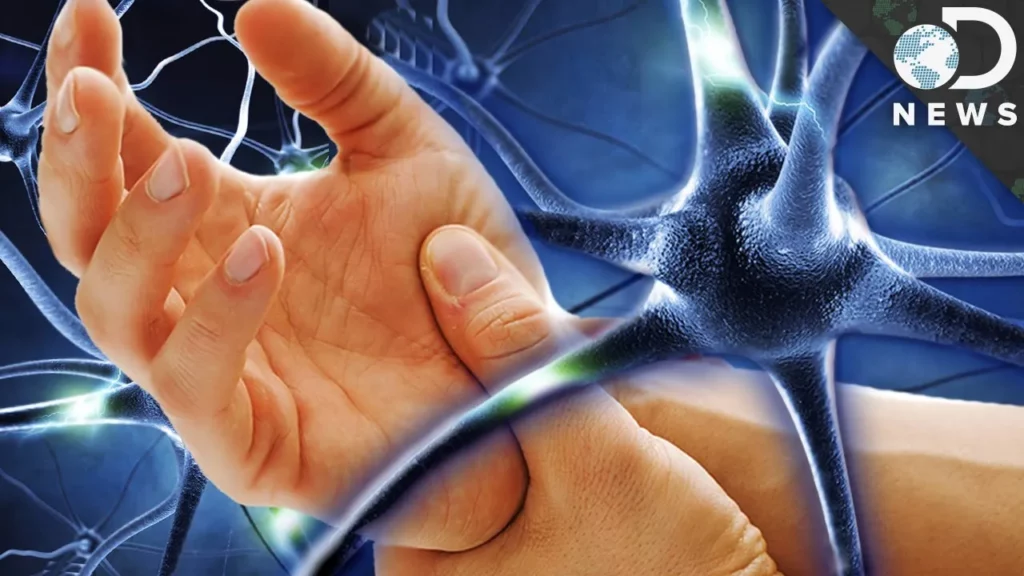
The lesson explores the complexities of nerve damage and the significant challenges associated with repairing the nervous system, particularly after spinal cord injuries. While the body has remarkable healing capabilities for other tissues, nerve cells are highly specialized and difficult to regenerate, especially in the central nervous system (CNS), where inhibitory proteins and a lack of supportive cells hinder recovery. Current research is focused on innovative therapies, including stem cell treatments and techniques to enhance nerve regeneration, but effective solutions remain elusive.
The Best Way to Convince Someone They’re Wrong

In this lesson, Lacy Green and Dr. Karen Bondar explore the effectiveness of visual aids in changing people’s beliefs during arguments, particularly in political debates. Research shows that while spoken or written information often leads to skepticism, presenting facts through charts and graphs significantly increases acceptance, as our brains are better equipped to process visual data. The lesson encourages using visuals as a strategy to enhance persuasive communication in discussions.
What Causes Charley Horses & How Can You Avoid Them?
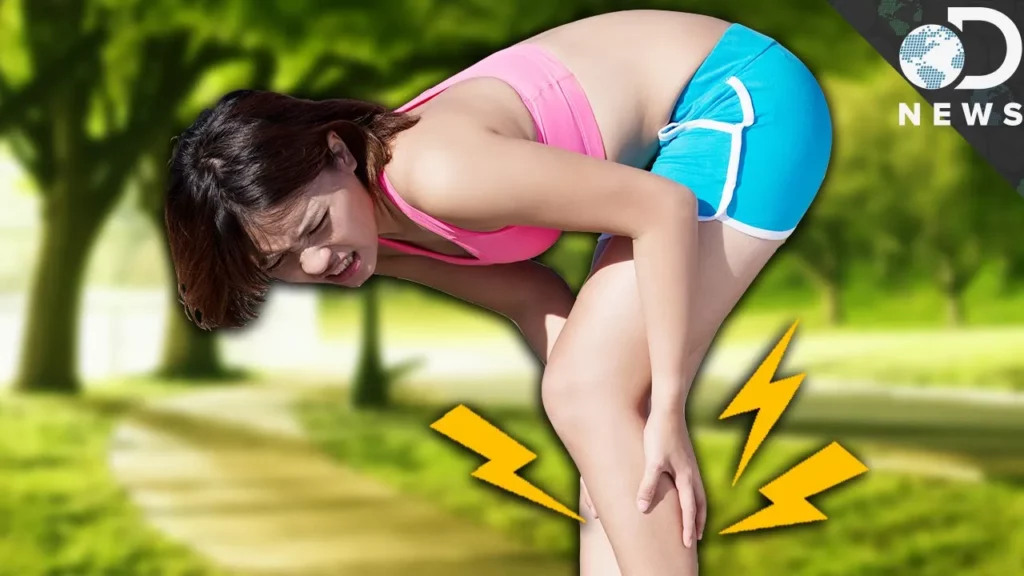
This lesson explores nighttime leg cramps, commonly known as “charley horses,” which are sudden muscle contractions that can cause significant discomfort. While the exact causes remain unclear, factors such as muscle fatigue, prolonged sitting, and dehydration are potential triggers, with electrolytes like potassium and magnesium playing a crucial role in muscle function. Relief methods include warm baths, gentle massages, and stretching, while the term “charley horse” has an intriguing history linked to 19th-century baseball.
Does This Discovery Prove There’s Another Universe?
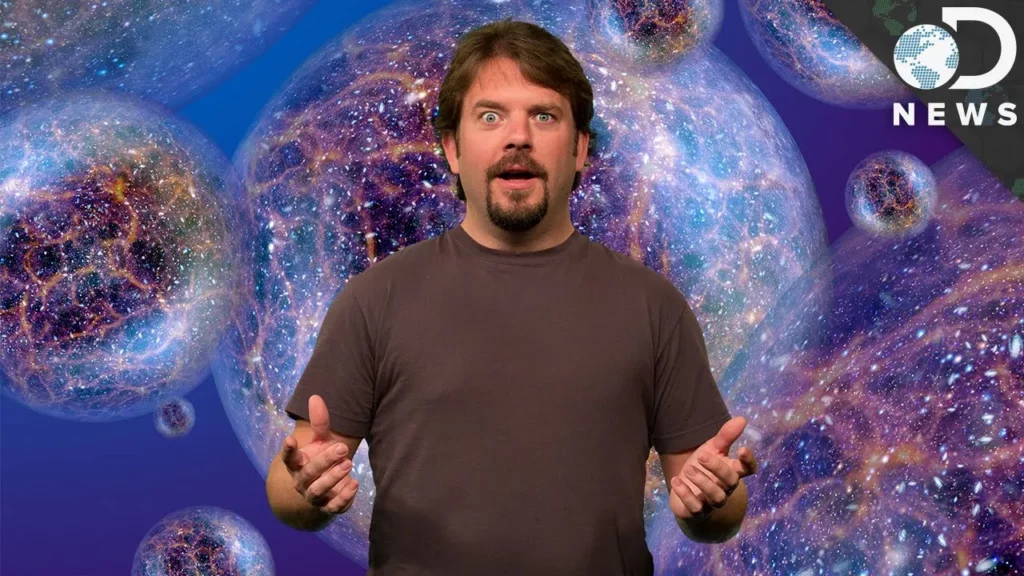
The lesson explores the enigmatic “Cold Spot” in the Cosmic Microwave Background (CMB), a significant anomaly at the edge of our observable universe that may indicate the presence of a massive void or even interaction with another universe. While recent data from the Planck mission has raised questions about the Cold Spot’s origins, theories range from it being a result of cosmic structures to supporting the multiverse hypothesis. The ongoing investigation into this cosmic mystery highlights the complexities of understanding the universe’s formation and the nature of space-time.
Why Do Arteries Get Clogged? It’s Not What You Think
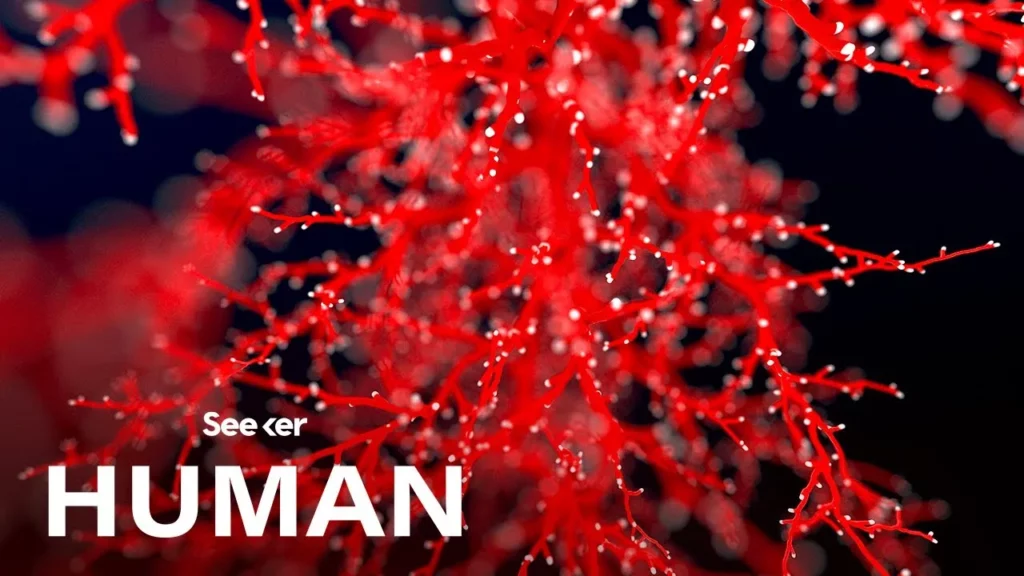
This lesson explores cardiovascular disease, highlighting its complexity beyond the common perception of “clogged arteries” linked solely to diet. It details the structure and function of the cardiovascular system, particularly the role of arteries in blood circulation, and explains how factors like smoking and high blood pressure contribute to arteriosclerosis. Emphasizing the importance of prevention, the lesson advocates for regular exercise as a key strategy to maintain cardiovascular health and reduce the risk of heart-related conditions.
Why You Should Be Friends With People Who Curse

The lesson explores the intriguing connection between swearing and honesty, highlighting research that suggests individuals who swear more frequently may be more truthful. Studies indicate that swearing can serve as a form of self-expression, with findings showing that those who use profanity often score higher on honesty assessments. While the results are compelling, the lesson also emphasizes the importance of context and raises questions about the ethics of lying.