
EMOTIONS for Kids ???? HAPPINESS ???? ANGER ???? SADNESS ???? FEAR ???? SURPRISE.. ???? Compilation
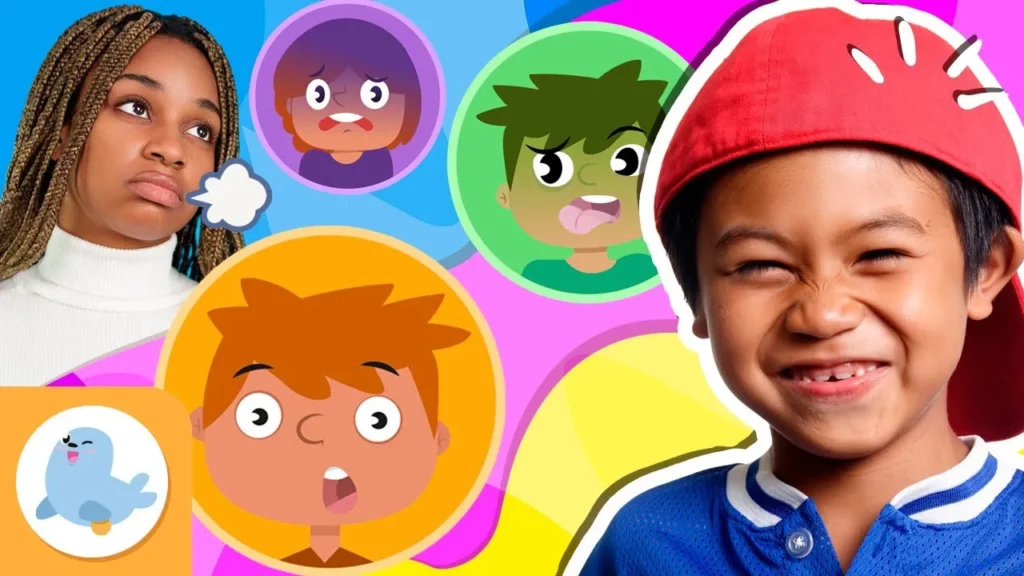
In today’s lesson, we explored the various emotions we experience, such as happiness, anger, sadness, fear, surprise, embarrassment, boredom, and nervousness. We learned that emotions are natural responses to our surroundings and play a crucial role in helping us understand ourselves and others. It’s important to recognize and manage our feelings, as they can change quickly and influence our interactions with the world.
EMPATHY: Understanding Others ????
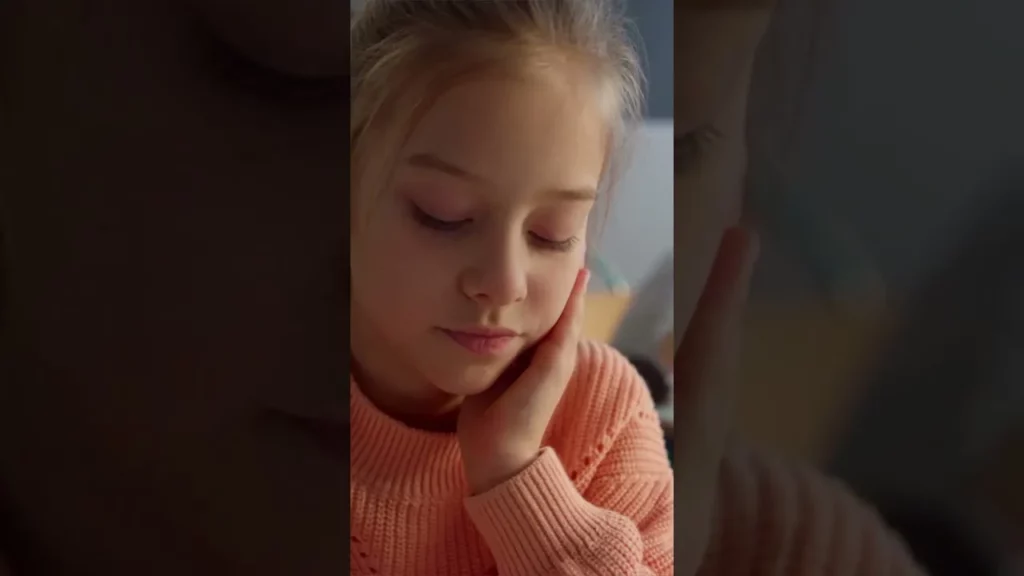
The lesson on empathy emphasizes the importance of understanding and sharing the feelings of others by putting ourselves in their shoes. It outlines a simple three-step process to practice empathy: observing others’ emotions, imagining how we would feel in their situation, and reaching out to offer support. By cultivating empathy, we can strengthen friendships, provide meaningful support, and enhance our own emotional well-being.
RESTAURANT ???????? Vocabulary for Kids ???????? Episode 1
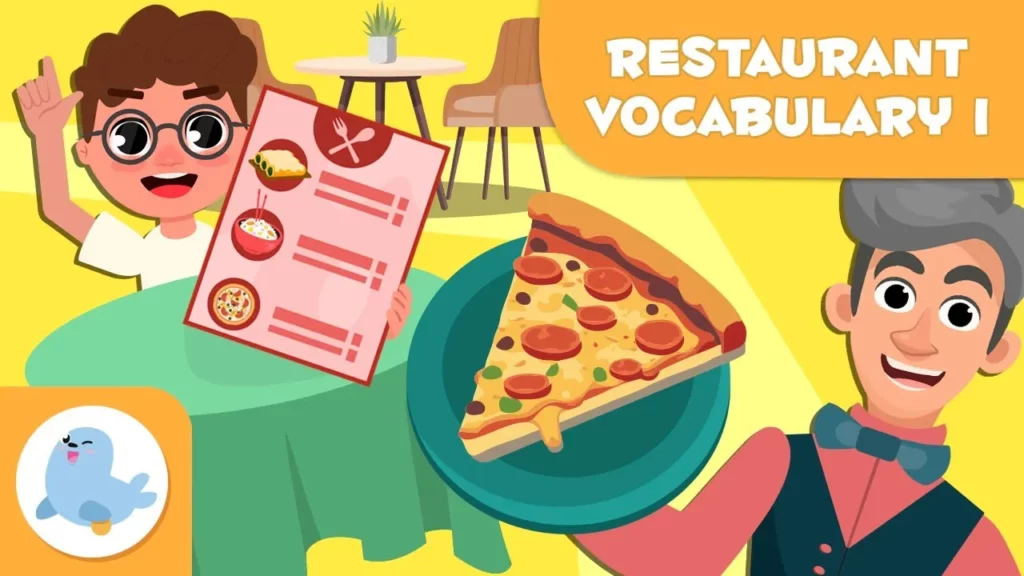
In today’s lesson, we embarked on a fun restaurant adventure to learn new vocabulary related to dining out. We explored important terms such as “reservation,” “waiter,” “menu,” “order,” “serve,” “drink,” and “cook,” while practicing their pronunciation and understanding their meanings. Thank you for joining us, and we look forward to more exciting learning experiences in the future!
Respect and Privacy on the Internet ????????
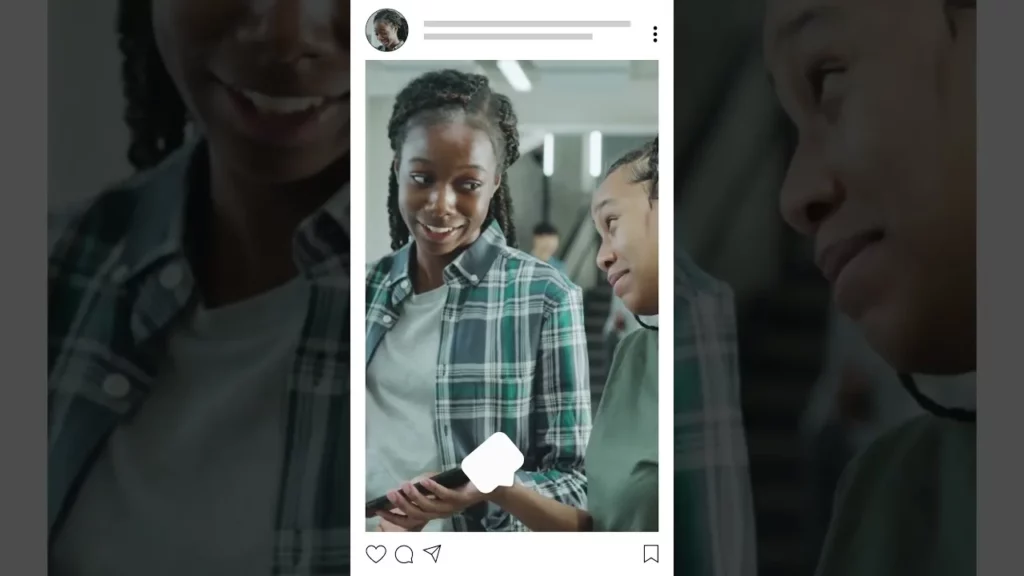
The lesson on “Respect and Privacy on the Internet” emphasizes the importance of safeguarding personal information and respecting others’ privacy online. It encourages individuals to seek permission before sharing others’ content, communicate their preferences regarding their own information, and handle any privacy breaches calmly and constructively. Overall, the lesson promotes a culture of respect and understanding in digital interactions.
SUSTAINABLE DEVELOPMENT GOALS ???????? What are the SDGs? ???????? Compilation
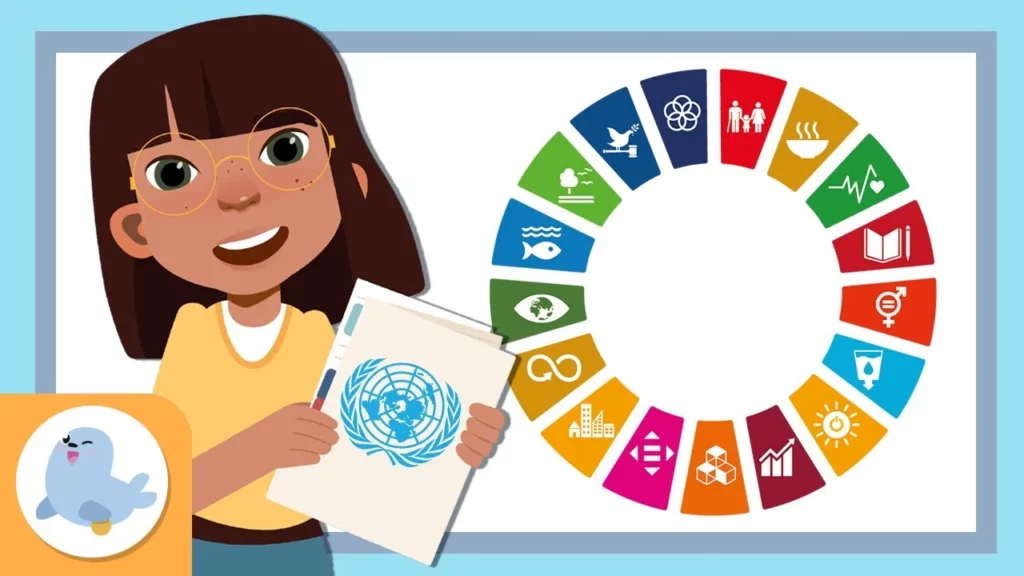
The lesson on Sustainable Development Goals (SDGs) introduces a set of 17 global priorities established by the United Nations aimed at creating a better world by 2030, focusing on ending poverty, protecting the planet, and promoting prosperity for all. It emphasizes the importance of individual contributions to these goals through sustainable practices and highlights specific areas such as health, education, gender equality, and climate action. By fostering awareness and encouraging small actions, the lesson aims to inspire collective efforts towards achieving these critical objectives for a sustainable future.
Sea Sponges: The Most Mysterious Animals in the Ocean ????
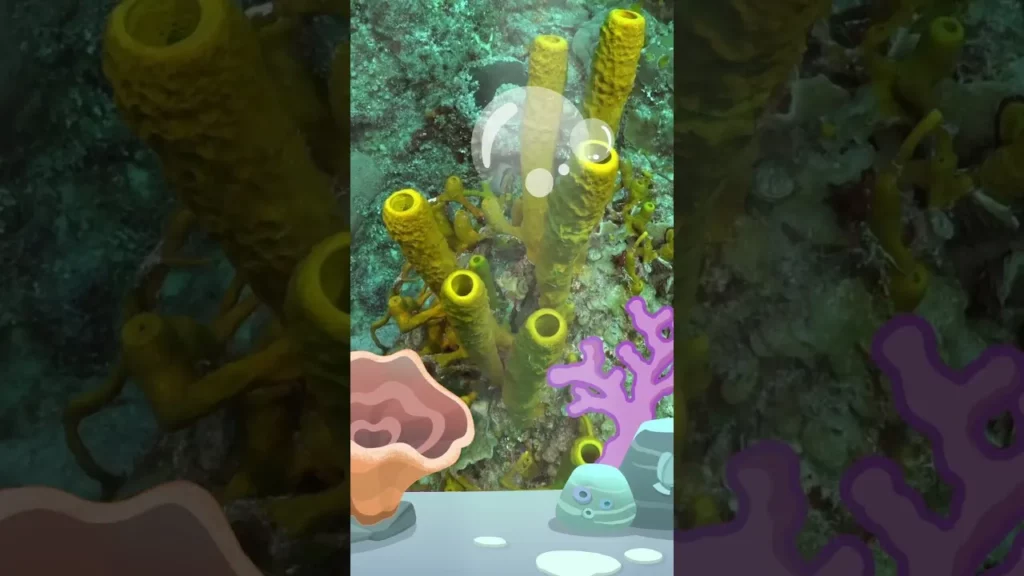
Sea sponges are unique ocean-dwelling animals that resemble plants due to their stationary nature and porous bodies. They feed by filtering water through their pores to capture tiny food particles, and they come in various shapes, sizes, and colors. Additionally, sea sponges have practical uses for humans, such as in bathing, and they play a vital role in maintaining ocean health by filtering water.
THE FOREST ???? Vocabulary for Kids ???? Episode 1
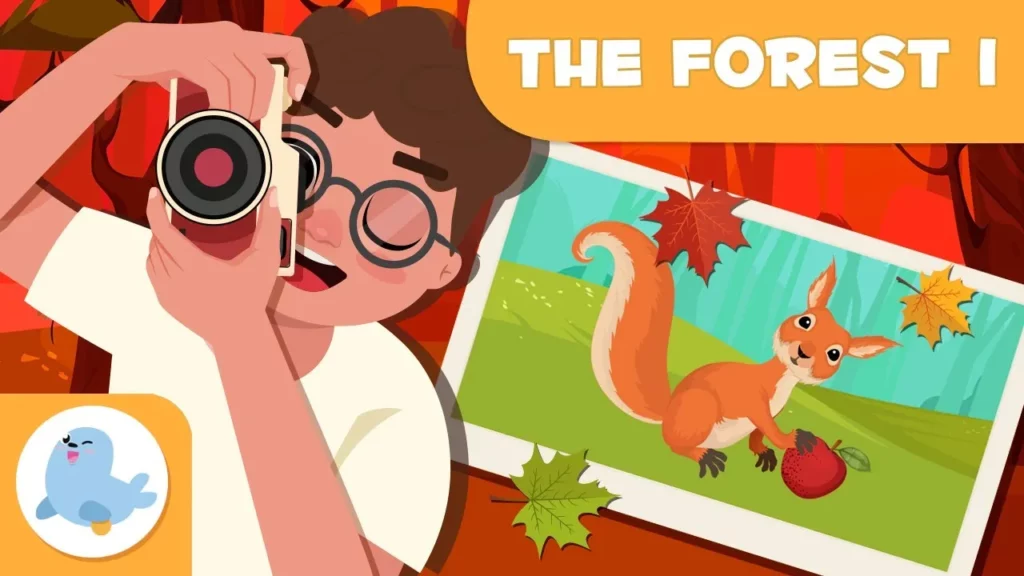
In today’s lesson, “The Forest Adventure,” we explored the forest and learned about various elements of nature, including trees, leaves, branches, trunks, flowers, fruits, and animals like squirrels and rabbits. We also discovered features of the forest such as rivers and stones, while practicing new vocabulary. The lesson emphasized the joy of learning about the natural world and encouraged continued exploration and fun.
Travel to Prehistory! ????️ The Paleolithic, Neolithic and Metal Ages
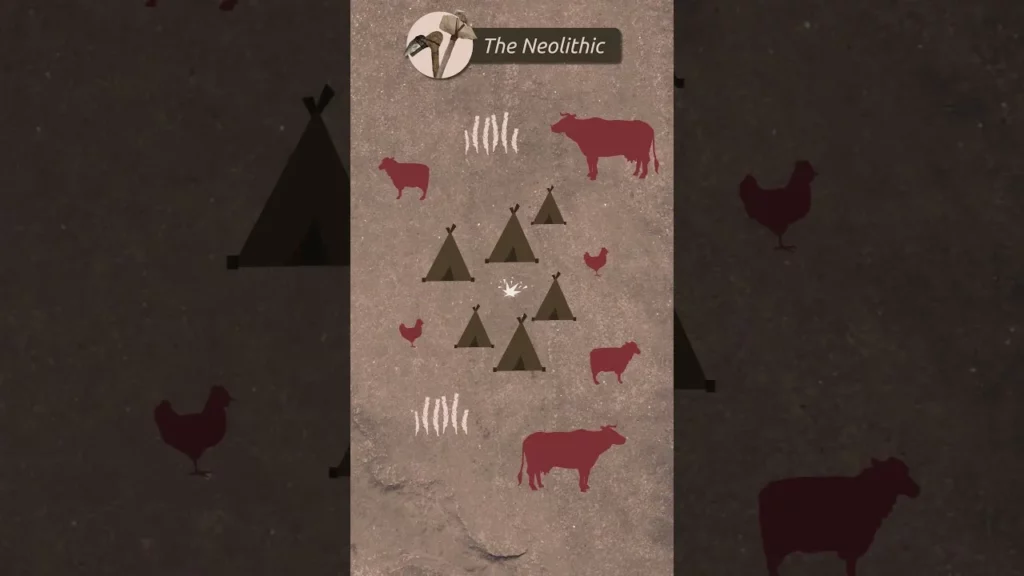
The lesson explores the fascinating journey through prehistory, divided into three key periods: the Paleolithic, Neolithic, and the Age of Metals. It highlights the nomadic lifestyle of early humans in the Paleolithic period, the agricultural advancements and village life of the Neolithic period, and the technological innovations brought about by metalworking in the Age of Metals. Each period marks significant developments that shaped human survival and societal progress.
EVERYDAY CONTRACTIONS ????♀️ SPELLING AND GRAMMAR for Kids ???? Superlexia⭐ Episode 7
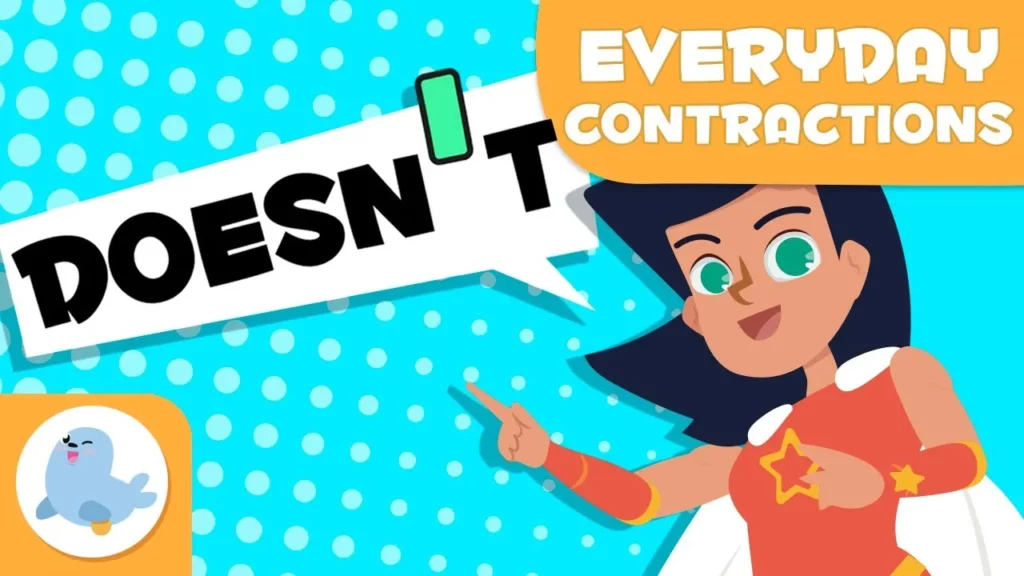
In this lesson, SuperLexia introduces kids to contractions, explaining that they are formed by combining two words into a shorter form using an apostrophe. Through a catchy rhyme and examples, children learn how to create contractions like “don’t” from “do not” and “can’t” from “cannot.” The lesson encourages practice and further exploration of language, promoting a fun and engaging approach to spelling and grammar.
The Immune System and Vaccines: Defenders of the Body! ????️
The lesson explains the role of the immune system as the body’s defense mechanism against germs like viruses and bacteria, likening it to a superhero team that works to keep you healthy. It highlights how vaccines serve as training tools for the immune system, enabling it to recognize and combat specific germs more effectively, ultimately helping to prevent illnesses and contributing to the eradication of certain diseases. Together, the immune system and vaccines play a crucial role in maintaining health and well-being.