
RESTAURANT ???????? Vocabulary for Kids ???????? Episode 2
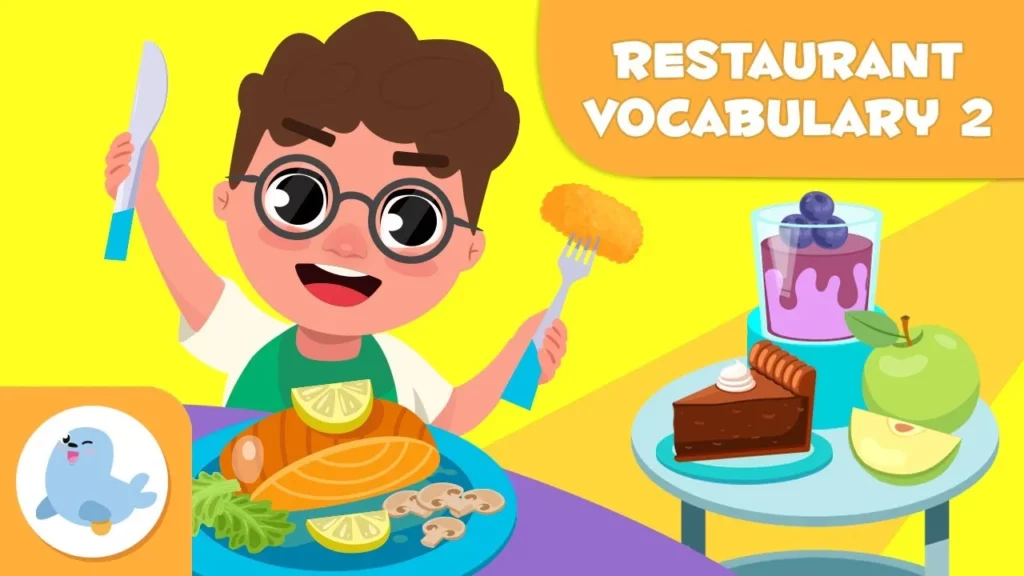
In today’s lesson, we explored the different parts of a restaurant meal, including starters, main courses, and desserts, while learning key vocabulary such as “check,” “pay,” “tip,” and “takeout.” We practiced saying these words together and reviewed them at the end, reinforcing our understanding of dining experiences. Thank you for joining this fun restaurant adventure!
Tips for a Healthy Diet ????
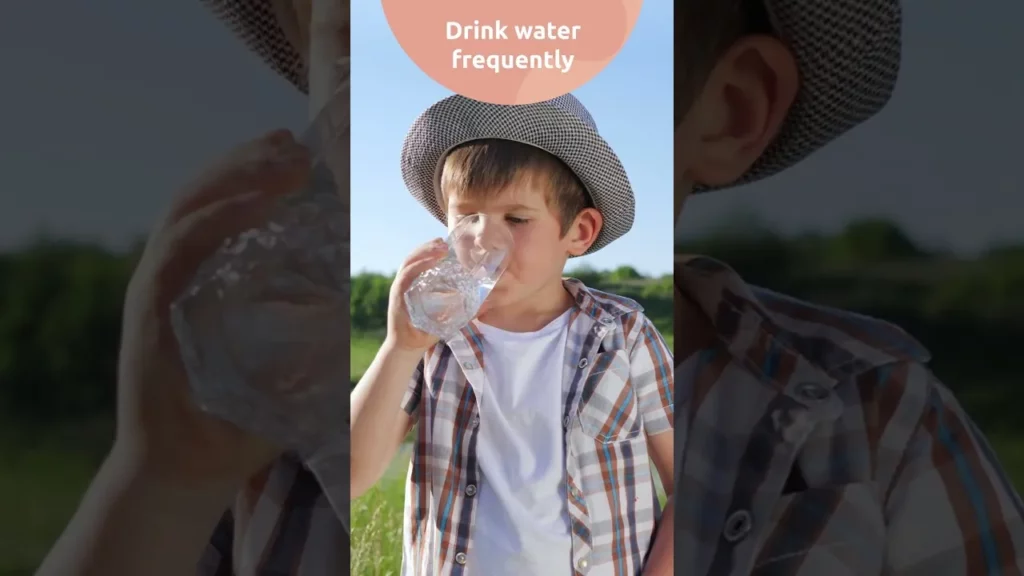
This lesson emphasizes the importance of a balanced and varied diet, encouraging the consumption of a wide range of colorful foods to ensure adequate nutrient intake. It suggests having four meals a day, staying hydrated with water, and incorporating regular exercise to maintain energy levels and overall health. By following these tips, individuals can promote their well-being and prevent health issues like obesity and diabetes.
THE 1-1-1 RULE ????♀️ SPELLING AND GRAMMAR for Kids ???? Superlexia⭐ Episode 8

In this lesson, SuperLexia introduces the “1-1-1 rule,” a helpful guideline for spelling words correctly when adding suffixes like -ing, -ed, -er, or -est. The rule states that if a word has one syllable, one vowel in the middle, and ends with one consonant, the last consonant should be doubled before adding the suffix. Through engaging examples and practice, children learn to apply this rule to enhance their spelling skills.
Why are BEES so Important? ????
Bees play a crucial role in our ecosystem by pollinating plants, which is essential for the growth of fruits, seeds, and new plants. This process not only supports biodiversity but also ensures the availability of many foods we enjoy, making bees vital for our planet’s health. To protect these important pollinators, we can plant flowers, avoid harmful chemicals, and educate ourselves about their significance.
DIVISIBILITY RULES of the Number 2 ???? Math for Kids ➗

In this lesson, students learn about the divisibility rule for the number 2, which helps determine if a number can be evenly divided by two. By examining the last digit of a number, they can identify whether it is even (divisible by two) or odd (not divisible by two), as demonstrated with the example of 264, which is even and can be divided without any leftovers. The lesson encourages continued exploration and enjoyment in learning math concepts.
Pyramids and Mummies ???????? Learn about Ancient Egypt with Smile and Learn
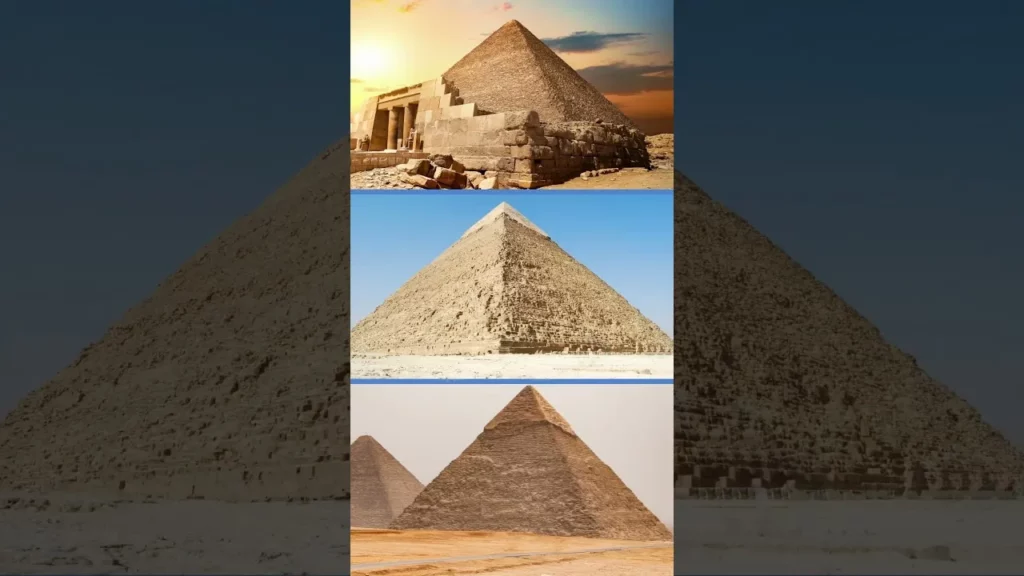
In this lesson, students explore the fascinating world of Ancient Egypt, focusing on the Pyramids of Giza, which served as grand tombs for Pharaohs, and the process of mummification, which preserved bodies for the afterlife. The lesson highlights the intricate design of the pyramids and the beliefs surrounding mummies, including the burial practices and the items placed with them for the next life. Through engaging facts and descriptions, learners are invited to appreciate the wonders and mysteries of this ancient civilization.
DIVISIBILITY RULES of the Number 3 ???? Math for Kids ➗
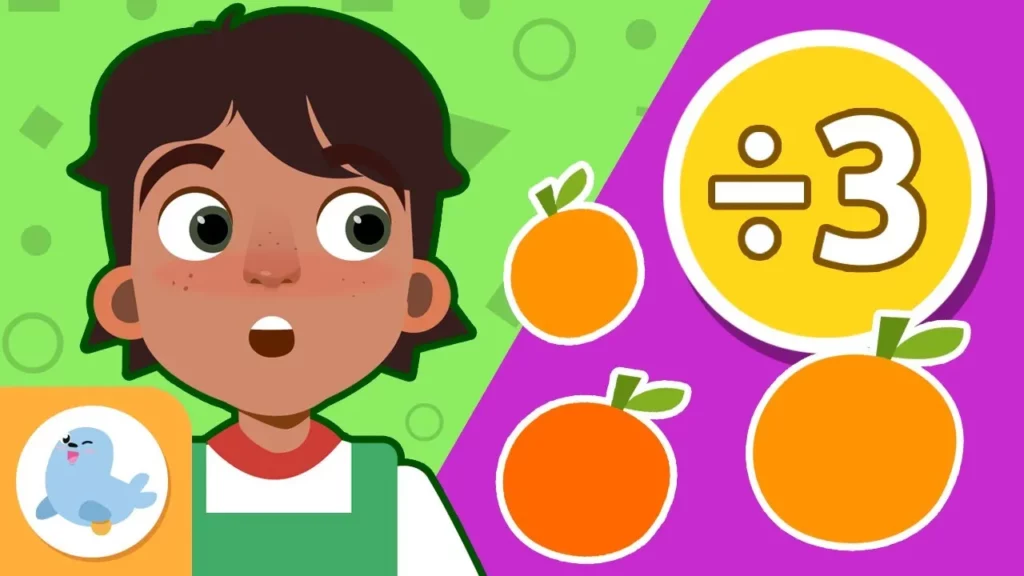
In this lesson, children learn the divisibility rule for the number 3, which involves adding the digits of a number together. If the sum can be divided by three, then the original number is also divisible by three. This fun and engaging method allows kids to handle even large numbers by simplifying them through repeated addition of digits.
The Steam Engine ???? The Industrial Revolution ???? Smile and Learn
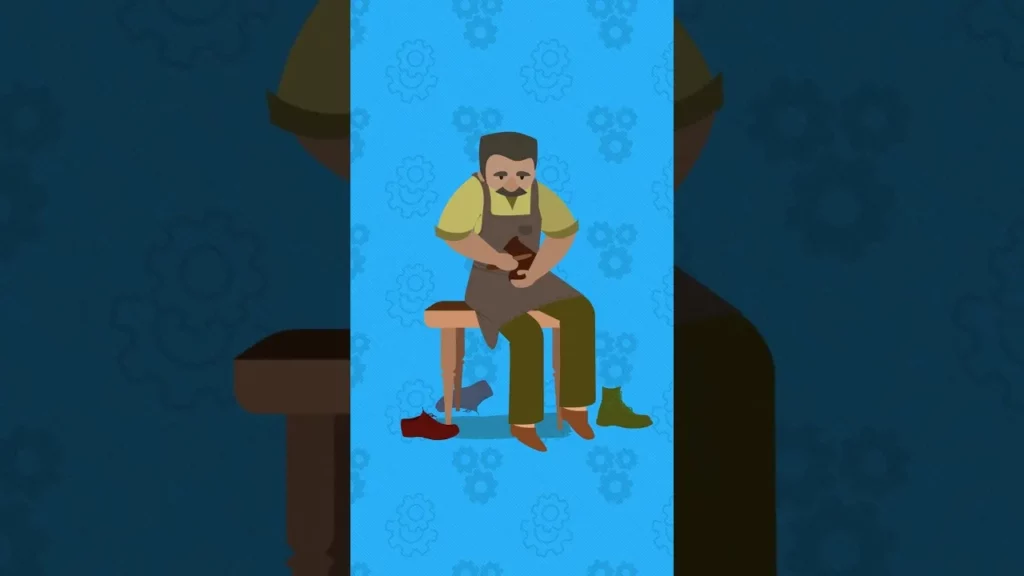
The lesson highlights the transformative impact of the steam engine, invented by James Watt during the Industrial Revolution in the 18th century. By converting steam into mechanical energy, the steam engine revolutionized factories, enabling faster and cheaper production, and transformed transportation, allowing trains to carry heavy loads over long distances. This innovation not only boosted the economy and created new industries but also fundamentally changed the way people lived and worked, connecting the world in unprecedented ways.
DIVISIBILITY RULES of the Number 4 ???? Math for Kids ➗
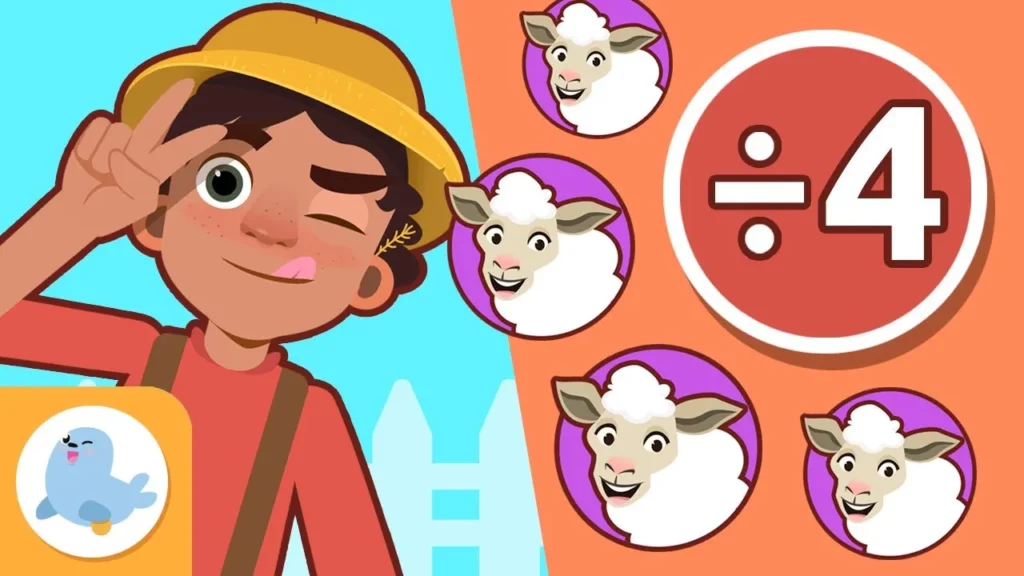
In this lesson, students learn the divisibility rules for the number four, which help determine if a number can be divided evenly by four. The first rule states that if the last two digits of a number are both zeros, the number is divisible by four. The second rule involves checking if the last two digits can be divided by four without leftovers, as demonstrated with the example of 344 sheep, which is divisible by four because its last two digits, 44, can be evenly divided by four.
THE MIDDLE AGES ???? What was FEUDALISM? ????????
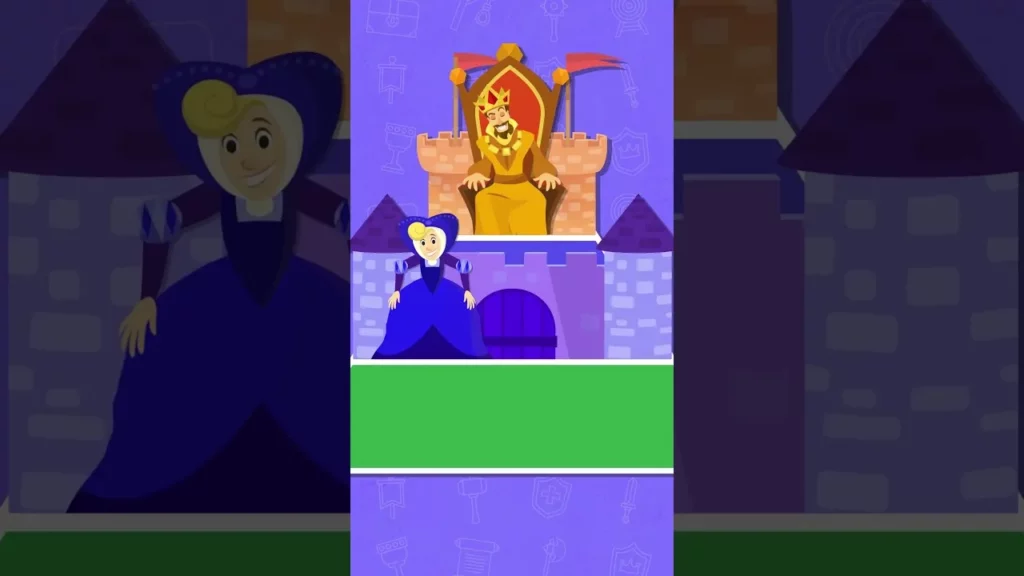
The Middle Ages, spanning from the fall of the Roman Empire in 476 AD to the discovery of America in 1492, was a significant period characterized by the feudal system, which organized society into a hierarchical structure with kings, nobles, and peasants. This era saw the rise of powerful nobles who managed land in exchange for loyalty to the king, while peasants and serfs worked the land under challenging conditions. Understanding feudalism provides insight into the social dynamics of the time and highlights the complexities of power and order in medieval society.