
The First Contact – Alien Worlds of the Past
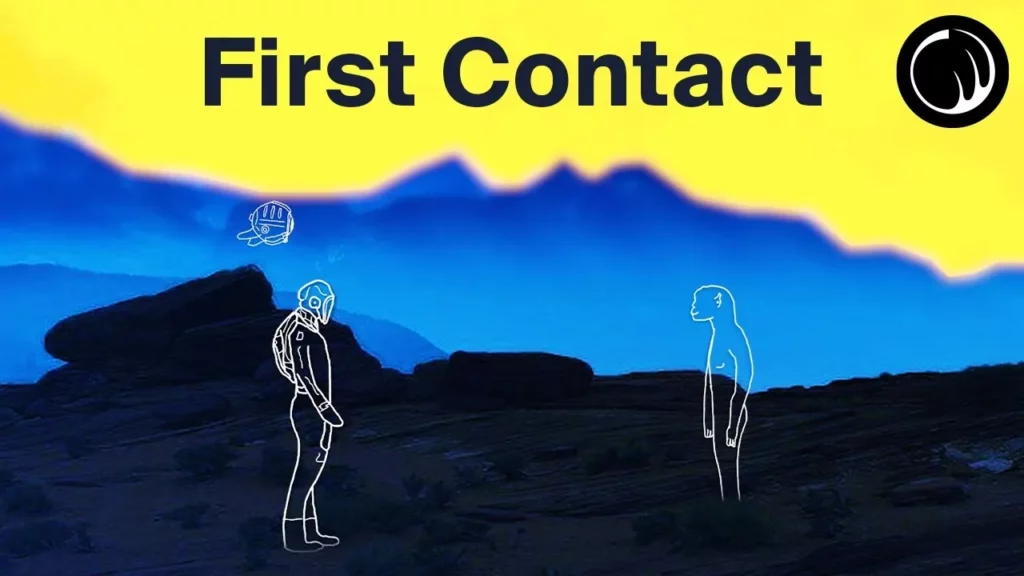
The lesson explores the profound implications of discovering a humanoid alien species on a distant planet, highlighting the complexities of consciousness, society, and happiness. Initially thriving in a harmonious existence, the species’ introduction to questioning and reasoning led to societal upheaval, raising critical questions about the nature of knowledge and its impact on well-being. Ultimately, the experience serves as a cautionary tale about the dual nature of inquiry, emphasizing the need to consider the consequences of our discoveries on other beings.
Taoism & the Art of Flow – The Philosophy of Lao Tzu
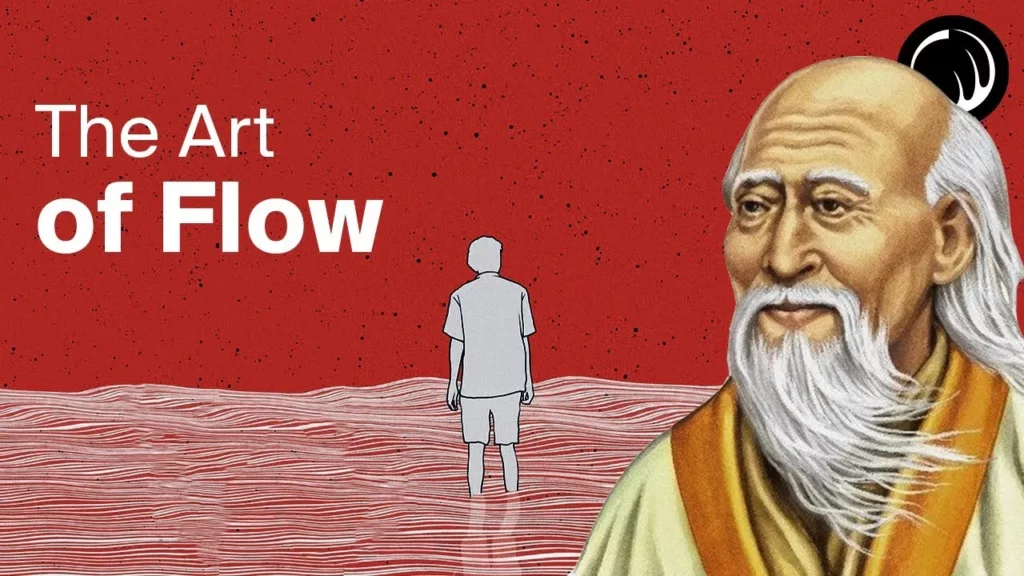
The lesson on Taoism explores the ancient philosophy’s core concepts, historical origins, and its relevance in contemporary life. Central to Taoism is the idea of the Tao, representing the natural order of the universe, and the principle of wu wei, or effortless action, which encourages individuals to align with life’s rhythms. By embracing change and recognizing the interconnectedness of all things, Taoism offers practical insights for cultivating mindfulness, resilience, and harmony in daily living.
Why Do We Feel Insecure? – Dealing With Insecurity

The lesson emphasizes that insecurity is a universal experience that stems from our uncertainties about identity and accomplishments, often exacerbated by societal comparisons. By understanding the evolutionary role of insecurity and adopting strategies such as self-reflection, setting realistic goals, and embracing vulnerability, individuals can transform their insecurities into catalysts for personal growth and resilience. Ultimately, recognizing the beauty of one’s individuality and contributions can help mitigate feelings of inadequacy, leading to a more fulfilling life.
The Secret To A Successful Longterm Relationship – Why Love Is So Hard

The lesson explores the evolution of love, highlighting the transition from the exhilarating phase of infatuation to the deeper connection of true love. It emphasizes that while infatuation is driven by biological impulses, lasting relationships require conscious effort, commitment, and mutual respect to navigate challenges and maintain a meaningful bond. Ultimately, understanding these stages and the importance of nurturing relationships can lead to fulfilling connections that enrich our lives.
A Reason To Feel Good

The lesson emphasizes that true happiness is an internal state rather than something dependent on external achievements or possessions. It encourages individuals to embrace the present moment, practice mindfulness, and cultivate gratitude, highlighting that joy can be found in life’s simple experiences. By focusing on intrinsic well-being and nurturing meaningful relationships, one can develop a lasting sense of fulfillment that transcends materialism.
How To Never Be Bored In Life – Escaping Routine

The lesson on “Understanding Boredom: Breaking Free from Routine” emphasizes that while routines are essential for our physical health, an overreliance on them can lead to feelings of boredom and disconnection from life. It highlights the importance of distinguishing between physiological routines and more flexible, enjoyable activities, advocating for the introduction of spontaneity and new experiences as a means to enrich our lives and combat monotony. By taking small steps to diversify our daily activities, we can reignite our passion for life and enhance our overall well-being.
Why Be Happy When You Can Be Fascinating?
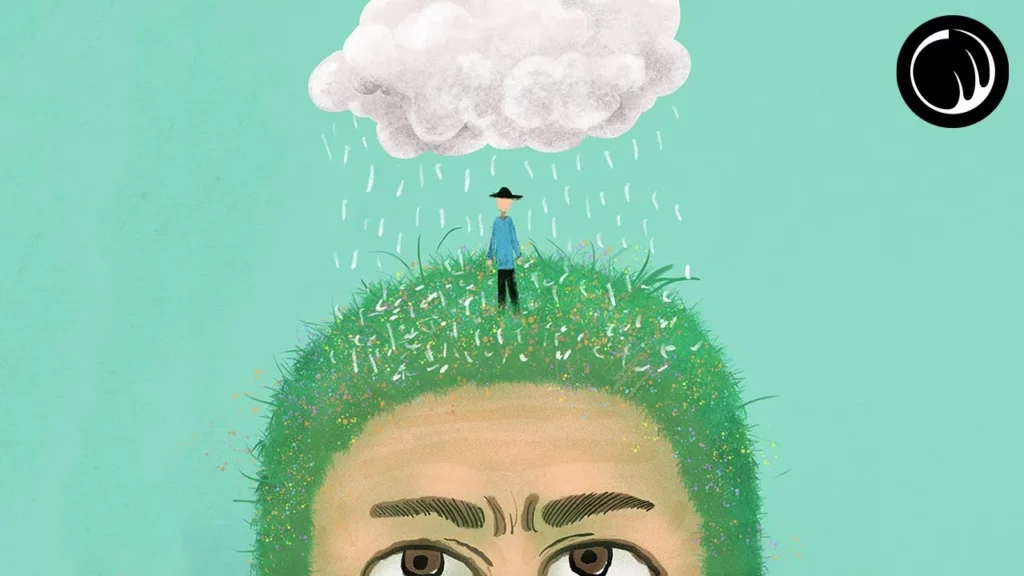
The lesson explores the paradox of happiness, highlighting how our pursuit of joy often coexists with feelings of discontent and struggle. It emphasizes that true fulfillment may not stem from the absence of suffering but rather from embracing life’s complexities, where dissatisfaction can drive personal growth and creativity. Ultimately, a meaningful life acknowledges both happiness and misery as integral components of our experiences.
Everything You Believe Is Based on What You’ve Been Told

The lesson emphasizes the limitations of human reasoning and the importance of skepticism and curiosity in our pursuit of knowledge. It highlights how our understanding is often shaped by external sources rather than direct experience, leading to potential misconceptions and biases. By acknowledging the fallibility of reasoning and the subjective nature of beliefs, we can foster empathy and humility, encouraging more open-minded dialogues and a deeper understanding of the complexities of knowledge.
Your Entire Life Explained In Pizza Slices – This Is How Much Time You Have

The lesson uses a pizza analogy to illustrate how to allocate time throughout life, with each slice representing a decade of experiences and choices. It emphasizes the importance of education, work, sleep, and leisure, encouraging individuals to make mindful decisions that enhance the quality of their experiences. Ultimately, the lesson highlights that life is finite, and prioritizing meaningful activities can lead to a more fulfilling existence.
Strange Questions No One Knows the Answers To

The lesson on Cides Paradox explores the complexities of identity, categorization, and the vagueness of language through the example of heaps, particularly using the scenario of accumulating snowflakes. It highlights how our understanding of concepts like “heap” and the philosophical issues surrounding universals and identity, as illustrated by the Ship of Theseus thought experiment, reveal the limitations of rigid definitions. Ultimately, the lesson encourages embracing the inherent complexity of these ideas to foster open-mindedness and a deeper understanding of ourselves and the world.