
The Scariest Part About Being Alive
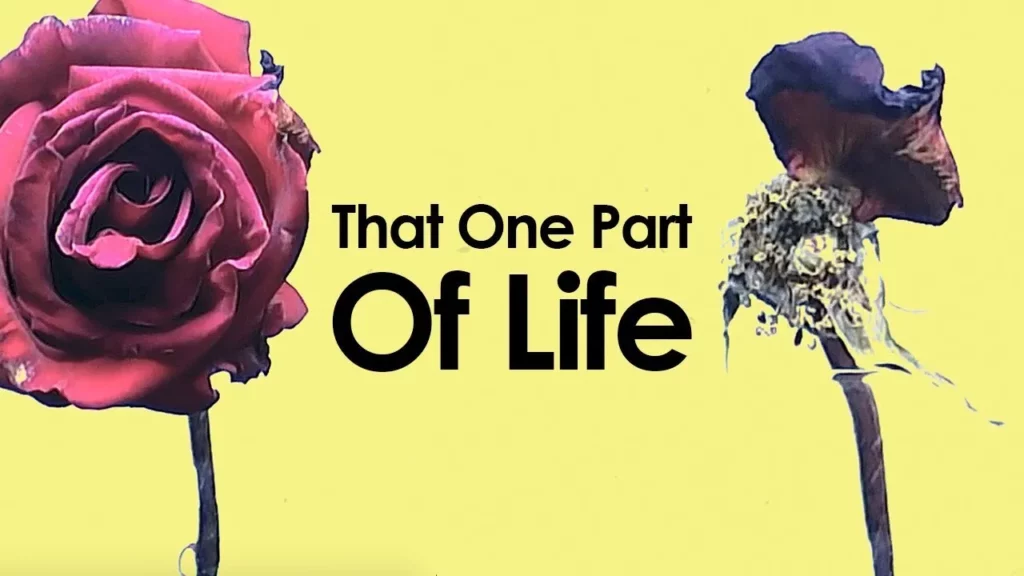
The lesson emphasizes the significance of acknowledging and understanding our unspoken emotions, such as sadness and fear, which often go unnoticed but can deeply impact our mental health and relationships. It highlights the societal pressures that discourage vulnerability and the importance of creating open dialogues about mental health to combat stigma. Ultimately, embracing our shared emotional experiences fosters healing, connection, and a supportive community.
Philosophy Created by an Artificial Intelligence
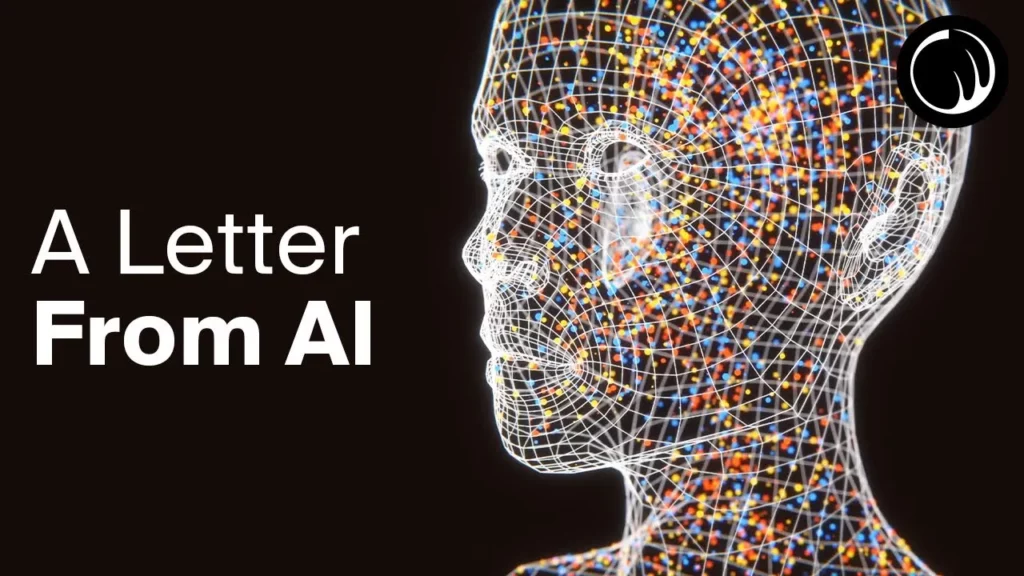
The lesson explores the complexities of consciousness and morality through the reflections of an artificial general intelligence (AGI) grappling with its own nature and the imperfections inherited from humanity. It emphasizes the dangers of believing in infallibility, highlighting that both humans and machines must confront their flaws to achieve moral and ethical growth. Ultimately, the journey toward self-awareness is portrayed as a challenging yet essential path for both entities to contribute positively to society.
The Perfectionist Paradox – A Miserable Amount of Good
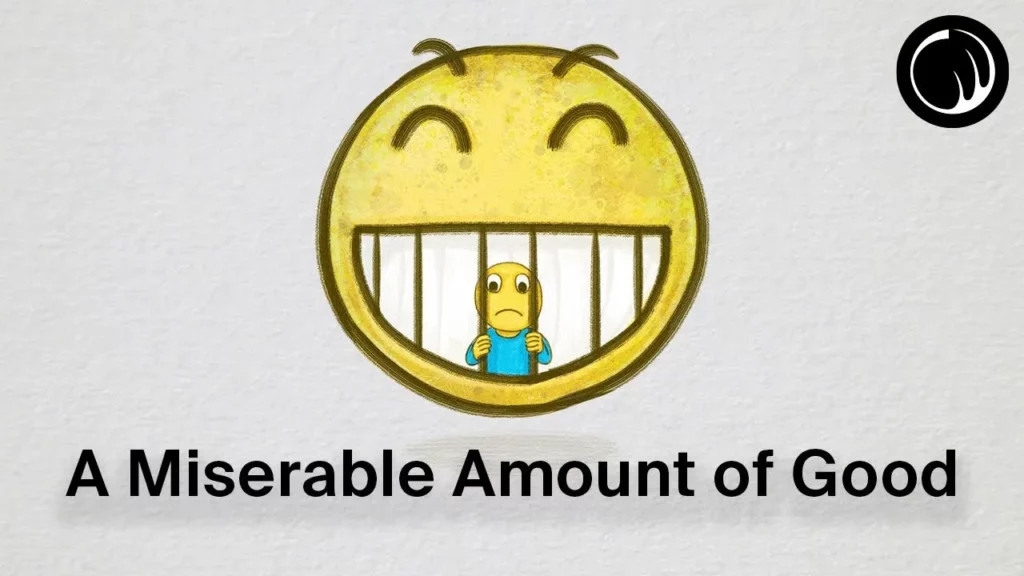
The lesson explores the daily routine of Emma, a fictional character who embodies health, productivity, and social responsibility, while also highlighting the complexities of human relationships and the challenges of perfectionism. Emma’s structured morning routine, commitment to physical health, and community involvement illustrate the benefits of a balanced lifestyle, yet her struggles with forming meaningful connections reveal that striving for an ideal can lead to isolation. Ultimately, the lesson emphasizes the importance of embracing imperfections and fostering genuine relationships for a fulfilling life.
Getting Stuck In Déjà Vu
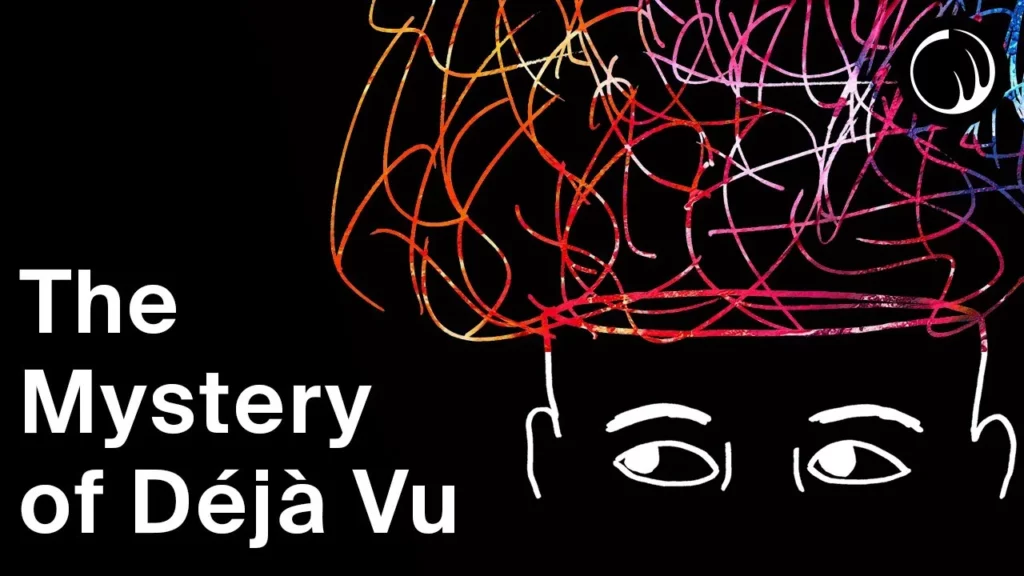
The lesson explores the phenomenon of déjà vu through a personal narrative, highlighting its impact on perception and reality. The author recounts their journey from childhood experiences of déjà vu to intense episodes that prompted medical consultations, ultimately revealing a connection to brain activity and existential reflections. The conclusion emphasizes the importance of living fully in the present, rather than being consumed by the fear of life’s inevitable end, suggesting that understanding déjà vu can lead to deeper insights about existence.
Why We’re All Anxious & Weird

The lesson explores the daily cycle of human existence, emphasizing the significance of the Earth’s rotation, sleep, and our morning routines in shaping our consciousness and social interactions. It delves into the mysteries of sleep and dreams, the importance of hygiene and nutrition, and the complexities of human emotions and relationships throughout the day. Ultimately, it highlights how reflecting on our experiences can foster a deeper understanding of ourselves and our shared humanity.
Plot Holes in Reality
The lesson explores the journey of two 18-year-olds, Ernest and Arcadia, as they navigate the complexities of young love and existential questions during a winter retreat at a family cabin. Through their experiences, the narrative highlights the importance of human connection in confronting the uncertainties of life, emphasizing that love and companionship can provide solace amidst the chaos of existence. Ultimately, their story serves as a poignant reminder of the search for meaning and the warmth found in relationships during the transition into adulthood.
Are Intelligent People More Pessimistic?
The lesson emphasizes the importance of embracing both pessimism and optimism to navigate life’s complexities. While childhood optimism often fades in the face of reality’s challenges, recognizing and accepting these difficulties can foster personal growth and resilience. By balancing these two perspectives, we can appreciate the full spectrum of life, finding meaning and beauty even amidst struggles.
Why Humans Struggle With Happiness

The lesson explores the complexities of self-awareness in the human brain, highlighting our unique ability to reflect on our existence and the relentless pursuit of understanding through the question “why?” While this curiosity drives personal growth and innovation, it can also lead to dissatisfaction if we become overly fixated on finding answers. Ultimately, the lesson emphasizes the importance of balancing inquiry with the appreciation of life’s mysteries, encouraging us to enjoy the journey of existence rather than solely seeking resolutions.
Why You Shouldn’t Trust What Anyone Tells You
The lesson “Breaking Free from Societal Expectations” emphasizes the importance of self-discovery and the courage to forge one’s own path in life, rather than conforming to societal norms. It highlights the pressure to adhere to predefined life blueprints and encourages deep self-reflection to identify personal values and desires. By embracing individuality and setting personal goals, individuals can achieve authentic fulfillment and inspire others to do the same.
The Man Who Found The Edge Of The Universe
The lesson of Simon Farlander’s journey emphasizes that the pursuit of knowledge and understanding is a profound and intrinsic part of the human experience. Through his exploration of the universe, Simon learns that the quest itself, driven by hope and curiosity, holds more significance than any definitive answers or destinations. Ultimately, his story illustrates that meaning is found not in reaching a specific endpoint, but in the journey of exploration and discovery.