
???? Guess the Marine Animal ???? Which Sea Animal Is It? ???? Episode 5
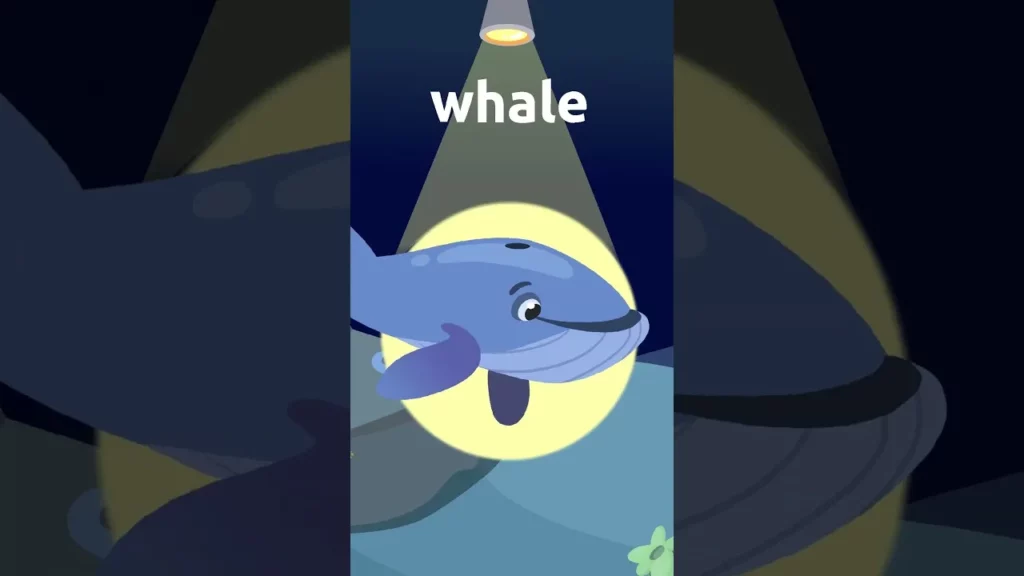
In this lesson, students learn about whales, the enormous and gentle giants of the ocean. They discover interesting facts about whales, including their size, diet of krill, ability to sing, and unique breathing method. The lesson encourages students to observe the ocean for signs of these magnificent creatures.
HARD C / SOFT C ????♀️ SPELLING AND GRAMMAR for Kids ???? Superlexia⭐ Episode 11
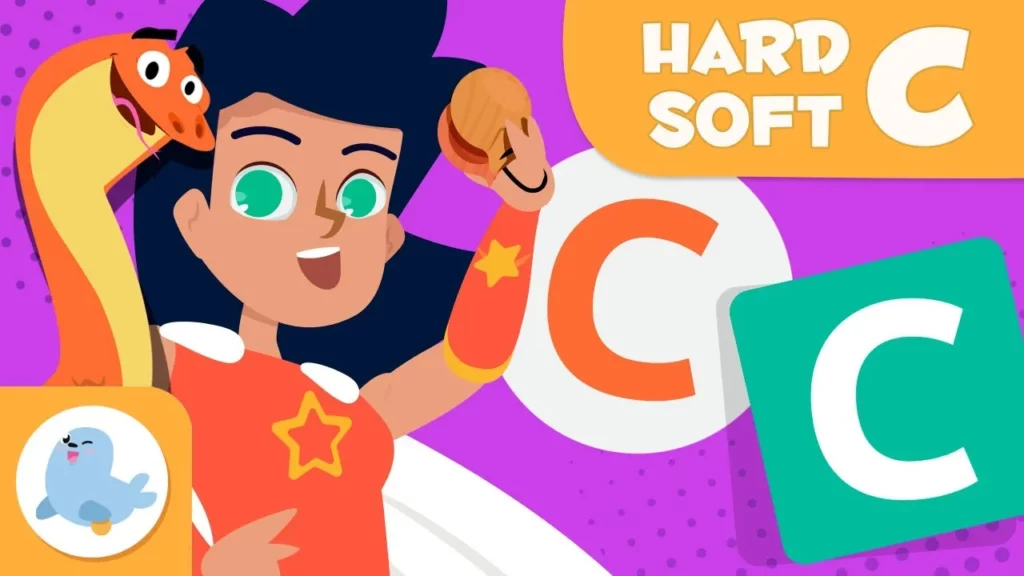
In this lesson, Super Lexia teaches kids about the two sounds of the letter C: the soft C, which sounds like “s” when followed by e, i, or y (e.g., “ceiling,” “circle”), and the hard C, which sounds like “k” when followed by a, o, u, or most consonants (e.g., “car,” “cup”). By identifying the letter that follows C, children can easily determine which sound to use, and they practice this knowledge with examples to reinforce their understanding.
???? Guess the Marine Animal ???? Which Sea Animal Is It? ???? Episode 6
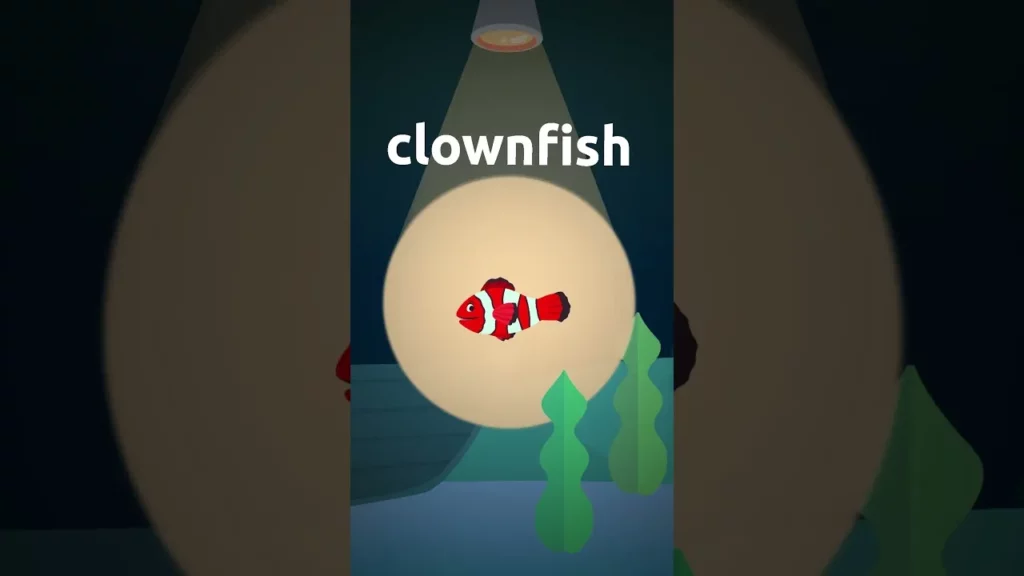
In this lesson, young ocean explorers learn about the clownfish, a vibrant sea animal known for its bright colors and unique relationship with sea anemones. The lesson highlights the clownfish’s special ability to swim safely among the anemone’s tentacles and encourages children to engage in imaginative play by pretending to be clownfish themselves. Through fun activities and facts, the lesson fosters curiosity about marine life and the importance of ocean ecosystems.
Phonics for Kids Phonics for Kids ???? Learn OA (Long O Sound) ???? Phonics in English ????
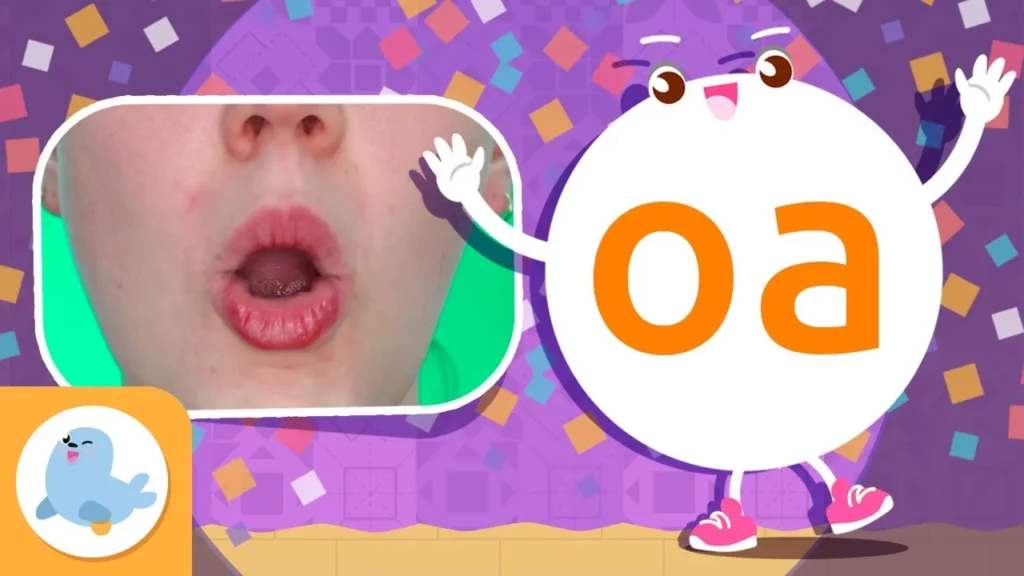
In this lesson, children are introduced to the OA sound through engaging activities and songs. They learn to recognize and pronounce words that contain the OA sound, such as “oats,” “boat,” and “goat,” while enjoying a fun and interactive environment at the Sound Circus. The lesson encourages ongoing learning and reinforces the importance of having fun while mastering phonics.
???? Guess the Marine Animal ???? Which Sea Animal Is It? ???? Episode 7
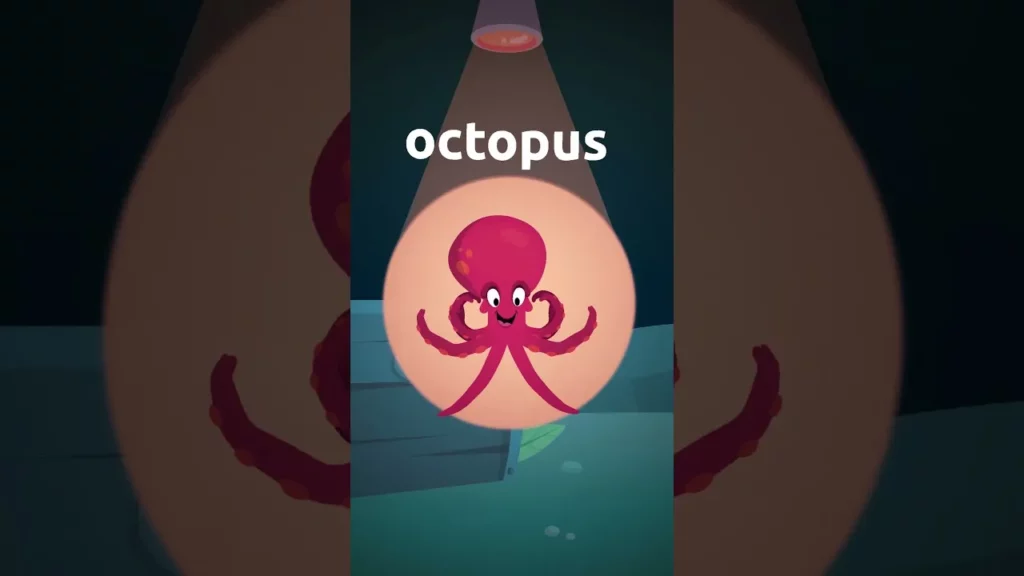
In this lesson, young explorers learn about octopuses, fascinating sea creatures known for their eight arms and ability to change colors. The lesson encourages interactive participation, including counting to eight and pretending to be octopuses, while highlighting fun facts about their unique abilities and playful nature. Overall, it fosters curiosity and imagination about marine life.
ROMAN NUMERALS ???? Rules on How to Use Roman Numerals ???? Episode II
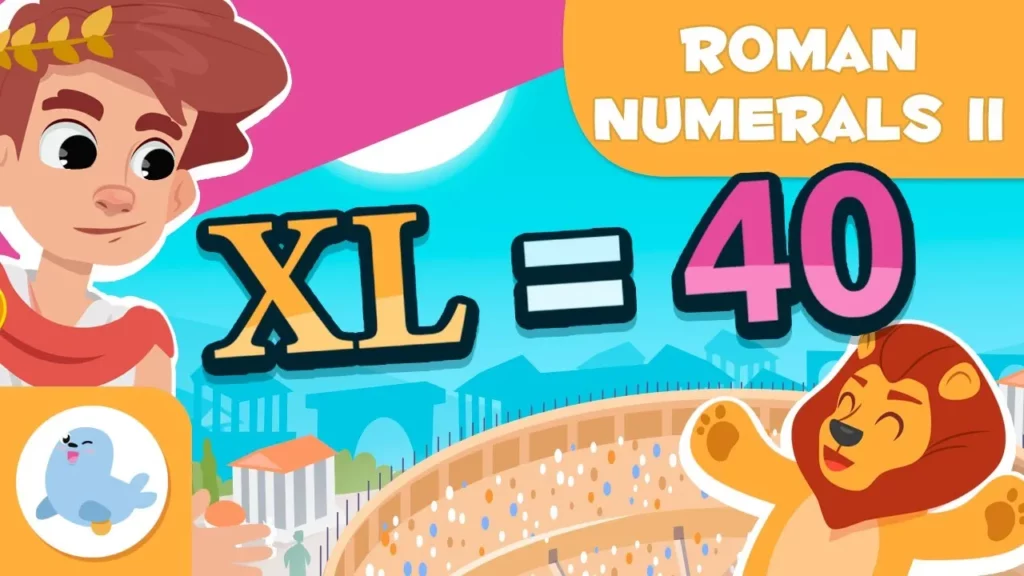
In this lesson, we explored the fascinating world of Roman numerals, which are represented by seven capital letters corresponding to specific values. We learned the basic rules for reading and writing these numerals, including how to add, subtract, and repeat certain letters, as well as how to represent larger numbers using a bar. By the end of the lesson, students gained the skills to confidently read and write Roman numerals.
???? Guess the Marine Animal ???? Which Sea Animal Is It? ???? Episode 8
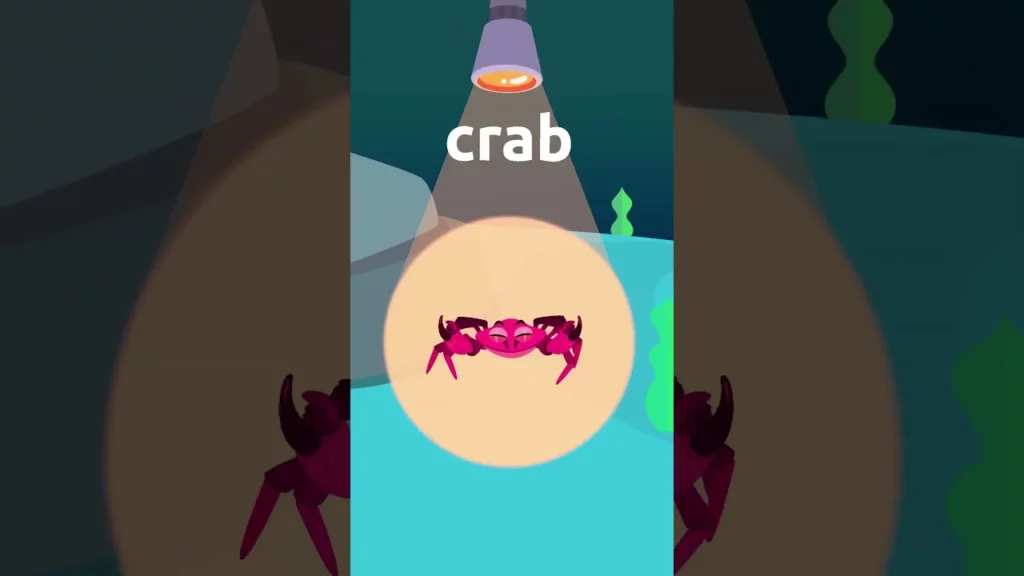
In this lesson, students engage in a fun guessing game to identify a marine animal, specifically a crab. They learn interesting facts about crabs, such as their hard shells, big claws, and unique sideways walking, while also being encouraged to explore and discover more about sea creatures during their beach visits.
COLORS SONG for Kids ???? Educational Video to Learn the Colors ????
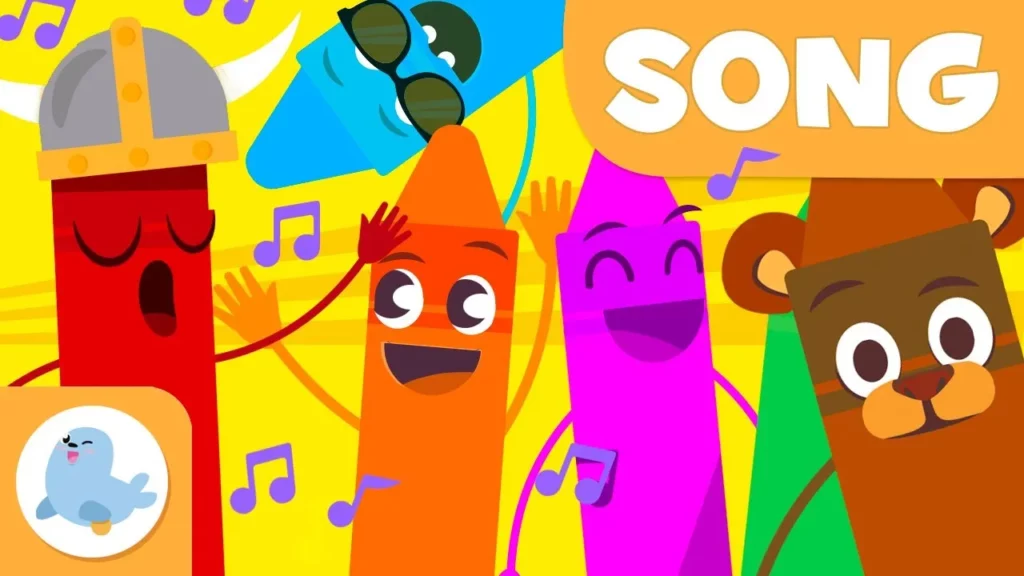
In this lesson, children learn about colors through a fun and engaging song, associating each color with familiar objects, such as red with apples and blue with the sky. The lesson encourages kids to think of additional examples for each color, promoting interaction and exploration. By the end, students are excited about the variety of colors they have discovered and are motivated to continue learning.
???? Guess the Marine Animal ???? Which Sea Animal Is It? ???? Episode 9
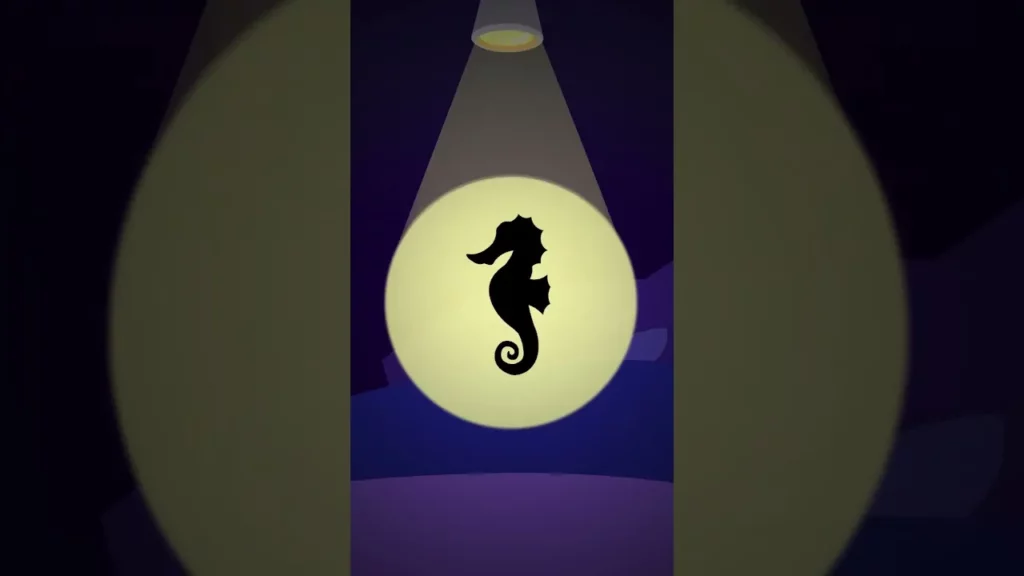
In this lesson, young explorers learn about seahorses, unique marine animals known for their curly tails and upright swimming. The lesson includes fun facts about seahorses, such as their ability to change color and the fact that male seahorses carry babies in a pouch. Students are encouraged to engage in imaginative play by pretending to be seahorses while fostering a sense of curiosity about the ocean and its diverse creatures.
COMMON CONTRACTIONS FOR KIDS ???? “To Be” and Everyday Contractions ???? Spelling for Kids – Compilation
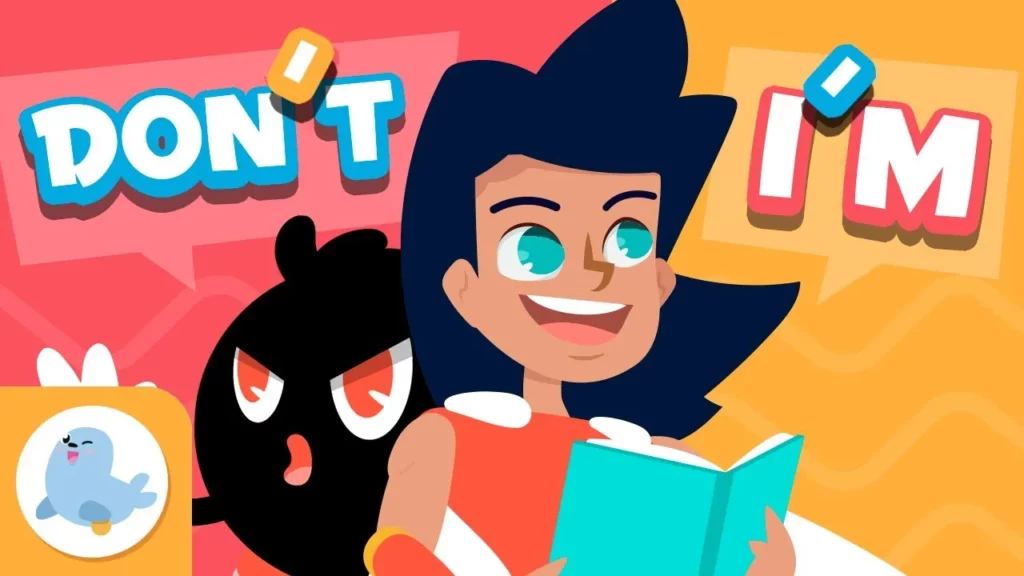
In this lesson, SuperLexia introduces kids to the concept of contractions, explaining that they are formed by combining two words into one using an apostrophe. The lesson focuses on contractions with the verb “to be,” such as “I’m” for “I am,” and also covers common everyday contractions like “don’t” for “do not.” Students are encouraged to practice creating their own contractions, making language fun and accessible.