
Frederick Douglass for Kids
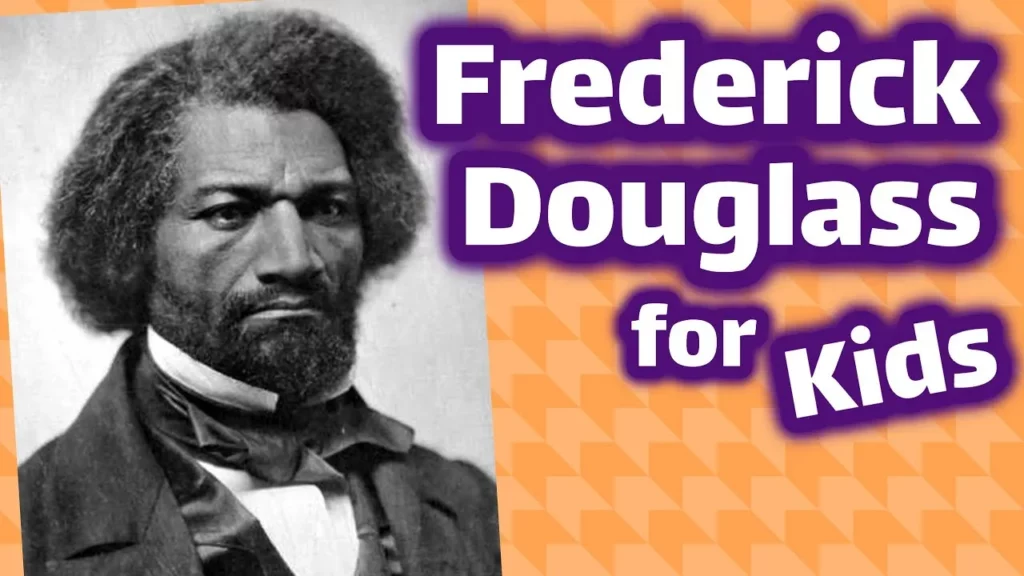
Frederick Douglass was a pivotal figure in American history, known for his relentless advocacy for the rights of African Americans and women. Born into slavery, he escaped and became a powerful speaker and writer, significantly influencing the abolitionist movement and advising President Abraham Lincoln on policies to end slavery. Douglass’s enduring legacy lies in his commitment to equality and justice, inspiring future generations to continue the fight for civil rights.
Halloween Facts for Kids
The lesson highlights that Halloween is a joyful holiday celebrated by people of all ages, focusing on fun, creativity, and community rather than fear. It explores various aspects of Halloween, including the history of pumpkin carving, the origins of trick-or-treating, and the significant amount of candy consumed, emphasizing the importance of enjoying the festivities while also taking care of one’s health. Ultimately, Halloween serves as a time for togetherness and celebration, encouraging everyone to partake in its exciting traditions.
Plant Parts and their Functions | Classroom Video Edition

In this lesson, students explore the six main parts of a plant—roots, stems, leaves, flowers, fruit, and seeds—and their specific functions. The first three parts support the plant’s growth and health, while the latter three are crucial for reproduction and the creation of new plants. Understanding these parts highlights the essential role plants play in sustaining life on Earth.
Mount Rushmore Facts | Classroom Video for Kids
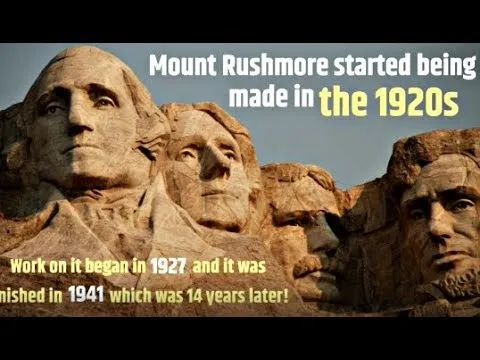
The lesson explores Mount Rushmore, a monumental tribute to four significant American presidents, highlighting its historical and cultural significance. While it celebrates the contributions of George Washington, Thomas Jefferson, Theodore Roosevelt, and Abraham Lincoln, the monument also raises important discussions about Native American land rights and the complexities of U.S. history. Ultimately, Mount Rushmore serves as both an artistic achievement and a reminder of the ongoing struggles faced by Indigenous communities.
Neil Armstrong for Kids
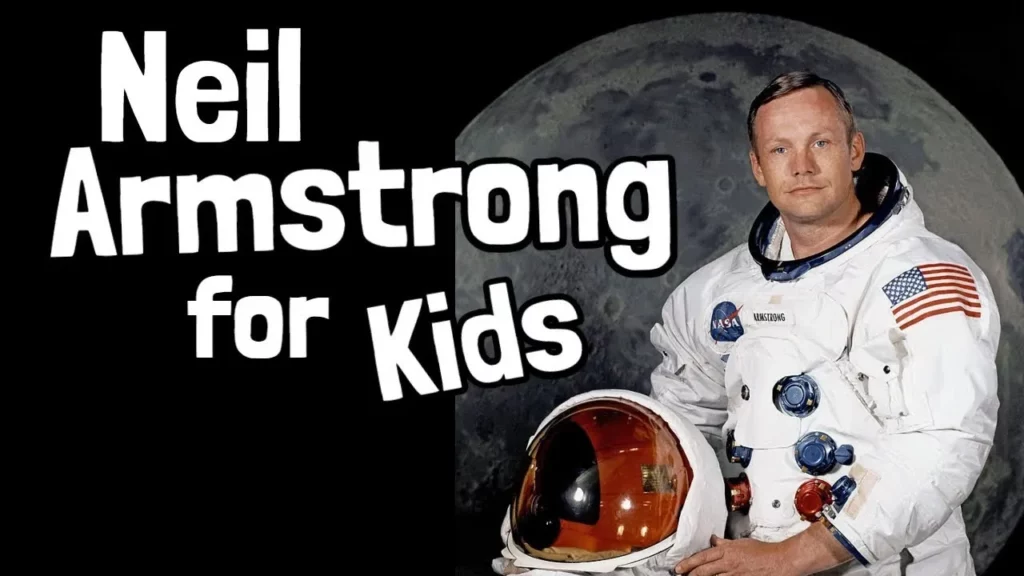
The lesson explores the remarkable life and legacy of Neil Armstrong, highlighting his journey from a young aviation enthusiast in Ohio to becoming the first person to walk on the moon during the historic Apollo 11 mission. It emphasizes his bravery, dedication to exploration, and contributions to aerospace engineering, as well as his post-NASA career as an educator. Armstrong’s legacy serves as an inspiration for curiosity and courage in the pursuit of knowledge and exploration.
April Fools’ Day for Kids | Homeschool Pop
April is a month filled with celebrations, notably April Fools’ Day on April 1st, which is dedicated to jokes and pranks that bring laughter to people of all ages. While the day is meant for fun, it’s essential to ensure that pranks are considerate and enjoyable for everyone involved. The tradition of April Fools’ Day dates back over 400 years, originating from the confusion surrounding the change of the New Year celebration from April 1st to January 1st, and continues to promote creativity and joy.
Shortage and Surplus for Kids

This lesson explains the concepts of shortage and surplus in the marketplace, highlighting their impact on supply and demand. A shortage occurs when demand exceeds supply, leading to empty shelves and potential price increases, while a surplus arises when supply exceeds demand, resulting in excess inventory and possible price reductions. Understanding these dynamics helps consumers make informed purchasing decisions and enables businesses to optimize pricing and inventory management to achieve market equilibrium.
Physical and Chemical Changes Lesson | Science for Kids

The lesson on “Understanding Matter: Physical and Chemical Changes” explains that matter is anything that occupies space and has weight, and it can undergo two main types of changes: physical and chemical. Physical changes alter the appearance or form of a substance without changing its composition, while chemical changes result in the formation of new substances. Recognizing these differences enhances our understanding of how matter interacts and transforms in the world around us.
Inauguration Day for Kids
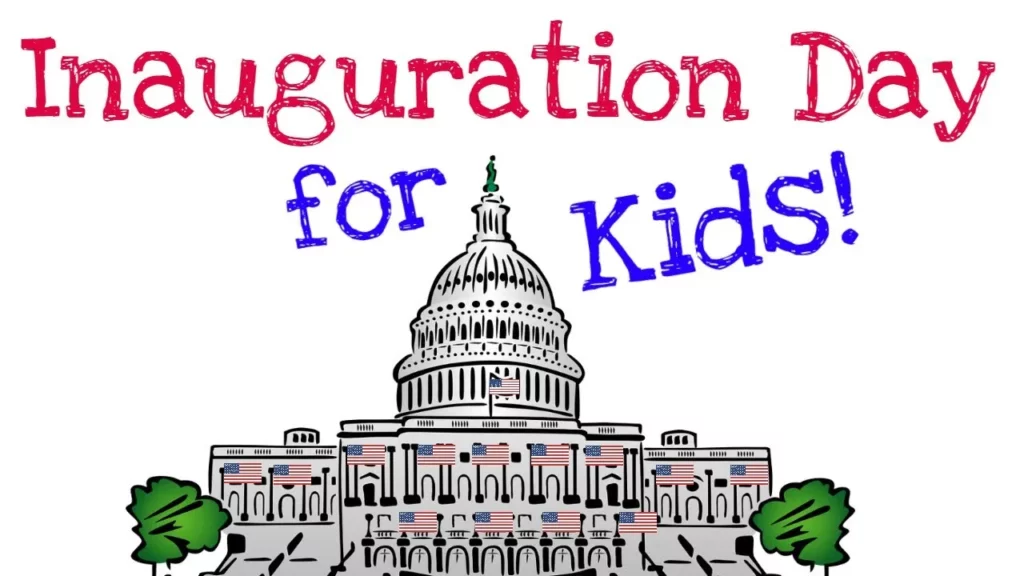
Inauguration Day is a significant event in the United States that marks the beginning of a new president’s term, occurring every four years on January 20th, or January 21st if the 20th falls on a Sunday. The ceremony, held at the U.S. Capitol, includes the president taking the oath of office and delivering an inaugural address, symbolizing a peaceful transition of power and the commitment to uphold democratic values and the Constitution. This day not only celebrates the new leadership but also serves as a reminder of the importance of civic engagement and the responsibilities that come with governance.
Rosa Parks for Kids
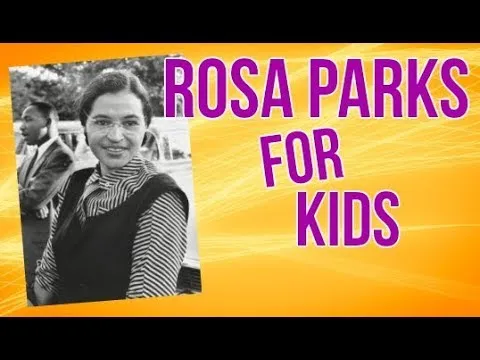
Rosa Parks, known as the “Mother of the Freedom Movement,” played a pivotal role in the civil rights movement through her courageous refusal to give up her bus seat to a white passenger in 1955, which sparked the Montgomery Bus Boycott. Her lifelong commitment to fighting segregation and advocating for equality led to significant legal victories and inspired countless individuals to join the struggle for civil rights. Parks’ legacy continues to resonate today, reminding us of the power of individual bravery in the pursuit of justice.