
Facts about Bunnies for Kids
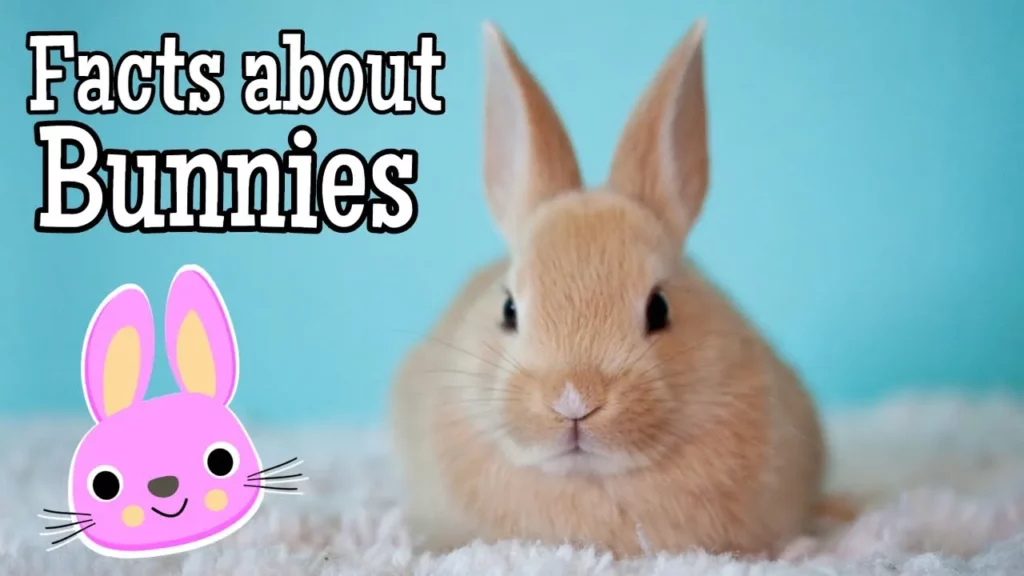
The lesson “All About Bunny Rabbits” explores the fascinating characteristics and behaviors of these beloved animals, highlighting their diet, habitats, and unique traits. It clarifies the difference between the terms “rabbits” and “bunnies,” discusses their physical features and survival strategies, and shares fun facts about their social structure and communication. Overall, it emphasizes the charm and complexity of bunny rabbits, making them a delightful subject of study.
Penguin Facts for Kids
This lesson explores the fascinating world of penguins, highlighting their unique physical characteristics, impressive swimming abilities, diverse diets, and parenting behaviors. With around 20 different species, each with distinct traits, penguins are celebrated for their charming waddles and adorable chicks, making them beloved creatures that capture the hearts of many. Understanding their adaptations and lifestyles enhances our appreciation for these remarkable birds.
Limerick Poems for Kids | Classroom Poetry Video
Limericks are a playful and humorous form of poetry characterized by their five-line structure and the AABBA rhyming pattern. They are known for their catchy rhythm and light-hearted content, making them enjoyable for both reading and writing. With a rich history dating back to the 1800s, limericks encourage creativity and silliness, appealing to poets of all ages.
Mount Rushmore for Kids
The lesson explores Mount Rushmore, a significant U.S. monument that features the faces of four prominent presidents: George Washington, Thomas Jefferson, Theodore Roosevelt, and Abraham Lincoln. While it celebrates American history, the monument is also a source of controversy due to its location on land sacred to Native American tribes, particularly the Lakota Sioux, leading to ongoing discussions about cultural representation and historical narratives. Understanding these diverse perspectives enhances our appreciation of Mount Rushmore’s complex legacy in American history.
The Food Chain for Kids
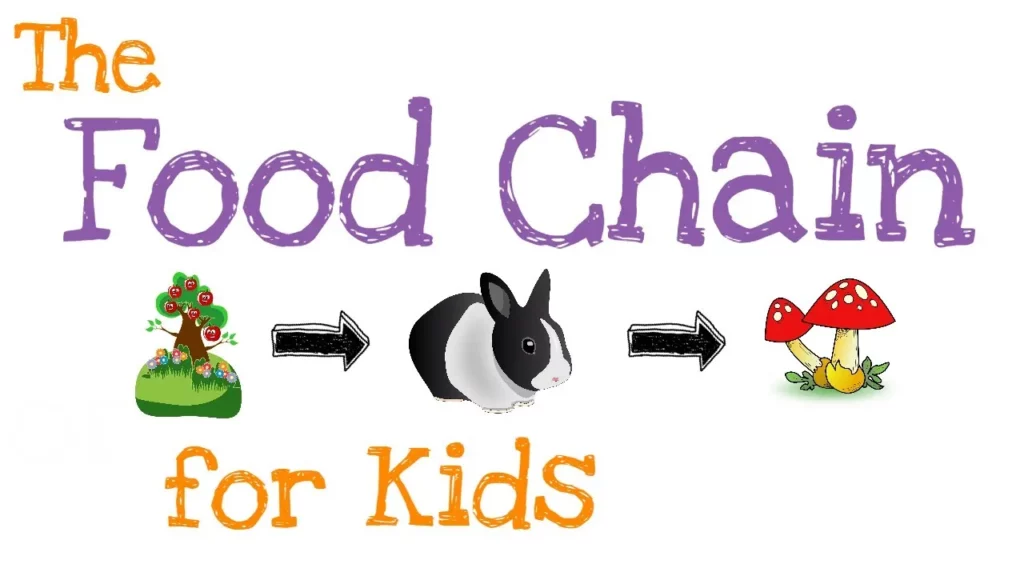
The lesson on the food chain explains the essential roles of producers, consumers, and decomposers in maintaining the balance of nature. Producers, like plants, create their own food through photosynthesis, while consumers rely on other living things for energy, and decomposers recycle nutrients back into the soil. Understanding these interconnected roles highlights the complexity of ecosystems and the importance of preserving our environment.
Pollination Lesson for Children
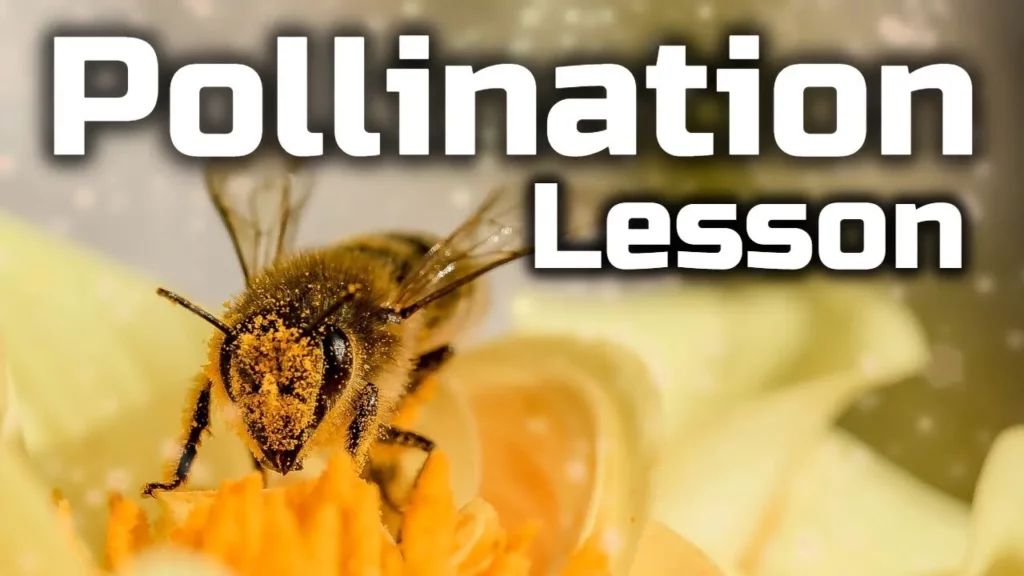
The lesson on pollination explores the vital relationship between flowers and their pollinators, emphasizing how this process enables plants to reproduce and produce seeds. It details the anatomy of flowers, including the stamen and pistil, and explains the mechanisms of self-pollination and cross-pollination. Additionally, it highlights various pollinators, such as bees, butterflies, and bats, and underscores the importance of protecting these creatures to maintain healthy ecosystems.
Subtracting Zero | First Grade and Kindergarten Subtraction Math Lessons
In this lesson, we explored the concept of subtraction, particularly focusing on subtracting zero from various numbers. We learned that subtracting zero means taking away nothing, which results in the original number remaining unchanged. Understanding this principle is essential for grasping more complex mathematical concepts in the future.
Capitalization for Kids
In this lesson on capitalization, students learn the importance of using capital letters to enhance clarity, structure, and emphasis in writing. Key rules include capitalizing the first letter of a sentence, proper nouns, days, months, holidays, titles, and the pronoun “I.” By mastering these rules, students can improve their writing and make it more readable and organized.
Benjamin Franklin for Kids
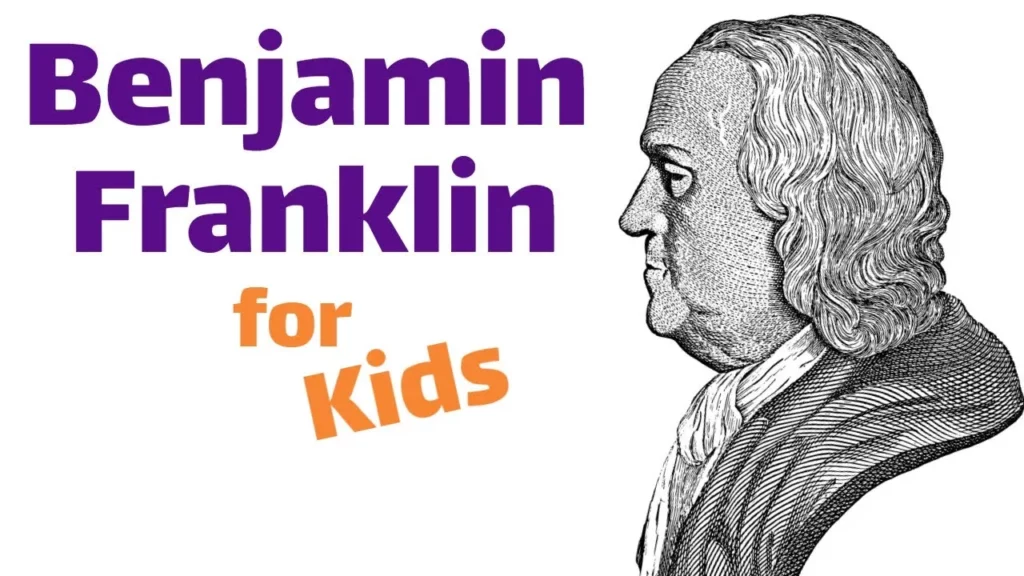
The lesson on Benjamin Franklin highlights his significant contributions as a Founding Father of America, showcasing his roles as a scientist, inventor, diplomat, and writer. Born in Boston in 1706, Franklin’s curiosity and love for learning led to groundbreaking experiments in electricity and practical inventions that improved everyday life. His involvement in the American Revolution, particularly in securing French support and helping draft the Declaration of Independence, solidified his legacy as a symbol of American creativity and resilience.
Amphibians For Kids
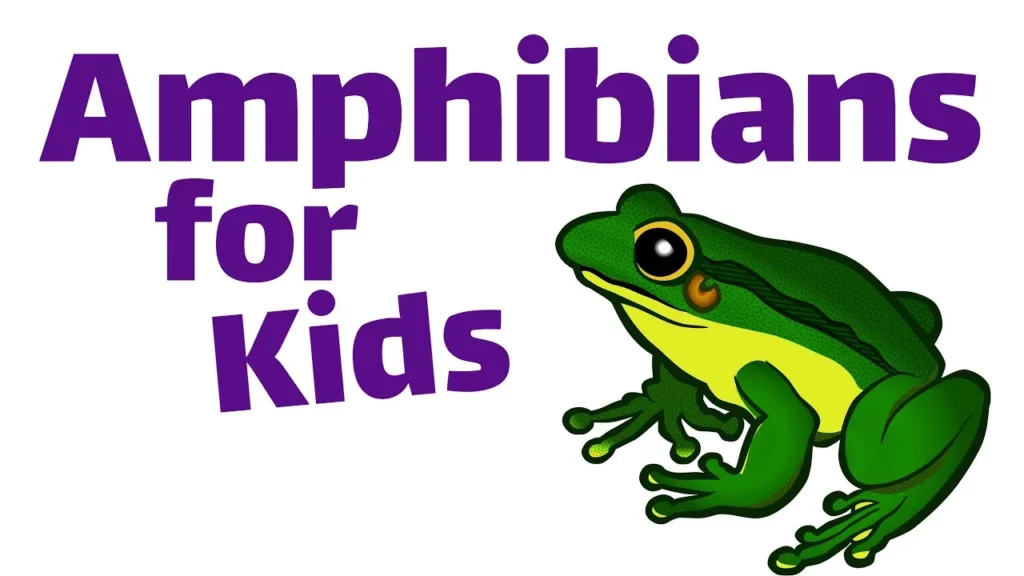
In this lesson, students explore the fascinating world of amphibians, including frogs, salamanders, toads, and newts, and learn about their unique characteristics, such as moist skin and the process of metamorphosis. The lesson highlights their life cycle, dietary habits, and preferred habitats, emphasizing the importance of protecting these creatures and their environments. By understanding amphibians’ roles in the ecosystem, students gain appreciation for their significance in nature.