
Vegetables for Kids | Vegetables from around the World
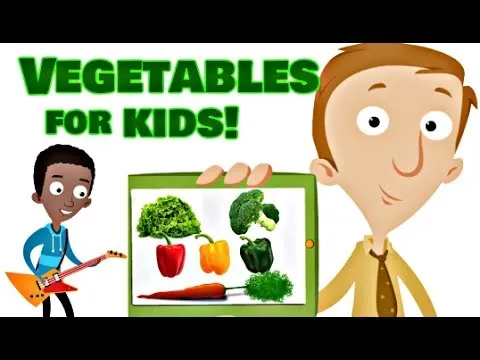
This lesson emphasizes the importance of incorporating vegetables into our diets for better health, highlighting the various parts of plants from which these vegetables originate. It explores six popular vegetables—carrots, celery, lettuce, broccoli, bell peppers, and peas—detailing their health benefits and nutritional value. By understanding the different plant parts and their contributions, we can make informed choices to enhance our well-being through a diverse vegetable intake.
A Big Announcement | HINT: It’s going to be FUN!

Homeschool Pop has launched an Instagram account to enhance engagement and share educational content with its community. By following @homeschoolpop, families can stay updated on new videos, participate in contests, and connect with other homeschooling families. The initiative aims to make the homeschooling experience more enjoyable and interactive.
The Traditional ABC Song | Nursery Rhymes for Children
The lesson emphasizes the importance of the ABC song as a fun and effective tool for learning the alphabet. Originating in the 1840s, the song aids in recognizing letter sounds and remembering their order, making the learning process enjoyable through music and group participation. Additionally, incorporating activities like using pictures, dancing, and exploring words enhances the overall learning experience.
Ostriches for Kids | Seed Dispersal by Animals
The lesson explores the fascinating world of ostriches, highlighting their unique characteristics as the largest birds on Earth, their impressive running speed, and their ecological significance. It covers their life cycle, habitat, and adaptations that aid in their survival, emphasizing their role in seed dispersal and maintaining the health of their environment. Overall, the lesson underscores the importance of understanding ostriches and their contributions to biodiversity and ecosystem balance.
The White House for Kids
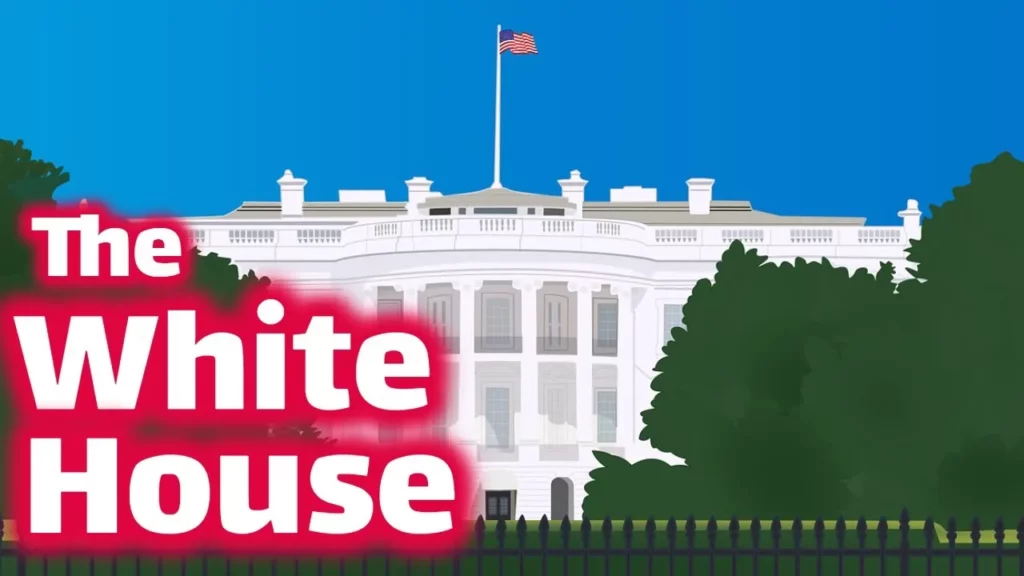
The lesson explores the significance of the White House, the official residence and workplace of the President of the United States, located in Washington, D.C. It covers the building’s history, including its construction, the origin of its name, and its recovery from the War of 1812, as well as its modern features and amenities. Additionally, it highlights the importance of the White House as a symbol of American democracy and invites visitors to learn about its historical role in the nation’s governance.
Even and Odd Lesson for Children
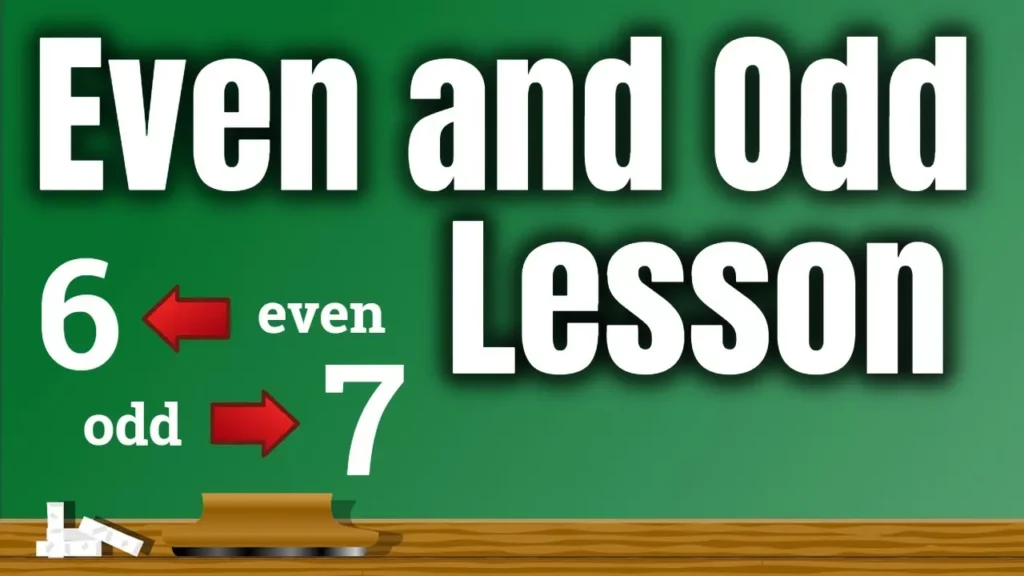
In this lesson, students learn to differentiate between even and odd numbers, understanding that even numbers can be evenly divided into pairs, while odd numbers cannot. The lesson introduces simple methods for identifying these numbers, such as grouping by twos and observing the last digit of a number. By recognizing patterns and applying these tricks, students can easily determine whether a number is even or odd, enhancing their overall math skills.
Positive and Negative Numbers for Kids | Homeschool Pop
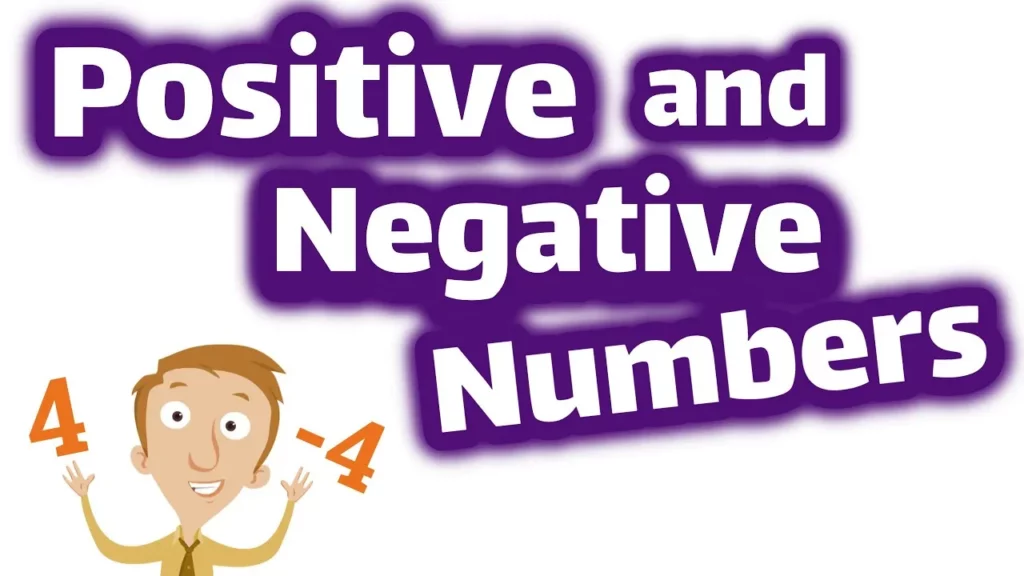
This lesson introduces the concepts of positive and negative numbers, emphasizing their significance in mathematics and real-life applications. Positive numbers are greater than zero, while negative numbers are less than zero, with zero serving as the dividing point on the number line. Understanding these concepts is essential for various practical situations, such as weather forecasting, geography, and finance.
Limericks for Kids
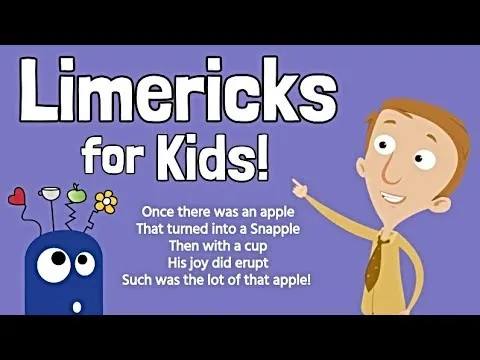
Limericks are a playful and humorous form of poetry characterized by their five-line structure and specific rhyming pattern, where lines 1, 2, and 5 rhyme with each other, while lines 3 and 4 form a separate rhyme. This unique format, along with anapestic meter, gives limericks a lively and musical quality that appeals to both children and adults. Originating in the 1800s and popularized by Edward Lear, limericks offer a delightful way to engage with language and creativity, encouraging readers to both enjoy and create their own silly verses.
Turkey Facts for Kids
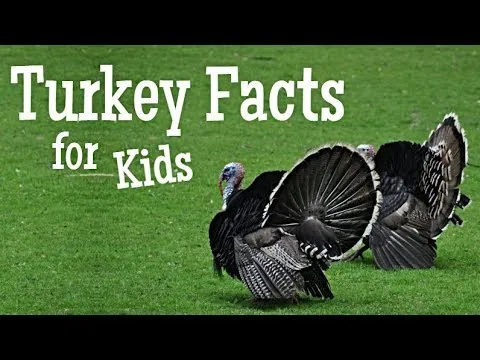
The lesson on turkeys explores their fascinating characteristics, including their size, history, and unique anatomical features. It highlights the differences between domestic and wild turkeys, their courageous nature, and the significance of their distinctive sounds. By the end of the lesson, readers gain a deeper appreciation for these remarkable birds and their role in both nature and agriculture.
Producers and Consumers for Kids | Classroom Video
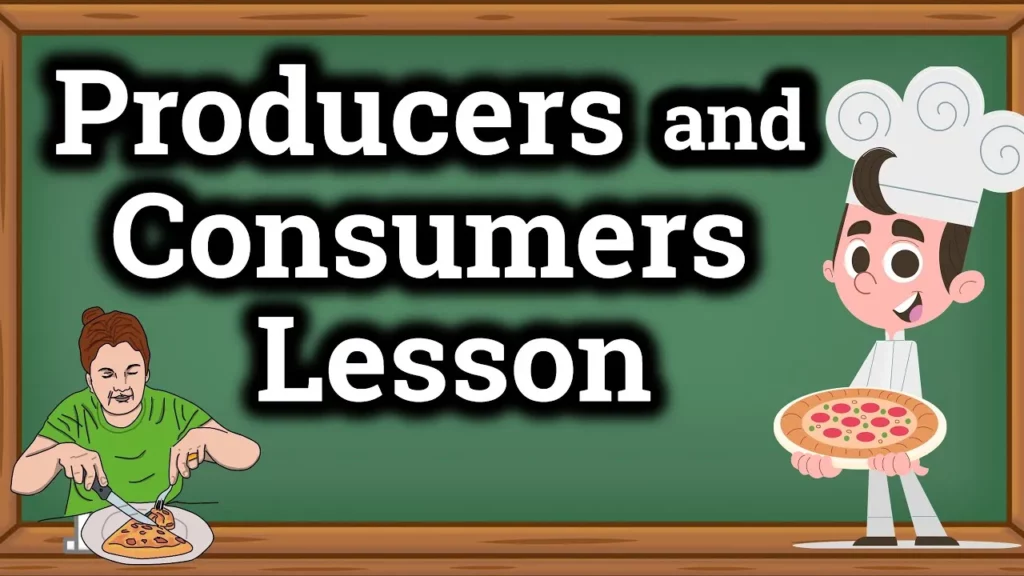
In this lesson, we explored the roles of producers and consumers in the economy. Producers create goods and services, like a baker making bread or a chef preparing pizza, while consumers are the individuals who purchase and use these products. The relationship between producers and consumers is essential, as it forms a cycle of buying and selling that sustains economic activity and helps us appreciate the effort behind the products we enjoy.