
Jaguars for Kids

The lesson on jaguars highlights their significance as the largest cats in the Americas, known for their strength, unique appearance, and exceptional hunting skills. It discusses their habitats primarily in Central and South America, their physical characteristics, including the distinctive rosettes on their fur, and the challenges they face due to habitat loss and hunting. The lesson emphasizes the importance of protecting these magnificent creatures to ensure their survival and the preservation of biodiversity in their ecosystems.
Fox Facts for Children
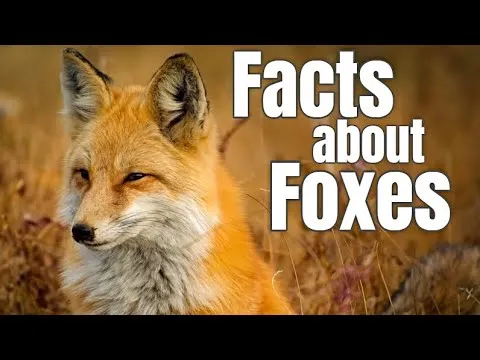
This lesson explores the intriguing characteristics and behaviors of foxes, members of the dog family (Canidae). It highlights their distinctive physical traits, adaptability to various habitats, social behaviors, and their portrayal as clever tricksters in literature. Overall, foxes are presented as fascinating creatures that captivate our interest both in nature and storytelling.
Pumpkins for Kids

This lesson introduces kids to the fascinating world of pumpkins, explaining that they are a type of winter squash belonging to the gourd family. It highlights the variety of colors, textures, and nutritional benefits of pumpkins, as well as their origins and the extensive pumpkin industry in the United States. Through fun facts and a playful joke, the lesson encourages children to appreciate pumpkins beyond their decorative use, emphasizing their edibility and health benefits.
Daylight Savings Time for Kids

The lesson on Daylight Saving Time (DST) explains how and why we adjust our clocks to enjoy more daylight during the evenings, particularly in spring and summer. Originating from an idea by George Hudson in 1895, DST aims to provide longer evenings for outdoor activities and energy conservation, although it can be confusing for some, including farmers and residents in certain regions that do not observe it. Ultimately, the lesson encourages kids to appreciate the extra daylight and engage in fun activities, like bug hunting, while understanding the history and purpose behind this time change.
Owls for Kids
This lesson explores the fascinating characteristics and behaviors of owls, highlighting their nocturnal nature, unique physical features, and exceptional hunting skills. It also discusses the life cycle of baby owls, known as owlettes, their global distribution, and their various communication methods. Overall, the lesson emphasizes the adaptability and intriguing qualities of owls, encouraging a deeper appreciation for these remarkable birds.
Sloths for Kids

This lesson explores the fascinating world of sloths, highlighting their unique adaptations and behaviors. Sloths, known for their slow movements and tree-dwelling lifestyle in the rainforests of Central and South America, have evolved to conserve energy and evade predators. Their herbivorous diet, reliance on sharp claws for climbing and defense, and vulnerability on the ground further illustrate their remarkable adaptations to survive in their environment.
Golden Gate Bridge Facts for Kids | Classroom Video

The lesson on the Golden Gate Bridge highlights its significance as an engineering marvel and a symbol of creativity, completed in 1937 after overcoming numerous challenges during the Great Depression. It emphasizes the importance of safety during construction, the bridge’s vital role in daily transportation for over 100,000 vehicles, and its iconic “international orange” color, which enhances visibility in foggy conditions. Overall, the Golden Gate Bridge serves as a testament to human ingenuity and the lasting impact of innovative engineering.
Facts About Reptiles for Kids
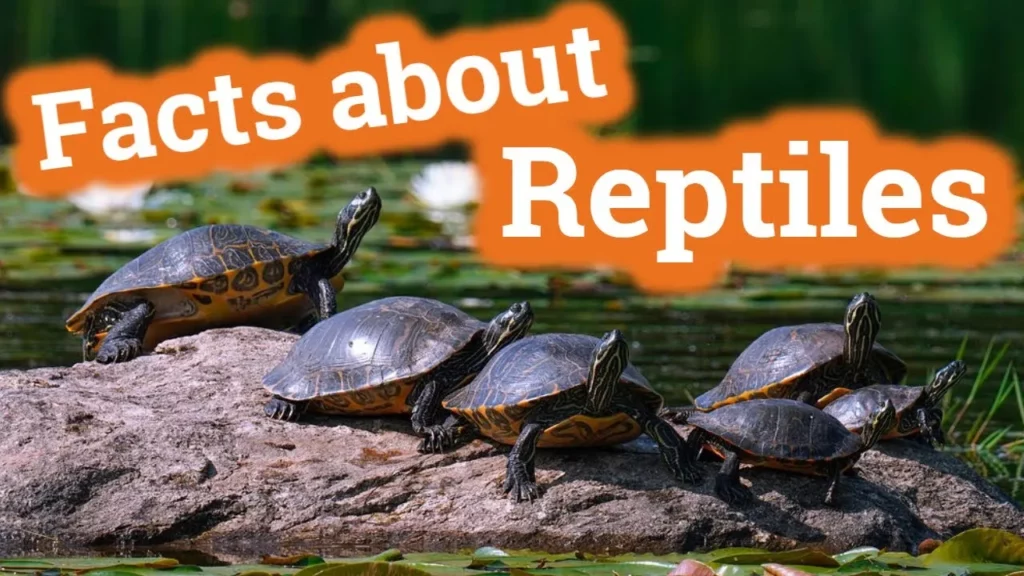
The lesson explores the fascinating world of reptiles, highlighting their unique characteristics such as scales, lung-based breathing, and cold-blooded nature. It introduces various types of reptiles, including snakes, turtles, crocodiles, and lizards, emphasizing their diverse adaptations and importance in ecosystems. By understanding these traits, learners can appreciate the variety of life and the survival strategies of reptiles in their habitats.
Christmas Facts for Kids

This lesson explores the diverse traditions and historical significance of Christmas celebrated by billions around the world. It highlights unique customs, such as different celebration dates and regional practices, while also discussing the evolution of Christmas decorations and popular characters like Rudolph. Overall, it emphasizes the joy and cultural richness of the holiday season, encouraging a deeper appreciation for the various ways people come together to celebrate.
Foxes for Kids
The lesson explores the fascinating world of foxes, highlighting their unique physical features, such as triangular ears and bushy tails, which aid in their survival and communication. It also discusses their adaptability to various habitats, solitary hunting behavior, and cultural significance as symbols of cleverness. Overall, the lesson emphasizes the importance of understanding foxes to appreciate the diversity of wildlife and their roles in nature.